Luke 11
Elu Ọhụn: Ẹkụkwọ-Nsọ (Azụụn Ọhụn rịn'a) · Tap a verse to see its cross-references.
Jizọsị A Kuzi Kẹ Wẹ Dọn E Mẹ Ekpere
1Jizọsị rị ebe ohu e mẹ ekpere; ogẹn o gi mẹgụụ, nwa-azụụn a ohu nọ sị a, “Di-nwọnni-ẹnyi, kuzi ẹnyi ekpere—kẹ Jọnụ dọn kuzi ụmụ-azụụn a.” 2Jizọsị nọ sị wẹ, “Ụnụ gha e mẹ ekpere, sị nị:
‘Baba,
nị wẹ dọnmẹ ẹfan ị nsọ;
Alị-eze i 'ya bịa d'a kịma.
3Ye ẹnyi ihiẹn-oriri sikọ d'e zu ẹnyi ụhụọhịn-ụhụọhịn;
4Gbagharị ẹnyi njọ ẹnyi,
makẹni ẹnyi a gbagharị onyẹ ọwụlẹ mẹjanị ẹnyi a gbagharị.
Edubanlẹ ẹnyi imẹ ọnwụnwan, [ka gbapụha ẹnyi ẹka Eje-onyẹ hụ].’ ”
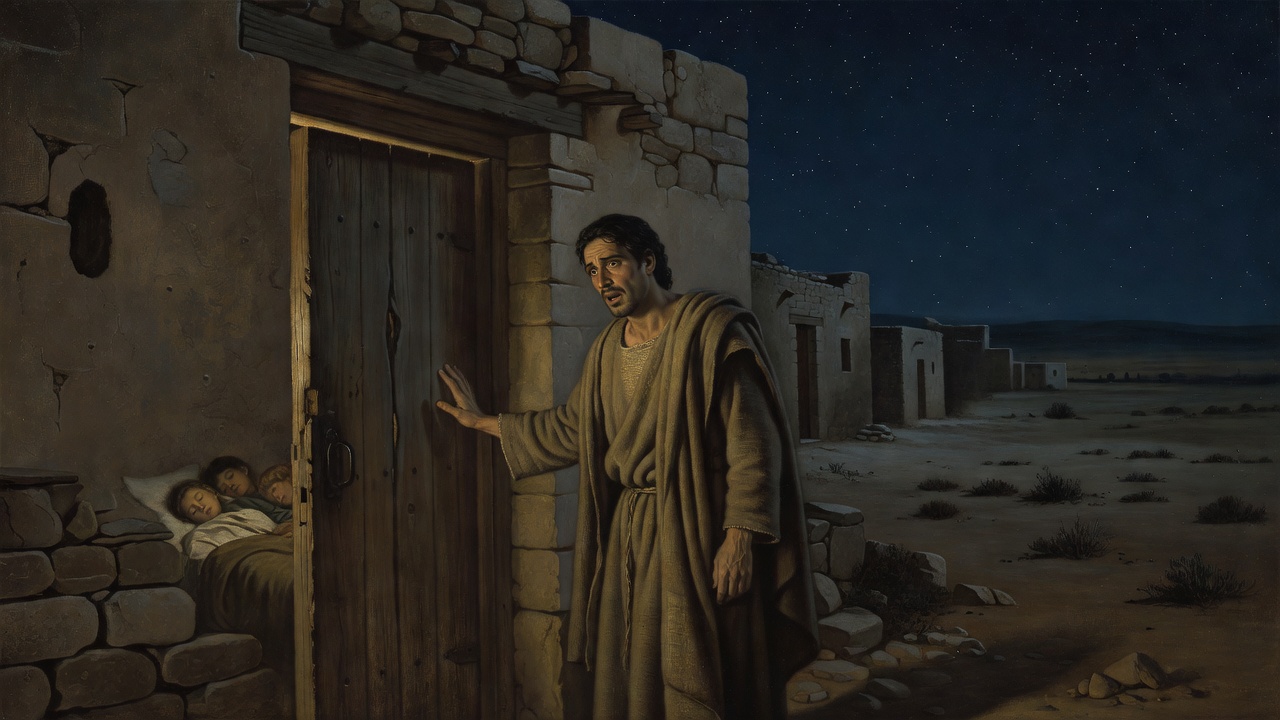
5'Ya Jizọsị nọ sị ụmụ-azụụn a, “Nị ẹnyi weri ẹ nị onyẹ ohu imẹ ụnụ jẹn iwe ọwụ a imẹ abalị d'a sị a, ‘Di-ẹnyi, zinye m ogbe-brẹdi ẹtọ. 6Ọwụ m hụn rị ụzọ-ijẹn rịhụ a banhan iwe m kikẹnni, kanị enwẹ m ihiẹn-oriri ọwụlẹ m sikọ d'e ye ẹ.’ 7Nị ẹnyi werizikwọ a nị ọwụ ị ahụn gha imẹ ụlọ sị, ‘Eyelẹ m nsọngbu; a kpọkingụọ wẹ ụzọ; mmẹ lẹ ụmụ m e dinẹgụọ. Asa m ẹka lihi ọtọ d'e ye i ihiẹn ọwụlẹ.’ 8M rị a gwa ị nị ọsụọn'a n'o gini ifiri nị ị wụ ọwụ a lihi ye i brẹdi, o sikọ d'e ye 'y'ẹ makẹni y'a rịọbehini.
9'Ya wụ, m rị a gwa ị: rịọ, i k'e nwọnhẹn; chọ, i jẹnkọ d'a hụn; dụ ẹka, wẹ sikọ d'a gụnpụn'ị ụzọ. 10Makẹni ndị ile hụn rịọnị jẹnkọ d'e nwẹhẹn; ndị hụn chọnị jẹnkọ d'a hụn; wẹ sikọ d'a gụnpụzịkwọnị ndị ile dụ ẹka ụzọ. 11Imẹ ụnụ ile, elee nẹdi sikọ d'e ye nwa a agwọ ọ rịọ a azụn 12mọbụ ye ẹ akpị omẹni ọ rịọ a ẹkwan? 13O mẹ nwan nị ụnụ hụn wụ ndị-njọ ma ye ụmụ ụnụ ihiẹn rị mma, nanị kẹ Nẹdi ahụn rị elu-igwee k'e yehan ndị rịọ a Mmọn-nsọ? O yekarịkọ wẹ?”
Jesu Lẹ Bẹzibọ
14Ụhụọhịn ohu, Jesu chụpụ eje-mmọn odin. Ogẹn eje-mmọn hụ gi pụgụụ, okẹnnyẹ hụ o te rị imẹ ẹ nọ kumẹ oku. Ọ tụkẹnmẹ igunrun rị ebahụn ẹnya; 15kanị, ndị hụ imẹ ndị rị ebẹhụ nọ sị, “Bẹzibọ, hụn wụ onyẹ-isi eje-mmọn ile, 'ya rị e ye ẹ ikẹn o gi a chụpụ eje-mmọn.” 16Ndị ọzọ nọ shini Jesu ọnyan, sị a rụnghọsị wẹ ọrụn-atụmẹnya pụ-ichẹn gha elu-igwee bịa. 17Kanị Jesu a marịngụọ ihiẹn wẹ rị e ro, ọ nọ sị wẹ, “Alị-eze ọwụlẹ kebeni, nwọn itu rị ichẹn-ichẹn rị a lụsọn ibe wẹ ọgụn, jẹnkọ d'e hẹnrin ọfịa; ezi-lẹ-ụlọ ọwụlẹ ndị rị n'a kebe, a lụsọn ibe wẹ ọgụn sikọ d'a dan.”
18“'Ya wụ, omẹni alị-eze Ekwensụ kebe ekebe, nwẹ itu ichẹn-ichẹn rị n'a hụn a lụsọn ibe wẹ ọgụn, ẹghanị kẹ alị-eze ẹ e dọn turu?—bụ ụnụ sị nwan nị m gi ikẹn Bẹzibọ a chụpụ eje-mmọn. 19Omẹni ikẹn Bẹzibọ kẹ m gi a chụpụ eje-mmọn, ikẹn onyẹ kẹ ndị nke ụnụ gi a chụpụ wẹ? Uwẹ jẹnkọ d'a ma ụnụ ikpe!” 20“Kanị, o mẹ nwan nị ikẹn Osolobuẹ kẹ m gi a chụpụ eje-mmọn, 'ya wụ nị Alị-eze Osolobuẹ e rugụọlẹ ebe ụnụ rị.”
21“Ọwụlẹ dikẹn a kwademẹchanrịngụụ ihiẹn ọgụn a, nọdị e che okẹn-ụlọ a nche, o nwẹni ihiẹn jẹnkọ d'e mẹ ihiẹn o nwẹ. 22Kanị, omẹni onyẹ ka a ikẹn a maye ẹ ọgụn, mẹri ẹ, o jẹnkọ d'a napụchanrịn a ihiẹn ọgụn ile hụn o gi dọn ẹnya, buru ihiẹn ẹ ile, kesọnmẹ ni ndị ọzọ ya.” 23“Onyẹ ọwụlẹ rịlẹni azụụn nke m rị a lụsọn m ọgụn; onyẹ ọwụlẹ hụn ghalẹni e ye ni m ẹka a kịkwama rị e kpọnyịya.”
Ihiẹn E Wekinhẹn Eje-mmọn Wẹ Chụpụgụụ
24“Eje-mmọn ghagụụ imẹ ịhịan pụ, ọ ghahunmẹmẹ ebe mirin rịlẹni, a chọ ebe o jẹnkọ d'a nọdị zu ikẹn. Omẹni ọ hụnnị, o sikọ d'a sị enwẹn ẹ, ‘M sikọ d'e kin-azụụn ụlọ hụ m gha pụha.’ 25O kinhẹn, hụn a nị a zachangụọ w'a, dọnkwamagụụ a, 26o jẹn d'e wẹhẹzi eje-mmọn ẹsa ọzọ ka 'ya lẹ enwẹn ẹ njọ, a bịa wẹ d'e biri ebẹhụ. Ọnọdị onyẹ hụ a ka njọ karị kẹ ọ rị mbụ.”
Ndị Wẹ Gọzi Agọzi
27Ogẹn Jesu gi rị e ku ihiẹnni, okpoho ohu rị imẹ igunrun hụ nọ gha ebahụn sị a, “Ẹfọ mụn'ị lẹ ẹran ị ra wụchanrịn ihiẹn wẹ gọzi agọzi!” 28Kanị Jesu nọ sị, “Mba, ngọzi wụ nke ndị hụn a nụ oku Osolobuẹ, e gi ẹ e bi!”
Ihiẹn Mẹ Onyẹ-amụma Wụ Jona Wụ Ahịma
29Ogẹn ndị rị e ruhẹ ebe Jizọsị rị gi rị e buwaye ọda, ọ nọ kumẹzi, sị, “Agbọnị jọ njọ! Wẹ sị m ghọsị wẹ ahịma pụ-ichẹn, kanị o nwọnni ahịma ọwụlẹ pụ-ichẹn wẹ jẹnkọ d'a ghọsị wẹ wezụka ihiẹn mẹ onyẹ-amụma wụ Jona. 30Kẹ Jona dọn wụ ahịma ebe ndị Ninivẹ rị, ẹrịra kẹ Nwa nke Ịhịan jẹnkọ d'a wụ ahịma ebe agbọnị rị. 31O ru Ogẹn Ichin-ikpe, eze-okpoho alị Shiba, alị hụ rị azụụn ndịdan-mirin, jẹnkọ d'e lihi, shịagbu agbọnị ẹri. Makẹni, ọ gha alị hụ tegbu enwẹn ẹ bịa d'e gọn ntịn amamihiẹn Solomọnụ—bụ onyẹ ka Solomọnụ rị nwan ebeni. 32O ru Ogẹn Okinkin-ikpe, ndị Ninivẹ jẹnkọ d'a pụha ọshẹri, ma ndị agbọnị ikpe, makẹni wẹ rogharị erogharị ogẹn wẹ gi nụ ozi Jona zi—bụ onyẹ ka Jona rị nwan ebeni!”
Ukpẹ Hụn Rị Ẹhụ
33“O nwọnni onyẹ hụn a mụye ukpẹ e bu ẹ e zuemẹ mọbụ e bu ẹ che okpuru afẹrẹ. Mba, w'e butọ a elu obu-ukpẹ—kẹni onyẹ ọwụlẹ banhannị gi ẹ legha ụzọ.” 34“Ẹnya ị wụ ukpẹ rị ị ẹhụ. Omẹni ẹnya ị rị mma, ukpẹ jẹnkọ d'e junchanrịn ị ẹhụ. Kanị omẹni ẹnya ị a rị mma, ishi jẹnkọ d'e junchanrịn ị ẹhụ. 35Hụnkwọ a nị ukpẹ hụn rị imẹ i ẹlẹ ishi. 36'Ya wụ, omẹni ukpẹ junchanrịn ị ẹhịụ ile, bụ o nwọnni mkpamkpa ọwụlẹ rị imẹ ishi, ẹhụ ị ile sikọ d'e mẹ ukpẹ-ukpẹ nọkẹ ebe ukpẹ nọ e nwunkpu i.”
Jesu A Jụgbọ Ndị Itu-Farisi Lẹ Ndị-nkuzi Iwu
37Ogẹn Jesu gi kugụụ, onyẹ Itu-Farisi ohu nọ sị a bịa iwe ẹ d'e du ẹ ri ihiẹn-oriri. 'Ya ọ nọ jẹnmẹ; ọ nọ weri ọnọdị a elu teburu ihiẹn-oriri ahụn.
38Ogẹn onyẹ Itu-Farisi hụ gi hụn nị Jesu a chanchannị ẹhụ a kẹ wẹ dọn a chan n'o d'e rimẹ ihiẹn-oriri, ọ nọ tụ a ẹnya. 39Ya kẹ Di-nwọnni-ẹnyi nọ sị a, “Lee nwan, ụnụ ndị Itu-Farisi a chanchan azụụn mkpu lẹ afẹrẹ ụnụ, kanị ẹnya-uku lẹ eje-ihiẹn jun imẹ ụnụ. 40Ndị-nzuzu! Ẹlẹ onyẹ hụn mẹmẹ azụụn a mẹmẹzikwọ imẹ ẹ? 41Ka we ni nwan ihiẹn ndị hụn rị imẹ ẹ ye ndị igbẹnnyẹ; ụnụ mẹ ẹ, m rị a gwa ụnụ, ihiẹn ile jẹnkọ d'e nwunchan nị ụnụ.
42Nsọngbu rị nị ụnụ ndị Itu-Farisi! Ụnụ a kụsọnmẹdẹ ụzọ-ohu-imẹ-ụzọ-iri ihiẹn e mẹ ofe a sụọ—kẹ arabasị-minti kẹ riu kẹ ihiẹn-akụnkụn ndị ọzọ rị ichẹn-ichẹn—bụ ụnụ a natọ iye onyẹ ọwụlẹ ihiẹn run'ẹ lẹ inwẹ ihiẹn-ọsụsụọ jẹnni Osolobuẹ—ndịnị te furu ụnụ k'a gha e mẹ; kanị, ẹlẹ hụn ụnụ e gi latọ ihiẹn ndị ahụn ụnụ a kụ.”
43“Nsọngbu rị nị ụnụ ndị Itu-Farisi! Ọ sụọ ụnụ nị ụnụ a nọdị isi-ocho imẹ ụlọ-ofufe lẹzi nị wẹ e kele ụnụ ekele pụ-ichẹn imẹ afịa ebe ịhịan rị. 44Nsọngbu rị nị ụnụ! Ụnụ nọ kẹ ili w'a ghafe elu ẹ bụ a marịn wẹ nị ili rọ.”
45Onyẹ ohu imẹ ndị-nkuzi Iwu nọ sị a, “Onyẹ-nkuzi, ị gha e ku ihiẹn ndịnị wẹ, ị rị a kparizikwọ ẹnyi nwẹn!”
46Jesu nọ sị a, “Nsọngbu rịzịkwọnị ụnụ nwẹn, ndị-nkuzi Iwu! Ụnụ e buyesọnmẹ ndị ọzọ ibu a fụ ọrụn obubu, kanị ụnụ lẹ enwẹn ụnụ ara tịnpụdẹ mkpịnsịn-ẹka ohu yeni wẹ ẹka bu ibu ndị ahụn. 47Nsọngbu rị nị ụnụ! Ụnụ a tụn ili ndị-amụma hụ ndị nẹdi ụnụ kanị gbu — 48hụn ụnụ gi a ghọsị nị ụnụ kwadọn ihiẹn ndị nẹdi ụnụ mẹ—makẹni, uwẹ gbu ndị-amụma, ụnụ nwẹn nọ tụn ili ndị-amụma ahụn wẹ gbu. 49Ufiri ihiẹnni kẹ Osolobuẹ gi gi Amamihiẹn ẹ sị, ‘M jẹnkọ d'e zijẹn ni wẹ ndị-amụma lẹ ndị-ozi pụ-ichẹn: wẹ jẹnkọ d'e gbu ndị hụ imẹ wẹ, kpokpo ndị hụ imẹ wẹ’ — 50kẹni wẹ jụ agbọnị ukwere ẹdeke ndị-amụma ile wẹ gbu kete w'e kelẹ ụwa — 51ghakwọrị ẹdeke Ebẹlụ d'e ru ẹdeke Zẹkaraya wẹ gbutọ Ụlọ-nsọ, ẹgbata Ukpo nchụ-ẹjan lẹ Ebẹhụ-rị-nsọ. Ẹghẹẹ, m rị a gwa ụnụ, wẹ sikọ d'a jụ agbọnị ukwere wẹ ile!”
52“Nsọngbu rị nị ụnụ ndị-nkuzi Iwu! Ụnụ e wepụgụọ isafịn amamihiẹn: ụnụ lẹ enwẹn ụnụ abanyeni, ụnụ eyeni ni ndị rị a chọ nị wẹ banye efe banye!”
53Ogẹn Jesu gi ghagụụ ebahụn pụ, ndị-nkuz Iwu lẹ ndị Itu-Farisi nọ kọrịama n'a ọda-ọda, jụchanma a ọnụ ihiẹn bu ọda, 54a chọ ihiẹn rị a ọnụ, kẹni wẹ hụn ihiẹn wẹ e gi kwọndọn ẹ.
Did you know?
Prayer, Signs, and Woes
- Jesus speaks of the blood of all the prophets, from the blood of Abel to the blood of Zechariah, who was killed between the altar and the sanctuary. Abel was the second son of Adam and Eve and was killed by his brother Cain. Easton's Bible Dictionary (1897) identifies this Zechariah as the son or grandson of the high priest Jehoiada, stoned at the king's command in the court of the house of the Lord after he condemned the king and the people, and notes that Jesus alludes to that murder in this chapter.Sources: the Bible text itself · Abel · Zacharias
- Jesus says this generation will be given no sign except the sign of Jonah: as Jonah was a sign to the Ninevites, so the Son of Man will be a sign to this generation, and the men of Nineveh, who repented at his preaching, will condemn it at the judgment, because someone greater than Jonah is here. Easton's Bible Dictionary (1897) describes Jonah, son of Amittai of Gath-hepher, as a prophet of Israel and a missionary to Nineveh, and calls him a type of the Son of Man. It describes Nineveh as a great and populous city, the flourishing capital of the Assyrian empire.Sources: the Bible text itself · Jonah · Nineveh
- After Jesus drives out a demon that was mute, some say he does it by Beelzebul, the prince of the demons. Easton's Bible Dictionary (1897) explains the name Satan as adversary or accuser, says the New Testament uses it interchangeably with the devil, and lists Beelzebub among his titles. Jesus answers that every kingdom divided against itself will be laid waste, and asks how Satan's kingdom can stand if Satan is divided against himself.Sources: the Bible text itself · Satan
Notes written with AI assistance from open sources (Theographic Bible Metadata, CC BY-SA 4.0; Easton’s Bible Dictionary, public domain) and reviewed before publishing.
Places in this chapter
Only places identified with high confidence are shown (90% or more according to the scholarly sources compiled by OpenBible). Period map: DARE (Digital Atlas of the Roman Empire), CC BY 4.0; modern map: © OpenStreetMap contributors; places: OpenBible.info (CC BY 4.0).
Credits and license for this translation
Elu Ọhụn: Ẹkụkwọ-Nsọ (Azụụn Ọhụn rịn'a)
Revision of New Testament in Ika
copyright © 2010 Wycliffe
Language: Ika
Translation by: Wycliffe
Ika (ikk) Nigeria
In Nigeria the word Ika is not only the name of the Ika
people, but is also used to designate a local government area in the Akwa Ibom
State. The Ika people are a sub group of the Igbo people. It is interesting to note
that Ika is the name of a town in Croatia is one of the eight Annang local
government areas of the local government areas in Akwa Ibom State. An alternative
name for the Ika people is Ika-Annang. There appears to be another dialect of Ika
that is spoken in Delta State of Nigeria.
Copyright Information
© 2010, Wycliffe. All rights reserved.
This translation text is made available to you under the terms of the Creative
Commons License: Attribution-Noncommercial-No Derivative Works. ( http://creativecommons.org/licenses/by-nc-nd/3.0/ ) In addition, you have
permission to port the text to different file formats, as long as you do not change
any of the text or punctuation of the Bible.
You may share, copy, distribute, transmit, and extract portions or quotations from
this work, provided that you include the above copyright information:
You must give Attribution to the work.
You do not sell this work for a profit.
You do not make any derivative works that change any of the actual words or
punctuation of the Scriptures.
Permissions beyond the scope of this license may be available if you contact us
with your request.
Printed book ISBN 9789789037056
Revision
The New Testament
in Ika
© 2010, Wycliffe. All rights
reserved.
This translation is made available to you under the terms of the
Creative Commons Attribution-Noncommercial-No Derivatives license 4.0.
You may share and redistribute this Bible translation or extracts from it in any format, provided that:
You include the above copyright and source information.
You do not sell this work for a profit.
You do not change any of the words or punctuation of the Scriptures.
Pictures included with Scriptures and other documents on this site are licensed just for use with those Scriptures and documents.
For other uses, please contact the respective copyright owners.
2019-08-09
Source: http://ebible.org/ikkNT/ · eBible.org