John 10
Elu Ọhụn: Ẹkụkwọ-Nsọ (Azụụn Ọhụn rịn'a) · Tap a verse to see its cross-references.
Ilu Jesu Gi Ezigbo Onyẹ-ndu Atụnrụn Ta
1“Ezioku kẹ m rị a gwa ụnụ, onyẹ ọwụlẹ hụn ghalẹni ọnụmụzọ banye imẹ ụlọ-atụnrụn, kanị ọ gha ụzọ ọzọ nyinban, onyẹ ahụn wụ onyẹ-ohin lẹ onyẹ e chekin ịhịan ụzọ a napụ a ihiẹn ẹ. Igunrun atụnrụn lẹ onyẹ-ndu atụnrụn|src="lb00014b.jpg" size="span" loc="JHN 10" copy="Horace Knowles; The British & Foreign Bible Society" ref="10.1-5" 2Onyẹ hụ gha ọnụmụzọ banye, 'ya wụ onyẹ-ndu atụnrụn ndị hụ. 3Ịya kẹ onyẹ nche a kpọpụ nị ụzọ; atụnrụn ndị hụ e gọn ntịn olu ẹ. Ọ kpọ atụnrụn a ẹfan, o dupụha wẹ. 4O wepụhagụụ wẹ ile wụ ndị nke ẹ, o buruni wẹ ụzọ; atụnrụn ndị hụ e sọn ẹ makẹni wẹ marịn olu ẹ. 5Esọnkọ wẹ onyẹ wẹ marịnlẹni, kama, w'a gban'a ọsọ, makẹni amarịn wẹ olu ẹ.”
6Jizọsị gi iluni gwa wẹ oku, kanị a ghọtanị wẹ.
Jizọsị Wụ Ezigbo Onyẹ-ndu Atụnrụn Hụ
7'Ya Jizọsị nọzị sị wẹ, “Ezioku kẹ m rị a gwa ụnụ, mmẹ wụ ọnụmụzọ atụnrụn gha a banye. 8Ndị ọzọ ile bu m ụzọ bịa wụ ndị ohin lẹ ndị e chekin ịhịan a napụ a ihiẹn ẹ; kanị atụnrụn ndị hụ egọnni wẹ ntịn. 9Mmẹ wụ ọnụmụzọ. Onyẹ ọwụlẹ hụn gha m banye sikọ d'e nwọn nzụọpụha; o jẹnkọ d'a gha e jẹn, a lụa, a hụnsọnmẹ ẹfịfịa o sikọ d'e ri. 10Onyẹ ohin ara bịa wezụka n'ọ bịa n'o zun, n'o gbu lẹ n'o tikpọ, kanị m bịa kẹni wẹ nwọn ndụn, nwọn ẹ mmagi-mmagi.”
11“Mmẹ wụ ezigbo onyẹ-ndu atụnrụn. Ezigbo onyẹ-ndu atụnrụn gi ufiri atụnrụn e ye ndụn a. 12Nke onyẹ wẹ wehụ ọrụn, hụn wụlẹni onyẹ-ndu atụnrụn ndị hụ, hụn atụnrụn ndị ahụn wụlẹni nke ẹ, ọ hụn ẹwọrọ k'ọ lala, ọ la atụnrụn ndị hụ tọ, gbapụ—ẹwọrọ hụ nwụnrụn wẹ, ọ chụzịza wẹ. 13Onyẹ wẹ we ọrụn a gbapụ makẹni ọ wụhụ onyẹ wẹ we ọrụn, ẹlẹ ịya nwọn atụnrụn, o nwọnni ihiẹn ọ kpọ atụnrụn ndị hụ.
14Mmẹ wụ ezigbo onyẹ-ndu atụnrụn. A marịnghọ m atụnrụn m; atụnrụn m a marịnghọzị m— 15rịkẹ kẹ Nẹdi m dọn marịn m, a marịn m Nẹdi m. M rị e ye ndụn m makẹ ifiri atụnrụn. 16M nwọn atụnrụn ndị ọzọ rịlẹni imẹ igunrunni. M jẹnkọ d'e wẹhẹzi wẹ. Wẹ jẹnkọ d'e gọn ntịn olu m, kẹni ọ wụrụ igunrun ohu lẹ onyẹ-ndu ohu. 17Ihiẹn m sụọ Nẹdi m makẹni m rị e we ndụn m e ye kẹni m werizi ẹ. 18O nwọnni onyẹ rị a napụ m ndụn m; kama, mmẹ rị e gi uche m e ye ẹ. Ọ rị m ẹka iyen'ẹ; ọ rịzị m ẹka iwerizin'ẹ. Nẹdi m sị m mẹ ihiẹnni.”
19Ya kẹ ndị-ndu ndị Ju nọ kebezi makẹ ihiẹn ndịnị ọ rị e ku. 20Ndị bu ọda imẹ wẹ hụ a sị, “Eje-mmọn rị imẹ ẹ; ẹra rị a pụ a! Kẹ ẹnyi rị e gọnn'ẹ ntịn?” 21Ndị ọzọ hụ a sị, “Oku ndịnị ẹlẹ oku onyẹ eje-mmọn rị imẹ ẹ. Nị eje-mmọn saẹka shịapụ ẹnya onyẹ ẹnya-ishi?”
A Ju Wẹ Jesu
22Ogẹn hụ wụ ogẹn oyi. Wẹ rị imẹ Jerusalẹm, e mẹ Mmẹmmẹ wẹ gi e dọn Ụlọ-nsọ nsọ, 23Jizọsị ghakọ ẹtụ-ụlọ Solomọnụ hụn rị Ụlọ-nsọ, 24'ya ndị-ndu ndị-Ju nọ fihunmẹ ẹ, sị a, “Elee ogẹn kẹ y'e kọnmẹru ẹnyi obi elu? Omẹni 'yụ wụ Kraịstị, Onyẹ Hụ Osolobuẹ Tumẹ, gwapụ ẹnyi?”
25Jizọsị nọ za, sị, “A gwagụọ m ụnụ, kanị ụnụ ekwerini. Ọrụn-atụmẹnya ndị m gi ẹfan Nẹdi m a rụn wụ ọshẹri m; 26kalẹ ụnụ ekwerini makẹlẹ ụnụ ẹlẹ atụnrụn m. 27Atụnrụn m a marịnghọ olu m; a marịnghọ m wẹ; w'e sọn m esọn. 28Mm'e ye wẹ ndụn itẹbitẹ; alakọ wẹ ntikpọ. O nwọnni onyẹ sikọ d'a napụ nị m wẹ. 29Nẹdi m hụn we wẹ che m ẹka ka ihiẹn ile; o nwọnni onyẹ jẹnkọ d'e ri-ẹka wepụ wẹ ẹka Nẹdi m.”
30“Mmẹ lẹ Nẹdi m wụ ohu.”
31Ndị-ndu ndị-Ju nọ burusọnmẹzi ọmụma, chọ nị wẹ magbu ẹ. 32Jizọsị nọ za wẹ, sị, “A rụnghọsịgụọ m ụnụ ọrụn-ọma bu ọda gha ẹka Nẹdi m bịa: elee hụn imẹ wẹ kẹ ụnụ jẹnkọ d'e gini ufiri ẹ ma m ọmụma?” 33Ndị-ndu ndị-Ju nọ za, sị, “Ẹlẹ ọrụn rị mma kẹ ẹnyi k'a ma n'ị ọmụma, kanị, arụ i ku. Makẹni ịhịan mmaka k'ị wụ bụ ị rị e weri enwẹn i n'ị wụ Osolobuẹ.” 34Jesu nọ za wẹ, sị, “Ẹlẹ wẹ de ẹ imẹ Iwu ụnụ, sị, ‘M sị nị ụnụ wụ chi.’ 35Ebe o mẹ ni w'a ra s'ẹka gbehutọ oku rị imẹ Ẹhụhụọ-nsọ, omẹni ọ kpọ ndị hụ wẹ zijẹnni oku Osolobuẹ mbụ ‘chi’, ‘ndị rị kẹ Chuku’, 36nanị kẹ ụnụ gi rị a sị nị, mmẹ, hụn Chuku-Nẹdi dọn nsọ zihẹ imẹ ụwa, rị e ku arụ, makẹni m sị, ‘M wụ Nwa Osolobuẹ’? 37Omẹlẹ arị m a rụn ihiẹn Nẹdi m a rụn, egilẹ ni ihiẹn m ku dọn. 38Kanị omẹni m hụ a rụn wẹ, ọsụọn'a nị ụnụ egini ihiẹn m ku dọn, gi ni ọrụn-atụmẹnya ndị m rụn dọn, kẹni o we ụnụ ẹnya nị Chuku-Nẹdi rị imẹ m, mmẹ nwẹn rị imẹ Chuku-Nẹdi.” 39'Ya wẹ nọ chọzị nị wẹ nwụnrụn a, kanị ọ nọ gbụnahịn wẹ.
40Jizọsị nọ kin-azụụn, fetu Iyi Jọdanị, si ebẹhụ Jọnụ nọ mẹ mirin-Chuku ogẹn mbụ, ọ nọ nọdị ebẹhụ. 41Ndị bu ọda nọ bịa d'e kunrun ẹ, wẹ hụ a sị, “Jọnụ a rụnnị ọrụn-atụmẹnya kaka akpụ-ohu, kanị, ihiẹn ile Jọnụ ku banyeni okẹnnyẹni wụ ezioku.” 42Ndị bu ọda nọ kwerini Jesu ebahụn.
Did you know?
The Good Shepherd
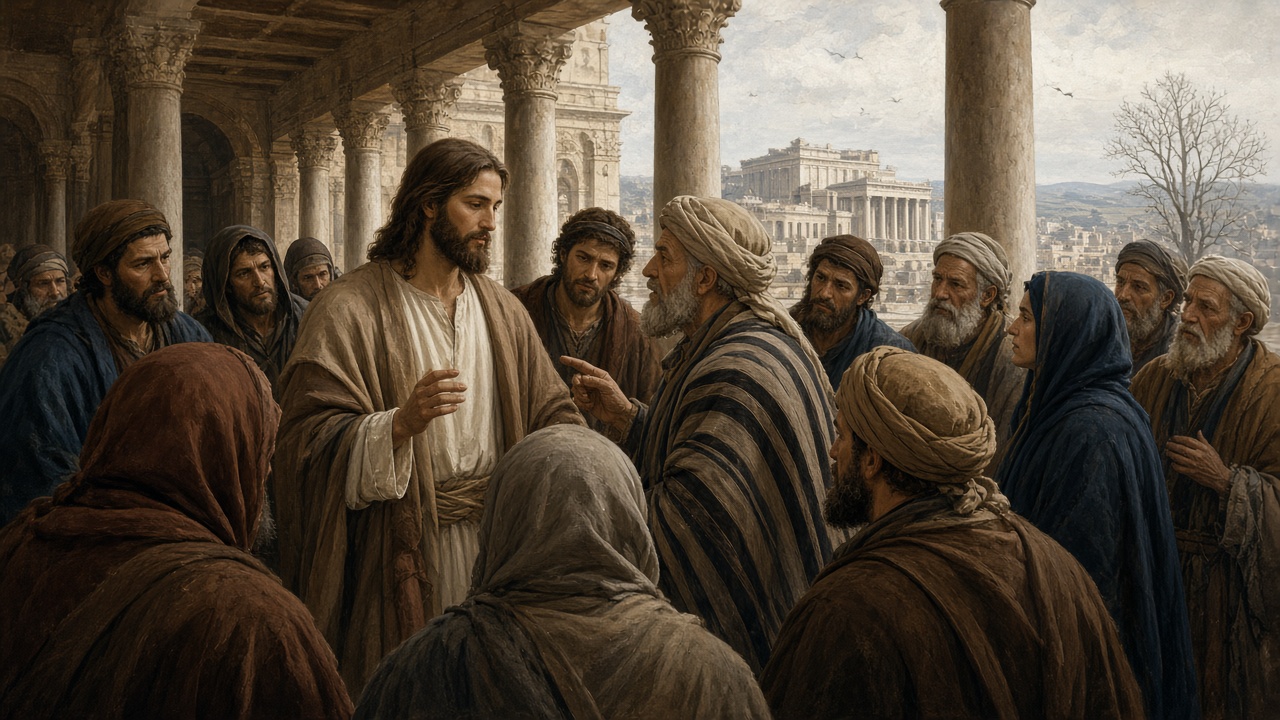
- During the Feast of Dedication in Jerusalem it was winter, and Jesus was walking in the temple courts in Solomon's Colonnade. The name Jerusalem, in a dual form, means "possession of peace" or "foundation of peace"; that form probably refers to the mountains of Zion and Moriah, or, as some suppose, to the upper and lower city. Solomon's Hebrew name, Shelomoh, means "peaceful."Sources: the Bible text itself · Jerusalem · Solomon
- A chronology of Gospel events dates the Good Shepherd teaching to AD 29, and dates a time of teaching and healing from Perea to Jerusalem to AD 30.Sources: The Good Shepherd Teaching · Teaching and Healing in Perea to Jerusalem
- Jesus then went back across the Jordan to the place where John had first been baptizing, and many people there believed in him. John was of priestly descent: his father, Zacharias, was a priest of the course of Abia, and his mother, Elisabeth, was of the daughters of Aaron. His birth, six months before that of Jesus, was foretold by an angel; those who came said that John never performed a sign, yet everything he had said about Jesus was true.Sources: the Bible text itself · John the Baptist
Notes written with AI assistance from open sources (Theographic Bible Metadata, CC BY-SA 4.0; Easton’s Bible Dictionary, public domain) and reviewed before publishing.
Places in this chapter
- Jerusalem · 31.777, 35.234 · verse 22
- Solomon’s Portico · Today: in Jerusalem · 31.777, 35.234 · verse 23
- Jordan · Today: Jordan River · 31.761, 35.558 · verse 40
Only places identified with high confidence are shown (90% or more according to the scholarly sources compiled by OpenBible). Period map: DARE (Digital Atlas of the Roman Empire), CC BY 4.0; modern map: © OpenStreetMap contributors; places: OpenBible.info (CC BY 4.0).
Credits and license for this translation
Elu Ọhụn: Ẹkụkwọ-Nsọ (Azụụn Ọhụn rịn'a)
Revision of New Testament in Ika
copyright © 2010 Wycliffe
Language: Ika
Translation by: Wycliffe
Ika (ikk) Nigeria
In Nigeria the word Ika is not only the name of the Ika
people, but is also used to designate a local government area in the Akwa Ibom
State. The Ika people are a sub group of the Igbo people. It is interesting to note
that Ika is the name of a town in Croatia is one of the eight Annang local
government areas of the local government areas in Akwa Ibom State. An alternative
name for the Ika people is Ika-Annang. There appears to be another dialect of Ika
that is spoken in Delta State of Nigeria.
Copyright Information
© 2010, Wycliffe. All rights reserved.
This translation text is made available to you under the terms of the Creative
Commons License: Attribution-Noncommercial-No Derivative Works. ( http://creativecommons.org/licenses/by-nc-nd/3.0/ ) In addition, you have
permission to port the text to different file formats, as long as you do not change
any of the text or punctuation of the Bible.
You may share, copy, distribute, transmit, and extract portions or quotations from
this work, provided that you include the above copyright information:
You must give Attribution to the work.
You do not sell this work for a profit.
You do not make any derivative works that change any of the actual words or
punctuation of the Scriptures.
Permissions beyond the scope of this license may be available if you contact us
with your request.
Printed book ISBN 9789789037056
Revision
The New Testament
in Ika
© 2010, Wycliffe. All rights
reserved.
This translation is made available to you under the terms of the
Creative Commons Attribution-Noncommercial-No Derivatives license 4.0.
You may share and redistribute this Bible translation or extracts from it in any format, provided that:
You include the above copyright and source information.
You do not sell this work for a profit.
You do not change any of the words or punctuation of the Scriptures.
Pictures included with Scriptures and other documents on this site are licensed just for use with those Scriptures and documents.
For other uses, please contact the respective copyright owners.
2019-08-09
Source: http://ebible.org/ikkNT/ · eBible.org