Ephesians 6
Elu Ọhụn: Ẹkụkwọ-Nsọ (Azụụn Ọhụn rịn'a) · Tap a verse to see its cross-references.
Ụmụ Lẹ Ndị Mụ Nị Wẹ
1Ụmụ, e humẹni ni ndị mụnị ụnụ isi kẹ Onyẹ-nwọnni-ẹnyi dọn ku ẹ, makẹni ọnwan wụ ihiẹn furu nị ụnụ mẹ. 2“Gbaye nẹdi i lẹ nnẹ i.” Ọnwan wụ iwu ibuzọ wẹ kwe nkwa chen'ẹ, sị, 3“kẹni ọ rị n'ị mma, y'e nwọn isi-nka elu ụwa.”
4Nẹdi lẹ nnẹ, akpasulẹ ni ụmụ ọnụ iwe, amamgbe ndụn a gụụ wẹ, ka e gi ni ọzụnzụn lẹ nkuzi Di-nwọnni-ẹnyi kwadọn a zụn wẹ.
Ndị Idibo Lẹ Ndị Wẹ Rị Okpuru Wẹ
5Ndị wụ idibo mọbụ igbọn, e gi ni egun lẹ ẹhụ ọmụma-nni e humẹni ndị ọnụ rị okpuru wẹ isi. E gichanrịn nị obi ụnụ ile e mẹ ẹ, nọkẹ sị Kraịstị kẹ ụnụ rị a gbaye. 6Ẹlẹkwọ id'ẹnya wẹ sụọ—ebe ụnụ n'a chọ nị wẹ ja ụnụ—kama, e gi ni akpakalị obi ụnụ e mẹ ya wụ uche Osolobuẹ—rịkẹ igbọn Kraịstị. 7A shịapụnị ẹfọ a rụn ọrụn ụnụ—nọkẹ sị ụnụ rị a rụnnị Di-nwọnni-ẹnyi ya, ẹlẹ ịhịan. 8Makẹni ụnụ a marịnghọ nị Di-nwọnni-ẹnyi jẹnkọ d'a kụ onyẹ-onyẹ ụgwọ ihiẹn-ọma ọwụlẹ o mẹ—kẹ igbọn rọ kẹ onyẹ nwọn enwẹn ẹ rọ.
9Ndị ịhịan rị okpuru wẹ, e mẹzikwọ nị wẹ ẹrịra. Erọnzilẹ ni wẹ egun. Ụnụ a marịnghọ nị ụnụ lẹ wẹ nwọn Nna ohu hụn rị enu-igwee—bụ ara gbeyeni ịhịan.
Ekikẹn-agha Onyẹ Nke Osolobuẹ
10Nke ịkpazụụn, zekẹnmẹ ni imẹ ihiẹn Di-nwọnni-ẹnyi; nwẹnkẹnmẹ ni ikẹn ẹ ahụn hi ogbe. 11Yiri ni ihiẹn-agha Osolobuẹ ile, kẹni ụnụ saẹka turu, gbọndọn ẹro Ekwensụ ile.
12Makẹni, ẹlẹ ịhịan (nwẹ ẹhụ lẹ ẹdeke) kẹ ẹnyi lẹ wẹ rị a dọ, eje-mmọn ichẹn-ichẹn kẹ ẹnyi lẹ wẹ rị a dọ: ndị-isi wẹ lẹ ndị-ọkịkị wẹ lẹ eje-mmọn ndị hụn a kị ishini gba elu-ụwa lẹ eje-ikẹn imẹ-mmọn ndị rị elu-igwere.
13Kọnrin ni nwan agha! Weri ni nwan ihiẹn-agha Osolobuẹ ile, kẹni ụnụ hụn ụzọ saẹka turu ogẹn eje-ụhụọhịn e gi bịa; kẹni ụnụ saẹka mẹchanrịn ihiẹn ile furuni, bụ ụnụ turuhụkwọ ebe ụnụ turu. Ekikẹn onyẹ-agha|src="WA04009b.jpg" size="col" loc="EPH 6" copy="Graham Wade; United Bible Societies" ref="6.13"
14Turukẹnmẹ ni nwan! Ụnụ e gi ezioku kẹnmẹ ukun nọkẹ akpụkpọ onyẹ-agha gi e kẹnmẹ ukun; ụnụ e yiri imẹ-ihiẹn-Chuku-chọ nọkẹ ẹwuru igwe ahụn onyẹ-agha gi e chedọn obi. 15Yiri ni adụdụ izi-oziọma hụn e wẹhẹ udọn ụkụ, gi n'ẹ hẹnrin akp'ụkụ, nọkẹ akp'ụkụ onyẹ-agha; 16imẹ ihiẹnni ile, buru ni okukwe, nọkẹ ịkpan onyẹ-agha, hụn ọnụ e gi saẹka e gbọndọn ụta ile rị e nwụn ọkụn hụn Eje-onyẹ hụ rị a gba; 17weri ni nzụọpụha Osolobuẹ zụọpụha ụnụ kpuru rịkẹ okpu onyẹ-agha, gi gbọndọn isi ọnụ; ụnụ e weri oku-Chuku hụn wụ ọpịa-agha Mmọn-nsọ, kwọndọn.
18E mẹ ni ekpere nọkẹ kẹ Mmọn-nsọ dọn chọ ogẹn ile; ụnụ e gi ụdị ekpere lẹ arịrịọ ọwụlẹ e sọn ihiẹn ile. Mụnrụn nị ẹnya ebe ekpere rị, anịlẹni ndụn gụụ ụnụ; e mẹ ni ni ndị nke Osolobuẹ ile ekpere. 19E mẹzikwọ nị nị mmẹ nwẹn ekpere, kẹni m shịapụ ọnụ nị m zi oziọma, Osolobuẹ e ye m ihiẹn m sikọ d'e ku; o wepụ m egun ẹnya, e kusi m'ẹ ikẹn; e mẹ m wẹ marịn ihiẹn rị imẹ oziọma— 20m yi nwan ẹgan makẹni m rị e zi ya wụ oziọma rịkẹ onyẹ-nnọkin ẹnya Kraịstị. E mẹ ni ni m ekpere nị m hụn ụzọ e kushi ẹ ikẹn k'o furu nị m'e ku ẹ.
Ekele Ịkpazụụn
21Ezi nwẹnẹ ẹnyi wụ Taịkikọsị, hụn wụzịkwọ onyẹ-ọrụn wẹ gi e dọn ẹnya imẹ Nna-ẹnyi k'a gwachanrịn ụnụ ihiẹn ile, kẹni ụnụ marịn k'ọ rị m lẹ ihiẹn m rị e mẹ. 22Ịya kẹ m zilanị nị ụnụ ya—nị ụnụ marịn kẹ ẹnyi ile nọ, kẹn'ọ hụn ụzọ kasịzịkwọ ụnụ obi. 23Udọn Chuku-Nẹdi lẹ Di-nwọnni-ẹnyi wụ Jesu Kristi ya rịnị ndị nke Kraịstị ile—'ya lẹ ihiẹn-ọsụsụọ hụn okukwe rị imẹ ẹ. 24Ẹfọma Osolobuẹ ya rịnị kẹ wẹ han nwẹ ihiẹn-ọsụsụọ ghalẹni a nwụn anwụn jẹnni Onyẹ-nwọnni-ẹnyi wụ Jesu Kristi.
Did you know?
Household duties, God's armor, and Tychicus
- This chapter presents the command to honor one's father and mother as the first commandment with a promise: that it may go well with you and that you may have a long life on the earth. It also tells fathers not to provoke their children to wrath, but to bring them up in the discipline and instruction of the Lord.Sources: the Bible text itself
- The chapter says the struggle is not against flesh and blood, but against rulers, authorities, the powers of this world's darkness, and spiritual forces of evil in the heavenly realms. Readers are urged to take up the full armor of God—a belt of truth, a breastplate of righteousness, feet fitted with the readiness of the gospel of peace, a shield of faith, a helmet of salvation, and the sword of the Spirit, which is the word of God—so they can stand when the day of evil comes.Sources: the Bible text itself
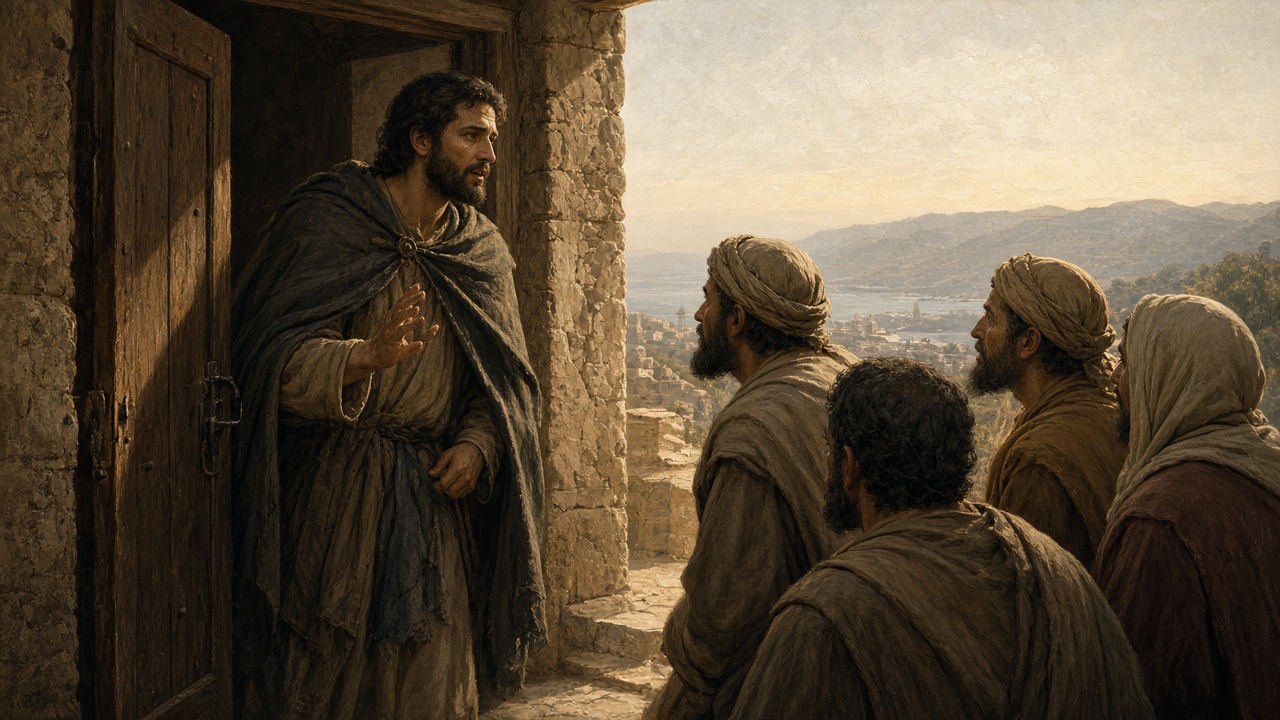
- The writer asks for prayer to proclaim the gospel fearlessly as an ambassador in chains, and sends Tychicus, the beloved brother and faithful servant in the Lord, to tell the readers how he is and to encourage them. Tychicus is described as an Asiatic Christian who, with Trophimus, accompanied Paul on part of the journey from Macedonia to Jerusalem and was with Paul at Rome, from where he was sent to Ephesus, probably to build up and encourage the church.Sources: the Bible text itself · Tychicus
Notes written with AI assistance from open sources (Theographic Bible Metadata, CC BY-SA 4.0; Easton’s Bible Dictionary, public domain) and reviewed before publishing.
Credits and license for this translation
Elu Ọhụn: Ẹkụkwọ-Nsọ (Azụụn Ọhụn rịn'a)
Revision of New Testament in Ika
copyright © 2010 Wycliffe
Language: Ika
Translation by: Wycliffe
Ika (ikk) Nigeria
In Nigeria the word Ika is not only the name of the Ika
people, but is also used to designate a local government area in the Akwa Ibom
State. The Ika people are a sub group of the Igbo people. It is interesting to note
that Ika is the name of a town in Croatia is one of the eight Annang local
government areas of the local government areas in Akwa Ibom State. An alternative
name for the Ika people is Ika-Annang. There appears to be another dialect of Ika
that is spoken in Delta State of Nigeria.
Copyright Information
© 2010, Wycliffe. All rights reserved.
This translation text is made available to you under the terms of the Creative
Commons License: Attribution-Noncommercial-No Derivative Works. ( http://creativecommons.org/licenses/by-nc-nd/3.0/ ) In addition, you have
permission to port the text to different file formats, as long as you do not change
any of the text or punctuation of the Bible.
You may share, copy, distribute, transmit, and extract portions or quotations from
this work, provided that you include the above copyright information:
You must give Attribution to the work.
You do not sell this work for a profit.
You do not make any derivative works that change any of the actual words or
punctuation of the Scriptures.
Permissions beyond the scope of this license may be available if you contact us
with your request.
Printed book ISBN 9789789037056
Revision
The New Testament
in Ika
© 2010, Wycliffe. All rights
reserved.
This translation is made available to you under the terms of the
Creative Commons Attribution-Noncommercial-No Derivatives license 4.0.
You may share and redistribute this Bible translation or extracts from it in any format, provided that:
You include the above copyright and source information.
You do not sell this work for a profit.
You do not change any of the words or punctuation of the Scriptures.
Pictures included with Scriptures and other documents on this site are licensed just for use with those Scriptures and documents.
For other uses, please contact the respective copyright owners.
2019-08-09
Source: http://ebible.org/ikkNT/ · eBible.org