Ephesians 4
Elu Ọhụn: Ẹkụkwọ-Nsọ (Azụụn Ọhụn rịn'a) · Tap a verse to see its cross-references.
Kẹ Mkpamkpa Ẹhụ Ile Dọn Wụrụ Ẹhụ Ohu
1Mmẹ, hụn wụ onyẹ-ngan makẹni m rị e jẹnni Di-nwọnni-ẹnyi ozi, rị nwan a rịọ ụnụ nị ụnụ bi obibi furu ọkpụkpọ Osolobuẹ kpọ ọnụ. 2E wenụachanrịn nị enwẹn ụnụ alị ogẹn ile; e mẹ ni jụụ; e gi ni ndidi e sọn ibe ụnụ. E gi ni ụzọnị a ghọsị ihiẹn-ọsụsụọ ọnụ nwẹ. 3Lịlịma nị ụzọ ile nị udọn rịsọnmẹ ẹgbata ọnụ, e kẹngbama ụnụ, kẹni ụnụ e gi ẹ e chedọn ịrị-ohu hụ hụn gha ẹka Mmọn-nsọ a bịa. 4Ẹhụ ohu lẹ Mmọn-nsọ ohu rị, nọkẹ k'o dọn mẹ ni olile-ẹnya ohu kẹ Osolobuẹ kpọ ụnụ d'e nwọn. 5Nna ohu rọ; okukwe ohu rọ; mirin-Chuku ohu rọ. 6Osolobuẹ ohu rọ—hụn wụ Nẹdi ịhịan ile, hụn wụ Nna ịhịan ile, hụn gi ịhịan ile a rụn, hụn rịzịkwọ imẹ ịhịan ile.
7Kanị wẹ yesọnmẹ onyẹ-onyẹ imẹ ẹnyi oyiye ichẹn-ichẹn nọkẹ kẹ Kraịstị dọn chọ n'o ye ẹ. 8Ya kẹ Ẹkụkwọ-nsọ gi sị,
“Ogẹn o gi lashi elu,
o weri ihiẹn hụ kẹn ịhịan ẹgbụn che imẹ ẹgbụn,
ọ nọ ye ndị ịhịan oyiye ichẹn-ichẹn.”
9(Ogẹn Ẹkụkwọ-nsọ gi sị, “Ọ lashi elu,” k'o gi nwan “Ọ lashi enu” e ku? Ya wụ n'o buzọ hidangụụ, shi ebẹhụ kachanrịn e mi imẹ anị. 10Ya wụ nị onyẹ ohu hụ hidannị wụzịkwọ onyẹ hụn lashi elu, ghafechanrịn elu-igwere, kẹni ọ hụn ụzọ gi enwẹn ẹ mẹjunkwama ihiẹn ile.) 11Ịya yesọnmẹ oyiye ndịnị: o nwẹ ndị o ye oyiye ịwụ ndị-ozi pụ-ichẹn, ye ndị ọzọ oyiye ịwụ ndị-amụma lẹ ndị e zi ozi Osolobuẹ sị wẹ zi, ye ndị ọzọ oyiye ịwụ ndị e jẹnhunmẹni e zi oziọma, ye ndị ọzọ oyiye ịwụ ndị ụkọ-Chuku lẹ ndị-nkuzi. 12O yesọnmẹ oyiye ndịnị n'o gi wẹ a zụn ndị-nke Osolobuẹ ile nị wẹ d'a rụn ọrụn Kraịstị lẹni o gi wẹ e mẹ ẹhụ Kraịstị wụ ụka a gha ihun rịkẹ ụlọ wẹ n'a tụnshi elu. 13O mẹ ẹ d'e ru ni ẹnyi ile a wụrụ ohu ebe okukwe lẹ ịmarịn Nwa Osolobuẹ rị, wụrụ ndị ka ẹhụ, sueruchanrịn ogo Kraịstị, nọchanrịn kẹ 'ya. 14O mẹ ẹ makẹ ẹnyi gha a wụzị ụmụẹka, ndị ẹbi e bushi ihun-lẹ-azụụn, ndị nkuzi ọwụlẹ e buhunmẹ kẹ ufere e buhunmẹsọnmẹ ihiẹn, ndị ịhịan gi nkuzi ẹro lẹ aghịghọ e dufie. 15Kama, nị ẹnyi a wụrụ ndị a gwa ibe ẹnyi ezioku, e gi ihiẹn-ọsụsụọ e mẹ ẹ, ẹnyi ile e gi ẹ e sue; ẹnyi e gi ẹrịra suekunrun Kraịstị, hụn wụ isi ẹhụnị, rịchanrịn kẹ 'ya. 16Ịya wụ Kraịstị gi ẹhụ. Makẹni, ịya mẹ ẹhụ ile gi nyangbamachanrịn ọhụnma-ọhụnma ghahanị akwanran ile rịn'a. Ịya rịzị e mẹ mkpamkpa ọwụlẹ a sa ẹka a rụn ọrụn run'ẹ ọhụnma, hụn ẹhụ ile gi a rị ikẹn, e sue, e nwẹwaye ihiẹn-ọsụsụọ.
Obibi Ọhụn Hụn Rị Imẹ Kraịstị
17Ya wụ, m rị e gi ẹfan Di-nwọnni-ẹnyi a gba ụnụ mkpịnsịn ẹka, a gbashi ụnụ 'ya ikẹn: ebizilẹ ni kẹ ndị hụn ghalẹni e fe Osolobuẹ, ndị iroro wẹ nwọnlẹni isi. 18Uche wẹ a gbagụọ ishi. Enwọn wẹ ndụn Osolobuẹ makẹni o nwọnni ihiẹn wẹ marịn ebe ezioku rị, obi wẹ kpọkinzịkwọ akpọkin. 19Makẹni, ifẹnrẹn arịzị wẹ ẹnya; e wechanrịngụọ wẹ enwẹn wẹ ye ihiẹn-ifẹnrẹn lẹ ihiẹn ile ru unyin rị ichẹn-ichẹn, a rịzị wẹ a sa ẹka e kwọndọn enwẹn wẹ.
20Kanị, ẹlẹkwọ ẹrịra kẹ wẹ kuzi ọnụ banyeni Kraịstị! 21Ẹghẹẹ, ụnụ a nụgụọ banyen'ẹ, ụnụ a mụgụọ ezioku hụn rị imẹ Jesu.
22Ụnụ a mụgụọ nị ụnụ jẹnkọ nwan d'a ma eje-obibi hụ ụnụ te rị e bi tuhu—onyẹ hụ ụnụ wụ mbụ hụn rehigụụ ihun lẹ azụụn, hụn ihiẹn ọlịla-ẹnya dufiegụụ. 23Mmọn ọnụ lẹ uche ụnụ k'a wụrịrị nke ọhụn; 24ụnụ e yiri onyẹ ọhụn hụ, hụn wẹ gi ụdị Osolobuẹ ke—hụn rị kẹ Osolobuẹ dọn chọ nke-esi, rị nsọ nke-esi. 25Ya wụ, atụzịlẹ ni ntụ! Kama, a gwa nị ibe ụnụ ezioku, makẹni ẹnyi lẹ ibe ẹnyi wụ ẹhụ ohu. 26Olulu nwẹ ikẹn bu i, ka anịl'a han ị mẹ njọ. Olulu y'e bulẹ i nị eki gi. 27Eyelẹ ni Ekwensụ efe.
28Onyẹ e zun ohin y'e zunzilẹ. Kama, ya rụnma ọrụn nwọnlẹni nkọrịanị, e gi ẹ e bi, e yezikwọ nị ndị mkpa kwọndọn ẹka. 29Anịlẹ ni eje-oku pụha ụnụ ọnụ, kanị, oku hụn a gba ịhịan umẹ, ban n'a erere imẹ ọnọdị ọ rị—kẹni oku ụnụ hụn ụzọ e yeni ndị hụn rị e gọn ntịn ẹka. 30Emẹkwọlẹ ni ihiẹn k'a fụ Mmọn-nsọ Osolobuẹ, makẹni ịya kẹ wẹ gi yimẹ ọnụ ahịma Osolobuẹ, makẹ ụhụọhịn hụ Osolobuẹ k'a gbafụha ndị nke ẹ. 31Wepụ nị iwe ile, olulu ile, ọnụma ile, oro ile, nkutọ ile lẹ eje-ihiẹn ile ịhịan gi e sọn ibe ẹ. 32Kama, e gi ni ẹfọma lẹ omikẹn e sọn ibe ọnụ, a gbagharị ibe ụnụ kẹ Osolobuẹ dọn nwan gbagharị ụnụ ghahanị Kraịstị.
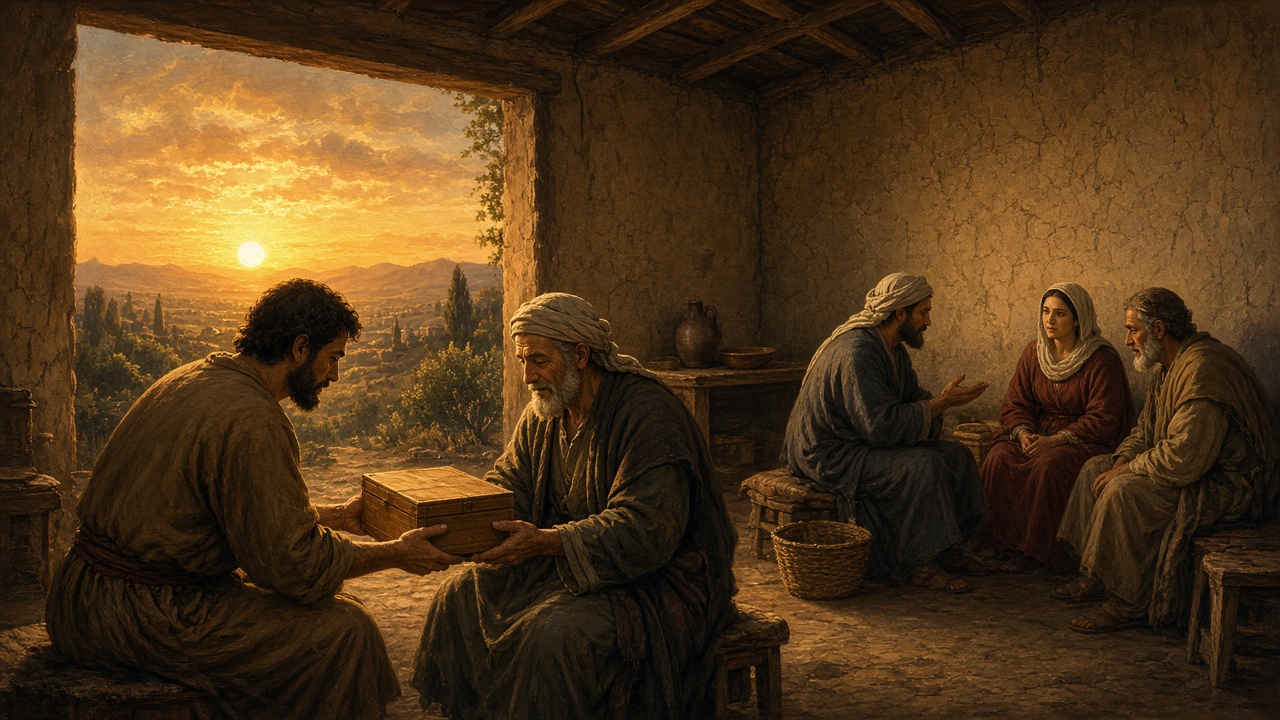
Did you know?
One Body and a Worthy Life
- The chapter opens with the writer calling himself a prisoner in the Lord and urging the readers to walk in a manner worthy of the calling they have received, with humility, gentleness, patience, and diligence to preserve the unity of the Spirit through the bond of peace.Sources: the Bible text itself
- That appeal rests on shared realities named in the chapter: one body, one Spirit, one hope, one Lord, one faith, one baptism, and one God and Father of all, who is over all and through all and in all. The same passage says that the one who ascended gave some to be apostles, some prophets, some evangelists, and some pastors and teachers, to equip the saints and build up the body.Sources: the Bible text itself
- The chapter then pictures a changed life as putting off the former way of life, the old self, and putting on the new self. It tells the readers to put away falsehood and speak truthfully, since they are members of one another; to be angry without sinning and not to let the sun set on their anger; and not to grieve the Holy Spirit of God, in whom they were sealed for the day of redemption.Sources: the Bible text itself
Notes written with AI assistance from open sources (Theographic Bible Metadata, CC BY-SA 4.0; Easton’s Bible Dictionary, public domain) and reviewed before publishing.
Credits and license for this translation
Elu Ọhụn: Ẹkụkwọ-Nsọ (Azụụn Ọhụn rịn'a)
Revision of New Testament in Ika
copyright © 2010 Wycliffe
Language: Ika
Translation by: Wycliffe
Ika (ikk) Nigeria
In Nigeria the word Ika is not only the name of the Ika
people, but is also used to designate a local government area in the Akwa Ibom
State. The Ika people are a sub group of the Igbo people. It is interesting to note
that Ika is the name of a town in Croatia is one of the eight Annang local
government areas of the local government areas in Akwa Ibom State. An alternative
name for the Ika people is Ika-Annang. There appears to be another dialect of Ika
that is spoken in Delta State of Nigeria.
Copyright Information
© 2010, Wycliffe. All rights reserved.
This translation text is made available to you under the terms of the Creative
Commons License: Attribution-Noncommercial-No Derivative Works. ( http://creativecommons.org/licenses/by-nc-nd/3.0/ ) In addition, you have
permission to port the text to different file formats, as long as you do not change
any of the text or punctuation of the Bible.
You may share, copy, distribute, transmit, and extract portions or quotations from
this work, provided that you include the above copyright information:
You must give Attribution to the work.
You do not sell this work for a profit.
You do not make any derivative works that change any of the actual words or
punctuation of the Scriptures.
Permissions beyond the scope of this license may be available if you contact us
with your request.
Printed book ISBN 9789789037056
Revision
The New Testament
in Ika
© 2010, Wycliffe. All rights
reserved.
This translation is made available to you under the terms of the
Creative Commons Attribution-Noncommercial-No Derivatives license 4.0.
You may share and redistribute this Bible translation or extracts from it in any format, provided that:
You include the above copyright and source information.
You do not sell this work for a profit.
You do not change any of the words or punctuation of the Scriptures.
Pictures included with Scriptures and other documents on this site are licensed just for use with those Scriptures and documents.
For other uses, please contact the respective copyright owners.
2019-08-09
Source: http://ebible.org/ikkNT/ · eBible.org