Ephesians 2
Elu Ọhụn: Ẹkụkwọ-Nsọ (Azụụn Ọhụn rịn'a) · Tap a verse to see its cross-references.
Wẹ Gha Ọnwụn Wepụha Ẹnyi Shi Ndụn
1Ogẹn mbụ, ọnụ wụ ndị nwụnnị, makẹ njọ lẹ mmẹfie 2ụnụ rị e mẹsọnmẹ. Ogẹn hụ, ụnụ e sọn eje-ụzọ ndị ụwa, e sọn onyẹ hụn ikẹn eje-mmọn rị elu rị okpuru ẹ, mmọn hụ hụn rị nwan ọrụn imẹ igunrun ndị hụ e nupụ-isi okpuru Osolobuẹ. 3Eziẹ, ẹnyi ile te rị e bi kẹ wẹ, e mẹ ihiẹn ọwụlẹ a sụọ ẹhụ ẹnyi lẹ obi ẹnyi, e bi k'ọ rị ẹnyi; e mẹ ihiẹn ọwụlẹ gụnnị ẹnyi lẹ ihiẹn ọwụlẹ la ẹnyi ẹnya. Iwe-lẹ-ọnụma Osolobuẹ te rịzịkwọ e che ẹnyi nọkẹ ndị ọzọ ile. 4Kanị, makẹni Osolobuẹ e mẹkẹ onyẹ-omikẹn, makẹni o nwẹ okẹn ihiẹn-ọsụsụọ ebe ẹnyi rị— 5kẹ ogẹn hụ ẹnyi te gidẹ wụ ndị nwụnnị makẹ njọ ẹnyi, ọ nọ gha ọnwụn wefụha ẹnyi, mẹ ẹnyi sọn Kraịstị rịzị ndụn.
Ẹfọma Osolobuẹ kẹ ụnụ gha nwẹ nzụọpụha.
6Ọ ghagụụ ọnwụn weli ẹnyi, ọ nọ wesi ẹnyi elu k'o dọn weshi Kraịstị, mẹ ẹnyi sọn Kraịstị nọdị anị imẹ elu-igwee—makẹni ẹnyi rị imẹ Kraịstị. 7Osolobuẹ mẹ ọnwan n'o gi ẹfọma hụn o mẹ ni ẹnyi imẹ Kraịstị mẹ elu ile lalanị marịn ẹfọma a—hụn wẹ ghalẹni a sa ẹka e kuchanrịn k'ọ han. 8Makẹni, ẹfọma kẹ Osolobuẹ mẹ ni ụnụ zụọpụha ụnụ ghahanị okukwe ụnụ, ẹlẹ ụnụ gi ẹka ụnụ mẹ ẹ, ihiẹn Osolobuẹ ye ụnụ ọfẹ rọ— 9ẹlẹ makẹ ihiẹn ịhịan rụn, amamgbe ịhịan e gi ẹ nyan isi. 10Ihiẹn Osolobuẹ mẹ ẹnyi wụrụ kẹ ẹnyi wụ. Osolobuẹ ya ke ẹnyi ye imẹ Kraịstị wụ Jizọsị, kẹni ẹnyi hụn ụzọ e mẹsọnmẹ ihiẹn ọma ndị hụ ọ kwademẹtọ nị ẹnyi ketekete nị uwẹ kẹ ẹnyi k'a gha e mẹsọnmẹ.
Ẹnyi Ile Wụ Ohu Imẹ Kraịstị
11Nyanhan nị nị ogẹn mbụ ụnụ wụ ndị alị ọzọ—ebe ẹhụ rị; ụnụ, hụn ndị Ju a kpọ “ndị kwalẹni ugun,” a kpọ enwẹn wẹ “ndị kwa ugun”—ọ sụọ n'a nị ugun wẹ rị e ku oku ẹ wụhụ nke ẹhụ sụọ, ihiẹn ẹka ịhịan e mẹmẹ. 12Nyanhan nị nị, ogẹn hụ, ụnụ enwọn Kraịstị; ogẹn ahụn, itumunyẹ kẹ ụnụ wụ ebe ikpun-ụlọ ile rị Izrẹlụ rị. Ụnụ e te rị imẹ nkwerigbama Osolobuẹ tumẹ ẹgbata ya lẹ ndị nke ẹ lẹ nkwa ndị o kwesọnmẹ imẹ ẹ. Ogẹn hụ, ụnụ bi enu ụwa bụ ụnụ e nwọn olil'ẹnya, ụnụ enwọn Osolobuẹ imẹ ndụn ụnụ.
13Kanị, makẹni ụnụ rị imẹ Kraịstị wụ Jizọsị, e gigụọ wẹ nwan ẹdeke Kraịstị, ya wụ ndụn a, wezụhan ụnụ hụn te rị ebe teni. 14Makẹni, Kraịstị lẹ enwẹn ẹ wụ udọn ẹnyi—makẹni o mẹgụọ ndị Ju lẹ ndị alị ndị ọzọ wụrụ ohu, o gigụọ ẹhụ a lẹ ọnwụn a titu mgbọn hụn te rị ẹgbata wẹ, ihiẹn hụ te rị ẹgbata wẹ, e buhẹ eṅẹnrẹn. 15O gigụọ ọnwụn ahụn ọ nwụn kagbu Iwu lẹ ụmụ-iwu lẹ ọdịnalị rịn'a. O mẹ ẹ kẹni o ke agbọ ọhụn, wẹ ile a wụrụ ohu imẹ ẹ, o gi wẹ nọkin ẹnya azụụn ẹbụbụọ hụn te rịnị, gi ụzọ ahụn wẹhẹ udọn ẹgbata wẹ—o mẹkọzị ndị Ju lẹ ndị wụlẹni ndị Ju, kanị ndị kwerini Kraịstị.
16Kraịstị mẹ ẹ kẹni o gizi ẹrịra wekinhẹnni Osolobuẹ azụụn ẹbụbụọ hụ imẹ ẹhụ ohu, ghahanị ọnwụn ọ nwụn elu obe; o gi ụzọ nị gbupụ iwe rị ẹgbata wẹ, wẹhẹ udọn.
17Ya Kraịstị nọ bịa d'e zi ịhịan ile ozi udọn hụ—kẹ ụnụ ndị anị ndị ọzọ hụn rị ebe teni kẹ ndị Ju hụn rị nsue. 18Ghahanị Kraịstị, ẹnyi ile a sa nwan ẹka a gha Mmọn-nsọ ohu a banhan ebe Nẹdi ẹnyi wụ Osolobuẹ rị, kẹ ndị Ju kẹ ndị alị ọzọ.
19Ya wụ, ụnụ ndị kwerini hụn wụlẹni ndị Ju ẹlẹzi itumunyẹ; ụnụ ẹlẹzi ndị alị ọzọ. Ụnụ e sọngụọ ndị nke Osolobuẹ, ndị nsọ, wụrụ ụmụ di-alị Alị-eze, wụrụzịkwọ ndị ikpun-ụlọ Osolobuẹ. 20Osolobuẹ a tụngụọ ụnụ rịkẹ ụlọ ye elu iyetọ hụn wụ ndị-ozi pụ-ichẹn lẹ ndị-amụma. Adansụ hụn gi ya wụ ụlọ wụ Jesu Kristi lẹ enwẹn ẹ. 21Ịya gi azụụn ile rị ụnọ hụ; ghahan'a kẹ ụlọ gi rị e jẹnwaye elu d'a wụrụ Ụlọ-ofufe rị nsọ imẹ Di-nwọnni-ẹnyi. 22Imẹ Kraịstị, wẹ hụ a tụn ọnụ lẹ enwẹn ọnụ, a tụnshi ụnụ enu imẹ-mmọn d'a wụrụ ebe obibi imẹ-mmọn hụn Osolobuẹ e bi ghahanị Mmọn-nsọ.
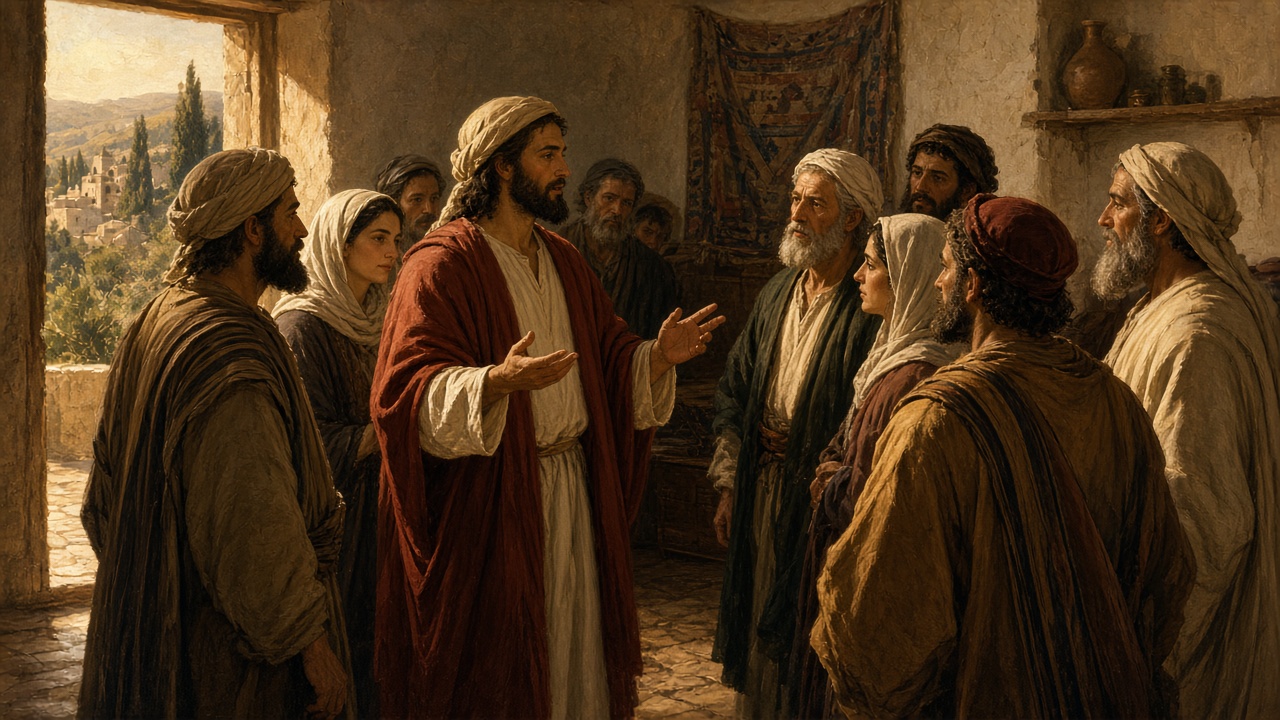
Did you know?
Made alive and brought near
- Ephesians 2 addresses readers who were dead in their trespasses and sins, conforming to the ways of this world and of the ruler of the power of the air. It says that God, rich in mercy, made them alive with Christ, raised them up with him, and seated them with him in the heavenly realms, and that they have been saved by grace through faith, not from themselves but as the gift of God, not by works, so that no one can boast.Sources: the Bible text itself
- Ephesians 2 reminds readers who are Gentiles in the flesh that they were called uncircumcised by the so-called circumcision, which the chapter describes as done in the body by human hands. It says that at that time they were separate from Christ, alienated from the commonwealth of Israel, and strangers to the covenants of the promise, without hope and without God in the world.Sources: the Bible text itself
- Ephesians 2 calls Christ himself our peace: he made the two one and tore down the dividing wall of hostility, abolishing in his flesh the law of commandments and decrees, to create in himself one new man and reconcile both to God in one body. He preached peace to those far away and those near, and through him both have access to the Father by one Spirit. The readers are no longer strangers and foreigners but fellow citizens with the saints and members of God’s household, built on the apostles and prophets with Christ Jesus as the cornerstone, and in him they too are being built together into a holy temple, a dwelling for God in his Spirit.Sources: the Bible text itself
Notes written with AI assistance from open sources (Theographic Bible Metadata, CC BY-SA 4.0; Easton’s Bible Dictionary, public domain) and reviewed before publishing.
Credits and license for this translation
Elu Ọhụn: Ẹkụkwọ-Nsọ (Azụụn Ọhụn rịn'a)
Revision of New Testament in Ika
copyright © 2010 Wycliffe
Language: Ika
Translation by: Wycliffe
Ika (ikk) Nigeria
In Nigeria the word Ika is not only the name of the Ika
people, but is also used to designate a local government area in the Akwa Ibom
State. The Ika people are a sub group of the Igbo people. It is interesting to note
that Ika is the name of a town in Croatia is one of the eight Annang local
government areas of the local government areas in Akwa Ibom State. An alternative
name for the Ika people is Ika-Annang. There appears to be another dialect of Ika
that is spoken in Delta State of Nigeria.
Copyright Information
© 2010, Wycliffe. All rights reserved.
This translation text is made available to you under the terms of the Creative
Commons License: Attribution-Noncommercial-No Derivative Works. ( http://creativecommons.org/licenses/by-nc-nd/3.0/ ) In addition, you have
permission to port the text to different file formats, as long as you do not change
any of the text or punctuation of the Bible.
You may share, copy, distribute, transmit, and extract portions or quotations from
this work, provided that you include the above copyright information:
You must give Attribution to the work.
You do not sell this work for a profit.
You do not make any derivative works that change any of the actual words or
punctuation of the Scriptures.
Permissions beyond the scope of this license may be available if you contact us
with your request.
Printed book ISBN 9789789037056
Revision
The New Testament
in Ika
© 2010, Wycliffe. All rights
reserved.
This translation is made available to you under the terms of the
Creative Commons Attribution-Noncommercial-No Derivatives license 4.0.
You may share and redistribute this Bible translation or extracts from it in any format, provided that:
You include the above copyright and source information.
You do not sell this work for a profit.
You do not change any of the words or punctuation of the Scriptures.
Pictures included with Scriptures and other documents on this site are licensed just for use with those Scriptures and documents.
For other uses, please contact the respective copyright owners.
2019-08-09
Source: http://ebible.org/ikkNT/ · eBible.org