Acts 9
Elu Ọhụn: Ẹkụkwọ-Nsọ (Azụụn Ọhụn rịn'a) · Tap a verse to see its cross-references.
Kẹ Sọlụ Dọn Gbehutọ Sọnmẹ Ụzọ Jesu
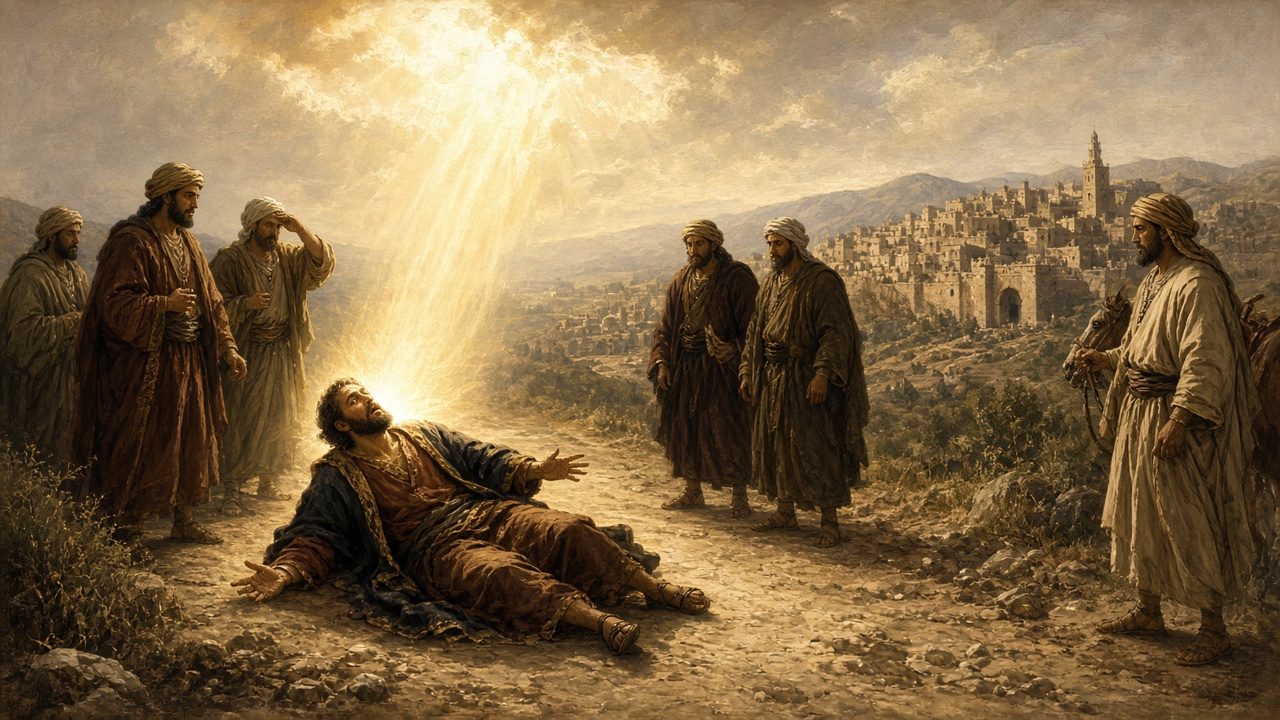
1Kanị Sọlụ hụkwọ a ban mban, e ku n'o k'e gbuchanrịn ndị ile e sọn Di-nwọnni-ẹnyi. Ya ọ nọ jẹnburu Onyẹ-isi nchụ-ẹjan, 2sị a deye ẹ ẹkụkwọ-ozi jẹnni ndị ụlọ-ofufe ndị Ju ile rịsọnmẹ Damas'kọsị, kẹni, ọ hụn onyẹ ọwụlẹ hụn e sọn Ụzọ-Jesu ebẹhụ, o kẹnmẹhẹn wẹ Jerusalẹm—kẹ ikẹnnyẹ kẹ ikpoho.
3Ogẹn o gi nwan jẹnkọ, nọchimẹmẹ Damas'kọsị, idẹnmizi, ukpẹ nọ gha elu-igwee nwunhunmẹ ẹ. 4Ọ nọ dan; ọ nọ nụ olu hụn sị a, “Sọlụ, Sọlụ, kị haịn i gi e kpokpo m?”
5Ọ nọ sị, “Onyẹ k'ị wụ, Di-nwọnni-m?” Olu hụ nọ sị, “Mmẹ wụ Jizọsị hụn ị rị e kpokpo. 6Ka lihi nwan, n'ị banye imẹ obodo, ebẹhụ kẹ wẹ k'a nọ gwa ị ihiẹn i jẹnkọ d'e mẹ.”
7Ikẹnnyẹ ndị 'ya lẹ wẹ wị turuhụ ebẹhụ—oku anịzịnị wẹ ku, makẹni wẹ nụ olu hụ bụ ahụnnị wẹ onyẹ ọwụlẹ. 8Ya Sọlụ nọ lihi ọtọ: ẹnya a hụkwọ e ti, kanị o leghazịnị ụzọ. Wẹ nọ kwọndọn ẹ ẹka, we ẹ ban obodo Damas'kọsị. 9O leghanị ụzọ, o rini, ọ ranị—ọrọgbọ akpụ-ụhụọhịn ẹtọ.
10Ogẹn hụ, onyẹ ohu w'a kpọ Ananayasị rị imẹ Damas'kọsị. Ananayasịnị rị ndị e sọn Ụzọ-Jesu. Ọ nọ hụn ọhụn ebe Di-nwọnni-ẹnyi nọ sị a, “Ananayasị!” Ọ nọ za, sị, “Di-nwọnni-ẹnyi, lee m.”
11Di-nwọnni-ẹnyi nọ sị a, “Lihi n'i jẹn ogele ahụn w'a kpọ Streti; i ru iwe Judasị, y'a jụ ukwere okẹnnyẹ ohu wụ onyẹ Tasọsị hụn w'a kpọ Sọlụ. Ọ rị e mẹ ekpere kikẹnni, 12ọ hụnọlẹ ọhụn ebe okẹnnyẹ ohu ẹfan a wụ Ananayasị banhan, bu ẹka kwasị a, kẹni ọ leghamazị ụzọ.”
13Kanị Ananayasị nọ za, sị, “Di-nwọnni-ẹnyi, ndị bu ọda a gwaọlẹ m oku okẹnnyẹni lẹ eje-ihiẹn ile o mẹ ndị-nsọ ị rị Jerusalẹm. 14Ọ rị nwan ebeni makẹni onyẹ-isi nchụ-ẹjan e yeọlẹ a ikẹn n'o gi nwụnrụn ndị ile a kpọku ẹfan ị.”
15Kanị Di-nwọnni-ẹnyi nọ sị a, “Jẹnmẹ, makẹni okẹnnyẹni kẹ m họrị n'ọ wụrụ ihiẹn-ọrụn m hụn k'e we ẹfan m jẹnni ndị alị ndị ọzọ wụlẹni ndị Izrẹlụ lẹ ndị-nze lẹ ndị Izrẹlụ; 16mmẹ lẹ enwẹn m jẹnkọ d'a ghọsị a okẹn afụnfụn o jẹnkọ d'e gi ufiri ẹfan m ta.”
17Ananayasị nọ jẹnmẹ. O ru ebẹhụ, ọ nọ banye imẹ ụlọ ahụn, bụ ẹka kwasị Sọlụ, sị a, “Sọlụ nwẹnẹ m, Di-nwọnni-ẹnyi wụ Jesu hụn ị hụn ụzọ ogẹn i gi lala zihẹ m—kẹni i leghamazị ụzọ lẹni Mmọn-nsọ jun imẹ i.” 18Ozigbo hụ, ihiẹn nọkẹ okpukpu-azụn nọ gha Sọlụ ẹnya danfụha, ọ nọ leghamazị ụzọ. Ya ọ nọ lihi, wẹ nọ mẹ ẹ mirin-Chuku; 19o rigụụ ihiẹn-oriri, ndụn nọzị ban a.
Ya lẹ ụmụ-azụụn Kraịstị rị Damas'kọsị nọ nọdị ụhụọhịn ole-lẹ-ole.
Sọlụ E Zi Oziọma Imẹ Damas'kọsị
20Ozigbo, ọ nọ kumẹ oku Jesu imẹ ụnọ-ofufe ndị Ju rịsọnmẹ ebẹhụ, a sị wẹ nị, “Okẹnnyẹni wụ Jesu wụ Nwa Osolobuẹ!”
21Ọ tụ kẹ wẹ han nụn'a ẹnya, wẹ hụ a sị, “Ọnwan ẹlẹ okẹnnyẹni te rị e kpokpo ndị hụn a kpọku ẹfannị imẹ Jerusalẹm? Ẹlẹ ya k'ọ bịanị nwan ebeni, kẹni ọ kẹnmẹnrin wẹ jẹnni ndị-isi nchụ-ẹjan?”
22Kanị Sọlụ hụ e zewaye imẹ ozi ọ rị e zi—nkesịnị ndị Ju bi Damas'kọsị asanị ẹka e sọn ẹ dọ makẹni ọ hụ a ghọsịchanrịn nị Jizọsị wẹ rị e ku oku ẹ wụ Kraịstị, Onyẹ Hụ Osolobuẹ Tumẹ.
Sọlụ A Wanahịn
23O tebe, ndị Ju nọ rin'ẹ ngo nị wẹ gbu ẹ. 24Kanị Sọlụ nọ nụ ihiẹn wẹ romẹ. Wẹ hụ e che nche ọnụ-mgbọn rịsọnmẹ obodo hụ uhinhin lẹ efinnaị nị wẹ gbu ẹ. 25Kanị ndị kweri oku ẹ rị e sọnn'ẹ nọ gi imẹ uhinhin bu ẹ che imẹ ụkpalị, gha oghere rị mgbọn obodo hụ dọ a ye azụụn hụn-ẹbọ. A gha wẹ oghe rị mgbọn obodo ahụn gi ụkpalị dọ Sọlụ ye alị, ọ nọ wanahịn|src="lb00333b.jpg" size="col" loc="ACT 9" copy="Horace Knowles; The British & Foreign Bible Society" ref="9.25"
Sọlụ A Bịa Jerusalẹm
26Ogẹn o gi ru Jerusalẹm, ọ nọ chọ n'ọ banyeni ndị rị e sọn Ụzọ-Jesu, kanị egun ẹ rị a tụ wẹ ile makẹni ekwerini wẹ n'ọ hẹnringụọ onyẹ nke Jesu. 27Ya kẹ Banabasị nọ nwan we Sọlụ jẹnni ndị-ozi ahụn pụ-ichẹn, kọwa nị wẹ kẹ Sọlụ dọn hụn Di-nwọnni-ẹnyi ụzọ, kọwazịnị wẹ nị Di-nwọnni-ẹnyi a gwagụọ Sọlụ oku; ọ gwazị wẹ kẹ Sọlụ dọn ku oku ẹfan Jizọsị imẹ Damas'kọsị, e ku ẹ e kusi ẹ ikẹn. 28'Ya lẹ wẹ nọ wịma imẹ Jerusalẹm, nị wẹ ile wụ ohu. Ọ hụ e ku oku Di-nwọnni-ẹnyi, e kushi ẹ ikẹn. 29Ọ hụ a gwa ndị Ju te rị alị ndị ọzọ hụn a sụ Griki oku Jesu, e sọn wẹ a dọ—kanị, wẹ hụ a chọ nị wẹ gbu ẹ. 30Ogẹn ndị kweri ni Kraịstị gi marịn nị wẹ rị a chọ nị wẹ gbu ẹ, wẹ nọ we ẹ si Sizarịa, gha ebẹhụ zipụ a si Tasọsị.
31Ya udọn nọ rịnị ndị ụka rị Judia lẹ Galili lẹ Samerịa. Mmọn-nsọ hụ a gba wẹ umẹ, wẹ hụ e zekẹnmẹ, e buwaye ọda, e gi egun Di-nwọnni-ẹnyi e bi.
Pita E Jẹn Lida lẹ Jọpa D'a Rụn Ọrụn Di-nwọnni-ẹnyi
32Ogẹn Pita gi rị e jẹnsọnmẹ ebe ile d'a hụn kẹ ndị ile kwerini nọ, ọ nọ jẹnzi d'e kunrun ndị kwerini bi obodo Lida. 33Ebẹhụ k'ọ nọ hụn okẹnnyẹ ohu ẹfan a wụ Ẹnasị, hụn dinẹni kete ahụa ẹsatọ enwaịn, makẹni ọrọ kinmin ẹ. 34Pita nọ sị a, “Ẹnasị, Jesu Kristi a zụọ ị nwan; lihi n'ị gbama bẹdi i!” Ya ọ nọ lihi ọtọ ozigbo hụ. 35Ndị ile bi Lida lẹ Sharọnụ nọ hụn Ẹnasị n'o lihigụọ, wẹ nọ rogharị, sọnmẹ Di-nwọnnị-ẹnyi.
36Ogẹn hụ, o nwọn okpoho ohu rị obodo Jọpa hụn e sọn ụzọ Jesu; ẹfan a wụ Tabita. (Ọnụ Griki Tabita wụ Dọkasị—ya wụ “Ele.”) O mẹ ọghọ ọda-ọda, e yezikwọ nị ndị igbẹnnyẹ ẹka ọhụnma-ọhụnma. 37Ogẹn hụ, emu nọ kụma a, ọ nọ nwụnhụn. Ogẹn wẹ gi wụgụụ a ẹhụ, wẹ nọ bu ẹ dinẹ imẹ mmughẹ rị ibe elu. 38Makẹni Lida nọkunmẹ Jọpa, ogẹn ndị hụn e sọn ụzọ Jesu gi nụ nị Pita rị Lida, wẹ nọ zi ikẹnnyẹ ẹbụọ d'a rịọ a, sị, “Dodo, bịakẹnrin d'e kunrun ẹnyi.” 39Ya Pita nọ lihi, sọnmẹ wẹ. Ogẹn o gi ru ebẹhụ, wẹ nọ w'ẹ si mmughẹ hụ rị ibe elu. Ndị ile di wẹ nwụn nọ fihunmẹ Pita, a kwan ẹkwan, a ghọsịsọnmẹ ẹ ẹwuru tueni lẹ ẹkwa ndị ọzọ Dọkasị kpa ogẹn o gi rị ndụn. 40Pita nọ sị wẹ ile pụ; ọ nọ gbu osekpu, mẹ ekpere. Ya ọ nọ gbehutọ, bu ihun zimẹ ozun hụ, sị, “Tabita, lihi.” Ya Tabita nọ shịapụ ẹnya. Ogẹn o gi hụn Pita, ọ nọ nọdị alị elu bẹdi. 41Pita nọ we ẹka a ye ẹ, yen'ẹ ẹka lihi ọtọ. Ya Pita nọ kpọ ndị-nsọ ile lẹ ikpoho ndị ahụn di wẹ nwụn, we Tabita ghọsị wẹ, wẹ nọ hụn a n'ọ rịzị nwan ndụn. 42Ihiẹnni nọ kpọgbarị Jọpa ile, ndị bu ọda nọ kweri ni Di-nwọnni-ẹnyi. 43Pita nọ nọdị Jọpa ụhụọhịn ole-lẹ-ole, iwe onyẹ ohu w'a kpọ Saịmọnụ, hụn a kwa akpụkpọ.
Did you know?
Saul's Conversion and Peter's Ministry
- The persecutor in this chapter is called Saul, a man from Tarsus. Saul was the name he received at circumcision, his Hebrew name at home; the name Paul was probably also given to him in infancy for use in the Gentile world. Tarsus, the capital of Cilicia, a Roman province in southeast Asia Minor, stood on the river Cydnus, navigable that far, was distinguished for its wealth from trade with Mediterranean lands and central Asia Minor, and was the seat of a famous university whose schools are described as rivaling those of Athens and Alexandria.Sources: Paul · Tarsus · the Bible text itself
- Damascus, which Saul was approaching with letters from the high priest so that he could bring men and women of the Way as prisoners to Jerusalem, is described as the most ancient of the cities of the East and the capital of Syria, about 133 miles north of Jerusalem. Ananias was sent to the house of Judas, a Jew of Damascus, on the street called Straight, a long broad street running east to west for about a mile and forming the city's principal thoroughfare, unlike the narrow and irregular streets usual in towns of the East. That street is identified with the street of bazaars, where a so-called house of Judas has been pointed out.Sources: Damascus · Straight Gate · Judas (Jew of Damascus) · the Bible text itself
- Lydda, where Peter found Aeneas, paralyzed and bedridden for eight years, lay about nine miles east of Joppa, on the road from that seaport to Jerusalem. Joppa stood on a sandy promontory about thirty miles northwest of Jerusalem and was the chief seaport of Judea. There the disciple Tabitha is also called Dorcas, a Greek name meaning gazelle; she was known for works of kindness and charity, and the widows showed Peter the tunics and other clothing she had made.Sources: Lydda · Joppa · Dorcas · the Bible text itself
Notes written with AI assistance from open sources (Theographic Bible Metadata, CC BY-SA 4.0; Easton’s Bible Dictionary, public domain) and reviewed before publishing.
Places in this chapter
- Damascus · 33.511, 36.306 · verses 2, 3, 8, 10, 19, 22, 27
- Jerusalem · 31.777, 35.234 · verses 2, 13, 21, 26, 28
- Straight Street · 33.509, 36.311 · verse 11
- Tarsus · 36.913, 34.892 · verses 11, 30
- Caesarea · Today: Caesarea Maritima · 32.500, 34.892 · verse 30
- Galilee · 32.760, 35.527 · verse 31
- Judea · Today: Judea 1 · 31.777, 35.234 · verse 31
- Samaria · Today: Samaria 2 · 32.276, 35.195 · verse 31
- Lod · 31.950, 34.900 · verses 32, 35, 38
- Sharon · Today: Sharon Plain · 32.400, 34.883 · verse 35
- Joppa · Today: Jaffa · 32.054, 34.753 · verses 36, 38, 42, 43
Only places identified with high confidence are shown (90% or more according to the scholarly sources compiled by OpenBible). Period map: DARE (Digital Atlas of the Roman Empire), CC BY 4.0; modern map: © OpenStreetMap contributors; places: OpenBible.info (CC BY 4.0).
Credits and license for this translation
Elu Ọhụn: Ẹkụkwọ-Nsọ (Azụụn Ọhụn rịn'a)
Revision of New Testament in Ika
copyright © 2010 Wycliffe
Language: Ika
Translation by: Wycliffe
Ika (ikk) Nigeria
In Nigeria the word Ika is not only the name of the Ika
people, but is also used to designate a local government area in the Akwa Ibom
State. The Ika people are a sub group of the Igbo people. It is interesting to note
that Ika is the name of a town in Croatia is one of the eight Annang local
government areas of the local government areas in Akwa Ibom State. An alternative
name for the Ika people is Ika-Annang. There appears to be another dialect of Ika
that is spoken in Delta State of Nigeria.
Copyright Information
© 2010, Wycliffe. All rights reserved.
This translation text is made available to you under the terms of the Creative
Commons License: Attribution-Noncommercial-No Derivative Works. ( http://creativecommons.org/licenses/by-nc-nd/3.0/ ) In addition, you have
permission to port the text to different file formats, as long as you do not change
any of the text or punctuation of the Bible.
You may share, copy, distribute, transmit, and extract portions or quotations from
this work, provided that you include the above copyright information:
You must give Attribution to the work.
You do not sell this work for a profit.
You do not make any derivative works that change any of the actual words or
punctuation of the Scriptures.
Permissions beyond the scope of this license may be available if you contact us
with your request.
Printed book ISBN 9789789037056
Revision
The New Testament
in Ika
© 2010, Wycliffe. All rights
reserved.
This translation is made available to you under the terms of the
Creative Commons Attribution-Noncommercial-No Derivatives license 4.0.
You may share and redistribute this Bible translation or extracts from it in any format, provided that:
You include the above copyright and source information.
You do not sell this work for a profit.
You do not change any of the words or punctuation of the Scriptures.
Pictures included with Scriptures and other documents on this site are licensed just for use with those Scriptures and documents.
For other uses, please contact the respective copyright owners.
2019-08-09
Source: http://ebible.org/ikkNT/ · eBible.org