Acts 27
Elu Ọhụn: Ẹkụkwọ-Nsọ (Azụụn Ọhụn rịn'a) · Tap a verse to see its cross-references.
E Gi Wẹ Ụgbọ-mirin Buru Pọlụ Jẹnmẹ Rom
1Ogẹn wẹ gi kubepụ a nị ẹnyi k'e jẹn Itali, wẹ nọ we Pọlụ lẹ ndị hụ imẹ ndị-ngan che ẹka onyẹ-isi-agha w'a kpọ Juliọsị, hụn a kị ndị-agha ọgụn-isẹn imẹ itu-agha-uku ndị Rom' ahụn w'a kpọ “Itu Eze-Ọgọstọsị.” 2Ẹnyi ile nọ banye ụgbọ-mirin gha Adramitum bịa, hụn rị a kwademẹ n'o jẹnsọnmẹ alị rị ichẹn-ichẹn rị Azụụn Eshịa rịsọnmẹ ẹhụ Ohimin hụn wẹ nọ a banye ụgbọ-mirin. Ụgbọ hụ nọ buru ẹnyi. Ẹnyi lẹ Arịstakọsị onyẹ Tẹsalonika hụn rị Azụụn Masẹdonia wị. 3Eki e fọn, ẹnyi nọ ru Sidọn'. Juliọsị nọ gi ẹka rị mma sọn Pọlụ, nị a jẹn d'a hụn ndị ọwụ a nị wẹ ye ẹ ihiẹn rị a mkpa. 4Ẹnyi nọ gha ebẹhụ buli si ohimin, a ghasọnmẹ ẹhụ alị Saịprọsị—makẹni ufere ẹnyi kunrun rị e bukin ẹnyi azụụn, ọ nịnị ẹnyi gbasọnmẹ ahanmahan ohimin. 5Ogẹn ẹnyi gi ghafegụụ ẹhụ alị Silisia lẹ Pamfilia, ẹnyi nọ fụha Mira hụn rị Azụụn Lisia. 6Ebẹhụ kẹ onyẹ-isi ndị agha hụ nọ hụn ụgbọ-mirin gha Alẹzandrịa jẹnkọ Itali, ya ọ nọ bu ẹnyi ile che imẹ ẹ.
Ijẹn A Fụma Ọrụn
7Ẹnyi nọ gbama ẹkẹrẹ-ẹkẹrẹ akp'ọhịn ole-nẹ-ole—ọ fụkẹnmẹkẹ ẹnyi ọrụn nị ẹnyi d'e ru Nidọsị. Ogẹn ufere gilẹni nị ẹnyi jẹnshi ihun ib'ẹka ahụn, ẹnyi nọ ghasọnmẹ mkpẹnrẹn Samonu hụn rị alị Kriti. Mirin nọhunmẹ alị Kriti. 8Ẹnyi hụ a gha mkpẹnrẹn-mkpẹnrẹn, kanị ọ fụkẹnmẹ ẹnyi ọrụn ọda nị ẹnyi d'e ru ebe w'a kpọ “Ebẹ-Rịchanrịn-Ụgbọ-Mma”, hụn nọchimẹ Lasịa. 9Makẹni ẹnyi e rigụọ ogẹn ọda-ọda, nke wụ nị ndị Ju e bugụọdẹ ọnụ ahụn w'e bu—ya wụ, ogẹn eje-ẹbi gi a kpọ ohimin hụ e rugụọlẹ, ẹnyi sị nị ẹnyi jẹnmẹzi, ijẹn jẹnkọ d'a jọ njọ, Pọlụ nọ dụn wẹ ọdụn, sị,
10“Ekele m ụnụ ile; a hụngụọ m'a nị ẹnyi jẹnkọ d'a banye eje-ọnọdị omẹni ẹnyi jẹnmẹzi, ihiẹn bu ọda jẹnkọ d'e huzịkwọ; ẹlẹdẹ ibu lẹ ụgbọ sụọ, kanị kẹzị ndụn ẹnyi.” 11Kanị onyẹ-isi-agha ahụn gi ihiẹn onyẹ-isi ụgbọ lẹ onyẹ nwọn ụgbọ ku dọn karị oku Pọlụ. 12Ebe o mẹ ni ebeni ụgbọ-mirin a nọdị a rị mma hụn w'a nọdị ogẹn winta, udu mirin-oyi-ọchan hụn a kpụ ọkpụkpụ, ndị ka ọda nọ kweri n'ọ ka mma nị ẹnyi jẹnmẹ. Wẹ rị a tụ ẹnya nị, ikẹnkwọ, wẹ k'a saẹka ru Finik'si d'a nọdị ebẹhụ ogẹn mirin-oyi-ọchan hụ. Finik'si wụ ebe ụgbọ e ziẹntọ alị Kriti, o bu ihun zimẹ ib'ẹka ndịdan ẹnya-anwụn.
Eje-ẹbi A Kpọma
13Ogẹn ufere rẹbẹrẹbẹ hụn a gha azụụn ndịdan-mirin a bịa gi femẹ, wẹ nọ ro ni a hụn wẹ ihiẹn wẹ rị a chọ; wẹ nọ tọfụ ụgbọ hụ ebe wẹ limẹ ẹ, ghasọnmẹ ụsụọ-ụsụọ ẹhụ alị Kriti. 14Kanị o ke mẹ-emẹ, okẹn ufere hụn a kpọkẹnmẹni nọ kpọma. “Nọt-ista” kẹ w'a kpọ ufere hụ, makẹni ọ gha azụụn ugu e feshi azụụn ọwụwa-ẹnya-anwụn. Ọ gha ib'ẹka Kriti fehẹ. 15Ọ nọ kpọkẹnmẹ ụgbọ hụ, ọ nịzịnị wẹ gbehutọ ụgbọ hụ zimẹ ufere hụ. Ya ẹnyi nọ la ụgbọ tọnị ufere hụ, ọ nọ buru ẹnyi jẹnmẹ!
16Ẹnyi nọ kụban azụụn ndịdan-mirin alị ohu mẹ ẹkẹrẹ w'a kpọ Kọda hụn rị etintinnaị Ohimin ahụn. Ọhụn e zuemẹ ụgbọ hụ ẹkẹrẹ. Ẹnyi nọ lịlịma wezụhan ụgbọ-nta rị ụgbọ hụ ebe w'a nọ saẹka dọbanhan a, kanị ọ fụ ẹnyi ọrụn ọda-ọda. 17Wẹ nọ dọbanhan ụgbọ-nta hụ imẹ ụgbọ. Ebẹhụ kẹ wẹ nọ gi eriri kẹnhunmẹ ụgbọ, kẹnkẹnmẹ ẹ. Makẹni egun rị a tụ wẹ amamgbe w'a sụnkụnma ẹjan ubom-Ohimin rị mkpẹnrẹn Sẹtisi, wẹ nọ gbatọpụ eriri wẹ gi kẹnmẹ igwe hụ nyịnnị w'a kpọ drag'ankọ, nu igwe hụ ye imẹ mirin—makẹ ụgbọ hụ ghazị a gbakẹnrin. Ya ufere nọ buru wẹ lẹ ụgbọ jẹnmẹ. 18Ẹbi hụ a kpọkẹnmẹ ẹnyi, e buhunmẹ ẹnyi, nke wụ nị, ogẹn eki gi fọn, wẹ nọ tụma ibu e ye imẹ mirin. 19Hụn m'ẹ akp'ọhịn ẹtọ, ọ nọ ru hụn wẹ gidẹ gi ẹka wẹ kpọn ihiẹn wẹ gi a rụn ọrụn imẹ ụgbọ-mirin ye imẹ mirin. 20Ogẹn o gi mẹ ni ẹnyi ahụnnị kẹ ẹnya-anwụn kẹ kokisẹ akp'ọhịn ole-nẹ-ole, bụ ẹbi rịkwọ a kpọkẹnmẹ ẹnyi, ẹnyi enwẹnzini olil'ẹnya nị ẹnyi jẹnkọ d'a hụn isi pụha.
Pọlụ A Nọ Imẹ Nsọngbu Hụ Kasị Wẹ Obi
21Makẹni w'e ke ri ihiẹn-oriri kete-ele-mgbe, Pọlụ nọ turu ọtọ imẹ igunrun wẹ, sị, “Ikẹnnyẹ, nkẹ ọnụ e gọn m ntịn nọdị Kriti. Omẹni ụnụ te gọn m ntịn, iwini ile e ke ti nwan. 22Kanị, m rị nwan a rịọ ụnụ, kwọndọn ni obi ụnụ makẹni o nwọnni onyẹ ọwụlẹ imẹ ụnụ jẹnkọ d'a nwụnnị—ụgbọnị sụọ jẹnkọ d'a na iwi. 23Makẹni mmọn-ozi Chuku bịa d'e kunrun m hụn uhinhin—Chuku ahụn m wụ nke ẹ, Chuku ahụn m rị e fe. 24Ọ sị m, ‘Pọlụ! Atụlẹ egun, i k'e tururịrị ihun Siza. Ọzọzị, Osolobuẹ e mẹgụọn'ị ọhụnma dọnmẹn'i ndị 'yụ lẹ wẹ rị imẹ ụgbọ, anwụnkọ wẹ.’ 25Kwọnkẹnmẹ ni nwan obi ụnụ, ikẹnnyẹ, makẹni m nwọn okukwe imẹ Osolobuẹ n'o jẹnkọ d'a rị kẹ wẹ dọn gwa m. 26Kanị ụgbọnị k'a zụnbanrịrị akpakalị, kụsị.”
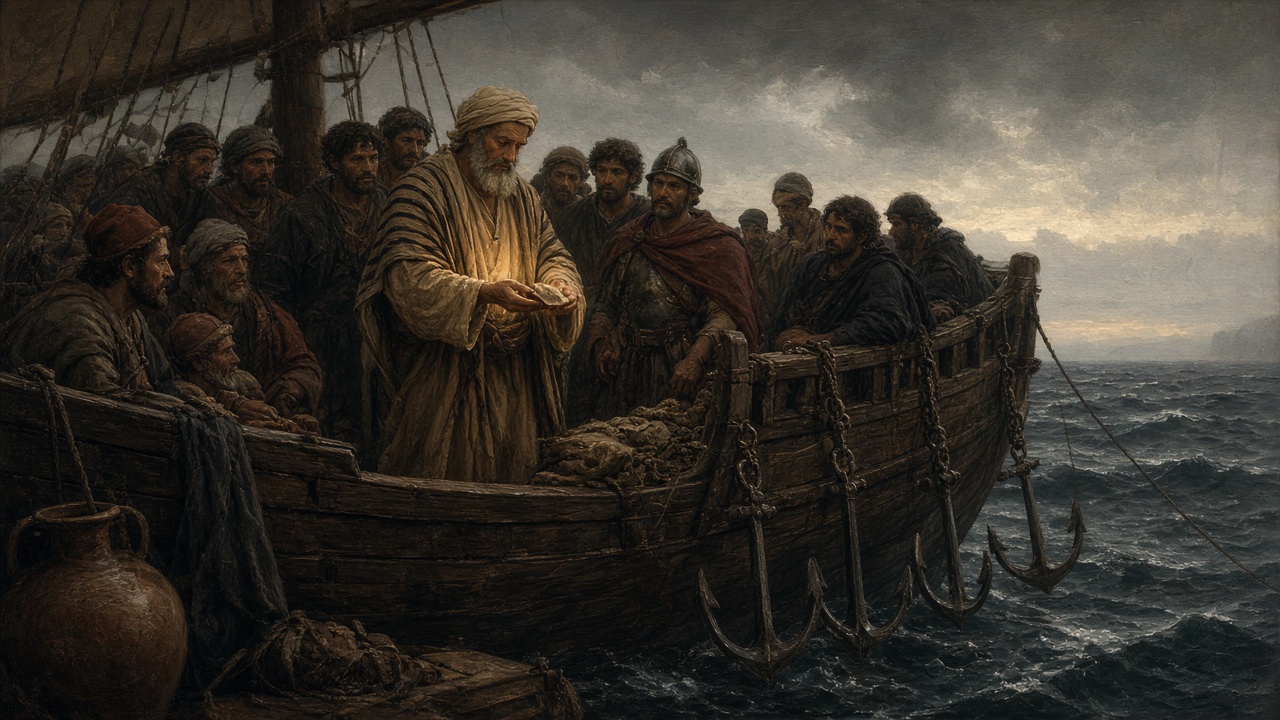
27Imẹ uhinhin hụn m'ẹ akp'ọhịn mmẹnọ, ogẹn ebiri-mirin hụ gi bukọ ụgbọ ẹnyi elu Ohimin Adrịa, o ru ihiẹn nọkẹ etintinnaị abalị, ọ nọ rị ndị a rụn imẹ ụgbọ kẹ sị alị rị nsue. 28Ya wẹ nọ gi eriri wẹ kẹnmẹye igwe lele kẹ mirin mihan, wẹ nọ hụn n'o k'e luepụ ogwe-nkụ ẹnọ; a gbaberi wẹ, wẹ nọ lelezi ẹ, wẹ nọ hụn a n'o minruzini ẹrịra, n'o k'e luepụ ogwe-nkụ ẹtọ sụọ. 29Makẹni egun rị a tụ wẹ nị ẹnyi jẹnkọ d'a sụnkụnma ọmụma, wẹ nọ gbatọpụ eriri ankọ ẹnọ rị ibe azụụn hụn wẹ gi e limẹ ụgbọ hụ, nị, ikẹnkwọ ọ hụn ụzọ zudọn alị; wẹ hụ e mẹ ekpere nị eki fọn kẹni wẹ legha ụzọ. Wẹ nọ gbatọpụ eriri ankọ|src="lb00218c.jpg" size="col" loc="ACT 27" copy="Horace Knowles; The British & Foreign Bible Society" ref="27.29"
30Kanị, ndị a rụn ọrụn imẹ ụgbọ hụ nọ wetu ụgbọ-nta ye imẹ mirin, chọma nị wẹ gi nzuzue gha imẹ ụgbọ pụ, gi ụgbọ-nta ahụn wanahịn; we hụ mẹ kẹ sị wẹ rị a gbatọpụ ankọ rị ihun ụgbọ. 31Ya kẹ Pọlụ nọ sị Kaptịn hụ lẹ ndị-agha a, “Manị ikẹnnyẹni nọdị imẹ ụgbọnị, ọnụ ile k'a nwụn.” 32Ya kẹ ndị-agha hụ nọ bepụ eriri wẹ gi kwọndọn ụgbọ-nta hụ, mirin nọ buru ụgbọ-nta hụ.
33Ụz'ụtụntụn biri-biri, Pọlụ nọ rịọ wẹ ri ihiẹn-oriri, sị, “Tannị mẹ ẹ akp'ọhịn mmẹnọ ụnụ rị ẹnịna, obi eruni ụnụ anị, ụnụ e rini ihiẹn-anaị. 34Dodo ni nwan, ri ni ihiẹn-oriri, o k'e yeni ụnụ ẹka rị ndụn wanahịn, makẹni o nwọnni onyẹ ọwụlẹ imẹ ụnụ jẹnkọ d'e tuhu kẹ akpụ ntutu ohu rị a isi.” 35Ogẹn o gi kugụụ ọnwan, ọ nọ weri brẹdi, ye Osolobuẹ ekele id'ẹnya wẹ ile, beri, rimẹ. 36Ya ndụn nọ ban wẹ ile, wẹ lẹ enwẹn wẹ nọ rimẹ ihiẹn-oriri. 37(Ẹnyi ile rị imẹ ụgbọ hụ rị madụ ẹnọ arịa ọgụn-mmẹnọ.) 38Ogẹn wẹ ile gi rijunchanrịngụụ ẹfọ, wẹ nọ tụ ọka-witi họdụ imẹ ụgbọ ye imẹ mirin makẹ ụgbọ gha a nyịnzị.
Ụgbọ Hụ E Tikpọchanrịn
39Eki e fọn, wẹ nọ legha alị ihun—bụ ndị hụ a marịn alị ọ wụ, kanị wẹ nọ hụn ngugu-mirin—ebe mirin nọ tụ ọnụ hi ogbe. Ẹjan rị mkpẹnrẹn ngugu-mirin ahụn. Ya wẹ nọ bu obi nị wẹ k'a nyanban ụgbọ ebẹhụ, omẹni o k'a nị wẹ mẹ. 40Wẹ nọ tọfụ ankọ ndị hụ ye imẹ mirin. Ebẹhụ kẹ wẹ nọzị tọlụlụa eriri ndị hụn kwọndọnsọnmẹ amala wẹ gi a nyan ụgbọ ahụn, wẹ nọ se eriri gi wesi ẹkwa rị ibe ihun hụn ufere gi e bu ụgbọ enu, zimẹ ni ufere kẹni ufere hụn ụzọ e bushi ụgbọ hụ ihun. Wẹ nọ nyanrịn ụgbọ hụ dọn ihun ngugu-mirin hụ kẹni ụgbọ wẹ kụsị mkpẹnrẹn ẹ. 41Kanị, ibe ihun ụgbọ hụ nọ zụnban ebe jọgbu enwẹn, sụnkụnma ẹjan, tọ ebẹhụ; ebiri-mirin nọ kpụkpọpụma ibe azụụn a. ebiri-mirin nọ kpụkpọpụma ụgbọ hụ kanị ndị hụ ile nọ wanahịn|src="lb00219b.jpg" size="col" loc="ACT 27" copy="Horace Knowles; The British & Foreign Bible Society" ref="27.41-44" 42Ndị-agha hụ te nọ chọ nị wẹ gbukwama ndị-ngan hụ, amamgbe w'e gu mirin pụ akpakalị, wanahịn.
Onyẹ Ọwụlẹ A Wanahịn
43Kanị, makẹni Kaptịn ndị-agha hụ chọ n'ọ zụọpụha Pọlụ, ọ nịnị wẹ mẹ ihiẹn wẹ ro. Kama, ọ sị ndị saẹka gu mirin wẹ buzọ tụban imẹ mirin gusi akpakalị; 44sị ndị họdụnị wẹ sọnmẹ wẹ, ndị hụ imẹ wẹ e kwọndọn ibe-osisi, ndị ọzọ e kwọndọn ibe ihiẹn ndị ọzọ gha ụgbọ hụ kpagipụha. Ẹrịra kẹ onyẹ ọwụlẹ mẹ ru alị mmaka; o nwọnni onyẹ nwụnhụnnị.
Did you know?
Storm and Shipwreck on the Way to Rome
- Paul and the other prisoners did not sail straight to Italy. At Caesarea they boarded a ship of Adramyttium, a city on the coast of Mysia in Asia Minor, bound for ports along the coast of Asia, a name Easton's Bible Dictionary takes in this verse as probably Asia Minor, and that ship carried them only as far as Myra in Lycia. There the centurion put them aboard an Alexandrian ship sailing for Italy; the dictionary notes that it was rare for a ship to sail from any port of Palestine direct to Italy.Sources: Adramyttium · Asia · the Bible text itself
- The prisoners were handed over to Julius, a centurion of the Imperial Regiment. Easton's Bible Dictionary identifies him as centurion of the Augustan cohort, or the emperor's body-guard, and describes his courteous regard for Paul. At Sidon, about twenty-five miles north of Tyre, he let Paul visit friends and receive care; later he blocked the soldiers' plan to kill the prisoners so that Paul's life would be spared.Sources: Julius · Sidon · the Bible text itself
- After Cnidus the ship worked along Crete, one of the largest islands in the Mediterranean, about 140 miles long and 35 broad, which Paul visited on this voyage to Rome. The account says the voyage had already become dangerous because it was after the Fast, and Fair Havens was unsuitable for wintering. One chronology dates the start of the journey to Rome to AD 56 and the shipwreck in the storm to AD 57.Sources: Crete · Journey to Rome begins · Paul is shipwrecked by a storm · the Bible text itself
Notes written with AI assistance from open sources (Theographic Bible Metadata, CC BY-SA 4.0; Easton’s Bible Dictionary, public domain) and reviewed before publishing.
Places in this chapter
- Italy · 41.892, 12.485 · verses 1, 6
- Adramyttium · Today: Oren · 39.501, 26.933 · verse 2
- Asia · 38.400, 28.300 · verse 2
- Thessalonica · Today: Thessaloniki · 40.638, 22.946 · verse 2
- Sidon · Today: Sandikli archaeological site in Sidon · 33.561, 35.372 · verse 3
- Cyprus · 35.000, 33.000 · verse 4
- Cilicia · 36.913, 34.892 · verse 5
- Lycia · 36.733, 29.900 · verse 5
- Myra · 36.259, 29.985 · verse 5
- Pamphylia · 37.000, 31.000 · verse 5
- Alexandria · 31.183, 29.896 · verse 6
- Cnidus · 36.686, 27.375 · verse 7
- Crete · 35.310, 24.893 · verses 7, 8, 12, 13, 14, 21
- Salmone · Today: Cape Sideros · 35.316, 26.312 · verse 7
- Fair Havens · Today: Kaloi Limenes · 34.930, 24.800 · verses 8, 12
- Lasea · Today: Lasaea · 34.941, 24.811 · verse 8
- Cauda · Today: Gavdos · 34.833, 24.083 · verse 16
- Syrtis · Today: Sidra · 31.500, 18.000 · verse 17
- Adriatic Sea · Today: Adriatic and Ionian Seas · 38.000, 19.000 · verse 27
Only places identified with high confidence are shown (90% or more according to the scholarly sources compiled by OpenBible). Period map: DARE (Digital Atlas of the Roman Empire), CC BY 4.0; modern map: © OpenStreetMap contributors; places: OpenBible.info (CC BY 4.0).
Credits and license for this translation
Elu Ọhụn: Ẹkụkwọ-Nsọ (Azụụn Ọhụn rịn'a)
Revision of New Testament in Ika
copyright © 2010 Wycliffe
Language: Ika
Translation by: Wycliffe
Ika (ikk) Nigeria
In Nigeria the word Ika is not only the name of the Ika
people, but is also used to designate a local government area in the Akwa Ibom
State. The Ika people are a sub group of the Igbo people. It is interesting to note
that Ika is the name of a town in Croatia is one of the eight Annang local
government areas of the local government areas in Akwa Ibom State. An alternative
name for the Ika people is Ika-Annang. There appears to be another dialect of Ika
that is spoken in Delta State of Nigeria.
Copyright Information
© 2010, Wycliffe. All rights reserved.
This translation text is made available to you under the terms of the Creative
Commons License: Attribution-Noncommercial-No Derivative Works. ( http://creativecommons.org/licenses/by-nc-nd/3.0/ ) In addition, you have
permission to port the text to different file formats, as long as you do not change
any of the text or punctuation of the Bible.
You may share, copy, distribute, transmit, and extract portions or quotations from
this work, provided that you include the above copyright information:
You must give Attribution to the work.
You do not sell this work for a profit.
You do not make any derivative works that change any of the actual words or
punctuation of the Scriptures.
Permissions beyond the scope of this license may be available if you contact us
with your request.
Printed book ISBN 9789789037056
Revision
The New Testament
in Ika
© 2010, Wycliffe. All rights
reserved.
This translation is made available to you under the terms of the
Creative Commons Attribution-Noncommercial-No Derivatives license 4.0.
You may share and redistribute this Bible translation or extracts from it in any format, provided that:
You include the above copyright and source information.
You do not sell this work for a profit.
You do not change any of the words or punctuation of the Scriptures.
Pictures included with Scriptures and other documents on this site are licensed just for use with those Scriptures and documents.
For other uses, please contact the respective copyright owners.
2019-08-09
Source: http://ebible.org/ikkNT/ · eBible.org