Acts 21
Elu Ọhụn: Ẹkụkwọ-Nsọ (Azụụn Ọhụn rịn'a) · Tap a verse to see its cross-references.
Pọlụ E Jẹnmẹ Jerusalẹm
1Ogẹn ẹnyi gi ghagụụ ebe wẹ rị pụ, ẹnyi nọ gi ụgbọ-mirin jẹnmẹ, ghafe ozigbo ru obodo Kọsị; eki e fọn, ẹnyi nọ ru Rodisi; ẹnyi nọ gha ebẹhụ si Patara. 2Ebẹhụ kẹ ẹnyi nọ chọrị ụgbọ-mirin jẹnkọ Finishịa, ẹnyi nọ banye, jẹnmẹ. 3Ẹnyi e ru ebe ẹnyi nọ leghama alị Saịprọsị, ẹnyi nọ nu ẹ ye azụụn ẹka-ekpẹn ẹnyi, ghasi ndịdan-mirin alị Saịprọsị nyanshi alị Siria; ẹnyi nọ nwan kụsị alị Taya—makẹni ebẹhụ kẹ ụgbọ ahụn jẹnkọ d'a nọ butu ibu. 4Ẹnyi nọ chọrị ndị rị e sọn Ụzọ-Jesu rị ebẹhụ, sọn wẹ nọdị izu-ụka ohu. Ghahanị ikẹn Mmọn-nsọ wẹ nọ sị Pọlụ ya ejẹnlẹ Jerusalẹm. 5Kanị, ogẹn ẹnyi lẹ wẹ gi nọgụụ, ẹnyi nọ pụ, jẹnmẹzi ebe ẹnyi jẹnkọ. Wẹ ile lẹ inyẹnmẹ wẹ lẹ ụmụ wẹ nọ gha imẹ obodo hụ dupụha ẹnyi, duru ẹnyi d'e rukwọrị mkpẹnrẹn mirin. Ẹnyi ile nọ sekpu alị mkpẹnrẹn mirin ebẹhụ mẹ ekpere, 6ẹnyi nọ sị ibe ẹnyi nọdị ọhụnma. Ẹnyi nọ banye ụgbọ-mirin jẹnmẹ, wẹ nwẹn nkẹ nọ lama.
7Ogẹn ẹnyi gi ghagụụ Taya pụ, ẹnyi nọ ru Tolemaịsị; ẹnyi nọ kele umunẹ ẹnyi imẹ Kraịstị rị ebẹhụ, sọn wẹ nọdị akp'ọhịn ohu. 8Eki e fọn ẹnyi nọ pụ, ẹnyi nọ ru Sizarịa; imẹ Sizarịa, ẹnyi nọ shi iwe Filipu hụn e zisọnmẹ oziọma d'e sọn ẹ nọdị. Filipu rị Madụ Ẹsa hụ wẹ họpụha imẹ Jerusalẹm ogẹn mbụ. 9Ụmụ Filipu ẹnọ wụ ịgbagba e bu amụma. 10Ẹnyi nọdị ebẹhụ akp'ọhịn ole-lẹ-ole.
Ogẹn hụ ẹnyi gi rị ebẹhụ, onyẹ-amụma ohu w'a kpọ Agabọsị nọ gha Judia bịa. 11Ọ nọ bịa d'e kunrun ẹnyi, weri akpụkpọ-ukun Pọlụ, gi ẹ kẹnmẹ enwẹn ẹ ụkụ lẹ ẹka, ọ nọ sị, “Mmọn-nsọ sị, ‘Ẹnịna kẹ ndị Ju rị Jerusalẹm k'a dọn kẹnmẹ onyẹ nwọn akpụkpọ-ukunni, w'ẹ che ẹka ndị wụlẹni ndị Ju.’ ” 12Ogẹn ẹnyi gi nụ ihiẹnni, ẹnyi lẹ ndị ọzọ rị ebẹhụ nọ rịọma Pọlụ makẹ ọ gha e jẹn Jerusalẹm. 13Pọlụ nọ sị, “Kị ụnụ rịdẹ e mẹ ihiẹnni—a kwan ẹkwan, e tiwa m obi? A kwademẹgụọ m nị m jẹnkọ Jerusalẹm—ọsụọn'a nị wẹ jẹnkọ d'e gbu m ebẹhụ makẹ ufiri ẹfan Di-nwọnni-ẹnyi wụ Jesu—ẹlẹdẹ nị wẹ kẹnmẹ m sụọ.” 14Ebe o mẹni ẹnyi asanị ẹka gbehutọ obi ẹ, o nwọnzini ihiẹn ẹnyi ku karị ịsị, “Uche Di-nwọnni-ẹnyi ya mẹ.”
15Ẹnyi a nọberi ebẹhụ, ẹnyi nọ kwademẹ, si Jerusalẹm. 16O nwẹ ndị rị e sọn Ụzọ-Jesu gha Sizarịa hụn sọnmẹzi ẹnyi, weri ẹnyi si iwe Nnasịn ebe ẹnyi k'a nọdị. Nnasịn wụ onyẹ ohu imẹ ndị ibuzọ kwerini, onyẹ anị Saịprọsị k'ọ wụ.
Ihiẹn Ndị-isi Sị Pọlụ Ya Mẹni Ụka Rị Jerusalẹm
17Ogẹn ẹnyi gi ru Jerusalẹm, ndị hụn kwerini nọ nabanhan ẹnyi ọhụnma-ọhụnma. 18Eki e fọn, ẹnyi lẹ Pọlụ nọ wịrị d'a hụn Jemisi; ndị-isi ụka ile rịzịkwọ ebẹhụ.
19Pọlụ e kelegụụ wẹ, ọ nọ gi uri-uri kọwachanrịn nị wẹ ihiẹn ile Osolobuẹ gi ọrụn 'ya wụ Pọlụ mẹ imẹ ndị alị ndị ọzọ wụlẹni ndị Ju.
20A nụgụụ w'a, wẹ nọ ja Osolobuẹ mma. Ya wẹ nọ sị a, “Pọlụ nwẹnẹ ẹnyi, y'a hụnọlẹ nwan ndị Ju madụ nnụ ole-lẹ-ole kwerini; wẹ ile nwẹ adụdụ Iwu Mozizi—w'a gi ẹ gu egu kaka. 21A gwagụọ wẹ wẹ nị ị rị a kuzi ndị Ju ile hụn bisọnmẹ alị ndị ọzọ wẹ latọ Iwu Mozizi, a sị wẹ a kwazịlẹ ụmụ wẹ ugun, w'e dọnmẹzilẹ omẹnalị ndị Ju.
22Kị ẹnyi e mẹ nwan? Wẹ k'a nụrịrị nị y'a bịagụọ. 23Mẹ nwan ihiẹnni ẹnyi jẹnkọ d'a gwa ị. O nwọn ikẹnnyẹ ẹnọ rị ebeni gi ẹfan Osolobuẹ kwe nkwa. 24Weri ikẹnnyẹ ndịnị, 'yụ lẹ uwẹ wịrị jẹn d'e mẹzu omẹnalị idọn-nsọ: y'a kụ nị wẹ ụgwọ w'e gi kọpụ wẹ ntutu. Ịhịan ile k'e gi ẹ marịn nị ezioku a rị imẹ ihiẹn wẹ nụ nị 'ya k'ị rị e mẹ, a marịnzịkwọ wẹ nị 'yụ lẹ enwẹn i e bi kẹ Iwu Mozizi dọn kụ. 25Kanị, nke ndị wụlẹni ndị Ju hụn kwerini, ẹnyi e zijẹngụọ nị wẹ ẹkụkwọ-ozi gwa wẹ ihiẹn ẹnyi kwerigbama wẹ sikọ d'e mẹ. Ẹnyi sị wẹ erilẹ ihiẹn ọwụlẹ wẹ gi rụa mmọn; w'e rilẹ ẹdeke mọbụ anụ ọwụlẹ wẹ rụkwọn olu; w'a ghẹrẹlẹ.”
26Ya Pọlụ nọ kweri. Eki e fọn, ọ nọ weri ikẹnnyẹ ndị hụ d'e mẹzu omẹnalị wẹ gi e dọn nsọ. Ogẹn ya lẹ wẹ gi mẹzugụụ omẹnalị idọn-nsọ, ọ nọ banye imẹ Ụlọ-nsọ d'e mẹ wẹ marịn akp'ọhịn ole idọn-nsọ hụ sikọ d'a nọru, wẹ kebe chụ nị onyẹ-onyẹ imẹ wẹ ẹjan.
A Nwụnrụn Wẹ Pọlụ Imẹ Ụlọ-nsọ
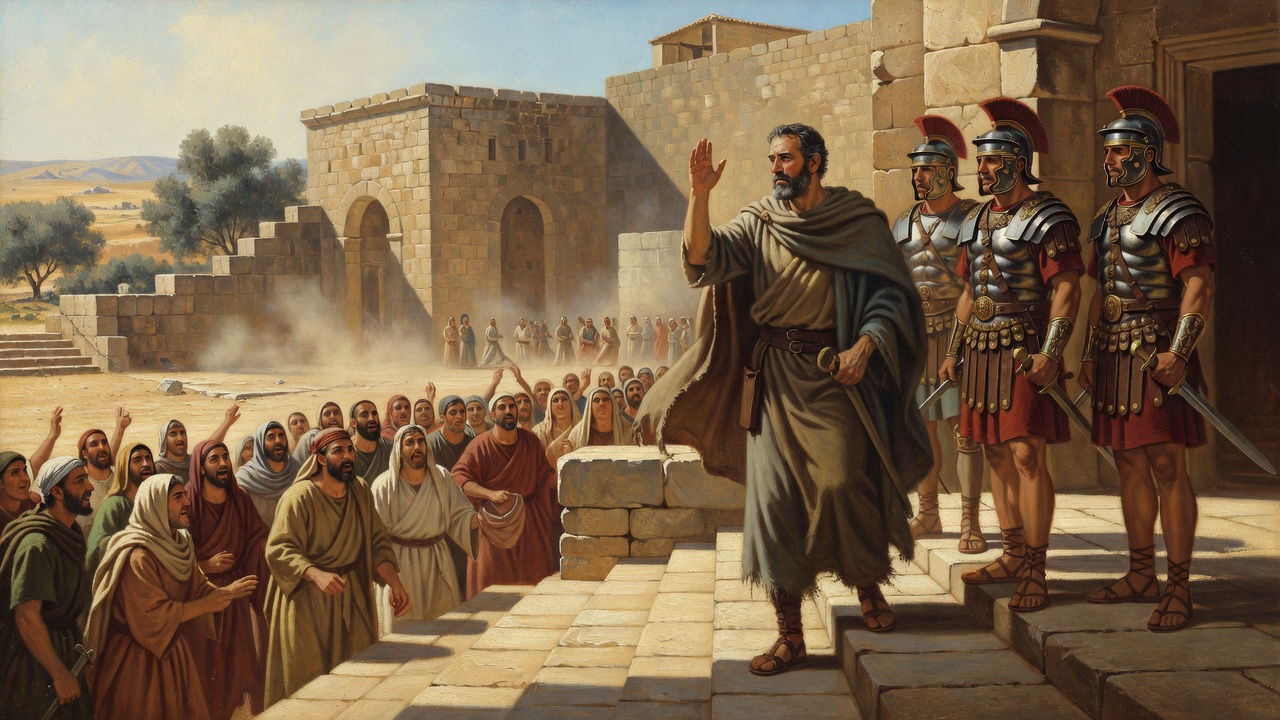
27Kanị, akp'ọhịn ẹsa hụ e d'e zugụụ, ndị hụ imẹ ndị Ju gha Eshịa bịa nọ hụn Pọlụ imẹ Ụlọ-nsọ. Wẹ nọ kpasu igunrun hụ ile, wẹ nọ kwọndọn Pọlụ, 28yimẹ oro, a sị, “Ndị Izrẹlụ! Bịa nị-o! Ọnwan wụ okẹnnyẹ hụ hụn e jẹnsọnmẹ ebe ile, a kuzi onyẹ ọwụlẹ, e kuja oku ndị Izrẹlụ lẹ Iwu ẹnyi wụ Iwu Mozizi lẹ Ụlọ-nsọ. Ẹlẹdẹ ọhụn sụọ, o webanhangụọzị nwan ndị wụlẹni ndị Ju imẹ Ụlọ-nsọ, mẹrụ ebeni rị Nsọ!” 29(Wẹ ku ihiẹnni makẹni wẹ hụn Trofimọsị onyẹ Ẹfẹsọsị lẹ Pọlụ imẹ obodo, wẹ ro ni Pọlụ e webanhangụọ a imẹ Ụlọ-nsọ.)
30Obodo hụ ile nọ susuhu, ịhịan ile nọ zụnpụha. Wẹ nọ kwọndọn Pọlụ, dọkpụnpụ a, kpọkinsọnmẹ ọnụmụzọ Ụlọ-nsọ ozigbo. 31Ogẹn wẹ gi rị a chọ nị wẹ gbu Pọlụ, ozi nọ ru onyẹ-isi-agha kanị a kị itu-agha ndị Rom hụn rị Jerusalẹm ntịn nị Jerusalẹm ile e susuhu. 32Ozigbo ahụn, onyẹ-isi-agha kanị hụ nọ werisọnmẹ ndị-agha lẹ ndị a kị ndị-agha ọgụn-isẹn, ọgụn-isẹn hụn rị okpuru ẹ, gi ọsọ kpọtụ, zụnban imẹ igunrun ahụn. A hụn wẹ ndị-agha hụ, ya wẹ nọ gbubehi Pọlụ. 33Onyẹ-isi-agha kanị hụ nọ jẹnburu Pọlụ, nwụnrụn a. Ọ nọ sị wẹ gi ẹgan ẹbụọ kpọma a; ya ọ nọ sị wẹ, “Onyẹ wụ okẹnnyẹni? K'o mẹ?” 34Igunrun hụ hụ e yi oro: ndịnị hụ e yi ihiẹn ohu, ndịnị hụ e yi ihiẹn ichẹn: onyẹ-isi-agha kanị hụ asazịnị ẹka chọpụha ihiẹn hụn mẹni makẹni isusu hụ e hikẹ. Ya ọ nọ sị ndị-agha a we Pọlụ si imẹ barakị, ebẹhụ uwẹ wụ ndị-agha bi. 35E jẹnru wẹ nkpọnyi wẹ gha e nyinban, ya kẹ ndị-agha hụ nọ buru Pọlụ makẹni ẹnya tumẹ igunrun hụ. 36Igunrun ahụn hụ e sọn wẹ, e yi, “Gbu n'ẹ! Gbu n'ẹ!”
Pọlụ E Kinrin Ọnụ A
37Ogẹn ndị-agha hụ gi rị a chọ nị wẹ weri Pọlụ si imẹ ebẹhụ wẹ bi, Pọlụ nọ sị onyẹ-isi-agha kanị hụ, “N'i cheri nị m gwa ị oku?” Onyẹ-isi-agha kanị hụ nọ jụ a, sị, “Y'a sụ Griki? 38Ya wụ, ẹlẹ 'yụ wụ onyẹ Ijiptu hụ bulụmanị ndị rị a kịnị, kịrị ndị ịkpatan nnụ iri ahụn shi imẹ atụ?” 39Pọlụ nọ sị, “M wụ onyẹ Ju. Tasọsị rị Azụụn Silisịa kẹ wẹ nọ mụ m. M wụ nwa di-alị Tasọsị, obodo rị mkpa. Dodo, nị m gwa ndịnị oku.” 40Hụn onyẹ-isi-agha kanị hụ gi ye ẹ efe n'o ku, Pọlụ nọ wuzo enu nkpọnyi, fe ẹka nị wẹ gba nkịntịn. Ogẹn wẹ gi gbagụụ nkịntịn, Pọlụ nọ gi asụsụ wẹ wụ Hibru gwa wẹ oku.
Did you know?
Paul's Journey to Jerusalem and Temple Arrest
- In Caesarea, the prophet Agabus delivered a vivid symbolic warning by taking Paul's belt and binding his own hands and feet. He foretold that the Jewish leaders in Jerusalem would bind Paul and deliver him into the hands of the Gentiles.Sources: Agabus · the Bible text itself
- During his journey, Paul stayed in Caesarea at the home of Philip the evangelist, one of the original Seven chosen to serve the early church in Jerusalem. Philip had four unmarried daughters who possessed the gift of prophecy.Sources: Phillip the Evangelist · the Bible text itself
- The violent riot that resulted in Paul's Roman arrest was sparked when Jews from the province of Asia assumed that Paul had brought Trophimus, a Gentile Christian from Ephesus, into the sacred temple courts.Sources: Trophimus · the Bible text itself
Notes written with AI assistance from open sources (Theographic Bible Metadata, CC BY-SA 4.0; Easton’s Bible Dictionary, public domain) and reviewed before publishing.
Places in this chapter
- Cos · Today: Kos · 36.815, 27.110 · verse 1
- Patara · 36.260, 29.314 · verse 1
- Phoenicia · 33.271, 35.196 · verse 2
- Cyprus · 35.000, 33.000 · verses 3, 16
- Syria · Today: Syria 2 · 33.511, 36.306 · verse 3
- Tyre · 33.271, 35.196 · verses 3, 7
- Jerusalem · 31.777, 35.234 · verses 4, 11, 12, 13, 15, 17, 18, 21, 31
- Ptolemais · Today: Acre · 32.921, 35.069 · verse 7
- Caesarea · Today: Caesarea Maritima · 32.500, 34.892 · verses 8, 16
- Judea · Today: Judea 1 · 31.777, 35.234 · verse 10
- Asia · 38.400, 28.300 · verse 27
- Ephesus · 37.939, 27.341 · verse 29
- Cilicia · 36.913, 34.892 · verse 39
- Tarsus · 36.913, 34.892 · verse 39
Only places identified with high confidence are shown (90% or more according to the scholarly sources compiled by OpenBible). Period map: DARE (Digital Atlas of the Roman Empire), CC BY 4.0; modern map: © OpenStreetMap contributors; places: OpenBible.info (CC BY 4.0).
Credits and license for this translation
Elu Ọhụn: Ẹkụkwọ-Nsọ (Azụụn Ọhụn rịn'a)
Revision of New Testament in Ika
copyright © 2010 Wycliffe
Language: Ika
Translation by: Wycliffe
Ika (ikk) Nigeria
In Nigeria the word Ika is not only the name of the Ika
people, but is also used to designate a local government area in the Akwa Ibom
State. The Ika people are a sub group of the Igbo people. It is interesting to note
that Ika is the name of a town in Croatia is one of the eight Annang local
government areas of the local government areas in Akwa Ibom State. An alternative
name for the Ika people is Ika-Annang. There appears to be another dialect of Ika
that is spoken in Delta State of Nigeria.
Copyright Information
© 2010, Wycliffe. All rights reserved.
This translation text is made available to you under the terms of the Creative
Commons License: Attribution-Noncommercial-No Derivative Works. ( http://creativecommons.org/licenses/by-nc-nd/3.0/ ) In addition, you have
permission to port the text to different file formats, as long as you do not change
any of the text or punctuation of the Bible.
You may share, copy, distribute, transmit, and extract portions or quotations from
this work, provided that you include the above copyright information:
You must give Attribution to the work.
You do not sell this work for a profit.
You do not make any derivative works that change any of the actual words or
punctuation of the Scriptures.
Permissions beyond the scope of this license may be available if you contact us
with your request.
Printed book ISBN 9789789037056
Revision
The New Testament
in Ika
© 2010, Wycliffe. All rights
reserved.
This translation is made available to you under the terms of the
Creative Commons Attribution-Noncommercial-No Derivatives license 4.0.
You may share and redistribute this Bible translation or extracts from it in any format, provided that:
You include the above copyright and source information.
You do not sell this work for a profit.
You do not change any of the words or punctuation of the Scriptures.
Pictures included with Scriptures and other documents on this site are licensed just for use with those Scriptures and documents.
For other uses, please contact the respective copyright owners.
2019-08-09
Source: http://ebible.org/ikkNT/ · eBible.org