Romans 16
Eta Táurinaquene máechajiriruvahi ema Viya eta viyehe, ticaijare puito Eta Nuevo Testamento · Tap a verse to see its cross-references.
Ema Pablo máemechajirisiha te macartane namutu ena máimatiqueneana machamuriana
1Nutuparacahe emutu échapajirisinanu eta suítecapauchiraheyare esu apana vichamuri Febe. Taicha ésu, tétavicavahi eta suítatiravacahi ena vichamuriana te avasare Cencrea. 2Tauri eta ejacapiraina esu, evapinavayare te máijare ema Viáquenu Jesucristo. Ímerecayare eta yátupirahi eparapehivare ésu eta echamurirahi tayehe eta véhiruhi. Ímicatacayare te jácani sucamunuiravana. Taicha ésu, camurianahi ena suímicataruanahi. Nútiripa, tétavicavahivare eta suímicatasiranuhi.
3Échajisinanuyare ema Aquila ésupa esu mayena Priscila. Vahi némitisicavaca éna eta nucachamurirahi tayehe eta vicaemataneasirahi ema Jesucristo. 4Ena, vahi nacatiequenehahini eta náitaresirana eta nacatiuchiranuhi. Nuhasulupayachavaca éna. Énerichuvare nahasulupayachavare namutu ena apamuriana vichamuriana apavasanana. 5Échajisinanuvare ena apamuriana vichamuriana tiúrujicavaráhianahi te napena ema Aquila ésupa esu Priscila. Échajisinanuvare ema némunaruquenehi nítunacasare Epeneto. Éma tínapucahi majacapahi ema Cristo apaicape te nuyanapa te Acaya. 6Échajisinanuvare esu María. Nusamairiricahi eta ichapemurirahi eta suímicatasirahehi éti. 7Échajisinanuvare ena nujaneanana Andrónico émapa ema Junias. Éna, nuchamurianainihi eta vicaeratairahi te cárcel. Tétavicavahi vémunasirahi éna viti apóstoleana. Éna, tínapucanahi nuyehe eta náehisirahi ema Cristo.
8Échajisinanuvare ema Amplias, émarichuvare némunaruquenehi eta véhisirahi ema Viáquenu. 9Échajisinanuvare ema Urbano, ema vichamurihi tayehe eta vicaemataneasirahi ema Viáquenu Jesucristo. Échajisinanuvare ema némunaruquene Estaquis. 10Échajisinanuvare ema Apeles. Yátupihi éma eta máimeresirahi tiúrihi eta máehisirahi ema Cristo. Échajisinanuvare ena machichanaveana ema víyarahaini Aristóbulo. 11Échajisinanuvare éma apanavare nujaneana Heredión. Énapa ena machichanaveana ema víyarahaini Narciso, tétavicavahi eta nasuapajiraivahi éna me Viáquenu Jesucristo. 12Échajisinanuvare esu Trifena ésupa esu Trifosa. Énarichuvare ticaemataneacanahi ema Viáquenu. Échajisinanuvare esu vémunaruquene vichamuri Pérsida. Tétavicavahivare eta sucaemataneasirahi ema Viáquenu. 13Échajisinanuvare ema Rufo. Éma, tétavicavahivare eta masuapirahi ema Viáquenu. Échajisinanuvare esu maena. Ésu, tímicutijiricavahi mémenahini eta nuyehe ésu. 14Échajisinanu ema Asíncrito, ema Flegonte, ema Hermas, ema Patrobas, ema Hermes. Échajisinanu ena vichamuriana tiúrujicavarahiana te napena. 15Échajisinanu ena Filólogo, ésupa esu Julia, ésupa esu Olimpas émapa ema Nereo, ésupa esu maparape. Échajisinanuvare ena vichamuriana tiúrujicavarahiana te napena.
16Puiti eta néchajisirahehi emutu eti nuchamuriana, nuvaraha nétserarecahe emutu te máijare ema Cristo. Ani te juca, téchajicaheana namutu ena apamuriana vichamuriana te tamutu avasareana.
17Nuparapenaveana, nuvaraha ecuneuchavare nayehe ena tipanerechanahi típutsimurihaheana taicha navarahahi tihapapicaheana eta te éhiruhi. Ena nani nacatianacahi eta juca vímiturapihi iáravahuhi. 18Érajicavayare eta nayehe, taicha éna vahi émainahini nacaemataneacahini ema Viáquenu Jesucristo. Énajivachucha navaraha tiúrichavana. Tétavicavahivare eta náitusirahi téchajiricavana. Títivehi eta náechajirisirava. Étachuchasera navarahahi tivayuarecana te nasamureana ena achaneana tijimuyapanereruana. 19Namutuhi tímatiheana éti, náechahivare eta esuapajiraivahi. Eta tacahe, tétavicavahi eta núrisamurevahi ícha. Ecajurucaseraini eta íchirahi eta táuriqueneana. Vahi ecuquicha eta tamauriqueneana. 20Nuti nucasiñavahi me Viya, máimicatasiraheya íputsicavaneya ena machanerana ema Satanás. Tásiha, tiúriyare eta íchararacavahi maicha ema Viya. Nuyaseacaparacavare ema Viáquenu Jesucristo táetaviuchahíni eta iúricacarevaya máicha.
21Téchajicahe ema Timoteo, ema nuchamurihi eta vicaemataneasirahi ema Viáquenu. Énapa ena nujaneanana: ema Lucio, ema Jasón, émapa ema Sosípater.
22Núti apana nuti Tercio, núti nájuchahi eta juca carta, néchajicahe núti apana te máijare ema Viáquenu Jesucristo.
23Téchajicahevare ema Gayo, ema nítecapaurehi te mapena. Étarichuhivare viúrujisirarevahi te viyujarasirana. Téchajicahevare ema Erasto, ema tayehehi secretario tésorerohi eta te alcaldía. Téchajicahevare ema viparape Cuarto.
24Nuyaseuchaheparaca emutu éti me Viáquenu Jesucristo, táetaviuchahíni eta iúricacarevaya máicha. Amén.
Eta táichecuaraqui eta macartane ema Pablo
25Nuvarahahi vácuticacaini eta vijirauchira ema Viya. Éma, mavarahahi tétumechaheya tayehe eta éhisirahi ema Viáquenu Jesucristo. Eta tacahehi eta nucametarairuirahi, nímitucavacahi namutu ena achaneana eta majacapiravacahi ema Viya eta nacasiñavairahi me Machicha. Acane eta táepaniravahi eta apaquehe, ema Viya Eterno mapanerechapa eta majacapirayare namutu ena achaneana ticasiñavanaya eta mayehe. Ena israelítana énapa ena apanapanenejiqueneana achaneana, namutu tijacapacareanayarehi. Étaripa eta náechajisihaqueneanahi ena víyarahanaini profetana tayehe eta Sagrada Escritura. Nájinasera nácaicutiarahini. Mapaenumavapa tímimatichanuhi núti ema Viya eta mapanereruhi.
27Ema Viya, ¡tétavicavahi eta máitupajijiasirava! ¡Macarichuhi tijirauchacarehi ticunachacarevare tayehe tamutu! ¡Máitavacacayarehi eta vihasulupayachirayare éma tivanecahavihi ema Jesucristo eta macuchucuirahaviyarehi! Amén. Tamutupa.
Did you know?
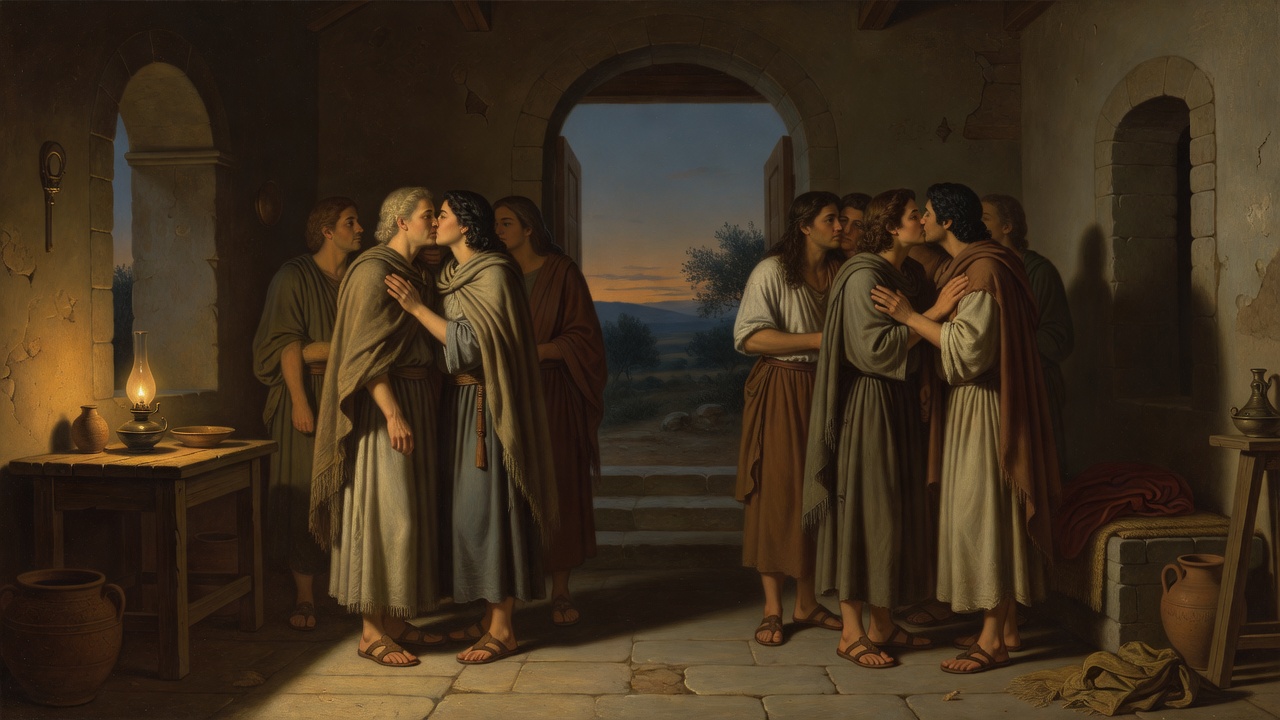
Greetings to the church in Rome
- Paul commends Phoebe, a servant of the church in Cenchrea, and asks the recipients in Rome to welcome her and help her with whatever she needs, because she has been a great help to many people, including him. Cenchrea was the eastern harbor of Corinth, about nine miles east of the city and the outlet for its trade with the Asiatic shores of the Mediterranean; Easton's Bible Dictionary (1897) says she was probably the bearer of this letter.Sources: the Bible text itself · Phebe · Cenchreae
- Paul greets Prisca and Aquila, his fellow workers in Christ Jesus, who risked their lives for him, and also the church that meets in their house; he says that not only he but all the churches of the Gentiles are grateful to them. Easton's Bible Dictionary (1897) calls her Priscilla and describes Aquila as a tent-maker from Pontus who, with his wife, left Rome because of a decree of Claudius in A.D. 50 commanding all Jews to leave the city; her name sometimes comes before his, as it does here.Sources: the Bible text itself · Priscilla · Aquila
- Near the close, Tertius, who wrote the letter down, adds his own greeting. Gaius, who has hosted Paul and all the church, also sends greetings, as do Erastus, the city treasurer, and Quartus.Sources: the Bible text itself
Notes written with AI assistance from open sources (Theographic Bible Metadata, CC BY-SA 4.0; Easton’s Bible Dictionary, public domain) and reviewed before publishing.
Places in this chapter
Only places identified with high confidence are shown (90% or more according to the scholarly sources compiled by OpenBible). Period map: DARE (Digital Atlas of the Roman Empire), CC BY 4.0; modern map: © OpenStreetMap contributors; places: OpenBible.info (CC BY 4.0).
Credits and license for this translation
Eta Táurinaquene máechajiriruvahi ema Viya eta viyehe, ticaijare puito Eta Nuevo Testamento
New Testament in Ignaciano (BL:ign:Ignaciano)
copyright © 2012 Wycliffe Bible Translators, Inc.
Language: Ignaciano
Translation by: Wycliffe Bible Translators, Inc.
Copyright Information
© 2012, Wycliffe Bible Translators, Inc. All rights reserved.
This translation text is made available to you under the
terms of the Creative Commons License: Attribution-Noncommercial-No Derivative Works.
( http://creativecommons.org/licenses/by-nc-nd/3.0/ )
In addition, you have permission to port the text to different file formats, as long as you
do not change any of the text or punctuation of the Bible.
You may share, copy, distribute, transmit, and extract portions
or quotations from this work, provided that you include the above copyright
information:
You must give Attribution to the work.
You do not sell this work for a profit.
You do not make any derivative works that change any of the actual words or punctuation of the Scriptures.
Permissions beyond the scope of this license may be
available if you contact
us with your request.
The New Testament
in Ignaciano
© 2012, Wycliffe Bible Translators, Inc. All rights reserved.
This translation is made available to you under the terms of the
Creative Commons Attribution-Noncommercial-No Derivatives license 4.0.
You may share and redistribute this Bible translation or extracts from it in any format, provided that:
You include the above copyright and source information.
You do not sell this work for a profit.
You do not change any of the words or punctuation of the Scriptures.
Pictures included with Scriptures and other documents on this site are licensed just for use with those Scriptures and documents.
For other uses, please contact the respective copyright owners.
2014-04-25
Source: http://ebible.org/ignNT/ · eBible.org