Revelation 21
Eta Táurinaquene máechajiriruvahi ema Viya eta viyehe, ticaijare puito Eta Nuevo Testamento · Tap a verse to see its cross-references.
Ticasipainapa eta anuma étapa eta apaquehe
1Nímahavarepa eta tacasipairaripahi, tamuturipahi arairu eta anuma étapa eta apaquehe. Tájinapa eta ichapequene une mar. 2Tásiha, nímahavarepa núti tiúcupaica eta tiúrina avasare. Ticaijarehi Arairu Jerusalén. Tétavicavahi eta tasantuva, taicha tásihapahi te anuma te mávihahi ema Viya. Tiúrinapahi eta tacaetupirihirahi, tacutihi te ticaetupirihi esu araimayare. 3Nusamavarepa muraca eta mahu ema ángele, tiásihahi te anuma. Ánipa macahe:
—Puiti, ema Viya macucupaicapa eta mapena te juca apaquehe. Áninapa macavasaya. Tiávahácahénapa eti achaneana. Yátupiquenénapa Ecaiyaqueneya éma. 4Tacahe, ema Viya macamitiasinaheyare eta íyairana. Váipavare épenaimahi. Váipavare ecatisamurevaimahi. Tájinapa ticaiyacahémahi. Váipavare ecatajivaimahi taicha tájinapa tiviuchahémahi —macahepa ema ángele.
5Tacahe, nusamavarepa eta mahu ema Viya ánipa macahe:
—Puiti tépanavapa arairu, tamutupa ticaitsiva nicha núti —macahepa.
Tásiha, máichanuvarepa ema ángele:
—Piájuchayare puiti eta juca, taicha yátupiqueneya eta táichararacavaya. Tamutuyare títauchava. Jéhevare eta tisuapacareana —máichanupa.
6Ánivarepa macahe ema Viya:
—Títauchavapa puiti tamutu eta nupanereruana. Nútira néchahi tamutu eta táepaniravahi eta apaquehe. Nútirichuvare néchahi eta táimiyaniravahi tiuri. Puiti núti nítauchapa tamutu. Eti emaunehi, núti níjaracaheyare eta máitavacaca une ticaitarecarahi. Tájina vahi evacharecaimahi. 7Tacutiquene, eti ecamichanahi, ímiyanavahi eta éhisiranuhi, níjaracaheyare tamutu eta júcana ícuchianayarehi. Núti ecaiyaqueneya, taicha nuchichaheyare éti. Núti néchaheya éti. 8Ticaicuñanayaresera namutu ena tipiturijiana, ena masuapajirairahana, ena máeperajiana, ena ticapahiana, ena túhusiana, ena iápemareana, ena ticasiñarajiana eta achanemirana, énapa ena tépiyahirahiana. Ticaquijianayare namutu éna tayehe eta náicuchi táijurequene yucu máitavacaca eta tamuruira, táetiraraisina eta tamuruira. Váhiquene tiúchucanaimahi tayehe —macahepa.
Eta arairu avasare Jerusalén
9Tacahe, tipauchanupa ema émana ángele nasietenehi ena ticaratacanahi eta siétequene escudilla tiámapahi eta siétequene ecuñaraquiana táiñehiqueneana. Tásiha, máichanupa:
—Yare. Nímechaviyare eta avasare, návihahi ena machanerana ema Cordero. Tímicutijiricavahi esu araima sucaetupirihiquenehi eta suítauchiravayare —máichanupa.
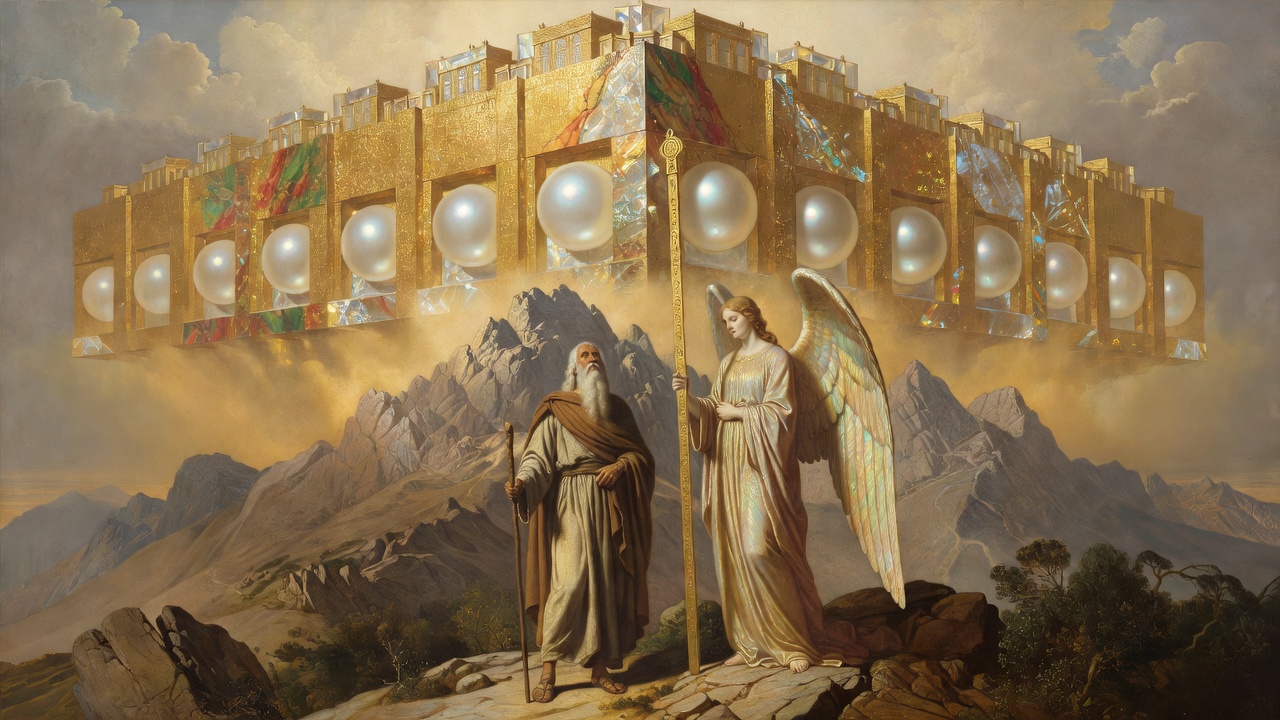
10Tásiha, ema Espíritu Santo tímimahanuhi eta mavarahaquene tímechanuya ema ángele. Ema ángele tiámanupa eta te tápusi eta ichapequene cerro anuquehequene. Tímechanupa eta táucupaisirahi eta avasare Arairu Jerusalén. Tétavicavahi eta tasantuva taicha tásihahi te anuma te mamirahu ema Viya. 11Eta juca avasare, tétavicavahi eta tajaraivapahi taicha tiámahi eta majaraivahi ema Viya. Eta táimahi eta tajaraivahi tacutiyareni eta tajanunusira eta márijahi tijararacahi. 12Te tachachacuana eta avasare, tatiarihi eta tacuti yúchama tímítutuche. Anuquehe eta táichapeva. Tatiarihi eta dócequene tapajacurana, távihahi eta ajureca náijare ena dócequeneanaini náchucanaini ena israelítana. Natiarihivare ena ángeleana tayehe eta tapajacurana. 13Tatiarihi mapana tapajacura te tinapaica eta táuchusine eta sache. Mapanavare tapajacura te tinapaica eta cajaha. Mapanavare tapajacura te tinapaica eta vana. Tásiha, eta mapanaquenevare te tinapaica eta tasiapine eta sache.
14Te apaquehe eta yúchama, tatiarihi eta doce márimeana táejahameruanahi eta yúchama. Támahi eta dócequene náijareana ena apóstoleana mayeheanahi ema Cordero.
15Ema ángele ema téchajicanuhi macaratacahi eta máicutiriqui úruqui, máicutichihayare eta tapajacurana étapa eta yúchamana. 16Eta avasare falaru eta táimahi. Eta táunava ticuticacahi eta tajuhe. Dos mil doscientos kilómetro eta táichapeva eta avasare. Ticuticacahi eta táunava, eta tánuqueva, étapa eta tajuhe. 17Máicutichavare eta yúchama. Sesenta y cuatro metro eta tánuqueva.
18Eta yúchama amairiha mari jaspe timájumeana. Eta avasare amairiha eta yátupiquene oro. Tijanunucahi tacuti eta cristale eta tajarahivahi. 19Eta márimeana tachunusipévanahi eta yúchama, tatiarihihi eta táurinaqueneana mari. Eta tínapuca tacayehehi eta mari ticaijare jaspe. Eta apana tacayehehi eta ticaijare zafiro. Eta apana tacayehehi eta ticaijare ágata. Eta apana tacayehehi eta ticaijare esmeralda. 20Eta apana tacayehehi eta ticaijare ónice. Eta apana tacayehehi eta ticaijare cornalina. Eta apana tacayehehi eta ticaijare crisólito. Eta apana tacayehehi eta ticaijare berilo. Eta apana tacayehehi eta ticaijare topacio. Eta apana tacayehehi eta ticaijare crisoprasa. Eta apana tacayehehi eta ticaijare jacinto. Eta téqueneha tacayehehi eta ticaijare amatista. 21Eta dócequene tapajana tacayehehi eta doce perla. Tayehepachuhi eta tapaja eta étana perla. Eta tínapuca calle, tacayehe eta yátupiquene oro, tijanunucahi tacuti eta cristale eta tajarahivahi.
22Te jena avasare, tájina nímahahini eta Templo nayujarasirarénahini. Tájina tácamunuhini eta nayujarasirareyare taicha matiarihihi ema Viya máitupajijihaquene máituruequenehavare tamutu, émapa ema Cordero. Návaháruhi namutu. 23Tacutiquene, vahi tácamunuhini eta sache étaripa eta caje eta tamicauchirainahini eta avasare. Taicha tamicauchahi eta majaraiva ema Viya, émapa ema Cordero. 24Tájina táimatiyaimahi ticaerata eta tapajana, taicha tájina timapicuina tayehe, tájinavare yátina. Tásiha, namutu ena achaneana te apanana avasareana macuchucureanahi ema Viya, ichape eta napicauchirayare eta Arairu Jerusalén, ichapevare eta nacunachirayare. Tisuapajirahianayarehi tayehe eta vanairipiana tásihaqueneanahi eta juca mávasa ema Viya. Énerichuvare ena aquenucana te avasareana, ichape eta námavahuanayare me Viya te jena avasare mávihahi éma.
27Tájina náimatiyaimahi tisiapana ena nachipejiqueneana énaripa ena tícharahiana eta tamaeperajivaqueneana énaripa ena ticaetemarahiana. Nacarichu tatuparaca tisiapanayare ena tatiarihi eta náijareana tayehe eta libro macarataru ema Cordero, tiama eta nalista ena náitareruanayare.
Did you know?
The New Jerusalem
- In this vision the city coming down from heaven is called the holy city, the new Jerusalem. Jerusalem was also known as the holy city and the city of God, and in Arabic it is el-Khuds, meaning the holy. Its name is in a dual form and means possession of peace or foundation of peace.Sources: the Bible text itself · Jerusalem
- The seer is carried in the Spirit to a great and high mountain and shown that holy city descending. Jerusalem is described as a mountain city enthroned on a mountain stronghold, and the dual form of the name probably refers to the two mountains on which it was built, Zion and Moriah, or, as some suppose, to the upper and lower city.Sources: the Bible text itself · Jerusalem
- The city wall has twelve gates, three on each side, inscribed with the names of the twelve tribes of Israel. Israel is another name for Jacob, explained as one who follows on another's heels, or as a supplanter.Sources: the Bible text itself · Jacob (Israel)
Notes written with AI assistance from open sources (Theographic Bible Metadata, CC BY-SA 4.0; Easton’s Bible Dictionary, public domain) and reviewed before publishing.
Places in this chapter
Only places identified with high confidence are shown (90% or more according to the scholarly sources compiled by OpenBible). Period map: DARE (Digital Atlas of the Roman Empire), CC BY 4.0; modern map: © OpenStreetMap contributors; places: OpenBible.info (CC BY 4.0).
Credits and license for this translation
Eta Táurinaquene máechajiriruvahi ema Viya eta viyehe, ticaijare puito Eta Nuevo Testamento
New Testament in Ignaciano (BL:ign:Ignaciano)
copyright © 2012 Wycliffe Bible Translators, Inc.
Language: Ignaciano
Translation by: Wycliffe Bible Translators, Inc.
Copyright Information
© 2012, Wycliffe Bible Translators, Inc. All rights reserved.
This translation text is made available to you under the
terms of the Creative Commons License: Attribution-Noncommercial-No Derivative Works.
( http://creativecommons.org/licenses/by-nc-nd/3.0/ )
In addition, you have permission to port the text to different file formats, as long as you
do not change any of the text or punctuation of the Bible.
You may share, copy, distribute, transmit, and extract portions
or quotations from this work, provided that you include the above copyright
information:
You must give Attribution to the work.
You do not sell this work for a profit.
You do not make any derivative works that change any of the actual words or punctuation of the Scriptures.
Permissions beyond the scope of this license may be
available if you contact
us with your request.
The New Testament
in Ignaciano
© 2012, Wycliffe Bible Translators, Inc. All rights reserved.
This translation is made available to you under the terms of the
Creative Commons Attribution-Noncommercial-No Derivatives license 4.0.
You may share and redistribute this Bible translation or extracts from it in any format, provided that:
You include the above copyright and source information.
You do not sell this work for a profit.
You do not change any of the words or punctuation of the Scriptures.
Pictures included with Scriptures and other documents on this site are licensed just for use with those Scriptures and documents.
For other uses, please contact the respective copyright owners.
2014-04-25
Source: http://ebible.org/ignNT/ · eBible.org