Matthew 8
Eta Táurinaquene máechajiriruvahi ema Viya eta viyehe, ticaijare puito Eta Nuevo Testamento · Tap a verse to see its cross-references.
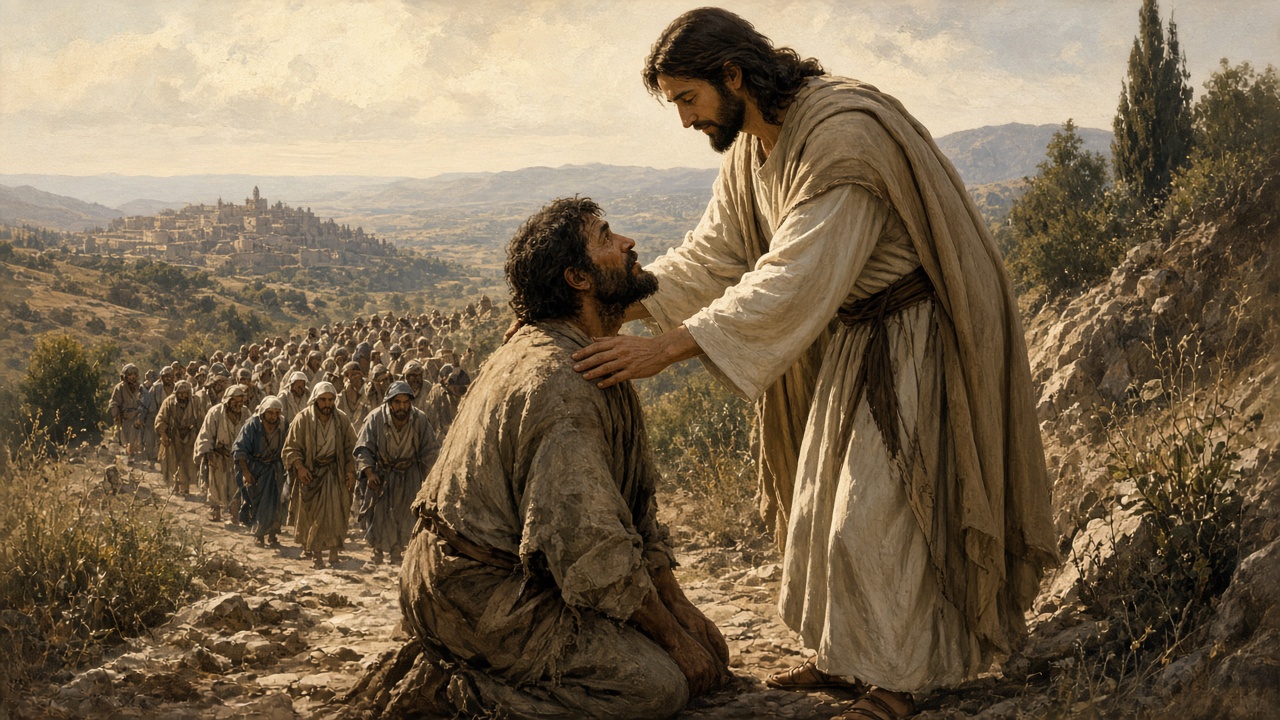
Ema Jesús macanaraca ema émana achane leproso
1Te tiúcupaicapa ema Jesús tayehe eta cerro te mávinehi, camuriana éna achaneana téhicanapahi. 2Tacahe, macahepaipa ema émana achane leproso. Témeñahavapa mayehe ema Jesús. Tépuyucapa te mamirahu. Tásiha, máichapa:
—Tata, nucasiñavahi eta piyehe, picanaracanupaini.
3Tacahe, ema Jesús majicapapa:
—Nuvaraha nucanaracavi. Tájinapa píchiravaina puiti —máichapa.
Máemamahacapa. Tásiha, enevanepa tinaracahi ema macajumaquenénihi eta máechajisirahi ema Jesús. 4Tásiha, ema Jesús máichapa:
—Pímaha, nacuija picumetaca eta nútirahi nucanaracavihi. Piyanavanesera pímerecava nayehe ena tuparairucana, apaesa náimamacavi. Énainapa timetajiricanainapa eta yátupirahi pinaraca, pipachihairapa. Piyanayareva me Viya. Picamavahuyarepahi eta pihasulupayachirayare taicha eta macanarasiravihi —máichapa ema Jesús.
Ema Jesús macanaraca ema mamusura ema capitán romano
5Tacahe, ema Jesús títecapapa tayehe eta Capernaúm. Matiarihihi ema achane apavasana. Comandantehi éma nayehe ena suntaruana romanoana. Capitán eta mávacure. Tiyanapa mapauchapa ema Jesús. 6Mayaserecapa, ánipa máicha:
—Tata, mararihi puiti te nupena ema amaperu numusura ticajumahi eta áire. Tétavicavahi tacativa masama. Pájapanupaini, picanarasinanupanaini éma —máichapa.
7Ema Jesús, majicapapa:
—Tiuri, nuyanayare nucanarapanayare —máichapa.
8Tásiha, ema capitán majicapapa:
—Tata, vahi picucaeñamacava eta pítesiraina eta nuyehe, taicha vahi táuricahini pisiapahini te nupenasami. Németeaca taratarichu picavanairipi eta picanarasiraya ema numusura. 9Taicha núti nusuapahi te tivanecanuana ena anuquehepananahi eta nuyehe. Nútiripa nusuapacarehivare nayehe ena nusuntaruranahi. Te nuvanecavaca, téhevare níchuhavacapuca, tisuapanuanahi. Te nuvanecapuca ema nuvaneru, enurujipa tisuapanuvane —máichapa.
10Te masamapa ema Jesús eta juca, ichaperinehi márami eta yátupirahi macasiñavairahi eta mayehe. Máichavacapa ena téhicanapahi:
—Nutupiruva numetacahe: Nájina nímaha émanaina vijaneana israelíta mácutihini ema maca achane apavasana eta macasiñavairahi eta nuyehe. 11Numetacahe puiti: Járajapainapa eta sache, náitecapiraya ena camuriqueneana achaneana apavasanana tiásihanayare te tamutu avasareana te juca apaquehe. Tisiapanayare eta mávasa ema Tata, te mávihahi ema viáchucaini Abraham, ema Isaac, émapa ema Jacob. Tétavicavainapa eta náurisamurevaya. 12Tacahe, tamapuruji eta náimatiequenehairahi ena vijaneanana israelítana eta máechajiriruva ema Tata, váhisera nácasiñavahini eta nuyehe. Eta tiviuchavacayarehi tayehe eta nacaicuñaiyaya eta te tamapicuquene te távihahi eta táijurequenehi yucu. Ticapitiquiahechavanainapa eta tacativayare nasama. Tíyahanainapa —máichapa.
13Tásiha, ema Jesús máichapa ema capitán:
—Piyana pichava te pipena. Tinaracaripa ema pimusura, taicha eta picasiñavairahi eta nuyehe —máichapa.
Tacahe, ema amaperu ticajumahi tinaracaripahi te jena hora eta náechajirisiravahi éna.
Ema Jesús macanaraca esu máimase ema Pedro
14Ema Jesús tiyanavarepa te mapena ema Pedro. Máimahapa esu máimase ema Pedro, ticajumahi eta muraca fiebre. Mapauchapa tayehe eta suívesihahi. 15Máemamahacapa, enevanepa táetaviacahi eta fiebre. Tinaracapa. Enurujipa téchepuca. Tásiha, tépanavapa ésu eta suítátirahi ema Jesús.
Camuriana ena macanararuanapahi ema Jesús
16Te yátipa, títecaparácanapaichucha ena achaneana. Námavacapaipa ena nacajumaqueneana, énapa ena návaháruana ena éreanana. Tacarichu te máechajiriruvachucha ema Jesús, macuchuchujicavacapaipa ena éreanana tiávahácanahi ena nacajumaqueneanahi. Macanaracavacapa ena apamuriana tisamanahi eta apana jumareana. 17Eta juca títauchavapahi eta táechajisihairahi eta májurehi ema víyarahaini profeta Isaías, ani tacahehi: “Masaminahavihivare eta vijumana eta macanarasirahavihi”.
Tituparacahavi vahi véñamavaimahi eta víjarasiravahi véhica ema Jesús
18Te máimahapa ema Jesús ena camuriqueneana achaneana nachayacahi, macavanairipipa ena máimitureana natsecava eta nánuesirayarehi te apachara cáquiure. 19Tacahe, ema émana escribáno témeñahavapa mayehe ema Jesús. Máichapa:
—Tata máestro, núti apana nuvaraha néhicavi te jácani pivarahaqueneyare piámianu —máichapa.
20Ema Jesús, ánipa tacahehi eta majicapirahi:
—Tamutu eta sárareana ticapenavaca. Énerichuvare eta cáyureana tamacajipachuvare. Nútisera nuti Manerejirunuhi ema Viya, tájina nuviya nusiapihahini —máichapa.
21Te apanavarepa sache, ema émana máimiture máichavarepa:
—Tata, nuyaseacavi písapanuhini nuchava te nupena. Nucuchapanumayarehini eta máepeniraya ema ticachichanu, nécaranumaya. Tásiha, nucapayacavipa néhicaviya —macahepa.
22Ema Jesús majicapapa:
—Péhicanuchucha. Pésamirica náecaracacaichaha ena máecharaireana. Tájina táijaracavimahi eta juca tihapasamurerecavihi —máichapa.
Ema Jesús macaesamirica eta táepacusirahi eta une étapa eta técaticava
23Te títapiricapa ema Jesús, tiávacuhapa te pacure. Énapa ena máimitureana, náehicapaipa éma. 24Te itupierecanapa, járajapapa eta muraca técaticava. Ichapevaca eta táepacuruhana. Tisiapapaipahi eta une tayehe eta pacure. Ema Jesús, tímacapaichucha éma. 25Tacahe, ena máimitureana tipiararecanapa eta napisirahi. Nacajamicapa éma. Ánipa náicha:
—Tata maestro, picatiuchahavi. Véricainapa —náichapa.
26Ema majicapavacapa:
—¿Tájaha tacayema epica? ¿Vahi ácasiñavapahini eta nutiarihirapahi eta eyehe? —macahepa.
Tásiha, téchepucapa. Macamatinacapa eta técaticava étapa eta une. Enevanepa tésamiricavahi eta táepacusirahi. Tájinapa táichiravainahini.
27Ena máimitureana ichaperinehi nárami. Ánipa nacahe:
—¡Tétavicavahi eta máitupajijiasiravahi! ¡Jéhesare, yátupiquene eta émairahi machichahi ema Viya! ¡Taicha tamutu tasuapahi, macamatinacahi eta técaticava étapa eta une eta táepacusirahi! —nacahepa.
Ena apinana ajairana návaháruana ena ichapemuriqueneana éreanana
28Te títecapapa ema Jesús te apachara eta cáquiure te apaquehe Gadara, tiúchujicanapa te ecari ena apinana ajairana, návaháruanahi ena éreanana. Tétavicava eta náiñehivavacahi. Náehayarehi nácani tiánucuhanapahi. Tacahe, napauchapa ema Jesús. 29Tipiararecanapa, ánipa nacahe:
—¿Tájaha picha píteca pipauchahavi piti Jesús, Machichaquenevihi ema Viya? ¿Pivarahapa picaetemajiricahaviyare víti? ¡Pájapanuhavi, vuíchaha picuvanecahavi tayehe eta vicaicuñaiyayare! —nacahepa.
30Tásiha, tatiarihihivare nacachacayahi eta camuriqueneana cúchiana tinihicanahi. 31Ena éreanana nayaseacapa ema Jesús. Ánipa náicha:
—Te piáquijicahaviyarepuca, picatajicahavi. Písapahavi visiapahacavaca eta jena cúchiana —náichapa.
32Tacahe, ema Jesús máisapapa:
—Tiuri, eyana esiapahacavaca —máichapa.
Tacahe, tiúchucanapa ena éreanana nayehe ena návaháruanainihi. Tiáramemurihanainehi eta cúchiana. Tijunaparacanapa témiririjicanapa te tachausi eta cáquiure. Téririjicanapa. 33Ena tijanearecanainihi eta cúchiana tiyananapa tijunana tayehe eta avasare. Timetajiricanapa eta náimairahi, étapa eta nanarasirahi ena návaháruanahi ena éreanana. 34Tacahe, tiyananapa ena achaneana te mávihahi ema Jesús, náimahapanahi. Te náimahapa éma, nayaseacapa vahi macuitecapahini te návasa, machavahini te másinehi.
Did you know?
Healings, faith, and the sea
- Capernaum, which Jesus enters in this chapter, was a Galilean city not named in the Old Testament. Easton's Bible Dictionary (1897) says it became his “own city” after he left Nazareth, and it lists the centurion’s appeal and the healing at Peter’s house among the events set there.Sources: Capernaum · the Bible text itself
- Jesus says that many will come from east and west to share the banquet with Abraham, Isaac, and Jacob in the kingdom of heaven. Easton's Bible Dictionary (1897) calls Abraham the son of Terah and heir of the promises, Isaac Abraham’s only son by Sarah, and Jacob—also known as Israel—the younger twin son of Isaac and Rebekah.Sources: the Bible text itself · Abraham · Isaac · Jacob (Israel)
- Matthew presents that evening’s healings as fulfilling words spoken through the prophet Isaiah: “He took on our infirmities and carried our diseases.” Easton's Bible Dictionary (1897) identifies Isaiah as the son of Amoz, who prophesied in the reigns of Uzziah, Jotham, Ahaz, and Hezekiah.Sources: the Bible text itself · Isaiah
Notes written with AI assistance from open sources (Theographic Bible Metadata, CC BY-SA 4.0; Easton’s Bible Dictionary, public domain) and reviewed before publishing.
Places in this chapter
- Gadara · Today: Umm Qais · 32.656, 35.679 · verse 28
Only places identified with high confidence are shown (90% or more according to the scholarly sources compiled by OpenBible). Period map: DARE (Digital Atlas of the Roman Empire), CC BY 4.0; modern map: © OpenStreetMap contributors; places: OpenBible.info (CC BY 4.0).
Credits and license for this translation
Eta Táurinaquene máechajiriruvahi ema Viya eta viyehe, ticaijare puito Eta Nuevo Testamento
New Testament in Ignaciano (BL:ign:Ignaciano)
copyright © 2012 Wycliffe Bible Translators, Inc.
Language: Ignaciano
Translation by: Wycliffe Bible Translators, Inc.
Copyright Information
© 2012, Wycliffe Bible Translators, Inc. All rights reserved.
This translation text is made available to you under the
terms of the Creative Commons License: Attribution-Noncommercial-No Derivative Works.
( http://creativecommons.org/licenses/by-nc-nd/3.0/ )
In addition, you have permission to port the text to different file formats, as long as you
do not change any of the text or punctuation of the Bible.
You may share, copy, distribute, transmit, and extract portions
or quotations from this work, provided that you include the above copyright
information:
You must give Attribution to the work.
You do not sell this work for a profit.
You do not make any derivative works that change any of the actual words or punctuation of the Scriptures.
Permissions beyond the scope of this license may be
available if you contact
us with your request.
The New Testament
in Ignaciano
© 2012, Wycliffe Bible Translators, Inc. All rights reserved.
This translation is made available to you under the terms of the
Creative Commons Attribution-Noncommercial-No Derivatives license 4.0.
You may share and redistribute this Bible translation or extracts from it in any format, provided that:
You include the above copyright and source information.
You do not sell this work for a profit.
You do not change any of the words or punctuation of the Scriptures.
Pictures included with Scriptures and other documents on this site are licensed just for use with those Scriptures and documents.
For other uses, please contact the respective copyright owners.
2014-04-25
Source: http://ebible.org/ignNT/ · eBible.org