Luke 24
Eta Táurinaquene máechajiriruvahi ema Viya eta viyehe, ticaijare puito Eta Nuevo Testamento · Tap a verse to see its cross-references.
Eta máechepusirahi ema Jesús te máecari
1Te apanapa sache, te tijararahichichapa eta lumíncuquenehi, tiyananapa ena esenana tayehe eta máecari. Námapaipa eta perfumeana náicurevanahi, nacachanevacapaipa ena apamuriana esenana. 2Te títecapanapa tayehe eta ecari, náimaharinehi eta ticheyarame mari tajihainihi eta ecari, téquehepuichavaipa. 3Tisiapanapa éna, náejiacainehi eta máquehe ema Viáquenu Jesús. Májinaripahi. 4Tiáramecanarinehi eta náejiasirahi. Váipa náimatiequenehahini tájahahipuca eta máichararacavahi. Tásiha, tiáramicarepa náimahahi ena apinana ajairana titupihanahi te nachacaya. Tijanunucavacahi eta namuirihana. 5Eta náramesirahi éna, tétipaimurihanapa. Énasera ena ajairana náimahaqueneanahi náichapa:
6—Éti ímijachaipapuca manasihi tépenahi ema Jesucristo, Manerejiruhi ema Viya. Májinaripa, tichavaripahi títareca. Échavarichuhipuca eta macayemaqueneanahi te achanerichaha te manasiquenerichaha te Galilea. Macahehi eta máechajiriruvahi eta nacaratasirayarehi ena ticatianacanahi éma, náetatasirayarehiva te crusu. Téchepucayarehisera te mapanaquenénapa sache —nacahepa ena ajairana.
8Tacahe éna, enurujirinehi náechavane eta máechajiriruvanahi ema Jesús. 9Te tichavanapa te napena, nametacapa ena óncequeneana apóstoleana, énapa ena apamuriana nachamurianahi. Te nataracu ena esenana tímahanahi ena ángeleana, sutiarihipahi esu María Magdalena, esu Juana, ésupa esu apanavare María, máenahi ema Jacobo. 11Énasera ena apóstoleana vahi nasuapahini, náimijachaichucha náepiyahiraivahi namaurishivahi ena esenana.
12Tiyanavanepasera ema Pedro tayehe eta ecari. Tijunapapaipahi. Te títecapapa, máimahapa tacarinehi eta sávana. Mapanerequenehainehi eta juca táichararacavahi. Tacahe, tichavavarepa.
Tímerecavapa ema Jesús nayehe ena apinana máimitureana te táchehu ticaijuhe eta avasarechicha Emaús
13Étarichu te jena sáchequenehi, tipaicanapahi te achene ena apinana máimitureana ema Jesús. Násihahi éna te Jerusalén nacaijuheyarehi eta avasarechicha Emaús. Once kilometro eta tayerehivahi. 14Eta napaisirapahi nacasamurepaipahi eta nasamaiririruhi. Téchajiricavanapaipa. 15Eta náechajisihairapahi eta juca táichararacavanahi, tiáramicarepa macapayamurihapa ema Jesús, macachanevacapaipa. 16Énasera vahi náimatihini, taicha éma vahi máisapahini náimati. 17Tacahe, ema Jesús mayaserecavacapa:
—¿Tájahasica eta juca échajisihapahi eta epaisirapahi? ¿Tájaha eta tímipanererecahepahi? —máichavacapa.
18Ema émana ticaijarehi Cleofas majicapapa:
—Namutu ena achaneana náechahi eta juca táichararacavahi te Jerusalén puiti juca sácheanahi. ¿Picarichuhipuca píti vahi péchahini eta juca, eta piávihairahi te Jerusalén?
19Éma máichavarepa:
—¿Tájahasica eta téchacarehi?
Éna náichapa:
—Émara véchajisihapahi eta máichavaquenévahi ema Jesús Nazareno, ema profeta máuriquenehini nayehe ena achaneana. Tamutuinihi tiuri eta máimiturapiana, tétávicavahivare eta máitupajijiasiravahi taicha ema Viya, éma tíjaracahi tamutu. 20Énasera ena tuparairucana te viávasa, éna tíjararecanahi nayehe ena apavasanana taicha navarahahi náimicapaca. Tásiha, náetatacapa te crusu. 21Víti ichapemuri eta vicasiñavairainihi eta mayehe. Vicuchapavainihi eta macatiuchirahaviyarehi vimutu viti israelítana. Tamapurujipasera puiti, taicha tépenapa éma. Puiti mapanaripa sache eta táetávisiravahi eta juca. 22Icháquenesera te yáticarahichichapa, ticaramecahavianapa ena esenana vichamurianahi eta nayatiruirahi tiyanana tayehe eta máecari. 23Vaipa nachimapahini eta máquehe. Májinaipahi. Te tichavanapa, timetacahavianaipa eta náimairahi ena apinana ángeleana. Nametacavacapaji eta machaviraipahi títareca ema Jesús.
24Tásiha, tiyanavaneanapa ena apamuriana vichamuriana tayehe eta ecari. Jéhesaréinehi májinaipa ema Jesús, étarichuhi eta nacayemaqueneanapahi ena esenana —náichapa.
25Ema Jesús máichavacapa:
—Tétávicavapa tájinaira ácaicutiaraquenéna eti páureana. Váhivarepuca ácaicutiarahini eta náechajiriruvanahi ena profetanaini tayehe eta tacaheyarehi eta macatajivairayarehi ema Cristo eta máepeniranumaya, tásiha tichavayarehi títareca. Váhivarepuca ácaicutiarahini eta tacaheyarehi eta mápanirayarehi tichava éma te mávasa anuma —máichavacapa.
27Tásiha, mametacavacapasera tamutu eta táechajiriruvanahi eta Sagrada Escritura, eta táechajisihairahi éma. Tépanavapa tayehe eta májureanahi ema víyarahaini Moisés; étapa eta apamuriana nájureanahi ena profetanaini.
28Títecapananecha tayehe eta avasarechicha nacaijuhequenepahi. Mavarahapa ema Jesús majunijicavacayarehini. 29Énasera nacumpirachapa máehicavacahini te napena. Náichapa:
—Pácaherine eta ani viyehe, taicha yátinapa eta jena —náichapa.
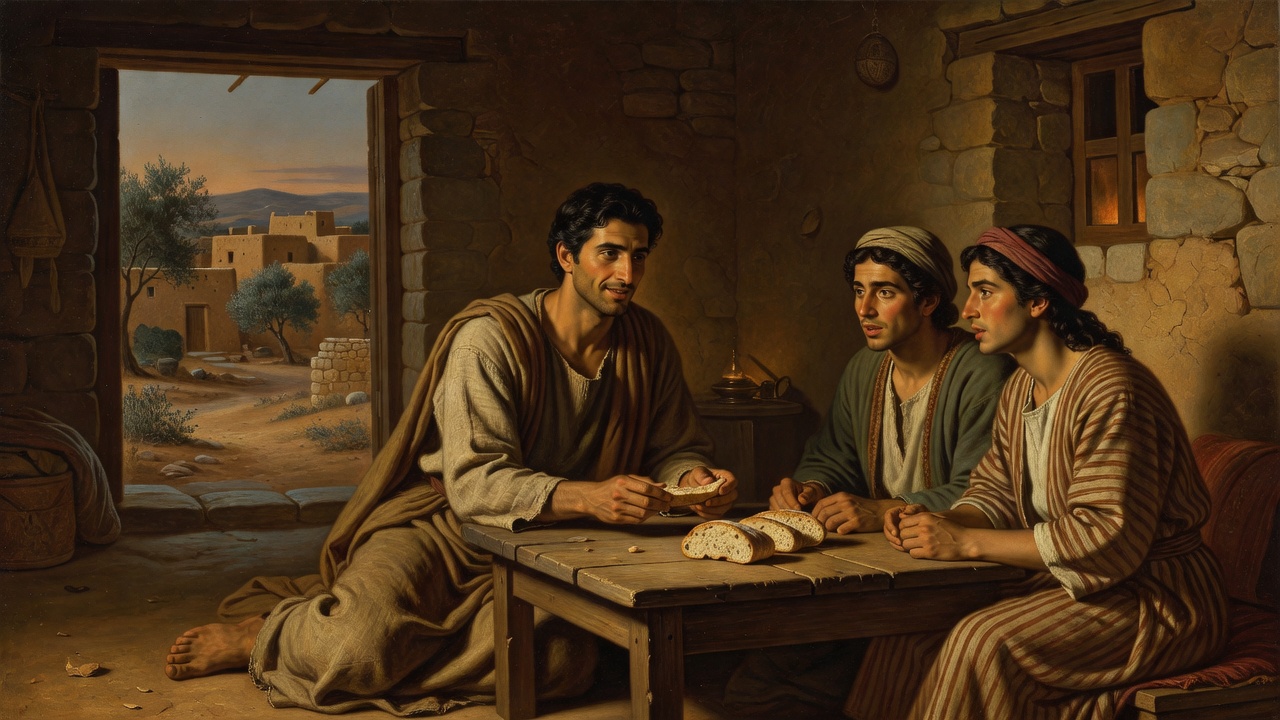
Tásiha, ema Jesús manasipa tisiapapa eta nayehe. 30Te tiúripa eta tinicacare, mavehapa eta pan, mahasulupayachapa ema Viya, mayuvetucapa, máijaracavacapa éna. 31Enévanerinehi náimativanepa éma. Émasera tíjahúchavapa témitiacahi te namirahu. 32Tésenijiricacanapa éna. Tásiha, nacahepa:
—¿Tájaha tacayema eta vahi vímativanehini ichaquene te achene te ticapayacahavipa éma? Étapa eta vicachanerapahi, váhivare vímatiacavanehini, véjapusamurechapaipahinéni eta visamiravahi eta máimitusirahavipahi tayehe eta Sagrada Escritura —nacahepa.
33Tacahe, enévanepa téquequecavanahi tichavana te Jerusalén. Te títecapanapa, tisiapanapa tayehe eta návihahi ena óncequeneana apóstoleana énapa ena apamuriana nachamuriana. 34Ánaqui ticametacasianaripavare éna. Nacahevarepa ena apóstoleana:
—Yátupi eta máechepusiraipa ema Viáquenu. Máimaharipa ema Pedro —nacahepa.
35Ena apinana najicapavarepa:
—Énerichuvare víti vímahaipavare éma, te achene eta vipaisirapahi. Váhisera vímativanehini. Tapaenumava te mayuvetucapa eta pan, vímatipa éma —náichapa.
Tiápechavavare tímerecava ema Jesús nayehe ena máimitureana
36Tacahe, téchajiricavanarichaha éna, tíjahúchavavarepa tímerecava ema Jesús te namuri. Máechajicavacapa, ánipa macahe:
—Íchararacava, nuchichanaveana.
37Énasera tipicanarichucha, náimijachaichucha cunarehi éma. 38Émasera ema Jesús máichavacapa:
—Vahi ecupicanu. Étumecha eta esamureana. 39Ímaha eta juca nuvahuana étapa eta nívapeana. Émamahacanu apaesa écha eta nútiquenérahi. Eta cunare, tájina táechena, tájinavare táperaina. Vahi tácutihini eta nucaqueherahi núti —máichavacapa.
40Tacahe, eta máichiravacahi, ticajaruvauchavaipa eta mavahuana, étapa eta máivapeana. 41Vuíchahasera nasuapahini éna, tiúrisamureanaripahinéni eta náimairahi, tacachanehisera eta napisirahi. Eta tacahe, máichavarepa:
—¿Jararihi nunica?
42Éna náijaracapa eta nájimaru jima, étasipa vasu eta mápama. 43Majacapavacapa éma, tinicapa te namirahu éna. 44Tásiha, máechajiricavacapa:
—Eta juca níchavaquenevahi, étara eta numetaruhehi cape juca nucachanejiricahéichahahi. Eta tacaheyarehi eta táitauchiravayarehi eta májuchaqueneanahi ema víyarahaini Moisés núti táechajisihaquenehi. Étapa eta nájuchaqueneanahivare ena profetanaini, étapa eta Salmo.
45Máemechavacaipahi eta táechajiriruvana eta Sagrada Escritura. 46Tásiha, máichavarepa:
—Étara eta juca tacajuqueneanahi eta népenirayarehi nuti Cristo. Néchepucayarehisera tayehe eta nécari te mapanaquenepa sache. 47Étayaréichuhivare iámapicayare eta níjare eta ímituresiraya ena achaneana ticavasanahi te tamutu avasareana. Étaripa te juca Jerusalén, emetacavacayare ena achaneana eta náeneuchiravaina apaesa macaepaha ema Viya eta napecaturana. 48Éti, nutupararuheya eta ímituresiraya eta júcana. 49Enasiyarechahasera ani te juca Jerusalén. Tiámainucava te máitecapauchahevacapa ema Espíritu Santo nuvaneruyare, máijararunuyarehi ema Tata. Éma, tíjaracaheyare eta ítupajijiasiravanayare —máichapa.
Eta mayapirahi ema Jesús te anuma
50Te títapiricapa eta máimitusiravacahi, mámamurihapa te tachachacu eta avasare Jerusalén, te tachacayahi eta avasarechicha Betania. Macanuquechapa eta mavahuana, mayujarauchavacapa éna. 51Te títapiricapa eta mayujarauchiravacahi, timutserahavapaipa ticanuquechavapaipa eta mayapirahi te anuma. Ema Viáquenu tiyanapa tiyapa te anuma.|src="Ascension" size="span" ref="Lc 24.51" 52Eta náimairahi éna eta macanuquechiravapaipahi, tépuyumurihanapa eta nanecapararesirahi eta mayanirahi. Tásiha, tichavanapa tayehe eta Jerusalén. Tiúrisamureanapaipa. 53Tájina vahi náejiacavahini tayehe eta Templo. Tiyujarauchavanaparacahi eta nacunachirahi ema Viya.
Tamutupa eta juca numetasiravihi puiti.
Did you know?
Resurrection morning and the road to Emmaus
- Luke describes Emmaus as a village about seven miles from Jerusalem. Easton's Bible Dictionary (1897) quotes that distance as three-score furlongs and records two identifications: el-Kubeibeh, over seven miles northwest of Jerusalem, whose name, 'little dome,' comes from the remains of a Crusaders' church still found there, and Khurbet Khamasa, 'the ruins of Khamasa,' about eight miles southwest, where Crusader ruins are also found.Sources: Emmaus · the Bible text itself
- Mary Magdalene, Joanna, Mary the mother of James, and other women with them were the ones who told the apostles what had happened at the tomb. Mary Magdalene takes her name from Magdala, her birthplace, and Easton's Bible Dictionary (1897) calls it a mistake to identify her with the woman called 'a sinner' in Luke 7. Joanna, the wife of Chuza, steward of Herod Antipas, tetrarch of Galilee, was one of the women who ministered to Jesus, and the same dictionary says he appeared to her after the resurrection.Sources: Mary Magdalene · Joanna · the Bible text itself
- One of the two disciples on the road is named Cleopas, a shortened form of Cleopatros. Easton's Bible Dictionary (1897) says that nothing definite is known about him, and that it is not certain he was the Clopas of John 19:25 or the Alphaeus of Matthew 10:3, although he may have been.Sources: Cleophas · the Bible text itself
Notes written with AI assistance from open sources (Theographic Bible Metadata, CC BY-SA 4.0; Easton’s Bible Dictionary, public domain) and reviewed before publishing.
Places in this chapter
- Galilee · 32.760, 35.527 · verse 6
- Jerusalem · 31.777, 35.234 · verses 13, 18, 33, 47, 49, 52
- Nazareth · 32.702, 35.298 · verse 19
Only places identified with high confidence are shown (90% or more according to the scholarly sources compiled by OpenBible). Period map: DARE (Digital Atlas of the Roman Empire), CC BY 4.0; modern map: © OpenStreetMap contributors; places: OpenBible.info (CC BY 4.0).
Credits and license for this translation
Eta Táurinaquene máechajiriruvahi ema Viya eta viyehe, ticaijare puito Eta Nuevo Testamento
New Testament in Ignaciano (BL:ign:Ignaciano)
copyright © 2012 Wycliffe Bible Translators, Inc.
Language: Ignaciano
Translation by: Wycliffe Bible Translators, Inc.
Copyright Information
© 2012, Wycliffe Bible Translators, Inc. All rights reserved.
This translation text is made available to you under the
terms of the Creative Commons License: Attribution-Noncommercial-No Derivative Works.
( http://creativecommons.org/licenses/by-nc-nd/3.0/ )
In addition, you have permission to port the text to different file formats, as long as you
do not change any of the text or punctuation of the Bible.
You may share, copy, distribute, transmit, and extract portions
or quotations from this work, provided that you include the above copyright
information:
You must give Attribution to the work.
You do not sell this work for a profit.
You do not make any derivative works that change any of the actual words or punctuation of the Scriptures.
Permissions beyond the scope of this license may be
available if you contact
us with your request.
The New Testament
in Ignaciano
© 2012, Wycliffe Bible Translators, Inc. All rights reserved.
This translation is made available to you under the terms of the
Creative Commons Attribution-Noncommercial-No Derivatives license 4.0.
You may share and redistribute this Bible translation or extracts from it in any format, provided that:
You include the above copyright and source information.
You do not sell this work for a profit.
You do not change any of the words or punctuation of the Scriptures.
Pictures included with Scriptures and other documents on this site are licensed just for use with those Scriptures and documents.
For other uses, please contact the respective copyright owners.
2014-04-25
Source: http://ebible.org/ignNT/ · eBible.org