John 12
Eta Táurinaquene máechajiriruvahi ema Viya eta viyehe, ticaijare puito Eta Nuevo Testamento · Tap a verse to see its cross-references.
Esu María susipapevacha ema Jesús te perfumeama
1Séisirinehi sache eta piéstayarehi eta Pascua. Tichavavarepa ema Jesús tayehe eta avasarechicha Betania, mávasahi ema Lázaro, ema macaechepurehi te máecari. Tacahe, ena máemunacasareana tiúrisamureanarinehi eta náimairahi eta máitecapirahi ema Jesús eta nayehe. 2Ticacherujianapa náenicayarehi. Ema Lázaro macachanehi te mesa eta nanisirahi. Esu Marta téchapajiricavacahi. 3Tacahe, esu María suámapaipa eta táijiyequene perfumeama te bótechicha. (Te navírare eta juca perfumeama te nasucure ticaijare nardo.) Tétavicavahi eta tasivachavahi. Ticutiamacacahi te botella eta tasiamavahi. Tacahe, suépusapevachapa ema Jesús, suájapevachapa te suchutimaca. Enevanerine táinicajuecha eta peti eta táijiyevahi. 4Matiarihihi ema vichamuri Júlasi. Ema maca émarichu tíjararecayarehi ema Jesús. Témechajicavapa éma:
5—¿Tájaha tacayema váhivaréyapa tacaijararecasihini eta juca tasivachaquenehi perfumeama? Vivehahini eta camuriquene plata, tásiha, vímicatasihahini ena páureana —macahepa.
6Ema maca Júlasi, vahi étainahini eta majapanuirainahini ena páureana. Étachuchanéni mavarairahi mayumuruca eta plata, taicha ema tiámerahihi. Títecapa émarichuhivare tiúnarecarahi eta plata. 7Tacahe, ema Jesús máichapa:
—Pésamirica esu suca esena. Suíchachaha ésu eta suvarahaquene taicha nícumunuichuhi eta juca tayeheyarehi eta nécari. 8Ena páureana, tamutuchucha sácheana eta ecachaneravacayare éna. Te jácani ávarahapapuca ímicatacayare, nararihi ena ticamunuana. Nútisera vahi nánasiquenémahi eta eyehe —macahepa.
Ema Lázaro, navarahavare nacapaca
9Tacahe, camuriana ena tisamairiricanahi eta matiarihirahi ema Jesús te Betania. Tiyananapa náimahapanayarehi. Énerichuvare náimahapanayarehiva ema Lázaro, ema máechepurehi te máecari. 10Tacahe, ena tuparairucana napanerechavarepa nacapacayarehi ema Lázaro. 11Taicha émavenehi tíchahi eta nasuapiraipahi ema Jesús ena camuriqueneana achaneana. Vaipa nasuapahini eta navanairipiana ena tuparairucana.
Títecapapa ema Jesús te Jerusalén
12Te apanapa sache, ena nani achaneana táimiyanaqueneanahi eta piéstayarehi eta Pascua, nasamairiricapa eta máitecapirayarehi ema Jesús tayehe eta avasare. 13Tiúrisamureanarinehi. Eta náurisamurevahi, navehapa eta tajuru eta cáchipaca. Tiyananapa nácapahi éma. Eta napiarasirapahi, ánipa nacahe:
—¡Yare, Tata! ¡Piti yátupiquenévihi rey viyehe viti israelítana! ¡Asulupaya! ¡Piti vanáirucaquenévihi me Viya! ¡Ichape eta vicunachiravi piti! ¡Viva ema Viáquenu! ¡Viva! —nacahepa.
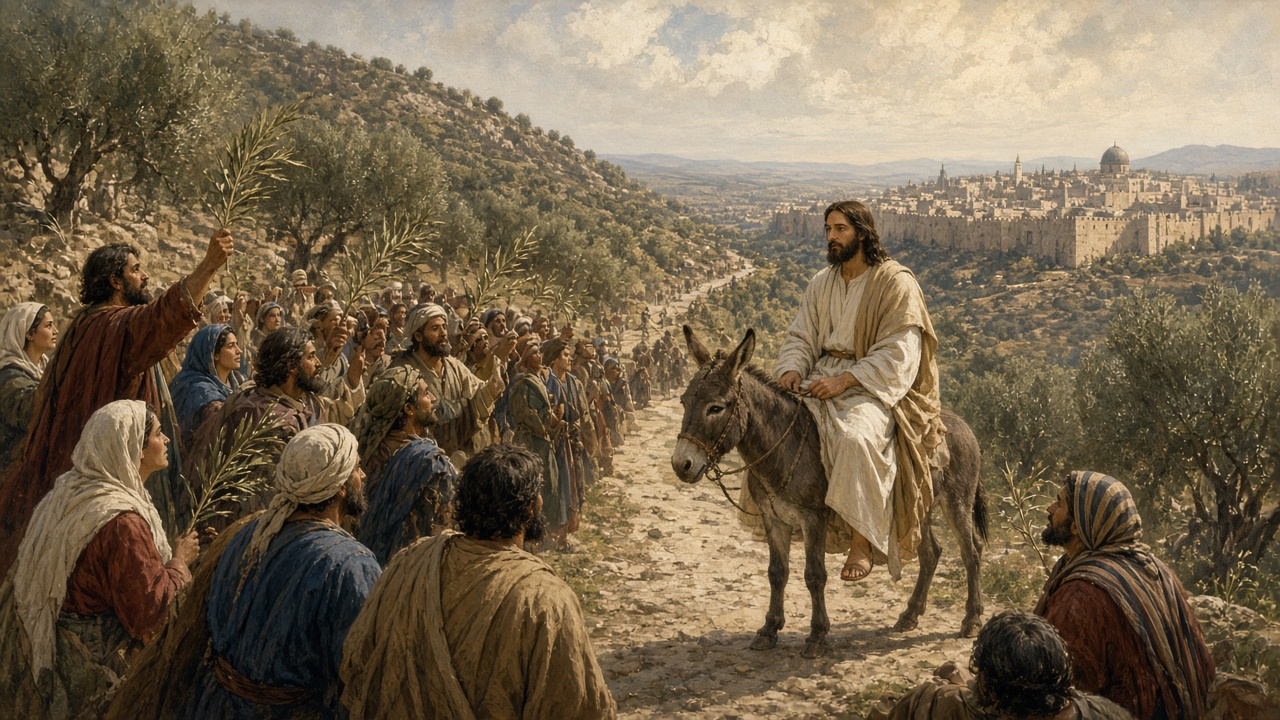
14Ema Jesús ticaperapahi eta burricu eta masiapirahi, taicha ene tacahehi eta táechajiriruvahi eta Sagrada Escritura: 15“Eti ecavasanahi te Jerusalén, vaipa ecupica, taicha márajapa ema eyeheyare Rey. Tímaticareyarehi éma, ticaperayare eta burricuchicha. Mámapahi eta iúritaresirayare” tacahehi eta Sagrada Escritura.
16Eta juca ajureca eta vimacaicutiaraquenehi viti máimitureana. Tapaenumava te máechepucapa ema Jesús, vicaicutiarahi eta tacayemahi eta Sagrada Escritura, táechajisihairahi éma, étapa eta tamutu eta apamuriana máichararacavanahi.
17Tiuri puiti, ena apamuriana achaneana tímararacanaripa ema Jesús eta macaechepusirahi ema Lázaro te máecari, náechajisihaipahi éna eta náimahaquenehi. 18Eta tacahe, camuriqueneanahi ena achaneana tiyananahi nácapahi éma, taicha navarahahi náimati ema tíchahi eta tiáramicare. 19Tásiha, eta náimairahi ena fariséoana eta camurianairahi ena tiácapanahi, náichacacapa:
—¡Váhichara víturucaimahi taicha tétavicavahi eta nasimutuvahi ena téhicanahi éma!
Ena apavasaqueneana navarahavare náimati ema Jesús
20Natiarihivare ena apamuriana achaneana apajuecuruhana tayehe eta Jerusalén. Énerichuhi éna tímitecanahi tiyujarapananahi te jena piéstairahi. 21Tiyananapa napauchahi ema vichamuri Felipe. Ánipa tacahe eta nayaseasirahi:
—Tata, víti apanava vivaraha vímati ema Jesús —nacahepa.
22Tacahe, ema Felipe tiyanapa mametacahi ema Andrés. Tásiha, ena apinana tiyananapa nametapanahi ema Jesús. 23Tásiha, ema Jesús máichavacapa:
—Jéhevare puiti, tiánehipa eta népeniraya nuti Manerejirunuhi ema Viya. Nápechavayaresera nítareca, apaesa nucunachacareyare eyehe. 24Nutupiruva numetacahe: Te vahi vicuevaca eta evaraqui te apaquehe, vahi téjapacaimahi. Tanasiyareichuhi eta tasimutuva eta evaraqui. Téhesera vévacahi, tétavicavaya eta táejapasiraya. 25Nácani téñamavanahi eta náitaresira, tiávamirahuana eta náehisiranu, énajivayare ticamitiequenehavanayare eta náitaresira. Nácani tíjaracavanayare eta náehisiranuyare, tájinavare vahi náeñamavahini eta náitaresira te juca apaquehe, tiúchucuhanayare éna. Máichecuaraquireyare eta náitaresirayare. 26Énerichuvare nácani tivarahanayare ticaemataneacanuana, tacamunu tímerecavanayare yátupi eta náehisiranuhi. Tásiha, núti nucaejacavacayare éna te néjasihayare núti. Ena nani, tétavicavayare eta macunachirayare ema Tata.
Ema Jesús tímereuchava eta máepeniraya
27Ema Jesús táimipanererecahi eta máepenirayare. Ánipa macahehi eta máechajiriruvahi:
—Tiánehinapa eta népeniraya. ¡Ichape eta nupisirahi! ¿Tiúripuca nuyaseaca ema Tata macatiuchanuini apaesa vahi nucucatajivaini? ¡Váhiquene nuyaseacaimahi, taicha núti tímitecanuhi te juca apaquehe eta népeninavacaya ena achaneana!
28Tacahe, macahevarepa:
—Tata, pímereca eta pítupajijiásirava apaesa nacunachavi ena achaneana —macahepa.
Tásiha, tíjahúchavapa nasamahi eta mahu ema Viya te anuma. Ánipa macahe:
—Nímerecaripa eta nítupajijiásiravahi. Jéhesare, nápechavayareva nímerecayare —macahepa.
29Tacahe, ena achaneana natiarihiqueneanahi nasamahi eta máechajisirahi ema Viya. Váhisera nácaicutiarahini, náimijachaichucha tirureca. Tásiha, ena apamuriana, ángelepuca éma téchajicahi nacahevare.
30Ema Jesús máichavacapa:
—Vahi nútivenéna eta juca esamaquenehi. Ema Tata tímisamahehi, mavarairahi esuapayare. 31Achichu juca sácheanayare, ticapacanuanainapa ena achaneana téhicanahi ema Váinaraji. Eta nacapasiranuya, tacaviureyare namutu ena achaneana te juca apaquehe eta náicuñayare. Eta népenirayare nuvachachainapa eta nuratahairaya nucuchucuhavaca nácani ticasiñavanahi nuyehe. Téquecavanainapa eta nuyehe ena machaneranainihi ema Váinaraji. 32Eta tacahe, te nacatupihanupa te anuquehe te crusu, te nacaicutiarapa ena achaneana apanapanenejiana eta nasamairirisiraya, énajivainapa tipauchanuanaya téhicanuanainapa —máichavacapa.
33Eta juca máichiravacahi ema Jesús, mavarahahi nacaicutiarayarehi eta táichararacavayarehi eta máepenira. 34Tacahe, ena achaneana tisamararacanahi najicapapa éma:
—¿Tájahasica tacayema eta péchajisihahi eta pépeniraya te crusu? Viti vímijachaipahi pítiripa ema Cristo, piti Manerejiruvihi ema Viya. Víti visamahi eta Sagrada Escritura te náechajicuha máichecuaraquireyarehi eta máitaresiraya ema Cristo. Vahi vicaicutiarahini —náichapa.
35Ema Jesús máichavacapa:
—Ecamapurava esamararacanu mapurare nutiarihichaha eta eyehe. Numicauchahechaha taicha ánipirine eta juca ímairanuyare apaesa vahi ecucayutete tayehe eta timapicu. Taicha nácani tájinahi náechaquenénahi, ticayutetuanayare. 36Esuapanu eta juca numicauchaherichaha apaesa ímiturecaya éti apanava, iámayare eta juca tajarahiquene —máichapa.
Te títapiricapa ema Jesús eta máichiravacahi, tiyanapa majunijimurihapa. Vaipa máimerecavahini eta nayehe.
Tétavicava eta namuracasamurevanahi ena ticavasanahi te Jerusalén
37Ichapemurihi eta náimairahi ena ticavasanahi te Jerusalén eta tiáramicareana máichaqueneanahi ema Jesús, váhiquenesera nasuapahini éna. 38Étahisera tacahehi títauchavayarehi eta májuchaqueneanahi te ajureca ema profetaini Isaías tayehe eta tamuracavahi eta namasuapirayare. Ani tacahehi eta táechajiriruvahi: “Tata Viáquenu, nájina ticaicutiaranaina eta péchajiriruvanahi vímiturapianahi víti. Píti pímerecaripahi eta pítupajijiasiravahi, váhiquenesera nasuapavihini”.
Énerichuvare ani tacahehi eta májuchaqueneanahi ema Isaías: 40“Ema Viya, eta máimairahi eta namuracasamurevanahi, máisapahi tiápajucava eta namasuapajirairavahi, tímicutijiricavahi púchuquiana éna. Váhiquene tétupirisamurechavanaimahi. Váhivare navarahaimahi nacasiñavahini me Viya, apaesa macanaracavacahini” tacahehi eta májuchaquenehi ema víyarahaini Isaías. 41(Ema profetaini Isaías, tiáramecahi eta máimairahi te mavapure eta táetavisiraya eta majaraiva ema Cristo, étapa eta masantuvahi eta te máejasihahi.)
42Nararihihisera ena aquenucarahana tinerejicavanaripahi ena tisuapanahi. Váhisera návarahahini náimerecavahini eta náehisirahi, napisirahi nacaquijihini eta te návacureana. 43Taicha étachucha náuricahi eta nacunachacarevahi nayehe ena nachamuriana, ena fariséona. Tasapihaichucha náepuruhi eta nacunachacarevayarehini me Viya.
Tímicuñarahi te vahi visuapa eta máechajiriruvana ema Jesús
44Ema Jesús tijaranupa eta máechajisiravacahi ena achaneana. Máichavacapa:
—Nácani navarahahi tisuapanuana, tímaticareanaripa eta nasuapirahivare ema Tata, ema tivanecanuhi. 45Tacutiquene nácani tímatinuanahi eta nímiturapiana, náimatipahivare eta mapanereruana ema Tata. 46Taicha núti yátupiquenénuhi eta numicauchiravacahi ena téhicanuanahi te juca apaquehe. Váipasera tavehaimahi eta timapicu. 47Tacutiquene núti, vahi étaina táimitecanuhini te juca apaquehe eta nícuñacahehini eti achaneana. Eta tímitecanuhi, nucuchucuhaheyarehi. Nácanisera nasamairiricaripahinénipuca eta néchajiriruvana, váhisera nasuapanuhini, nasapiha tépurunuanahi, muracayarehi eta náicuñayare. Eta náepuruirahi eta néchajiriruvana, étaripa tiviuchavacainapa te jena sácheyare nacayaseserehipa te mamirahu ema Viya. 49Taicha vahi nútijiriruvainahini eta nímituresirahi. Ema Tata tivanecanuhi, éma tíjaracanuhi eta nímiturapianayarehi. 50Eta tacahe, numetacahehi puiti tamutu eta numetacasivanahi. Vahi nuhapapicaimahi, taicha nímatihi tacaitarecayarehi nácani tisuapanahi eta máimiturapiana ema Tata —macahepa.
Did you know?
The Anointing at Bethany and the Entry into Jerusalem
- Bethany, where Jesus arrived six days before the Passover, lay about two miles east of Jerusalem on the southeastern slope of the Mount of Olives, along the road to Jericho, and took its name from the palm trees that grew there. It was the home of Lazarus, whom Jesus had raised from the dead after four days in the tomb, and of his sisters Martha and Mary; the chief priests planned to kill Lazarus as well, because on his account many people were believing in Jesus.Sources: the Bible text itself · Bethany · Lazarus
- At a dinner where Martha served and Lazarus reclined at the table, Mary anointed Jesus' feet with about a pint of expensive perfume made of pure nard and wiped them with her hair, so the house was filled with the fragrance. Judas Iscariot, son of Simon, whose surname means a man of Kerioth, asked why it was not sold for three hundred denarii for the poor; he was a thief who, as keeper of the money bag, used to take from what was put into it, and he was going to betray Jesus.Sources: the Bible text itself · Judas Iscariot · Simon
- The next day the great crowd that had come for the feast took palm branches and went out to meet Jesus as he came to Jerusalem, seated on a young donkey, shouting praise to the King of Israel, as it is written of the Daughter of Zion. Zion was the southeastern hill of Jerusalem, where David built a citadel and a palace after taking it, so that it became the city of David. At first his disciples did not understand these things, but after Jesus was glorified they remembered that they had also been written about him.Sources: the Bible text itself · Zion
Notes written with AI assistance from open sources (Theographic Bible Metadata, CC BY-SA 4.0; Easton’s Bible Dictionary, public domain) and reviewed before publishing.
Places in this chapter
- Jerusalem · 31.777, 35.234 · verses 11, 12, 20
- Zion · Today: Jerusalem · 31.777, 35.234 · verse 15
- Galilee · 32.760, 35.527 · verse 21
Only places identified with high confidence are shown (90% or more according to the scholarly sources compiled by OpenBible). Period map: DARE (Digital Atlas of the Roman Empire), CC BY 4.0; modern map: © OpenStreetMap contributors; places: OpenBible.info (CC BY 4.0).
Credits and license for this translation
Eta Táurinaquene máechajiriruvahi ema Viya eta viyehe, ticaijare puito Eta Nuevo Testamento
New Testament in Ignaciano (BL:ign:Ignaciano)
copyright © 2012 Wycliffe Bible Translators, Inc.
Language: Ignaciano
Translation by: Wycliffe Bible Translators, Inc.
Copyright Information
© 2012, Wycliffe Bible Translators, Inc. All rights reserved.
This translation text is made available to you under the
terms of the Creative Commons License: Attribution-Noncommercial-No Derivative Works.
( http://creativecommons.org/licenses/by-nc-nd/3.0/ )
In addition, you have permission to port the text to different file formats, as long as you
do not change any of the text or punctuation of the Bible.
You may share, copy, distribute, transmit, and extract portions
or quotations from this work, provided that you include the above copyright
information:
You must give Attribution to the work.
You do not sell this work for a profit.
You do not make any derivative works that change any of the actual words or punctuation of the Scriptures.
Permissions beyond the scope of this license may be
available if you contact
us with your request.
The New Testament
in Ignaciano
© 2012, Wycliffe Bible Translators, Inc. All rights reserved.
This translation is made available to you under the terms of the
Creative Commons Attribution-Noncommercial-No Derivatives license 4.0.
You may share and redistribute this Bible translation or extracts from it in any format, provided that:
You include the above copyright and source information.
You do not sell this work for a profit.
You do not change any of the words or punctuation of the Scriptures.
Pictures included with Scriptures and other documents on this site are licensed just for use with those Scriptures and documents.
For other uses, please contact the respective copyright owners.
2014-04-25
Source: http://ebible.org/ignNT/ · eBible.org