Hebrews 3
Eta Táurinaquene máechajiriruvahi ema Viya eta viyehe, ticaijare puito Eta Nuevo Testamento · Tap a verse to see its cross-references.
Ema Cristo tiápajucavahi eta macunachacarevapanahi mayehe ema víyarahaini Moisés
1Nuvaraha numetacaheya eta apana, eti nuparapenaveana máepachiaruanahi ema Viya, máichuhaqueneanahivare eta esiapiraya eta mávasa. Nuvaraha epanerecha apaesa ácaicutiara eta táetaviuchirahi eta máitupajijiasiravahi ema Jesús. Éma, yátupihi mavaneruhi ema Viya eta máimitusirahaviyarehi eta juca véhiruhi. Macarichuhi ema tiyaseuchahaviparacahi te mamirahu ema Viya. 2Ema Jesús, tétavicavahi eta máitauchirahi tamutu eta mavanahiana matuparacasivanahi me Viya. Énerichuvare ema víyarahaini Moisés, títaurahivare eta mavanahi eta maconsejaraivahi, máimitusirahivare ena achaneana tamutu eta mavanairipiana ema Viya. Énerichuvare máechajisihahi tatiarihiyare eta apana mapanereruana ema Viya vuíchahasera máimerecahini ema Viya. Émasera ema Jesucristo, ema tiápajucavapanahi eta macunachacareva, macachuricahi ema víyarahaini Moisés. Ticunachacarepanahi taicha machichahi ema Viya, ticatuparahahivare téchahavihi vimutu viti machanerana ema Viya. Émasera ema Moisés vanairucaichucha. Ema Moisés máichuhavacahi ena achaneana. Émasera ema Jesucristo, émahi tépachinachahi eta viáchanevana viti machanerana, tihetamurichahavivare. Víti yátupihi machanerahavihi, te vímiyanava eta juca véhisirahi éma, vicasiñavavare eta mayehe, viúrisamurevare eta vicuchapirahi eta viúchucuiraya te jena sácheyare.
Ema Viya tícuchahavihi eta vinarasihayare viti machaneranahi
7Eta tacahe, nuvaraha ejaneacava. Ema Espíritu Santo, ani macahehi eta máechajiriruvahi tayehe eta Sagrada Escritura: “Puiti jena sache, esamayare esuapayare éti eta numetarapiana núti. 8Tacuija eta tamuracavaina eta esamureana. Vahi ecucuti ena achaneana mámaqueneanahi ema Moisés te mávapahi apaquehe. Ichape eta namasuapajiraivahi eta nuyehe, náetaviuchirahi eta nacaitsamarajiranuhi núti. 9Tétavicavahisera eta nucamichiravacahi eta namasuapajiraivahi. Cuarenta áñoripahinéni eta nímechiravacahi eta tiáramicareana níchaqueneanahi, váhisera nasuapanuhini. 10Eta tacahe, te táequenepa, nusemapa nayehe ena nani achaneana. Taicha éna, táetaviuchahi eta táejecapiravahi eta nasamureana. Vahi návarahahini náimatihini eta táurinaquene achene, nuvarahaquenehi nímechavaca. 11Núti nétupiricaripahi eta náicuchihi nanarasihayarehini eta nuyehe. Tétavicavahisera eta náimiyusemasiranuhi. Tásiha, nucahepa núti: Ena nánitátaji váhiquene nasiapaimahi tinaracanaimahi eta nuyehe” macahepa ema Espíritu Santo.
12Eta tacahe, nuparapenaveana, nuvaraha ejaneacavayare yátupina. Machu éhica eta napanereru ena masuapajirairahana, machu emutserahava íminajicava eta éhisirahi ema yátupiquenehi Viya Vicaiyaquene. 13Étumechacacayaresera nayehe ena apamuriana echamuriana támutuhi sácheana puiti juca vicaijuheyare, apaesa nacuija navayuaca ena tivayuarahiana tayehe eta pecatu, machu étaina táemuracacha eta esamureana. 14Taicha viti machamurihavianahi ema Cristo. Vijacapainasarepa eta vícuchihi mayehe éma, te vímiyanavahi eta vicasiñairava mayehe, vétumechiravahivare eta véhisirahi. 15Eta tacahe, nápechavavare némechahe eta máechajiriruva ema Espíritu Santo: “Puiti jena sache, esamayare esuapayare éti eta numetarapiana núti. Tacuija eta tamuracavaina eta esamureana. Vahi ecucuti ena achaneana mámaqueneanahi ema Moisés te mávapahi apaquehe. Ichape eta namasuapajiraivahi eta nuyehe, náetaviuchirahi eta nacaitsamarajiranuhi núti” macahepa.
16Puiti nuvaraha epanerechaya eta juca. Némechaheya ema víyarahaini Moisés eta macuchusiravacahi ena viáchucanaveanaini tayehe eta avasare Egipto. Tétavicavayaréni eta náuricacareva. Tamapurujisera eta nasamirahi eta mahu ema Viya, máijarasirahi eta mavanairipiana. Náimiyusemacapaipa éma eta namasuapirahi. 17Tamapurujivare eta cuarenta áñohi eta macamichiravacahi ema Viya. Taicha tavayuacahi eta napecaturana éna, étapa tiviuchahi eta náepenarasirahi te mávapahi apaquehe. 18Eta namavarairavacahi nasuapahini, éma manacapa eta mayehe juramento eta namaitujisiravayare tisiapana nanaracahini eta mayehe. 19¡Ácaicutiara éti! Táichavenehi eta namasuapajiraivahi, puiti vímahaipahi eta namaitujisiravahi tisiapana tayehe eta mávasa ema Viya.
Did you know?
Greater Glory Than Moses
- Hebrews asks its readers to fix their attention on Jesus, the apostle and high priest they confess. He was faithful to the one who appointed him, just as Moses was faithful in all God's house, but Jesus is counted worthy of greater glory than Moses, as the builder of a house has greater honor than the house. Moses was faithful as a servant; Christ is faithful as the Son over God's house.Sources: the Bible text itself
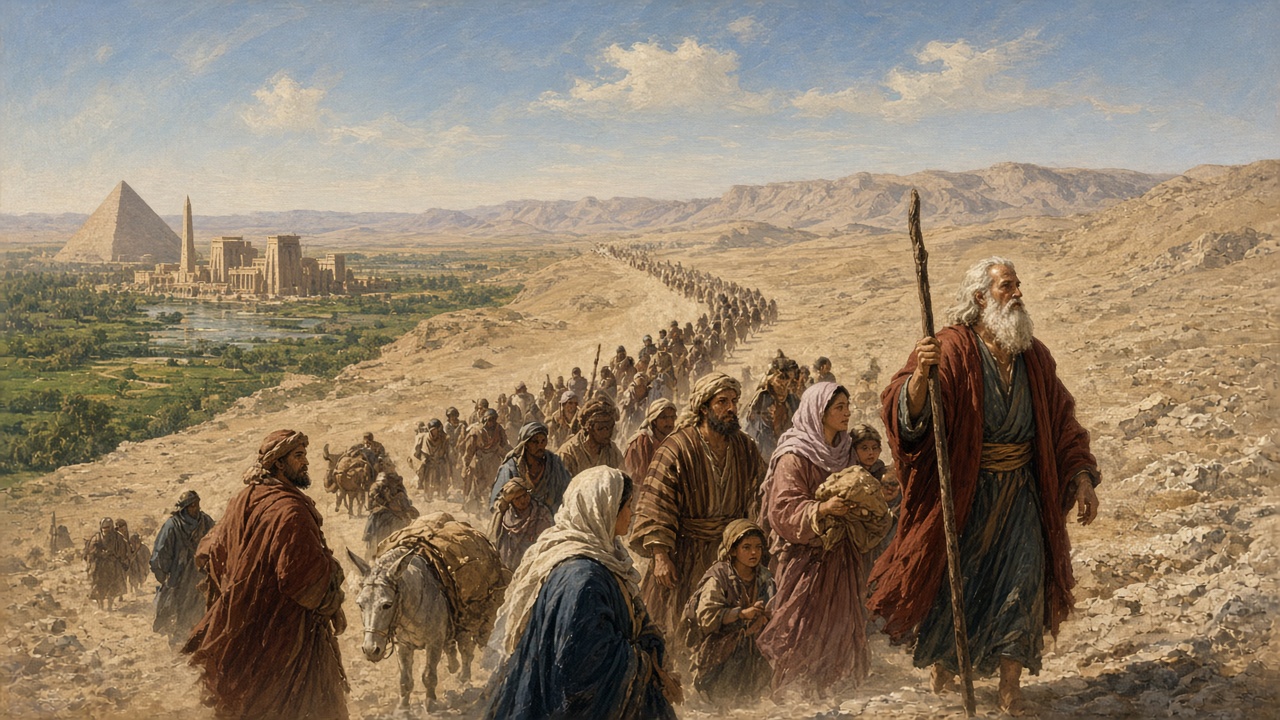
- The warning looks back to the people Moses led out of Egypt. For forty years in the wilderness they tested God, who was angry with that generation and swore they would never enter his rest; their bodies fell in the wilderness. The chapter says that unbelief kept them from entering.Sources: the Bible text itself
- Egypt, the land they left with Moses, is the land of the Nile and the pyramids. Easton's Bible Dictionary (1897) explains the name Moses as Drawn, or links it with the Egyptian word mesu, meaning son.Sources: the Bible text itself · Egypt · Moses
Notes written with AI assistance from open sources (Theographic Bible Metadata, CC BY-SA 4.0; Easton’s Bible Dictionary, public domain) and reviewed before publishing.
Places in this chapter
- Egypt · 30.129, 31.308 · verse 16
Only places identified with high confidence are shown (90% or more according to the scholarly sources compiled by OpenBible). Period map: DARE (Digital Atlas of the Roman Empire), CC BY 4.0; modern map: © OpenStreetMap contributors; places: OpenBible.info (CC BY 4.0).
Credits and license for this translation
Eta Táurinaquene máechajiriruvahi ema Viya eta viyehe, ticaijare puito Eta Nuevo Testamento
New Testament in Ignaciano (BL:ign:Ignaciano)
copyright © 2012 Wycliffe Bible Translators, Inc.
Language: Ignaciano
Translation by: Wycliffe Bible Translators, Inc.
Copyright Information
© 2012, Wycliffe Bible Translators, Inc. All rights reserved.
This translation text is made available to you under the
terms of the Creative Commons License: Attribution-Noncommercial-No Derivative Works.
( http://creativecommons.org/licenses/by-nc-nd/3.0/ )
In addition, you have permission to port the text to different file formats, as long as you
do not change any of the text or punctuation of the Bible.
You may share, copy, distribute, transmit, and extract portions
or quotations from this work, provided that you include the above copyright
information:
You must give Attribution to the work.
You do not sell this work for a profit.
You do not make any derivative works that change any of the actual words or punctuation of the Scriptures.
Permissions beyond the scope of this license may be
available if you contact
us with your request.
The New Testament
in Ignaciano
© 2012, Wycliffe Bible Translators, Inc. All rights reserved.
This translation is made available to you under the terms of the
Creative Commons Attribution-Noncommercial-No Derivatives license 4.0.
You may share and redistribute this Bible translation or extracts from it in any format, provided that:
You include the above copyright and source information.
You do not sell this work for a profit.
You do not change any of the words or punctuation of the Scriptures.
Pictures included with Scriptures and other documents on this site are licensed just for use with those Scriptures and documents.
For other uses, please contact the respective copyright owners.
2014-04-25
Source: http://ebible.org/ignNT/ · eBible.org