Galatians 6
Eta Táurinaquene máechajiriruvahi ema Viya eta viyehe, ticaijare puito Eta Nuevo Testamento · Tap a verse to see its cross-references.
Vímicatajiricacayare
1Nuparapenaveana, te natiarihipuca ímaha téjecapavanahi ena vichamuriana, econsejachayare éti ímatiequeneharipa maicha ema Espíritu Santo. Táurisera eta échajirisiraina. Ecauneuchava éti apanava, machu iáquipaicava tayehe eta máquipaisiavahi ema echamuri. 2Ímicatacaca eta ecatiuchiravaina eta jácani íchararacavanahi. Ene tacahehi eta ítauchirahi eta mavanairipi ema Viáquenu Jesucristo, étaripa eta vémunasiracacayarehi. 3Taicha nararihi ena tímijachavanahi vahi tiáquipaicavanaimahi tayehe eta pecatuana. Vahi ecucahe éti. Vahi tacaemuñavacarehini, taicha eta juca vahi tánecapácare. 4Váhivare tácaemuñavacare vácahehipucaini: “Núti, váhirichu nusipecatura. Núripana nayehe ena apamurirana”. Te viúrihipuca, vimatinairayarechucha. Víti véchinavahi eta viúrivahi eta vítaresirahi. 5Véchaquenevapáchupa víti eta vítaresiraya mayehe ema Viya.
6Nutuparacahe eta apana. Ecajiyare eta ímahaqueneana mácani tímitucahe eta máechajiriruva ema Viya, taicha eyeheyarehi eta máimiturapiana eta tiúrichaheyarehi.
7Numetacahevare eta apana. Nuvaraha étupiricaya eta epanereruana. Machu ecatianaca ema Viya. Taicha te icha eta pecatuana, yátupiqueneyare eta ecamitiequenehavayare. 8Te icha eta tájiparácana tavarahaqueneanahi eta iáqueheana, étarichuhi ticamitiequenehaheyare eta ítaresirana, tímicuñacaheyareva. Téhesera icha eta táuriqueneana mavarahaqueneanahi ema Espíritu Santo, yátupina táurina eta ítaresira. Ímahayareva eta iúchucuiraya, máichecuaraquirénapa eta iúricacarevaya. 9Eta tacahe, vahi vicucainajiruva eta víchirahi eta táuriqueneana. Váhivare vicuyacujiequenehava eta vicuchapirahi eta vícuchihi mayehe ema Viya te táitecapapa eta jena sácheyare máijarasirahaviyare. 10Táitusiava, te tatiarihinapuca eta vicamunucarevana nayehe ena achaneana, te vímahahipuca eta nacamunuiravahi, vítijivayare víchayare eta táuriqueneana nayehe. Tavetijipa te énahipuca tipauchahavianahi ena vichamurianahi tayehe eta juca véhiruhi, vicajiyarehi éna.
Eta táichecuaraqui eta máechajiriruva ema Pablo
11Ímaha ichapevacanecha eta juca nuletrana. Nuvahurupajipa núti eta juca nucajureirahehi éti. 12Ena nujaneanana israelítana, tétavicavahi eta nasemanevahi viyehe viti vicametarairuhi eta viúchucuiraya táichavenehi eta máepenirahi ema Cristo te crusu. Tásiha, ena nani ticamesajiricaheanahi navaraha ecamarcaya, éna navaraha témemunacavanayare nayehe ena nujaneanana, apaesa vaipa nacupanajiricavaca. Navaraha nahapapicayarehi eta nasemaneva. 13Navarahahivare ticunachavanayare eta nacamesairahehi ecamarca te iáquehe, náimiturehéna éti eta éhisiraina eta vanairipiana. Énayapasica vahi náitauchahini támutuhini eta vanairipiana. 14Nútisera, eta nítaresirahi, nuvapinavahi ichape maicha ema Jesucristo, máepeninanuhi te crusu níchavenehi núti. Tacahe, núti apana nínajicaripa eta néhisirainahini eta tayeherepiana eta apaquehe. Vaipa nútiparacaina tayehe, taicha eta máepenirahi níchavenehi núti.
15Eta mávahásirahavihi ema Jesucristo, tamuturipa arairuhi eta vítaresira. Apanapa eta viyeherepiyare. Vaipa étaparacaimahi eta viyeherepiana ichasiqueneanahi, váhivare eta vicamarcapucaini te viáquehe. 16Éti, te esuapa eta juca nímiturapianahi eyehe, nuvaraha májapanuhehini ema Viya, máijaracahehini táurivaina eta epanereruana taicha eti yátupiquenehi machanerahehi ema Viya.
17Tiuri puiti, németeaca núti tájina táeñamavacarehíni eta esuapajiraivahi eta nuyehe, váhivare ísapavahíni ena nácani ticamesajiricaheanahipuca éhica eta nayeherepiana. Núti, yátupiquenenuhi apóstolenuhi mayehe ema Viáquenu Jesús. Eta juca nujaranahi te náquehe, éta tímereuchanuhi eta yátupiquenérahi eta nucaemataneasirahi éma.
18Nuparapenaveana, nuyaseuchaheparaca emutu éti me Viáquenu Jesucristo, táetaviuchahini eta iúricacarevaya máicha.
Tamutupa eta juca néchajiriruvahi eyehe.
Did you know?
Burdens, the Harvest, and the Cross
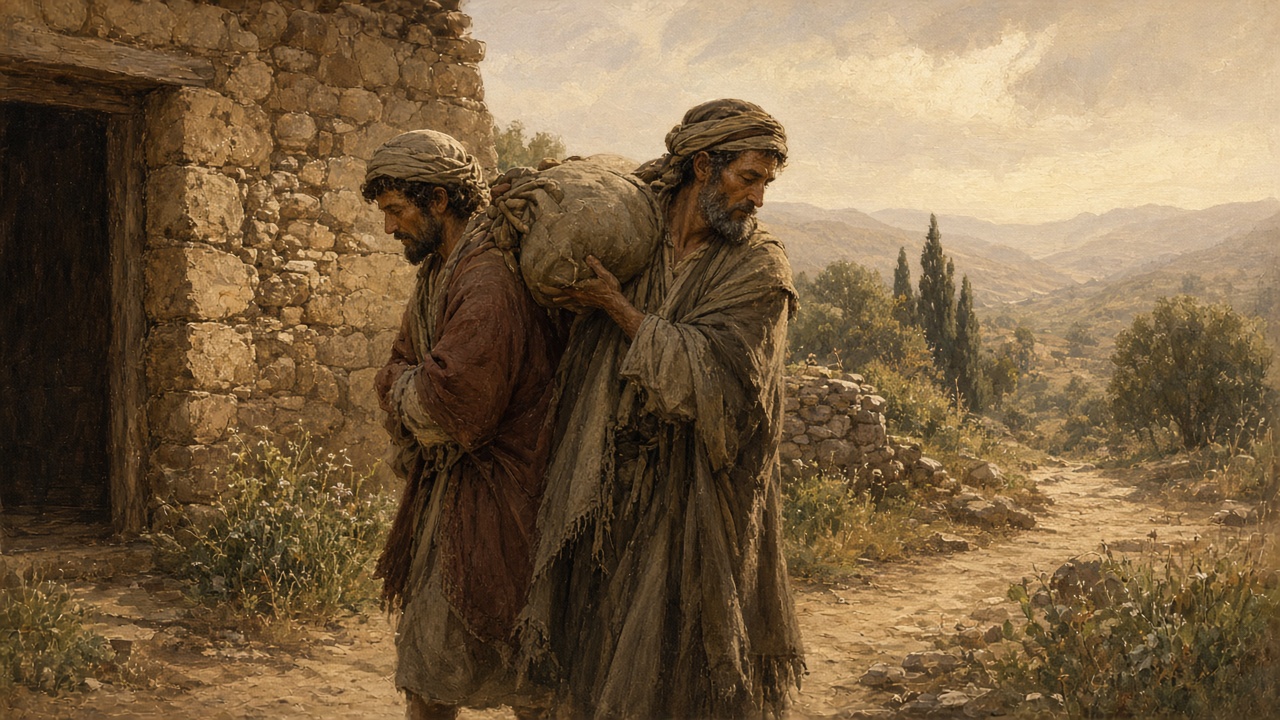
- The chapter sets two duties side by side. Those who are spiritual should restore with gentleness someone caught in a trespass, and carry one another's burdens, which the letter calls fulfilling the law of Christ. Each person, however, should test his own work and carry his own load, rather than think he is something when he is nothing and boast by comparing himself with someone else.Sources: the Bible text itself
- The writer uses the image of sowing and reaping: God is not to be mocked, and a person reaps what he sows. The one who sows to please the flesh reaps destruction from the flesh; the one who sows to please the Spirit reaps eternal life from the Spirit. Readers are urged not to grow weary in doing good, for in due time they will reap a harvest if they do not give up, and to do good to all, especially to the family of faith.Sources: the Bible text itself
- The writer calls attention to the large letters he is using as he writes with his own hand. He says that some try to compel circumcision in order to make a good outward impression, to avoid persecution for the cross of Christ, and to boast in the flesh of others, though the circumcised do not themselves keep the law. He asks never to boast except in the cross of our Lord Jesus Christ, says that neither circumcision nor uncircumcision means anything and that what counts is a new creation, and states that he bears on his body the marks of Jesus.Sources: the Bible text itself
Notes written with AI assistance from open sources (Theographic Bible Metadata, CC BY-SA 4.0; Easton’s Bible Dictionary, public domain) and reviewed before publishing.
Credits and license for this translation
Eta Táurinaquene máechajiriruvahi ema Viya eta viyehe, ticaijare puito Eta Nuevo Testamento
New Testament in Ignaciano (BL:ign:Ignaciano)
copyright © 2012 Wycliffe Bible Translators, Inc.
Language: Ignaciano
Translation by: Wycliffe Bible Translators, Inc.
Copyright Information
© 2012, Wycliffe Bible Translators, Inc. All rights reserved.
This translation text is made available to you under the
terms of the Creative Commons License: Attribution-Noncommercial-No Derivative Works.
( http://creativecommons.org/licenses/by-nc-nd/3.0/ )
In addition, you have permission to port the text to different file formats, as long as you
do not change any of the text or punctuation of the Bible.
You may share, copy, distribute, transmit, and extract portions
or quotations from this work, provided that you include the above copyright
information:
You must give Attribution to the work.
You do not sell this work for a profit.
You do not make any derivative works that change any of the actual words or punctuation of the Scriptures.
Permissions beyond the scope of this license may be
available if you contact
us with your request.
The New Testament
in Ignaciano
© 2012, Wycliffe Bible Translators, Inc. All rights reserved.
This translation is made available to you under the terms of the
Creative Commons Attribution-Noncommercial-No Derivatives license 4.0.
You may share and redistribute this Bible translation or extracts from it in any format, provided that:
You include the above copyright and source information.
You do not sell this work for a profit.
You do not change any of the words or punctuation of the Scriptures.
Pictures included with Scriptures and other documents on this site are licensed just for use with those Scriptures and documents.
For other uses, please contact the respective copyright owners.
2014-04-25
Source: http://ebible.org/ignNT/ · eBible.org