Acts 18
Eta Táurinaquene máechajiriruvahi ema Viya eta viyehe, ticaijare puito Eta Nuevo Testamento · Tap a verse to see its cross-references.
Ema Pablo tiyanapa te avasare Corinto
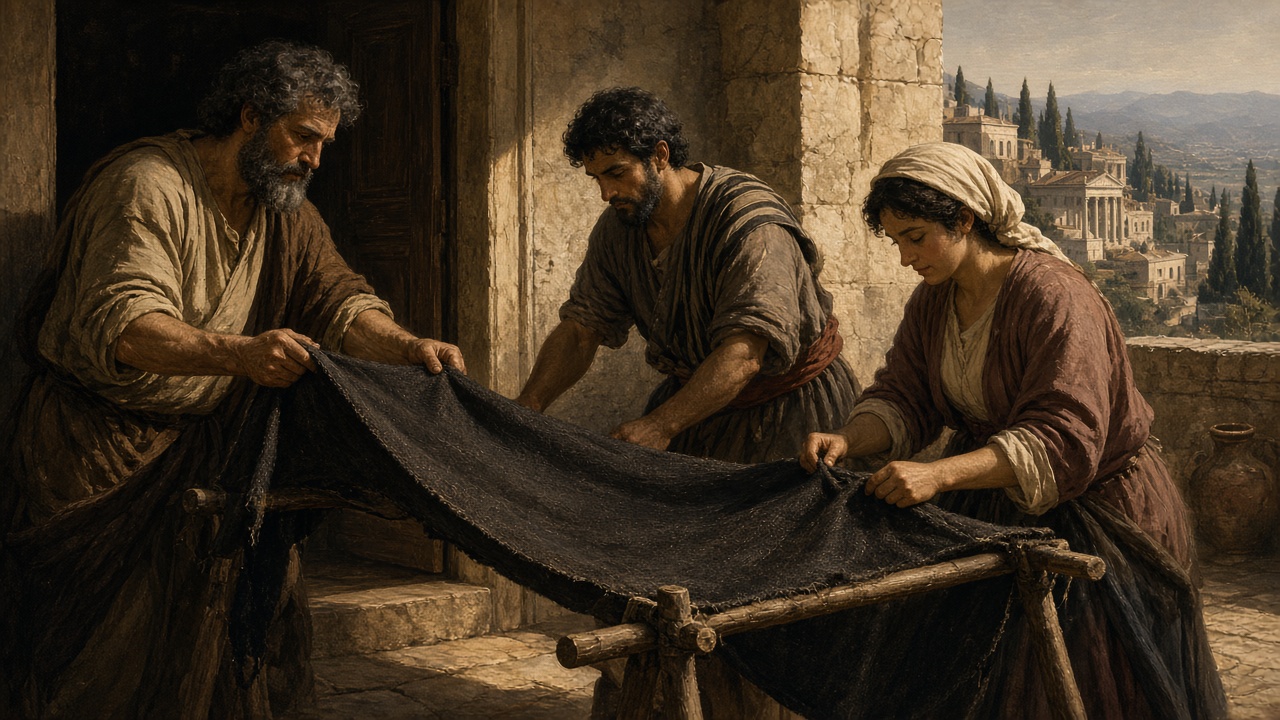
1Te táequenepa eta juca, tiyanapa ema Pablo. Tiúchucapa eta avasare Atenas. Ticaijuhe eta apana avasare ticaijare Corinto. 2Ánaqui macainunapa ema émana israelíta ticaijarehi Aquila, ésupa esu mayena ticaijaru Priscila. Ema maca Aquila máuchusinehi te tinapaica eta departamento Ponto. Tayerevahisera eta áñoana, tiyananapa tayehe eta avasare Roma. Macáemataneínehi ánipihi. Émasera ema aquenucaini Emperador Claudio macavanairipipa náuchuca namutu ena israelítana eta te Roma. Tacahe, tiyanapa ema Aquila tayehe eta avasare Corinto, étapa macainunainehi ema Pablo. 3Énapa mávayechavacahi ema Pablo. Ena nani ticuticacanahi eta náematanerepiana tálabarteroana. Tímicatacacanapa eta nacaematanerahi.
4Tiuri, tamutu sávaruana ema Pablo tiyanahi tayehe eta náurujisirareva. Maconsejachavacahi ena achaneana. Macajimuyacahi eta nasamureana ena israelítana énapa ena apavasanana.
5Tacahe, napaenumavapa nacapayaca ema Silas émapa ema Timoteo, tiásihanahi te Macedonia. Eta natiarihirahi éna, tépanavapa ema Pablo ticametarairu tamutu sácheana eta máechajiriruva ema Viya. Mavarahapa macajimuyacavacaya ena israelítana ema Jesús émairahi Cristo ema nacuchapaquenehi. 6Natiarihisera ena apamuriana masuapajirairahanahi. Nacatianacapa ema Pablo, napanararachavare. Tásiha, tétatajiacavapa ema Pablo eta máepacuhasa, táicutiarahi eta namaimitucacarevahi ena nani. Majunijicayarepa. Tásiha, máichavacapa:
—Étipa ecatapiravayare vaipa iúchucuhaimahi tayehe eta ecuñaraqui te apana vítaresira taicha eta emajacapirahi eta máechajiriruva ema Viya. Vaipa necha núti. Puiti juca nuyaninapa, nímiturecaya nayehe ena apavasanana —máichavacapa.
7Tacahe, tiúchucapa tayehe eta náurujisirarevahi. Tiyanapa te mapena ema apana machamurihi ticaijare Justo. Ánaquipa eta máimituresihahi. Ema maca Justo, vahi israelítaina, mapicauchahisera ema Viya. Eta mapenahi te tachacaya eta náurujisirareva ena israelítana. 8Matiarihi ema apana achane ticaijare Crispo, tuparairucahi tayehe eta náurujisirarevahi. Masuapahi éma, ésupa esu mayena, ena machichanaveana, énapa ena apamuriana tiávihanahi te mapena. Camurianavare ena tisuapanahi ticavasanahi tayehe eta avasare Corinto eta nasamirahi eta máechajiriruva ema Viya. Namutu ticaicachasianahi. 9Tacahe, étana yati, ema Viáquenu Jesús máechajicapa ema Pablo, ánipa maicha:
—Vahi picupica. Pímiyanavachucha picametarairu te juca avasare, 10taicha camuriana ena nuchaneranaya. Núti nutiarihiya te pichacaya. Tájina náicharacavimahi ena piánarana —macahepa ema Jesús.
11Tacahe, ema Pablo manasipa. Étana año y medio macahehi tayehe eta avasare Corinto. Tímiturecahi nayehe ena achaneana eta máechajiriruva ema Viya.
12Étasera jena sácheana matupihairahi ema Prefecto ticaijare Galión. Aquenucahi éma tayehe eta avasare Corinto tayehehi capital eta departamento Acaya. Tiuri, ticurujicacanapa ena nacanarayarepa ema Pablo. Nacaratacapa námapa te mamirahu ema aquenuca, nametauchayarehi. 13Tacahe, náichapa ema aquenuca:
—Ema maca achane macontracha eta viyeherepi. Ema máimitucavaca ena vijaneanana, náitsivachayare eta véjirairaya ema Viya —náichapa.
14Téchajiuchavayarepaini ema Pablo, émasera ema Galión macachuricapa. Máichapa ena israelítana:
—Tiuri, esamanuchaha éti. Te tíñehihipuca eta máejecapiravahi ema maca, ticaparecahipuca, núti apana nímisiapavahini juésenuinahini eta eyehe eta nusamirahénahini. 15Étasera echájirirucavánachucha te máijare ema mácani apana, étapa eta eyeherepiana éti. Tájina táiñehicaréna eta juca. Vahi nímisiapavaimahi núti, juésenuinahini tayehe eta juca. Ímahainepa éti —máichapa.
16Tacahe, máevatacavacapa náuchuca te mamirahu. 17Tacahe, namutu ena apavasanana griégoana nacaratacapa ema Sóstenes, nacapitarahi ena israelítana. Náestacapa te mamirahu ema Prefecto Galión. Émasera váhiquene máimisiapavahini. Váhivare macatiuchahini. Ema Pablo tichavapa tayehe eta Antioquía
18Tiyerehichaha eta jena sácheana manasirarichaha ema Pablo. Te ticaicutiaravapa, mavarahapa tiyanaya eta te Jerusalén, tétavajisirayarepahi eta te avasare Efeso, étapa te avasare Tiro, táunavahi eta Siria. Tásiha, ticametavapa nayehe ena machamuriana. Macachanevacapaipa ema Aquila ésupa esu mayena Priscila. Tiyanapa tipaicana eta te puerto ticaijare Cencrea. Te tiánuecanayarepa, ema Pablo ticachucasinumapa títahisinumapa eta machuti, máitauchirayarehi eta mayehe promesa. Te títecapanapa te avasare Efeso, nanasihayarehi ema Aquila ésupa esu Priscila. Te jena sache sávaru, tiyanapa ema Pablo tayehe eta náurujisirareva ena israelítana. Téchajiricavaipa nayehe, máimitusiravacahi éna. 20Tacahe, éna navarahapa náiminasicha, émasera vahi máisapavahini. 21Téhesera te ticametavapa nayehe, máichapa:
—Nuyanayare tayehe eta Jerusalén. Ánaqui nunarasihayare eta jena sácheana piéstairayare. Nuchavayaresera nímahapanaheyare éti, te mavaraha ema Viya tacuijaichu níchava —máichavacapa.
Tacahe, tíavacuhavarepa. Majunijicapa eta Efeso. 22Te títecapapa ema Pablo tayehe eta avasare Cesarea, tiánucuhapa tayehe eta Jerusalén. Máechajipánavacapa ena machamuriana. Te táequenepa, tiyanapa te avasare Antioquía. 23Tiyerehi eta cájeana manasiranumahi tayehe eta avasare Antioquía. Tacahe, tiápechavavare tipaica. Máejiravacapahi ena machamuriana te jácani návihavacapahi tayehe eta avasarechichana te Galacia étapa eta Frigia. Maconsejachavacapahi ena machamuriana. Matiarihi ema Apolo te Efeso
24Te jena sácheanahi, títecapahi te avasare Efeso ema émana israelíta ticaijare Apolo. Éma máuchurehi te avasare Alejandría. Máituca ticametarairu éma. Máimativare yátupi tamutu eta Sagrada Escritura ticaijare Antiguo Testamento. 25Mavapinahi éma tamutu, étaripa eta máechajisirana. Ema Apolo máitucahi eta máimiturapiana ema Juan Tícachasiricarahi eta máitecapirayare ema Cristo ema nacuchapaquenehi. Máechahi eta máicachasisírahi ema Juan ema Jesús, ema yátupiquenehi Cristo. Váhisera tamutuhini maecha eta máichavaquenevahi ema Jesús. Tamutu sávaruana, tiyanapa tayehe eta náurujisirareva ena israelítana. Ticametarairupa, vahi mapicacaracavahini. Ánipa macahe:
—¡Títecapaipa ema Cristo ema vicuchapaquenehi! Ema ticaijare puiti Jesús. Vétupiricavaya vimutu eta viyaniraya te Jerusalén. Ema véhicaya taicha ema viáquenuya —macahepa.
Étasera te nasamapa ema Aquila ésupa esu Priscila, námapa éma te napena. Tásiha, náimitucapa tamutu eta apamuriana téchacareana mayehe ema Jesús. 27Manasipanapa ema Apolo te jena cájeana. Tacahe, mavarahapa tiyanayare te tinapaica eta departamento Acaya. Tásiha, ena machamuriana náimicatacapa. Ticajureanapa eta carta nayehe ena nachamurianahi tayehe eta avasareana macaijuheyarehi apaesa táuri eta najacapiraina. Te títecapapa éma tayehe eta Acaya, ichape eta máimicatasiravaca ena machamuriana taicha ema Viya máijaracahi eta máitupajijiasiravahi. 28Máimitucahivare ena israelítana eta te náurujisiravana. Máiminecapáequenehávacahi tayehe eta Sagrada Escritura ema Jesús émahi ema Cristo ema nacuchapaquenehi.
Did you know?
Paul's Stay in Corinth
- Aquila, a native of Pontus, and his wife Priscilla had left Italy because the emperor Claudius ordered all Jews to leave Rome. Easton's Bible Dictionary (1897) dates that decree to A.D. 49 in its Claudius entry and to A.D. 50 in its Aquila entry. Paul stayed with them in Corinth and worked at the same trade, making Cilician hair-cloth for tents.Sources: Aquila · Claudius (4th Roman Emperor) · the Bible text itself
- The Corinth of this chapter was not the older Greek city, which the Romans destroyed in 146 B.C., but a city rebuilt about a century later and peopled by a colony of freedmen from Rome. It stood on the isthmus about 48 miles west of Athens and was the Roman seat of government for Achaia, southern Greece. It was noted for its wealth and for the luxurious, immoral, and vicious habits of its people.Sources: Corinth · Achaia
- Gallio, the elder brother of the philosopher Seneca, was proconsul of Achaia under Claudius when the Jews brought Paul before the judgment seat. Achaia was a senatorial province, and the governor of such a province was called a proconsul, the title used in this chapter. Gallio refused to judge a dispute about words, names, and Jewish law, and drove the accusers from the tribunal.Sources: Gallio · the Bible text itself
Notes written with AI assistance from open sources (Theographic Bible Metadata, CC BY-SA 4.0; Easton’s Bible Dictionary, public domain) and reviewed before publishing.
Places in this chapter
- Athens · 37.972, 23.727 · verse 1
- Corinth · 37.906, 22.879 · verses 1, 8, 11, 12, 18
- Italy · 41.892, 12.485 · verse 2
- Pontus · 40.680, 37.830 · verse 2
- Rome · 41.892, 12.485 · verse 2
- Macedonia · 41.600, 22.540 · verse 5
- Achaia · 38.720, 22.540 · verses 12, 27
- Cenchreae · Today: Kechries · 37.884, 22.997 · verse 18
- Syria · Today: Syria 2 · 33.511, 36.306 · verse 18
- Ephesus · 37.939, 27.341 · verses 19, 21, 24, 27
- Jerusalem · 31.777, 35.234 · verses 21, 22
- Antioch · Today: Antioch on the Orontes · 36.227, 36.172 · verses 22, 23
- Caesarea · Today: Caesarea Maritima · 32.500, 34.892 · verse 22
- Galatia · 39.267, 32.983 · verse 23
- Phrygia · 39.000, 31.000 · verse 23
- Alexandria · 31.183, 29.896 · verse 24
- Egypt · 30.129, 31.308 · verse 24
Only places identified with high confidence are shown (90% or more according to the scholarly sources compiled by OpenBible). Period map: DARE (Digital Atlas of the Roman Empire), CC BY 4.0; modern map: © OpenStreetMap contributors; places: OpenBible.info (CC BY 4.0).
Credits and license for this translation
Eta Táurinaquene máechajiriruvahi ema Viya eta viyehe, ticaijare puito Eta Nuevo Testamento
New Testament in Ignaciano (BL:ign:Ignaciano)
copyright © 2012 Wycliffe Bible Translators, Inc.
Language: Ignaciano
Translation by: Wycliffe Bible Translators, Inc.
Copyright Information
© 2012, Wycliffe Bible Translators, Inc. All rights reserved.
This translation text is made available to you under the
terms of the Creative Commons License: Attribution-Noncommercial-No Derivative Works.
( http://creativecommons.org/licenses/by-nc-nd/3.0/ )
In addition, you have permission to port the text to different file formats, as long as you
do not change any of the text or punctuation of the Bible.
You may share, copy, distribute, transmit, and extract portions
or quotations from this work, provided that you include the above copyright
information:
You must give Attribution to the work.
You do not sell this work for a profit.
You do not make any derivative works that change any of the actual words or punctuation of the Scriptures.
Permissions beyond the scope of this license may be
available if you contact
us with your request.
The New Testament
in Ignaciano
© 2012, Wycliffe Bible Translators, Inc. All rights reserved.
This translation is made available to you under the terms of the
Creative Commons Attribution-Noncommercial-No Derivatives license 4.0.
You may share and redistribute this Bible translation or extracts from it in any format, provided that:
You include the above copyright and source information.
You do not sell this work for a profit.
You do not change any of the words or punctuation of the Scriptures.
Pictures included with Scriptures and other documents on this site are licensed just for use with those Scriptures and documents.
For other uses, please contact the respective copyright owners.
2014-04-25
Source: http://ebible.org/ignNT/ · eBible.org