2 Thessalonians 2
Eta Táurinaquene máechajiriruvahi ema Viya eta viyehe, ticaijare puito Eta Nuevo Testamento · Tap a verse to see its cross-references.
Ema Achane Váinarajiquene
1Puítiripa, nuparapenaveana, naririhi ena tépiyaequenehanaripa ema Jesús, náimijacharipa matiarihiripa, tichavaripa puiti. Vituparacahecha vahi ecusuapa nácani tépiyahirahianapahi. Tayanapane nácahepuca: “Eta juca vimetacasivahi me Espíritu Santo”. Nácahepuca: “Ema Pablo tímitucahavihi eta juca”. Te náepiyaequenehahavipuca náimechahepuca eta carta, náimijachayarehi tásihaquene viyehe, váhiquenesera ecusuapavane. Váhi tacuimipanererecahe eta juca. Váhivare ecuarameca. Taicha te máitecapa yátupina ema Jesús, ticurujicahávinumayare viti manerejiruanahi.
Nuvaraha numetacahe eta apana. Te tánehipaicha eta máitesiraya ema Jesús, ena achaneana vaipa napicauchaimahi ema Viya. Náepuruinapa eta máechajiriruva. Tásiha, tímerecaváinapa ema Achane Váinarajiquene. Ema maca achane, macatichainapa masama eta máijare ema Viya. Étaripa eta nasiñarajiana ena achaneana, váipavare máuricaimahi. Macavanairipinapa ena achaneana te tamutu avasareana náepuyumirauchayare éma. “Nuti Víyanu. Núti ecasiñayare” macahénapa. Masapihainapa, ticaejacavainapa tayehe eta Templo. Téhesera támutupa, yátupiquenenapa eta máicuñayare muraca.
5Échavarichuhi éti eta nímitusiraheparacahi cape juca te návihaichahahi eyehe. Numetacahehi eta táichararacavayarehi. 6Puiti ena achaneana, nararihipa tivainarajichavanapaipahi. Vuíchahasera máisapahini ema Viya navayuchavahini. Mararihi ema mavaneruhi tíchejimiráuchavacaríchaha. Eta tacahe, vuíchaha máuchujicahíni máimerecavahíni ema Achane Váinarajiquene. (Éti ímatichuhi ema tíchejimiráurucahi.) Tacahe, ema Viya máisapainapa térajicava ema tíchejimiráurucahi. 8Tásiha, mapaenumavainapa tímerecavayare ema Achane Váinarajiquene. Tuparairucayare mayehe ema Satanás. Éma, tijaracayarehi eta máitupajijiásiravayarehi. Tamutuyare máimereca eta tiáramicareana tacutiyare yátupiquenénahíni mayehénahíni ema Viya. Ema maca, máetaviuchainapa eta mavayuaraiva nayehe ena achaneana. Éna, tísapavanainapaipa náehica eta táiñehiqueneana mavayuaraquianapahi. Váhisera máyerémahi. Tiúcupaicavanénapa ema Viáquenu Jesús. Tiáramicarénapa eta majaraivayarepahi. Te máchajurapa, máquipaicainapa macapacainavarepa ema Achane Váinarajiquenéni. Tacahe, ena nani achaneana máiturevanahi témitiequenehanainapa. Ticaicuñanainapa taicha vahi návarahahini náehica eta yátupiqueneana tiúriana echájirirucavana. Te nasuapahini, tiúchucuhanahini tayehe eta ecuñaraqui. 11Taicha eta namasuapirahi ema Viya, máisapayarehi ena nani achaneana nasuapa eta mavayuaraquiana ema Achane Váinarajiquene. 12Tacahe, namutuyare ticaicuñanayare éna, taicha vahi návarahahini nasuapa eta yátupiqueneana vímiturapiana. Navapinaichucha eta náichiraya eta tamauriqueneana.
Tiúchucuhanayare ena téhicanahi ema Viya taicha manerejiruanahi
13Étisera, nuparapenaveana, máemunaruanahi ema Viya. Víti tatuparaca vihásulupayachaparácayare ema Viya íchavenehi éti, taicha manerejiruhehi ema Viya te tépanavainapa. Táitusiava, te esamapa eta vimetarairuhi, etupiruvapa ejacapahi; taicha esamapa eta máichuirahehi éma. Éma ticuchucuhaheyare taicha ímiyanavahi esuapa eta yátupiqueneana máimiturapiana ema Cristo. Émapa ema Espíritu Santo máimiyanava eta mávahásirahehi, máijaracahe eta esantuvainapaipaicha puiti juca ecaijuheyare. Tásiha, ítujicavainapa esiapa tayehe eta mávihahi ema Viáquenu Jesucristo, ímahainapa eta majaraiva.
15Tiuri puiti, nuparapenaveana, ímiyanava eta éhisiraina ema Jesucristo. Vahi ecuemitisica eta vímiturapianahi, te vimuturichaha eta eyehe, étapa eta juca véchajiriruvanahi te carta, vémevataruanahi eyehe.
16Nuparapenaveana, tétavicavahi eta máemunasirahavihi ema Viáquenu Jesucristo, émapa ema Tata Vicaiyaquene. Tayanapane vahi viúrihíni, énasera navarahahi ticurisamurechahavianaya. Tásiha, vicunevainapa eta viúricacarevaya, máichecuaraquirénapa náicha. 17Puiti nuvaraha esamavaini éti eta nacurisamurechirahe te esamureana. Náetumechavaréni eta ímiyaniravaya icha eta táuriqueneana, táurihivaréni eta échajirisiravana.
Did you know?
The Day of the Lord Has Not Yet Come
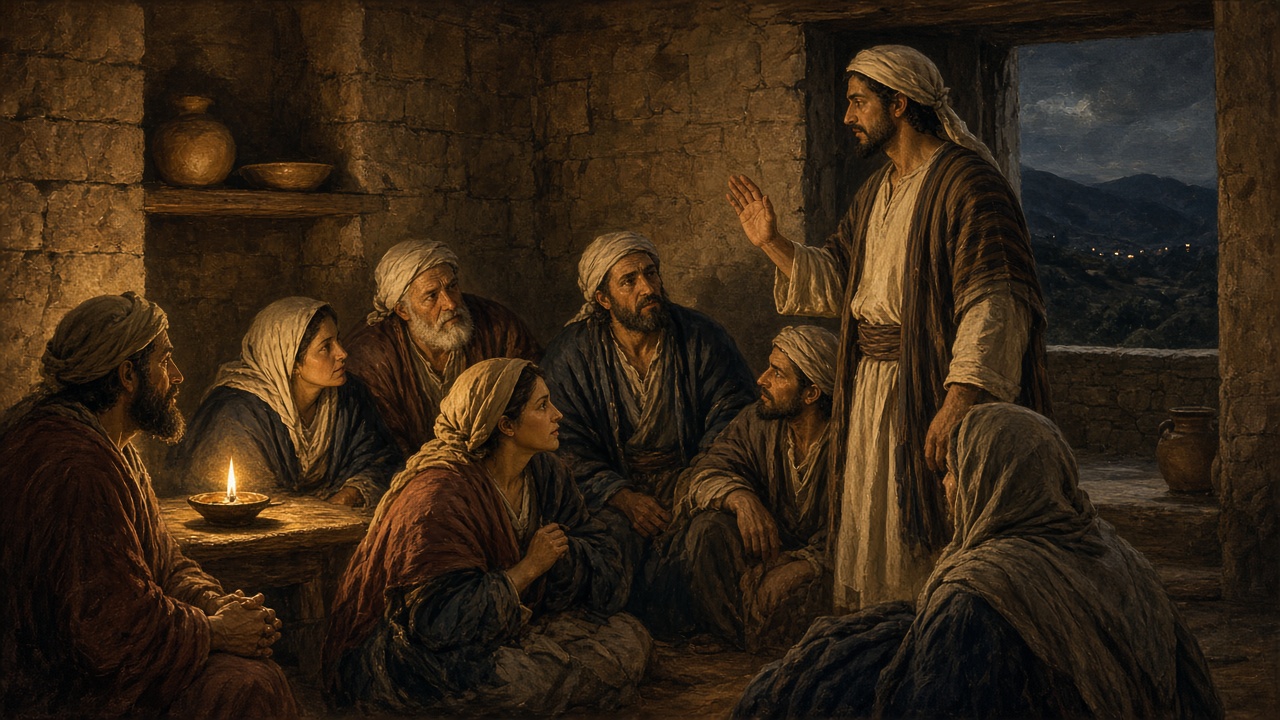
- The chapter urges readers not to be easily alarmed by a spirit, a message, or a letter that only seems to come from the authors and claims that the Day of the Lord has already come. It says that day will not arrive until the rebellion occurs and the man of lawlessness is revealed.Sources: the Bible text itself
- Called also the son of destruction, he is described as exalting himself above every so-called god, seating himself in the temple of God, and proclaiming himself to be God. The passage refers to what now restrains him, and to the one who restrains, but it does not name that restraint.Sources: the Bible text itself
- The coming of the lawless one is accompanied by the working of Satan, with every kind of power, sign, and false wonder. Satan means adversary or accuser; in the New Testament the name is used interchangeably with Diabolos, the devil, more than thirty times.Sources: the Bible text itself · Satan
Notes written with AI assistance from open sources (Theographic Bible Metadata, CC BY-SA 4.0; Easton’s Bible Dictionary, public domain) and reviewed before publishing.
Credits and license for this translation
Eta Táurinaquene máechajiriruvahi ema Viya eta viyehe, ticaijare puito Eta Nuevo Testamento
New Testament in Ignaciano (BL:ign:Ignaciano)
copyright © 2012 Wycliffe Bible Translators, Inc.
Language: Ignaciano
Translation by: Wycliffe Bible Translators, Inc.
Copyright Information
© 2012, Wycliffe Bible Translators, Inc. All rights reserved.
This translation text is made available to you under the
terms of the Creative Commons License: Attribution-Noncommercial-No Derivative Works.
( http://creativecommons.org/licenses/by-nc-nd/3.0/ )
In addition, you have permission to port the text to different file formats, as long as you
do not change any of the text or punctuation of the Bible.
You may share, copy, distribute, transmit, and extract portions
or quotations from this work, provided that you include the above copyright
information:
You must give Attribution to the work.
You do not sell this work for a profit.
You do not make any derivative works that change any of the actual words or punctuation of the Scriptures.
Permissions beyond the scope of this license may be
available if you contact
us with your request.
The New Testament
in Ignaciano
© 2012, Wycliffe Bible Translators, Inc. All rights reserved.
This translation is made available to you under the terms of the
Creative Commons Attribution-Noncommercial-No Derivatives license 4.0.
You may share and redistribute this Bible translation or extracts from it in any format, provided that:
You include the above copyright and source information.
You do not sell this work for a profit.
You do not change any of the words or punctuation of the Scriptures.
Pictures included with Scriptures and other documents on this site are licensed just for use with those Scriptures and documents.
For other uses, please contact the respective copyright owners.
2014-04-25
Source: http://ebible.org/ignNT/ · eBible.org