Matthew 8
Ajigha NT Portion · Tap a verse to see its cross-references.
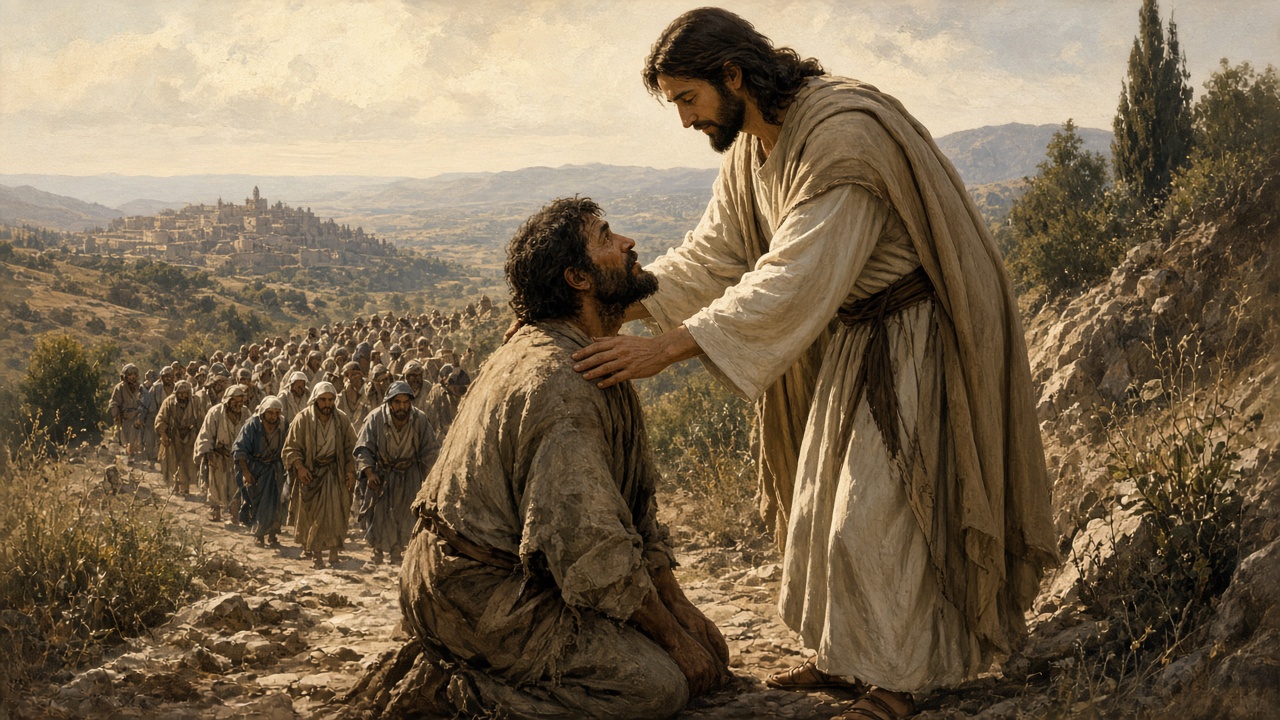
IYesu Lẹni na Ajiya ushi nọ Ubili
1IYesu ya shulu kaya ọpang ni, ikir bajiya yii nga. 2Ni, ace aghọ shi nọ ubili ba ukushi nga, ki ta agho kite nga, na tẹri si, “Ate, insi ingọ yira ni, ingọ ki bra usa mi ki imẹ ba na pipar.” 3IYesu ba nawa avọ ki piya nga, ki tẹri si, “Imẹ yira, ba na pipar.” Ba ubura akyua udumu ubili lẹni. 4IYesu ba tẹri nga si, “Nu! ba tẹri ace aghọ ba, nu kya, ko ya yeni ẹrẹkwẹ ngọ ukushi ifirist ka aya ma uma kọnọ umani umẹẹ iMusa yeni ni, ka ajiya kpẹlẹ si a lẹni ni nga.”
Uma Aipang ace Agara Aghina Akpọ
5IYesu ya ghila aKafarnahum, ace agha aghaghẹ aghina akpọ peni nga ki shọr nga, 6“Aghọ ọna, agira mi yẹẹ ka aca nọ udumu shọmọ ika, asọ kọng ẹrẹnọma nagigang.” 7IYesu va tẹri nga si, “Imẹ ki ba ki ma lẹni ni nga.” 8Ni agha aghaghẹ aghina akpọ nga va yira iYesu si, “Ate ọna, Imẹ ta ma mi ni ingọ ba ọna mi ba, tọrọ kọ tẹri upii, agira mi ki lẹni. 9Ka imẹ ni avọ kina ẹrẹgọrọ ace aghọ wu ni imẹ shi wu, kina aghina akpọ kidẹ ivọ mi, imẹ wang tẹri adi aghọ si, ‘Kikyang’, Asọ kyaa, ace aghọni imẹ tẹri nga si, ‘Ba,’ Asọ ba, imẹ tẹri agira mi si, ‘Aju ima,’ Asọ ju.” 10IYesu kọng kindọ ni, ava wo ica ava tẹri aghọyii nga si, “Aipang, imẹ sọ tẹri nu, imẹ sọnọ kọ peni mi ighọ uma aipang ka Israila kindii ba. 11Imẹ sọ tẹri nu, ajiya na pam ki ba kọ kpaa kọ ushii uta ọnọng ki ta kọ ushii ukpaa ọnọng ka acica ọla imila kina Ibrahim, ni Ishaku, kina iYakubu ka ẹrẹgọm ayaya, 12aghọmani ashi anọ ẹrẹgọm ni aki fẹni bọ kidẹ iting. Kukadu wu ni aki ci kọnọ ghula ayir.” 13IYesu va tẹri agha aghaghẹ aghina akpọ si, “Wor, uki ba kọnọ uma aipang ngọ ni.” Agira nga va ba ọkyuọ kidẹ ana kyua.
IYesu Lẹni na Ajiya na pam
14IYesu ya ghila ọna iBitrus ni, ava nu akẹri iBitrus na ayẹẹ, ẹrẹnọma nga furu wu. 15A piya avọ nga, ufuru Ẹrẹnọma kpẹẹ wu, ava sisang ki ma bọ imila. 16Kọnọ ughẹ ni, aba nga kina ajiya na pam aghọ shi nọ ushẹẹ, ava wuli aghing ababi kọ upii. Kiva lẹni na adumu nadidu. 17Uma ri ba ka ahwura upii Ishaya aghọ pii kọ ọtọ Ọnọng si, “A kpaa uta ọkyuọ kina idumu bayọ.”
Aghọ Wang Uyii IYesu
18IYesu ya nu ajiya na pam ukushi nga ni, aba tẹri atina nga si abọ ba buu udaa ugẹẹ ighọ. 19Ni aghọmẹẹ umẹẹ iMusa ba ukushi nga ki tẹri nga si, “Aghọmẹẹ, imẹ ki yii ngọ kwabi ni ingọ kyaa.” 20IYesu va tẹri nga si, “Ava aghumu shi kina afọng, anurunu ayaya shi kina asọọ, uwe ni Anọ Ajiya shi kọnọ uka nyẹ ba.” 21Ace aghọ kidẹ atina nga va tẹri nga si, “Aghọ ọna, tara ni imẹ ya naa ate mi wu.” 22IYesu va tẹri nga si, “Yii mi, ya aghọ kpuru ka nira aghọ kpuru bọ kọ.”
IYesu Gẹr Uwuru
23IYesu ya ghila idẹ ọgbọlọ ni, atina va yii nga. 24Ashi kidẹ ukyeng ni, uyuu avuwa nọ uwuru na ẹrẹkyuọ sang kidẹ ighọ, amusumu kọ ghila idẹ ọgbọlọ bọ ni uwang ghila wu idẹ na amusum, iYesu sọ umọọ. 25Aba kyaa kiya sang nga, ki tẹri si, “Foo ayọ, ate ọna; ayọ ki kpuru bọ.” 26Aba tẹri bọ si, “Ikẹmbọ sa ni inu hwiri ẹrẹbata, inu aghọ uma aipang na jẹẹ” Ava sisang ki gẹr uwuru kina ighọ, uka va kọmọ na kikir. 27Ajiya nga va wo ica, na tẹri si, “Iligba ighọ ajiya yẹ, ni uwuru kina ighọ kọng upii nga?” IYesu dara uwuru|alt="Jesus calm the storm" src="cn02044B.tif" size="col" loc="8:27" copy="cn" ref="8.27"
IYesu Lẹni na Agha Apai Ushẹẹ
28Aya fuma udaa ugẹẹ ẹrẹbọ aGarasinawa ni, agha apai aghọ shi nọ ushẹẹ ba peni nga, akunu kidẹ na alọr, igigra bọ sa ni ajiya ka bra bọ ukyeng kọ utra ba. 29Ba irishu, aba gyo akpa, asi, “Ikẹmbọ duma ngọ ni ayọ, Anọ Ọnọng? Ingọ ba kọ ba ma ayọ ọlọ na kyua kọ ju wu ba?” 30Kina anikang na ji idir alade sọ cee. 31Ushẹẹ nga va shọr nga, si, “Insi ingọ woo ayọ ni, sa ayọ kidẹ idir alade ri.” 32Ava tẹri bọ si, “Inu kya nu.” Aba kunu kiya ghila bọ idẹ idir alade, ni, idir alade va ti ki shulu idẹ ighọ ki kpuru bọ kidẹ na amusum. 33Aghọcee alade va ti bọ, ki ghila idẹ ifọng kiya tẹri kwikẹ imumani iba kina ajiya ushi nọ ushẹẹ. 34Ajiya ifọng nadidu va kunu ki ma peni iYesu, aya nu nga ni, aba shọr nga si aya bọ ifọng bọ.
Did you know?
Healings, faith, and the sea
- Capernaum, which Jesus enters in this chapter, was a Galilean city not named in the Old Testament. Easton's Bible Dictionary (1897) says it became his “own city” after he left Nazareth, and it lists the centurion’s appeal and the healing at Peter’s house among the events set there.Sources: Capernaum · the Bible text itself
- Jesus says that many will come from east and west to share the banquet with Abraham, Isaac, and Jacob in the kingdom of heaven. Easton's Bible Dictionary (1897) calls Abraham the son of Terah and heir of the promises, Isaac Abraham’s only son by Sarah, and Jacob—also known as Israel—the younger twin son of Isaac and Rebekah.Sources: the Bible text itself · Abraham · Isaac · Jacob (Israel)
- Matthew presents that evening’s healings as fulfilling words spoken through the prophet Isaiah: “He took on our infirmities and carried our diseases.” Easton's Bible Dictionary (1897) identifies Isaiah as the son of Amoz, who prophesied in the reigns of Uzziah, Jotham, Ahaz, and Hezekiah.Sources: the Bible text itself · Isaiah
Notes written with AI assistance from open sources (Theographic Bible Metadata, CC BY-SA 4.0; Easton’s Bible Dictionary, public domain) and reviewed before publishing.
Places in this chapter
- Gadara · Today: Umm Qais · 32.656, 35.679 · verse 28
Only places identified with high confidence are shown (90% or more according to the scholarly sources compiled by OpenBible). Period map: DARE (Digital Atlas of the Roman Empire), CC BY 4.0; modern map: © OpenStreetMap contributors; places: OpenBible.info (CC BY 4.0).
Credits and license for this translation
Ajigha NT Portion
Ajiya: Ajigha NT Portion (New Testament)
copyright © 2025 The Seed Company
Language: (Ajiya)
Contributor: Mission For Scripture Translation And Language Development
This translation is made available to you under the terms of the
Creative Commons Attribution Share-Alike license 4.0.
You have permission to share and redistribute this Bible translation in any format and to make reasonable revisions and adaptations of this translation, provided that:
You include the above copyright and source information.
If you make any changes to the text, you must indicate that you did so in a way that makes it clear that the original licensor is not necessarily endorsing your changes.
If you redistribute this text, you must distribute your contributions under the same license as the original.
Pictures included with Scriptures and other documents on this site are licensed just for use with those Scriptures and documents.
For other uses, please contact the respective copyright owners.
Note that in addition to the rules above, revising and adapting God's Word involves a great responsibility to be true to God's Word. See Revelation 22:18-19.
2025-05-03
Source: http://ebible.org/idc/ · eBible.org