John 10
Ajigha NT Portion · Tap a verse to see its cross-references.
Aghọcee kina atẹm nga.
1Aipang nga ni isọ tẹri nu, aghọmani aghila nga ishu na atẹm ka anyu ghila ba ni, aghila ka ace anyu ni, anga na ayi ngaa. 2Aghọmani aghila ka anyu ni, anga shi aghọ shi na atẹm. 3Aghọ sha atẹm ka fọmọ nga ọka, atẹm ka kọng ẹrẹwyuẹ nga, aka yọrọ bọ nọ uca bọ. 4In kini awoo bọ ka asing ni, aka woru kite bọ, atẹm ka yii nga ka aye ẹrẹwyuẹ nga. 5Aki yii bọ akyeng ba, aki tẹbọ ka ata ye bọ ẹrẹwyuẹ nga ba. 6IYesu tẹri bọ idi ighang upii ri, ibọ ni ata kpẹlẹ bọ imu tẹri nga ba. 7IYesu va khimi utẹri bọ si, “Aipang nga ni isọ tẹri nu, imẹ sa anyu ughila atẹm. 8Aghọmani aba ku kite mi ni ayi bọ, atẹm ka va kọọ bọ bu ba. 9Imẹ sa anyu, aghọmani aghila ukushi mi imẹ ki foo nga, aki ghila ka kunu ngaa, aki peni imu wang nga. 10Ayi ka ba ki va yi, ki pili, ki bra wo. Imẹ ba ki ẹbọ pẹni ọkyuọ, ki ẹbọ peni wọ na giga. 11Imẹ sa aghọcee adaduma. Aghọcee adaduma ka ma ọkyuọ nadidu ka atẹm. 12Aghọ ju utina umani na abiba ni ngaa sa cee atẹm ne, inga na aghọ cee ngaa ba, atẹm na ngaa ba. Inkini ava aghumu ba ukushi bọ ne, a ki shiri atẹm ka te ngaa. Ava aghumu ki kpẹni atẹm ka kiya bọ nadidu. 13Aghọ utina umani abiba ni ngaa ki te ngaa kọ ufẹ bọ na aja ngaa, ba ima ni iduma ngaa na atẹm ba. 14“Imẹ sa aghucee adaduma. Iye amẹẹ atẹm, amẹẹ atẹm ye mi, 15Kini umani ni imẹ ye ate mi, ate me ma na ye mi. Ika ma ọkyuọ mi ka atẹm. 16Imẹ si na atẹm nga mani ashi bọ udi ishu ri ba. Imẹ ki vu ne bọ. Ka aki kọng ẹrẹyuẹ mi, aki ba ishu iyẹ, aghọ cee agha yẹ. 17Ima ni sa ni ate mi ka Yoo mi idi, ika ma ọkyuọ mi ki va kpaa wo ko. 18Ba aghọ mani aki kpaa mi ọkyuọ wo, imẹ ma wo ki kirikwyi mi, imẹ shina ẹrẹgọrọ ni ki ma wo ko, imẹ shi ni ẹrẹgọrọ ni ki kpaa wo kọ. Ima ni ate mi tẹri mi si iju idi.” 19kindu ne aYahudawa va de ku ola inang kina acee bọ. 20Na pam ki idẹ bọ va tẹri si asa ni ushẹẹ aghọ tiyagha ngaa. Ikẹmbọ sa ni inu so kọng nga? 21Acee aghọ va tẹri si, “upii ri ni nga aghọ shi no ushẹẹ wo ba. To ni ushẹẹ ki bara ufumu ica afoo?” 22Akyua ya ju nga usra agya uma ọna Ọnọng ka Urushelima, akyua ra ni iriwe shi wo. 23IYesu kyeng ke da izọgọ ọna ọnọng na iSulemanu vra.
Izọọ iSulemanu.
24AYahudawa ba ghẹmẹ nga, ki tẹri nga si “Ayọ ki sha ki ita ka agbawii nọ ingọ shee yi kọ ughulu ikwyi yi? Insi ngọ shi iKristi ni, tẹri ayọ ka ayayẹ.”. 25IYesu va yira ki tẹri bọ si “Imẹ kọ tẹri nu, inu taa ma nu aipang ki yira ba. Utina ni imẹ sọ ju nọ uca Ate mi ni, inu ki ye ta kọ imẹ ni ingaa. 26Inu taa ma nu aipang ba, ki inu shi nọ atẹm mi ba. 27Atẹm mi ka kọng ẹrẹwyuẹ mi, imẹ ye bọ, ibọ kọ ye mi. 28Imẹ ka ma bọ ọkyuọ umani ushi wo na amaa ba. Aki kpuru bọ nga ba, ba aghọ umani aki yira bọ kọ ki ivọ mi. 29Ate mi na ama mi atẹm ni, acee kwinga nọ ughọghẹ. Ba aghọ umani aki yira bọ kọ ki ivọ Ate mi. 30Imẹ kina Ate mi shi aghaye ra.” 31AYahudawa va khimi uyẹri atii na wang taa nga kọ. 32IYesu va yira ki tẹri bọ si “Kidẹ nọ upam ni imẹ ju nu kukushi Ate, kaya uligba wọ kidẹ ni inu wang taa mi na atii?” 33AYahudawa va tẹri nga si “Ba si iyi wang taa ngọ na atii kidẹ utina ọdọdọma ni ingọ ju wọ ba, ingọ sọ tẹri upii ububi Ọnọng wọ sa.” Ingọ aghọ mani ingọ sa ajiya ni ingọ wang yeni ẹrẹkwyuẹ ngọ si ingọ sa aghaye ra kina Ọnọng.” 34IYesu va tẹri bọ si “Awọọ kidẹ umẹẹ iMusa si, Ọnọng tẹri si, inu ni inọng yọ”. 35Ayu ye si nadidu upii Ọnọng na awọọ ni ushi wọ atẹr ba. Insi ate tẹri aghọmani asọ hwiri upii nga si ‘inọng’ yọ ni, 36Imẹ, aghọmani ate hwiya ki tuma mi ka ashi ri ni, inu wang tẹri si utina ujer amara ni isọ ju, nọ umani imẹ tẹri si, ‘Imẹ ni Anọ Ọnọng nga’? 37Insi uma umani Ate mi sọ ju bọ ni imẹ sọ ju ba ni, inu ba ma aipang ni imẹ ba. 38Insi uma bọ ni imẹ sọ ju ni, inu ta ma nu aipang ba ni, inu sa ma aipang ni uma ni inu kyoo ni imẹ sọ ju, Ate shi kidẹ mi, imẹ kọ shi kidẹ nga.’ 39Ava ma ẹrẹkyuọ na wang kpẹnẹ nga, ava sang nga kidẹ bọ. 40IYesu va sang nga ki kyaa anyu ẹrẹyẹma Urdun uka ni iYahaya ju iminimini kọ ukpaa ka akyua, ni aci ya kọ ukaa. 41Ajiya na pam va ba ukushi nga, ni asọ tẹri nga si “IYahaya ka ju nga uma uwo ica kindi ba, imumani a tẹri ka ajiya ri ne aipang nga.” 42Kọ ukadu ra ni ajiya na pam va ma aipang ni iYesu.
Did you know?
The Good Shepherd
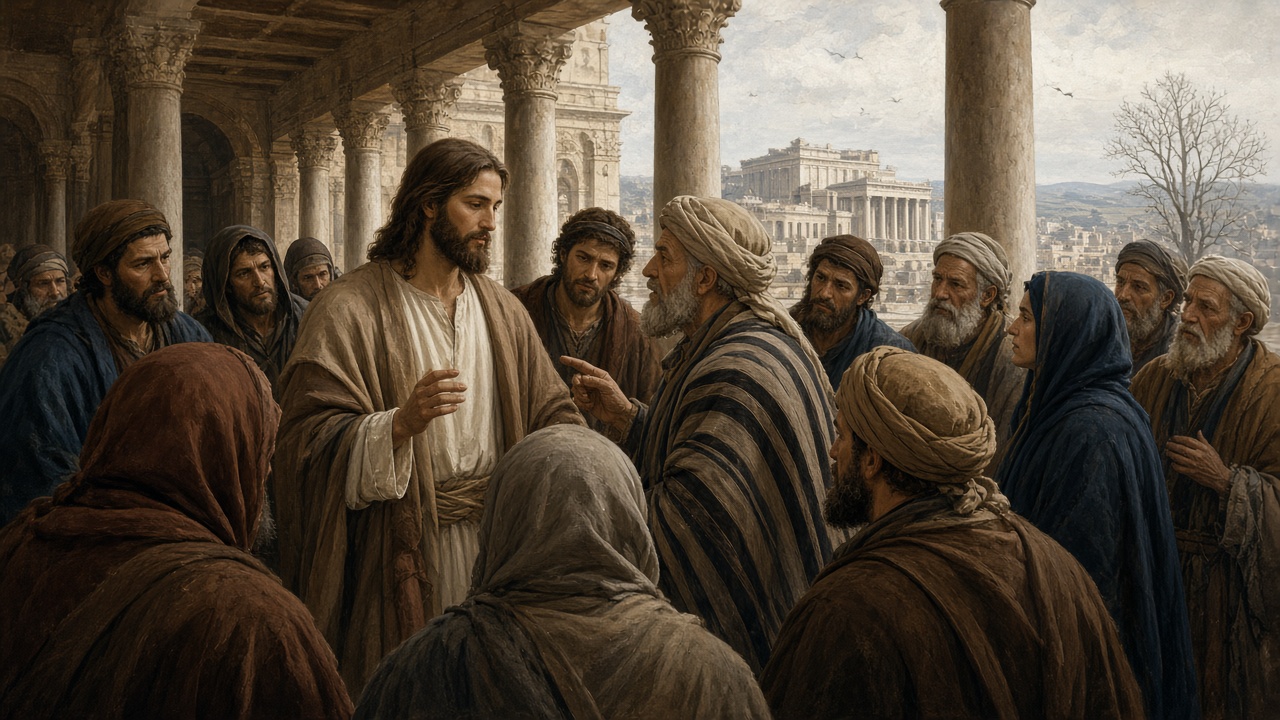
- During the Feast of Dedication in Jerusalem it was winter, and Jesus was walking in the temple courts in Solomon's Colonnade. The name Jerusalem, in a dual form, means "possession of peace" or "foundation of peace"; that form probably refers to the mountains of Zion and Moriah, or, as some suppose, to the upper and lower city. Solomon's Hebrew name, Shelomoh, means "peaceful."Sources: the Bible text itself · Jerusalem · Solomon
- A chronology of Gospel events dates the Good Shepherd teaching to AD 29, and dates a time of teaching and healing from Perea to Jerusalem to AD 30.Sources: The Good Shepherd Teaching · Teaching and Healing in Perea to Jerusalem
- Jesus then went back across the Jordan to the place where John had first been baptizing, and many people there believed in him. John was of priestly descent: his father, Zacharias, was a priest of the course of Abia, and his mother, Elisabeth, was of the daughters of Aaron. His birth, six months before that of Jesus, was foretold by an angel; those who came said that John never performed a sign, yet everything he had said about Jesus was true.Sources: the Bible text itself · John the Baptist
Notes written with AI assistance from open sources (Theographic Bible Metadata, CC BY-SA 4.0; Easton’s Bible Dictionary, public domain) and reviewed before publishing.
Places in this chapter
- Jerusalem · 31.777, 35.234 · verse 22
- Solomon’s Portico · Today: in Jerusalem · 31.777, 35.234 · verse 23
- Jordan · Today: Jordan River · 31.761, 35.558 · verse 40
Only places identified with high confidence are shown (90% or more according to the scholarly sources compiled by OpenBible). Period map: DARE (Digital Atlas of the Roman Empire), CC BY 4.0; modern map: © OpenStreetMap contributors; places: OpenBible.info (CC BY 4.0).
Credits and license for this translation
Ajigha NT Portion
Ajiya: Ajigha NT Portion (New Testament)
copyright © 2025 The Seed Company
Language: (Ajiya)
Contributor: Mission For Scripture Translation And Language Development
This translation is made available to you under the terms of the
Creative Commons Attribution Share-Alike license 4.0.
You have permission to share and redistribute this Bible translation in any format and to make reasonable revisions and adaptations of this translation, provided that:
You include the above copyright and source information.
If you make any changes to the text, you must indicate that you did so in a way that makes it clear that the original licensor is not necessarily endorsing your changes.
If you redistribute this text, you must distribute your contributions under the same license as the original.
Pictures included with Scriptures and other documents on this site are licensed just for use with those Scriptures and documents.
For other uses, please contact the respective copyright owners.
Note that in addition to the rules above, revising and adapting God's Word involves a great responsibility to be true to God's Word. See Revelation 22:18-19.
2025-05-03
Source: http://ebible.org/idc/ · eBible.org