Zephaniah 3
Biblica® Baịbụlụ Nsọ nʼIgbo Ndị Ugbu a nke dịrị onye ọbụla ịgụ · Tap a verse to see its cross-references.
Ọdịnihu Jerusalem
1Ahụhụ dịrị obodo ahụ ndị mmegbu,
na ndị na-enupu isi, na ndị rụrụ arụ jupụtara nʼime ya.
2Ọ naghị ege onye ọbụla ntị,
ọ dịghị anabata ịdọ aka na ntị.
Ọ dịghị atụkwasị Onyenwe anyị obi,
ọ dịkwaghị abịakwute Chineke ya nso.
3Ndịisi nọ nʼetiti ya
dịka ọdụm na-agbọ ụja,
ndị ọkaikpe ya dịka nkịta ọhịa na-achụ nta anyasị,
nke ihe ọ chụtara na nta adịghị anọ tutu chi abọọ.
4Ndị amụma ya bụ ndị ndu rụrụ arụ,
ha bụkwa ndị aghụghọ.
Ndị nchụaja ya na-emerụ ebe nsọ
na-ejikwa ike emebi iwu.
5Ma Onyenwe anyị, onye nọ nʼetiti ya bụ onye ezi omume.
Ọ nakwaghị eme ihe ọjọọ.
Ụtụtụ niile ka ọ na-eme ka ikpe ziri ezi ya pụta ìhè;
ụbọchị ọbụla ọ naghị ahapụ igosi ya,
ma ndị ajọ omume enweghị ihere.
Jerusalem anọgide na nnupu isi
6“Egbuchapụla m mba niile dị iche iche,
kwatukwaa ebe ha niile e wusiri ike.
Ahapụla m okporoụzọ ha ka ọ bụrụ ihe a gbahapụrụ agbahapụ,
ọ dịkwaghị onye na-esi na ha agabiga.
A laala obodo ha niile nʼiyi,
ọ dịkwaghị onye fọdụrụ, ọ bụladị otu onye.
7Asịrị m, banyere Jerusalem,
‘Nʼezie, ị ga-atụ egwu m,
ma nabatakwa ntụziaka.’
Mgbe ahụ, agaghị ebibi ebe mgbaba ya,
ma ọ bụkwanụ ntaramahụhụ m niile agaghị abịakwasịkwa ya.
Ma otu ọ dị, ọ nụrụ ha ọkụ nʼobi ịga nʼihu
mee omume rụrụ arụ nʼihe niile bụ nke ha mere.
8Nʼihi nke a, cherenụ m,” otu a ka Onyenwe anyị kwubiri,
“nʼụbọchị ahụ m ga-ebili ịgba akaebe.
Mkpebi m bụ ịchịkọta mba niile dị iche iche,
na ịkpọkọta alaeze niile,
ịwụkwasị ha oke iwe m,
ọ bụladị ọnụma niile nke iwe m.
Ọkụ, nke iwe si nʼekworo m,
ka a ga-eji rechapụ ụwa niile.
Nlọghachi nke ụmụ Izrel ndị fọdụrụ
9“Mgbe ahụ, aga m anụcha egbugbere ọnụ ndị niile dị iche iche mee ka ọ bụrụ ihe dị ọcha,
ka ha niile nwee ike ịkpọku aha Onyenwe anyị,
ma jikọta aka fekwaa ya ofufe.
10Site nʼofe osimiri niile nke Kush,
bụ ndị m a chụsasịrị achụsasị, ndị na-akpọ isiala nye m,
ga-ewetara m onyinye dị iche iche.
11Nʼụbọchị ahụ, gị bụ Jerusalem, agaghị eme ka ihere mee gị,
nʼihi omume njehie niile i jere megide m,
nʼihi na aga m esite nʼetiti gị wezuga ndị gị niile
na-aṅụrị ọṅụ na mpako ha.
A gaghị ahụkwa ndị na-afụli onwe ha elu
nʼugwu nsọ m.
12Ma aga m eme ka ndị dị nwayọọ nʼobi,
na ndị dị umeala nʼobi
fọdụ nʼetiti ndị Izrel,
ha ga-agbabakwa nʼaha Onyenwe anyị.
13Ha agaghị emekwa ihe ọjọọ,
ha agaghị ekwu okwu ụgha.
Ire na-ekwu okwu aghụghọ
agaghị adịkwa nʼọnụ ha.
Ha ga-akpa nri ma dinakwa ala,
ọ dịkwaghị onye ga-eme ka ha tụọ egwu.”
14Bụọ abụ, gị nwaada Zayọn;
tie mkpu, gị Izrel.
Ṅụrịa ọṅụ, e, jiri obi gị niile ṅụrịa ọṅụ,
gị nwaada Jerusalem.
15Nʼihi na Onyenwe anyị ewezugala ahụhụ dịrị gị,
chụghachikwa ndị iro gị azụ.
Onyenwe anyị, onye bụ Eze Izrel, nọ nʼetiti gị.
Ị gaghị atụkwa egwu ihe ọjọọ ọzọ.
16Nʼụbọchị ahụ,
ihe a ga-agwa Jerusalem ga-abụ,
“Atụla egwu, gị Zayọn,
ekwela ka aka gị daa mba.
17Onyenwe anyị bụ Chineke gị nọ nʼetiti gị,
ọ bụ Dike nʼagha nke na-enye mmeri.
Ọ ga-eji ọṅụ nwee mmasị na ahụ gị;
nʼihi ịhụnanya ya, ọ gaghị abakwara gị mba,
kama ọ ga-eji oke iti mkpu abụ ṅụrịa ọṅụ nʼebe ị nọ.”
18“Nʼụbọchị mmemme a kara aka,
aga m ewepụrụ gị ọdachi iru ụjụ,
nke bụ ibu arụ na ihe ịta ụta dịrị gị.
19Nʼoge ahụ,
aga m emesi ndị ahụ niile na-emegbu gị ike.
Aga m azọpụta ndị ụkwụ rụrụ,
chịkọtakwa ndị niile e mere ka ha gaa biri nʼala ndị ọzọ.
Aga m agbanwe ihere ha ka ọ bụrụ ihe otuto
nʼihe na-ewu ewu nʼụwa ebe ha natara ihere.
20Nʼoge ahụ, aga m akpọlata unu nʼụlọ;
mgbe m ga-akpọkọta unu ọnụ.
Aga m eme ka unu na-ewu ewu
ka unu nwekwaa otuto nʼetiti mmadụ niile bi nʼụwa,
mgbe m ga-eweghachi ihe ọma unu
nʼihu anya unu.”
Ka Onyenwe anyị kwuru.
Did you know?
Judgment, Humility, and Joy in Jerusalem
- Zephaniah denounces the corruption among Jerusalem's ruling classes, comparing its princes to roaring lions, its judges to evening wolves, and its priests to violators of the sacred law. In contrast, the chapter portrays God as consistently righteous within the city, executing justice morning after morning without fail.Sources: the Bible text itself
- The prophecy anticipates a global restoration where peoples call on the Lord with pure speech, including worshippers bringing offerings from beyond the rivers of Cush, a region situated south of Egypt. The text emphasizes that those who remain will not be proud, but a meek and humble remnant who trust in God.Sources: the Bible text itself · Cush
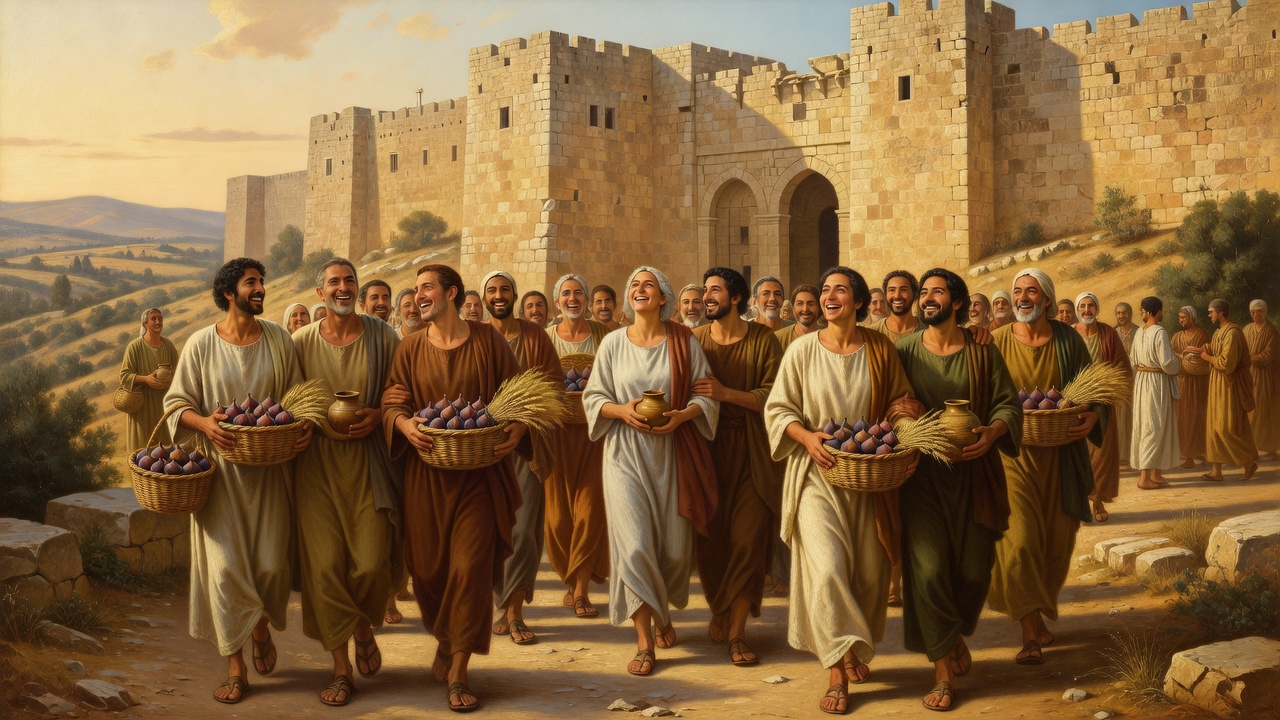
- Jerusalem is addressed as the Daughter of Zion, referencing the prominent hill upon which David built his citadel and which became a symbolic name for the holy city. Rather than facing fear and reproach, the community is summoned to celebrate joyfully as their captives are gathered and restored.Sources: the Bible text itself · Zion · Jerusalem
Notes written with AI assistance from open sources (Theographic Bible Metadata, CC BY-SA 4.0; Easton’s Bible Dictionary, public domain) and reviewed before publishing.
Places in this chapter
- Jerusalem · 31.777, 35.234 · verses 1, 7, 11, 14, 16
- Cush · Today: Cush 1 · 16.935, 33.751 · verse 10
- Zion · Today: Jerusalem · 31.777, 35.234 · verses 14, 16, 18
Only places identified with high confidence are shown (90% or more according to the scholarly sources compiled by OpenBible). Period map: DARE (Digital Atlas of the Roman Empire), CC BY 4.0; modern map: © OpenStreetMap contributors; places: OpenBible.info (CC BY 4.0).
Credits and license for this translation
Biblica® Baịbụlụ Nsọ nʼIgbo Ndị Ugbu a nke dịrị onye ọbụla ịgụ The Holy Bible in the Igbo language of Nigeria: Biblica® Baịbụlụ Nsọ nʼIgbo Ndị Ugbu a nke dịrị onye ọbụla ịgụ copyright © 2020 Biblica, Inc. Language: Igbo Contributor: Biblica, Inc. This work is made available under the Creative Commons Attribution-ShareAlike 4.0 International License (CC BY-SA). To view a copy of this license, visit http://creativecommons.org/licenses/by-sa/4.0 or send a letter to Creative Commons, PO Box 1866, Mountain View, CA 94042, USA. Biblica® is a trademark registered by Biblica, Inc., and use of the Biblica® trademark requires the written permission of Biblica, Inc. Under the terms of the CC BY-SA license, you may copy and redistribute this unmodified work as long as you keep the Biblica® trademark intact. If you modify a copy or translate this work, thereby creating a derivative work, you must remove the Biblica® trademark. On the derivative work, you must indicate what changes you have made and attribute the work as follows: “The original work by Biblica, Inc. is available for free at www.biblica.com and open.bible.” Notice of copyright must appear on the title or copyright page of the work as follows: Biblica® Baịbụlụ Nsọ nʼIgbo Ndị Ugbu a nke dịrị onye ọbụla ịgụ Ndị Biblica, Inc. degharịrị ya nʼafọ © 1980, 1988, 2019, 2020 Biblica® Open Igbo Contemporary Bible™ Copyright © 1980, 1988, 2019, 2020 by Biblica, Inc. “Biblica” bụ akara e ji mara ụlọ ọrụ a, nke edebanyere dịka iwu si kwado nʼụlọ ọrụ dị nʼobodo United States, ebe a na-enye akara a na ikike maka azụm ahịa ndị Biblica, Inc. Ọ bụ ha ka e nyere ikike idenye ya. “Biblica” is a trademark registered in the United States Patent and Trademark Office by Biblica, Inc. Used with permission. You must also make your derivative work available under the same license (CC BY-SA). If you would like to notify Biblica, Inc. regarding your translation of this work, please contact us at https://open.bible/contact-us. This translation is made available to you under the terms of the Creative Commons Attribution Share-Alike license 4.0. You have permission to share and redistribute this Bible translation in any format and to make reasonable revisions and adaptations of this translation, provided that: You include the above copyright and source information. If you make any changes to the text, you must indicate that you did so in a way that makes it clear that the original licensor is not necessarily endorsing your changes. If you redistribute this text, you must distribute your contributions under the same license as the original. Pictures included with Scriptures and other documents on this site are licensed just for use with those Scriptures and documents. For other uses, please contact the respective copyright owners. Note that in addition to the rules above, revising and adapting God's Word involves a great responsibility to be true to God's Word. See Revelation 22:18-19. 2023-04-12
Source: http://ebible.org/ibo/ · eBible.org