Psalms 42
Biblica® Baịbụlụ Nsọ nʼIgbo Ndị Ugbu a nke dịrị onye ọbụla ịgụ · Tap a verse to see its cross-references.
Nchịkọta Akwụkwọ nke Abụọ
Abụ Ọma nke dịrị onyeisi abụ. Abụ Maskil nke ụmụ Kora.
Iru ụjụ na nkasiobi onye ezi omume
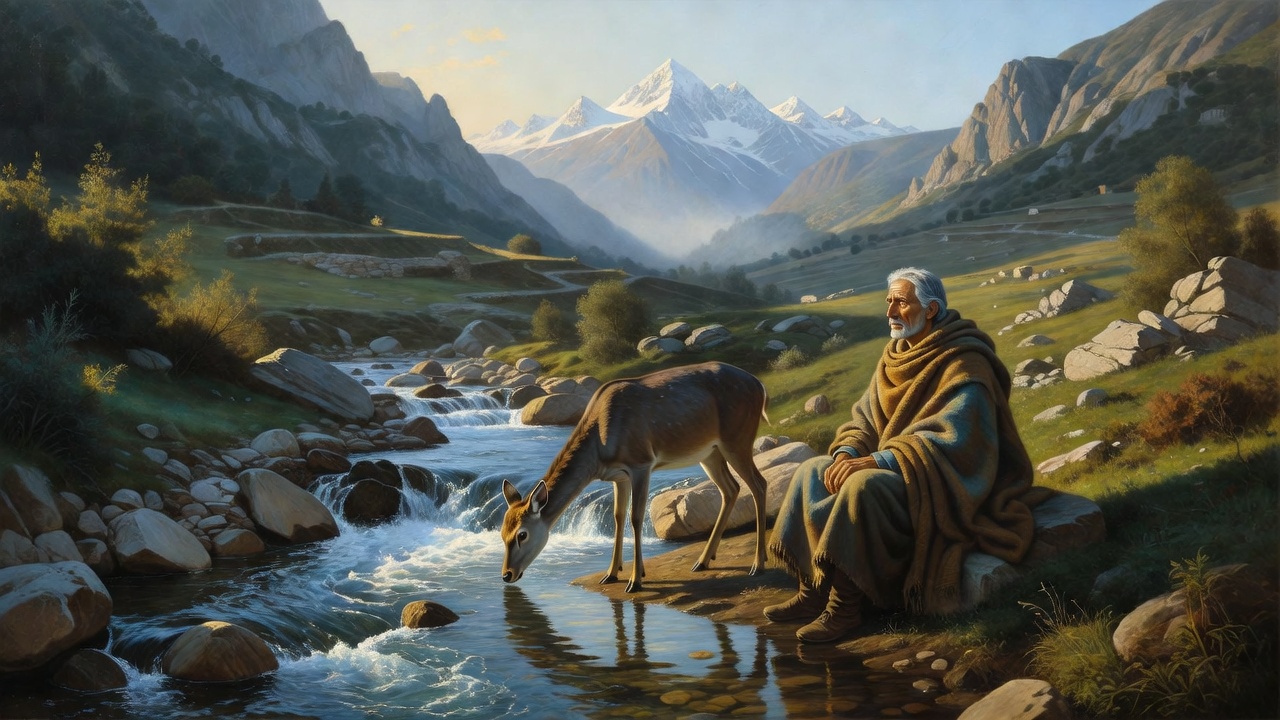
1Dịka agụụ ịṅụ mmiri si na-agụ nne ele,
otu a ka agụụ ihe banyere gị si na-agụ m, O Chineke.
2Akpịrị nke ihe banyere Chineke, bụ Chineke ahụ dị ndụ, na-akpọ m nkụ.
Olee mgbe m pụrụ ịga zute Chineke?
3Anya mmiri m aghọọlara m ihe oriri
nʼehihie ma nʼabalị,
mgbe ndị mmadụ na-asị m ogologo ụbọchị niile,
“Olee ebe Chineke gị nọ?”
4Ihe ndị a ka m na-echeta
mgbe m na-ekwupụta ihe mgbu nke obi m:
ma m cheta mgbe mụ na igwe mmadụ so aga,
mgbe m ji iti mkpu ọṅụ na ekele na-edu ha
nʼetiti ọha kachasị ibe ya, ndị ọṅụ juru obi,
na-aga nʼụlọ Chineke.
5O mkpụrụobi m, gịnị mere i ji daa mba?
Gịnị mere i ji na-asụ ude nʼime m?
Nwee olileanya na Chineke,
nʼihi na m ka ga-eto ya,
Onye nzọpụta m na Chineke m.
6Mkpụrụobi m na-ada mba nʼime m;
ya mere, aga m echeta gị
site nʼala Jọdan,
na ebe dị elu nke Hemon, na sitekwa nʼugwu Miza.
7Ogbu mmiri na-akpọku ogbu mmiri
mgbe olu ha na-ada ụda nʼetiti nruda mmiri gị niile;
ebili mmiri gị niile na mmali mmiri gị niile
ekpuchiela isi m.
8Nʼehihie, Onyenwe anyị na-awụkwasị m ịhụnanya ya,
nʼabalị abụ ya dị m nʼobi,
ekpere nye Chineke nke ndụ m.
9Ana m asị Chineke, oke nkume m,
“Gịnị mere i ji chefuo m?
Gịnị mere m ga-eji na-ejegharị nʼiru ụjụ
nʼihi mmegbu nke onye iro?”
10Ọkpụkpụ m na-agabiga oke ihe mgbu,
mgbe ndị iro m ji m na-eme ihe ọchị,
ogologo ụbọchị niile ha na-ajụ m,
“Olee ebe Chineke gị nọ?”
11O mkpụrụobi m, gịnị mere i ji daa mba?
Gịnị mere i ji na-asụ ude nʼime m?
Nwee olileanya na Chineke,
nʼihi na m ka ga-eto ya ọzọ,
Onye nzọpụta m na Chineke m.
Did you know?
Thirsting for God Far from Home
- The psalm is introduced as a song of the sons of Korah, a Levitical family descended from the Levite Korah who took part in temple music and worship.Sources: the Bible text itself · Korah (Levite)
- The speaker longs for God from the northern borderlands, mentioning the Jordan, Mount Hermon, and Mount Mizar. Hermon is a towering range with multiple peaks reaching over 9,000 feet, while Mizar (meaning 'smallness') represents a lesser neighboring summit.Sources: the Bible text itself · Hermon · Hill Mizar
- The poem uses vivid water metaphors, moving from a thirsty deer longing for mountain streams to roaring waterfalls and crashing waves that symbolize overwhelming emotional distress.Sources: the Bible text itself
Notes written with AI assistance from open sources (Theographic Bible Metadata, CC BY-SA 4.0; Easton’s Bible Dictionary, public domain) and reviewed before publishing.
Places in this chapter
Only places identified with high confidence are shown (90% or more according to the scholarly sources compiled by OpenBible). Period map: DARE (Digital Atlas of the Roman Empire), CC BY 4.0; modern map: © OpenStreetMap contributors; places: OpenBible.info (CC BY 4.0).
Credits and license for this translation
Biblica® Baịbụlụ Nsọ nʼIgbo Ndị Ugbu a nke dịrị onye ọbụla ịgụ The Holy Bible in the Igbo language of Nigeria: Biblica® Baịbụlụ Nsọ nʼIgbo Ndị Ugbu a nke dịrị onye ọbụla ịgụ copyright © 2020 Biblica, Inc. Language: Igbo Contributor: Biblica, Inc. This work is made available under the Creative Commons Attribution-ShareAlike 4.0 International License (CC BY-SA). To view a copy of this license, visit http://creativecommons.org/licenses/by-sa/4.0 or send a letter to Creative Commons, PO Box 1866, Mountain View, CA 94042, USA. Biblica® is a trademark registered by Biblica, Inc., and use of the Biblica® trademark requires the written permission of Biblica, Inc. Under the terms of the CC BY-SA license, you may copy and redistribute this unmodified work as long as you keep the Biblica® trademark intact. If you modify a copy or translate this work, thereby creating a derivative work, you must remove the Biblica® trademark. On the derivative work, you must indicate what changes you have made and attribute the work as follows: “The original work by Biblica, Inc. is available for free at www.biblica.com and open.bible.” Notice of copyright must appear on the title or copyright page of the work as follows: Biblica® Baịbụlụ Nsọ nʼIgbo Ndị Ugbu a nke dịrị onye ọbụla ịgụ Ndị Biblica, Inc. degharịrị ya nʼafọ © 1980, 1988, 2019, 2020 Biblica® Open Igbo Contemporary Bible™ Copyright © 1980, 1988, 2019, 2020 by Biblica, Inc. “Biblica” bụ akara e ji mara ụlọ ọrụ a, nke edebanyere dịka iwu si kwado nʼụlọ ọrụ dị nʼobodo United States, ebe a na-enye akara a na ikike maka azụm ahịa ndị Biblica, Inc. Ọ bụ ha ka e nyere ikike idenye ya. “Biblica” is a trademark registered in the United States Patent and Trademark Office by Biblica, Inc. Used with permission. You must also make your derivative work available under the same license (CC BY-SA). If you would like to notify Biblica, Inc. regarding your translation of this work, please contact us at https://open.bible/contact-us. This translation is made available to you under the terms of the Creative Commons Attribution Share-Alike license 4.0. You have permission to share and redistribute this Bible translation in any format and to make reasonable revisions and adaptations of this translation, provided that: You include the above copyright and source information. If you make any changes to the text, you must indicate that you did so in a way that makes it clear that the original licensor is not necessarily endorsing your changes. If you redistribute this text, you must distribute your contributions under the same license as the original. Pictures included with Scriptures and other documents on this site are licensed just for use with those Scriptures and documents. For other uses, please contact the respective copyright owners. Note that in addition to the rules above, revising and adapting God's Word involves a great responsibility to be true to God's Word. See Revelation 22:18-19. 2023-04-12
Source: http://ebible.org/ibo/ · eBible.org