Nehemiah 8
Biblica® Baịbụlụ Nsọ nʼIgbo Ndị Ugbu a nke dịrị onye ọbụla ịgụ · Tap a verse to see its cross-references.
1Ndị mmadụ niile zukọrọ dịka otu onye na mbara ala dị nʼỌnụ Ụzọ Ama Mmiri. Ha gwara Ezra onye nkuzi ka ọ weta akwụkwọ Mosis, nke Onyenwe anyị nyere ndị Izrel nʼiwu.
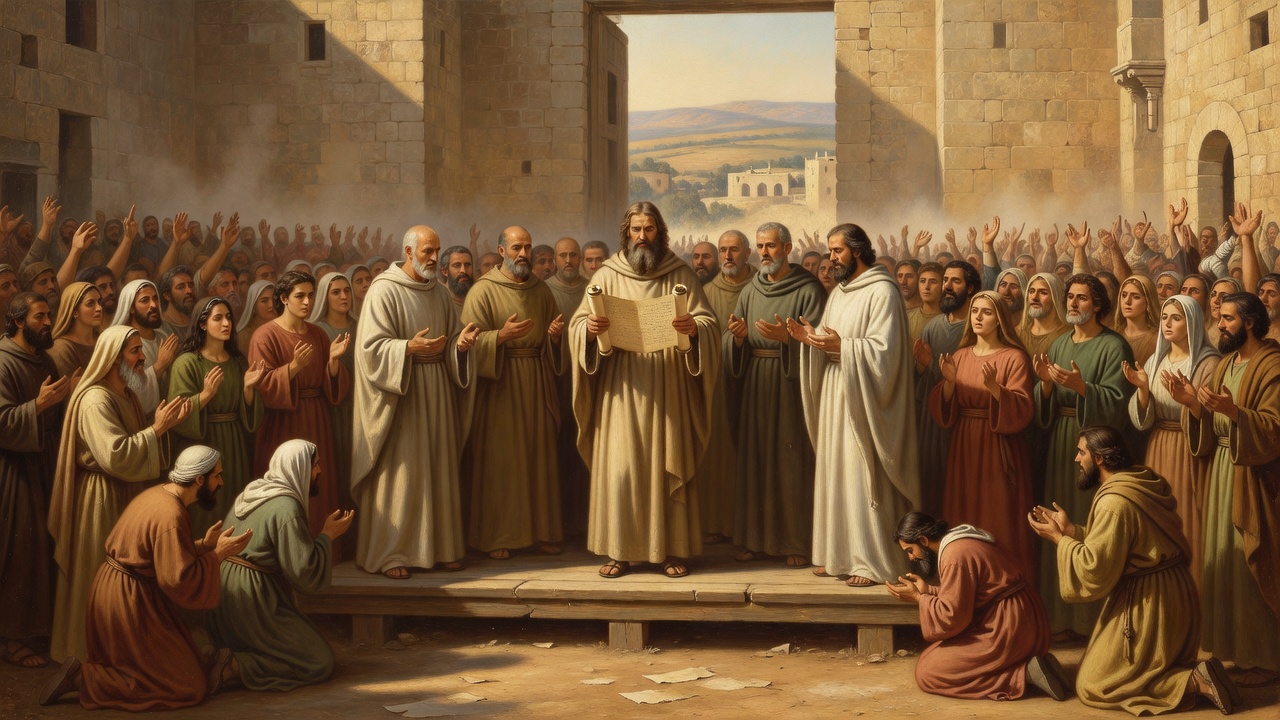
2Ya mere, Ezra, onye nchụaja wepụtara akwụkwọ Iwu ahụ nʼụbọchị mbụ nke ọnwa asaa nʼihu mkpọkọta ahụ bụ nke ndị ikom na ndị inyom na onye ọbụla ga-aghọta ihe mejupụtara. 3O chere ihu nʼỌnụ Ụzọ Ama Mmiri were oke olu gụọ ya site nʼụtụtụ ruokwa ehihie nʼihu ndị nwoke, ndị nwanyị na ndị ọzọ nwere ike ịghọta ihe o na-agụ. Mmadụ niile gekwara ntị na ngụpụta nke akwụkwọ iwu ahụ.
4Ezra onye ode akwụkwọ, rigoro nʼelu ihe mgbakwasị ụkwụ ha mere maka nke a. Ndị guzo nʼaka nri ya bụ, Matitaia, Shema, Anaia, Ụraya, Hilkaya na Maaseia. Ndị guzo nʼaka ekpe ya bụkwa ndị a: Pedaia, Mishael, Malkija, Hashum, Hashbadana, Zekaraya na Meshulam.
5Ezra meghere akwụkwọ ahụ mgbe mmadụ niile na-ahụzu ya nʼihi na o guzoro nʼebe dị elu mgbe ọ na-agụ ya. Mmadụ niile guzoro ọtọ mgbe ọ na-agụ ya. 6Mgbe ahụ, Ezra gọziri Onyenwe anyị Chineke ukwu ahụ, mmadụ niile zakwara sị; “Amen! Amen!” Ha chịlịri aka ha abụọ elu, kpọọ isiala nye Onyenwe anyị.
7Ndị Livayị aha ha bụ Jeshua, Bani, Sherebaya, Jamin, Akub, Shabetai, Hodia, Maaseia, Kelita, Azaraya, Jozabad, Hanan na Pelia, kuziri ndị mmadụ ihe dị nʼIwu mee ka ha ghọta ya dịka ha guzo nʼebe ahụ. 8Ha gụpụtara site nʼakwụkwọ iwu Chineke ahụ, sụgharịa ya, kọwazie ọkpụrụkpụ okwu niile dị nʼihe a gụpụtara, mee ka ndị mmadụ ghọta ihe a na-agụpụta nke ọma.
9Mgbe ahụ, Nehemaya, onyeisi ọchịchị, na Ezra, ode akwụkwọ na onye nchụaja, na ndị Livayị ahụ na-atụziri ndị mmadụ ihe, gwara ndị ahụ niile sị: “Taa bụ ụbọchị dị nsọ nye Onyenwe anyị, Chineke unu. Unu erula ụjụ maọbụ bee akwa.” Nʼihi na ha niile na-akwa akwa mgbe ha na-ege ntị nʼokwu niile nke iwu ahụ.
10Nehemaya gwakwara ha sị; “Laanụ nʼụlọ unu gaa mee mmemme oriri na ọṅụṅụ nyekwanụ ndị na-enweghị nke ha ga-eri. Ụbọchị taa dị nsọ nye Chineke anyị. Unu erukwala ụjụ, nʼihi na ọṅụ Onyenwe anyị bụ ike unu.”
11Ndị Livayị mere ka ndị mmadụ ahụ nọrọ nwayọọ, na-asị, “Nọrọnụ nwayọọ, nʼihi na taa bụ ụbọchị dị nsọ, ọ bụghị ụbọchị iru ụjụ na anya mmiri.”
12Ya mere, ha niile lawara ị ga rie ma ṅụọ, na ikenye ndị ọzọ site nʼihe ha nwere. Ha gakwara ime mmemme nke oke ọṅụ, nʼihi na ha ghọtara okwu agwara ha.
13Nʼụbọchị nke abụọ nke ọnwa ahụ, ndịisi ezinaụlọ niile na ndị nchụaja, na ndị Livayị, zukọrọ nʼebe Ezra, bụ onye nkuzi nọ, maka itinye uche nʼakwụkwọ iwu ahụ. 14Mgbe ha na-agụ ya, ha chọpụtara ebe Onyenwe anyị gwara Mosis sị ya na ụmụ Izrel kwesiri ibi nʼụlọ ikwu mgbe ọbụla a na-eme mmemme ụlọ ikwu nke a ga-eme nʼọnwa ahụ. 15O kwukwara na ha ga-ekwusa okwu a nʼobodo niile nke Juda na Jerusalem sị; “Gaanụ nʼala ugwu ugwu gbute alaka osisi oliv ụlọ, na alaka oliv ọhịa, na alaka osisi mietul, na alaka nkwụ, na alaka osisi ndị ọzọ na-enye ndo nke a ga-eji wuo ebe unu ga-ebi tutu ruo mgbe mmemme ahụ ga-agwụsị, dịka e dere ya nʼakwụkwọ iwu.”
16Ya mere, ndị ahụ pụrụ gaa weta alaka osisi, jiri ha wuore onwe ha ụlọ ahịhịa ha ga-ebi nwa mgbe nta nʼelu ụlọ ha, na nʼogige ụlọ nke aka ha, nakwa nʼogige ụlọ Chineke, na mbara ala Ọnụ Ụzọ Ama Mmiri, na nʼakụkụ Ọnụ Ụzọ Ama Ifrem. 17Ndị ahụ niile si na ndọta nʼagha lọta wuuru onwe ha ụlọ ikwu biri nʼime ya ụbọchị asaa ahụ niile e mere mmemme ahụ. Oke ọṅụ jupụtara obi mmadụ niile, nʼihi na site nʼoge Joshua nwa Nun ruo nʼoge a, o nwebeghị mgbe ụmụ Izrel mere mmemme a nʼụzọ dị otu a.
18Ezra na-agụpụta site nʼakwụkwọ iwu Chineke kwa ụbọchị, site nʼụbọchị mbụ ruo nʼụbọchị ikpeazụ. Ha mere mmemme ahụ ụbọchị asaa ma nʼụbọchị nke asatọ ha nwere ọgbakọ ofufe mmechi dịka e dere ya nʼiwu.
Did you know?
The Reading of the Law and the Feast of Booths
- Ezra the scribe, a priest descended from Aaron who had led exiles back from Babylon, read the Book of the Law of Moses from daybreak until noon to the assembly in Jerusalem. Standing on a high wooden platform in the square before the Water Gate, he read while Levites explained the text so the entire crowd could understand.Sources: the Bible text itself · Ezra · Water Gate · Jerusalem
- When the people wept upon hearing the Law read, Nehemiah the governor, Ezra, and the Levites instructed them not to grieve on a holy day. The people were told to celebrate with rich food and sweet drinks, share portions with those who had nothing prepared, and take comfort in the joy of the Lord.Sources: the Bible text itself
- After discovering the command in the Law to live in booths during the seventh month, the returned exiles gathered palm, olive, and myrtle branches to build shelters across Jerusalem's rooftops, courts, and squares by the Water Gate and the Gate of Ephraim. The text notes that the Israelites had not celebrated this feast in such a manner since the time of Joshua son of Nun.Sources: the Bible text itself · Water Gate · Gate of Ephraim
Notes written with AI assistance from open sources (Theographic Bible Metadata, CC BY-SA 4.0; Easton’s Bible Dictionary, public domain) and reviewed before publishing.
Places in this chapter
- Water Gate · Today: in Jerusalem · 31.777, 35.234 · verses 1, 3, 16
- Jerusalem · 31.777, 35.234 · verse 15
- Ephraim Gate · Today: in Jerusalem · 31.777, 35.234 · verse 16
Only places identified with high confidence are shown (90% or more according to the scholarly sources compiled by OpenBible). Period map: DARE (Digital Atlas of the Roman Empire), CC BY 4.0; modern map: © OpenStreetMap contributors; places: OpenBible.info (CC BY 4.0).
Credits and license for this translation
Biblica® Baịbụlụ Nsọ nʼIgbo Ndị Ugbu a nke dịrị onye ọbụla ịgụ The Holy Bible in the Igbo language of Nigeria: Biblica® Baịbụlụ Nsọ nʼIgbo Ndị Ugbu a nke dịrị onye ọbụla ịgụ copyright © 2020 Biblica, Inc. Language: Igbo Contributor: Biblica, Inc. This work is made available under the Creative Commons Attribution-ShareAlike 4.0 International License (CC BY-SA). To view a copy of this license, visit http://creativecommons.org/licenses/by-sa/4.0 or send a letter to Creative Commons, PO Box 1866, Mountain View, CA 94042, USA. Biblica® is a trademark registered by Biblica, Inc., and use of the Biblica® trademark requires the written permission of Biblica, Inc. Under the terms of the CC BY-SA license, you may copy and redistribute this unmodified work as long as you keep the Biblica® trademark intact. If you modify a copy or translate this work, thereby creating a derivative work, you must remove the Biblica® trademark. On the derivative work, you must indicate what changes you have made and attribute the work as follows: “The original work by Biblica, Inc. is available for free at www.biblica.com and open.bible.” Notice of copyright must appear on the title or copyright page of the work as follows: Biblica® Baịbụlụ Nsọ nʼIgbo Ndị Ugbu a nke dịrị onye ọbụla ịgụ Ndị Biblica, Inc. degharịrị ya nʼafọ © 1980, 1988, 2019, 2020 Biblica® Open Igbo Contemporary Bible™ Copyright © 1980, 1988, 2019, 2020 by Biblica, Inc. “Biblica” bụ akara e ji mara ụlọ ọrụ a, nke edebanyere dịka iwu si kwado nʼụlọ ọrụ dị nʼobodo United States, ebe a na-enye akara a na ikike maka azụm ahịa ndị Biblica, Inc. Ọ bụ ha ka e nyere ikike idenye ya. “Biblica” is a trademark registered in the United States Patent and Trademark Office by Biblica, Inc. Used with permission. You must also make your derivative work available under the same license (CC BY-SA). If you would like to notify Biblica, Inc. regarding your translation of this work, please contact us at https://open.bible/contact-us. This translation is made available to you under the terms of the Creative Commons Attribution Share-Alike license 4.0. You have permission to share and redistribute this Bible translation in any format and to make reasonable revisions and adaptations of this translation, provided that: You include the above copyright and source information. If you make any changes to the text, you must indicate that you did so in a way that makes it clear that the original licensor is not necessarily endorsing your changes. If you redistribute this text, you must distribute your contributions under the same license as the original. Pictures included with Scriptures and other documents on this site are licensed just for use with those Scriptures and documents. For other uses, please contact the respective copyright owners. Note that in addition to the rules above, revising and adapting God's Word involves a great responsibility to be true to God's Word. See Revelation 22:18-19. 2023-04-12
Source: http://ebible.org/ibo/ · eBible.org