Nehemiah 5
Biblica® Baịbụlụ Nsọ nʼIgbo Ndị Ugbu a nke dịrị onye ọbụla ịgụ · Tap a verse to see its cross-references.
Nehemaya enyere ndị ogbenye aka
1Nʼoge ahụ, ụfọdụ ezinaụlọ bidoro itamu ntamu megide ndị Juu ibe ha. 2Ụfọdụ na-atamu na-asị, “Anyị na ụmụ anyị dị ukwuu nʼọnụọgụgụ. Ọ bụrụ na anyị ga-eri nri dị ndụ, o kwesikwara ka anyị nwee ike ịzụrụ ọka.”
3Ndị ọzọ na-asịkwa, “Anyị agbaala ubi anyị, ubi vaịnị anyị na ụlọ anyị nʼibe ka anyị nweta mkpụrụ ubi nʼoge ụnwụ.”
4Ma ndị ọzọkwa na-asị, “Lee na anyị gbazitere ego anyị ji tụọ ụtụ isi eze maka ubi anyị na ubi vaịnị anyị. 5Nʼagbanyeghị na ọ bụ otu anụ ahụ na ọbara ka anyị na ndị Juu ọzọ nwere, dịka ụmụ ha dị ka ụmụ anyị dịkwa, ma anyị emeela ka ụmụ anyị ndị ikom na ndị inyom bụrụ ndị ohu. Ụfọdụ nʼime ụmụ anyị ndị inyom abụrụlarị ndị ohu, ma anyị enweghị ike nke aka anyị, nʼihi na ndị ọzọ bụ ndị nwezi ala ubi anyị na ubi vaịnị anyị niile.”
6Iwe were m nke ukwuu mgbe m nụrụ mkpu akwa ha na mkpesa ndị a. 7Ya mere, mgbe m chesiri echiche banyere ya, e boro m ndị a na-asọpụrụ na ndị ọchịchị ebubo. A gwara m ha, “Unu na-anara ụmụnna unu ọmụrụnwa ego unu enyere ha.” Ya mere, a kpọrọ m nzukọ ọha mmadụ maka imegide ha. 8Nʼụbọchị nzukọ ahụ, agwara m ha okwu sị, “Ọtụtụ nʼime anyị na-agbalị nʼụzọ niile ịhụ na anyị zụtaghachiri ụmụnna anyị ndị Juu bu ndị e resiri ndị mba ọzọ. Ma unu nọ nʼebe a na-agbalị ime ha ka ha ghọọ ndị ohu unu. Ruo ole mgbe ka anyị ga-anọgide na-agbapụta ha site nʼọnọdụ ibu ohu?” Ma ha niile ekwughị okwu ọbụla, nʼihi na ha enweghị ihe ha ga-ekwu.
9Agwakwara m ha okwu ọzọ sị, “Ihe unu na-eme jọrọ njọ. O kwesighị ka unu tụọ egwu Chineke si otu a gbanarị nkọcha nke ndị iro anyị, bụ ndị mba ọzọ?” 10Mụ onwe m na ụmụnna m na ndị na-ejere m ozi na-agbazinye ụmụnne anyị ego na ọka. Ma ka anyị kwụsị ịnara ọmụrụnwa. 11Nyeghachinụ ha ala ubi ha niile ngwangwa, ma ubi vaịnị ha niile, ubi oliv ha niile, ụlọ ha niile na ọmụrụnwa nke unu na-anara ha nke bụ otu ụzọ nʼime narị nke ego, ọka, mmanya ọhụrụ na mmanụ.
12Ha sịrị, “Anyị ga-enyeghachi ha. Anyị agakwaghị anara ha ihe ọzọ. Anyị ga-emezu ihe i kwuru.”
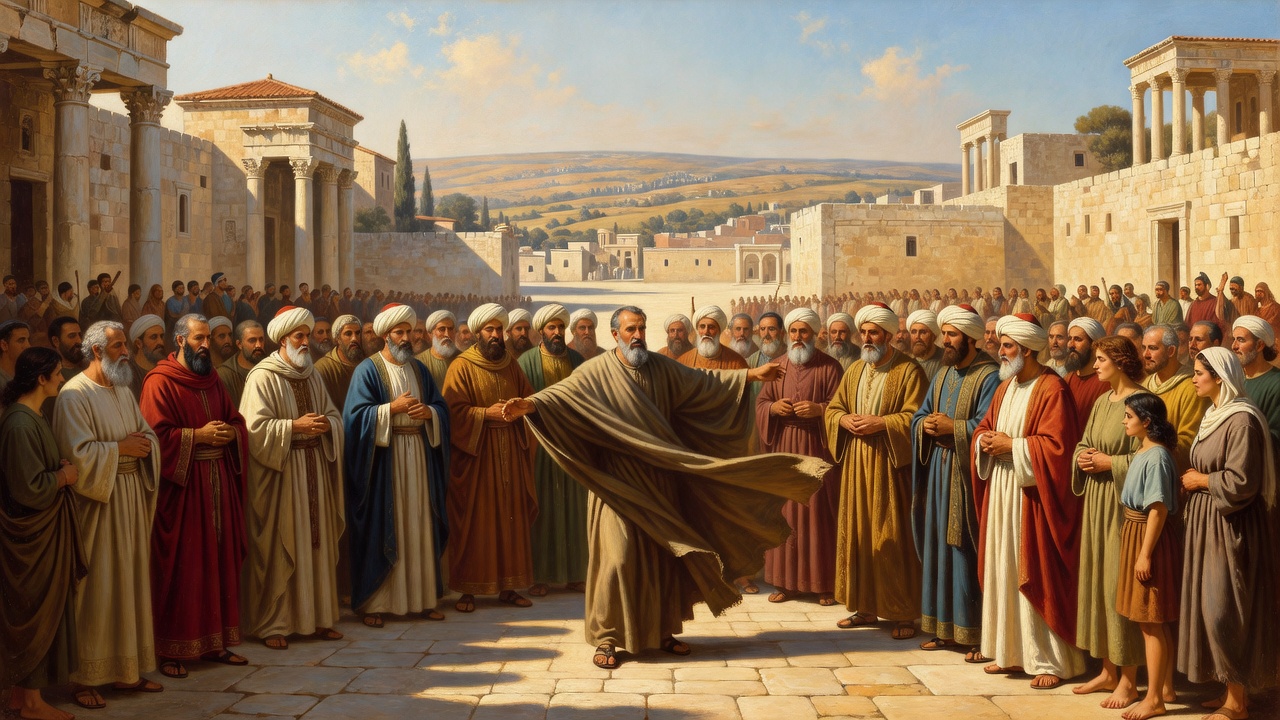
Mgbe ahụ, akpọkọtara m ndị nchụaja, mee ka ndị ndu na ndịisi ozi ṅụọ iyi imezu nkwa ha. 13Ayọgharịrị m ọnụ ọnụ uwe mwụda m sị, “Otu a ka Chineke ga-esi yọchapụ site nʼụlọ ha na ihe nweta ha onye ọbụla nke na-agaghị edebezu nkwa a.”
Ndị niile zukọrọ kwere sị, “Amen.” Ha tokwara Onyenwe anyị: Ha niile mekwara ihe ha kwere na nkwa.
14Ọzọ, nʼime afọ iri na abụọ ahụ a họpụtara m ị bụ onyeisi ọchịchị na Juda, site nʼiri afọ abụọ nke ịbụ eze Ataksekses ruo nʼafọ iri atọ na abụọ ya, mụ na ụmụnne m esiteghị na nri a na-atụkọrọ onyeisi ọchịchị were ihe oriri ọbụla. 15Ma ọ bụghị otu a ka o si dị na mbụ, nʼihi na ndịisi ọchịchị niile buru m ụzọ chịa boro ndị ahụ ibu arọ dị ukwuu. Ha na-anakọta site nʼaka onye ọbụla iri mkpụrụ ọlaọcha anọ, tinyere ihe oriri na mmanya ha na-ewebatakwa. Ọbụladị ndị na-enyere ha aka mekpakwara ndị mmadụ ahụ. Ma emeghị m otu a, nʼihi ịtụ egwu Chineke. 16Kama, anọgidesiri m ike nʼọrụ iwugharị mgbidi ahụ, achịkọtara ndị ikom m niile nʼebe ahụ nʼihi ije ozi a. Ọ dịghịkwa ala anyị zụrụ.
17Ma otu ọ dị, ndịisi Juu ọnụọgụgụ ha dị otu narị na iri na ise na-eri nri na tebul m, tinyere ndị na-abịakwute anyị site na mba ndị dị anyị gburugburu. 18Ihe na-ezu nri a na-eri nʼụlọ m kwa ụbọchị bụ otu ehi na atụrụ isii gbara abụba, na ọtụtụ ọkụkụ, na ụdị mmanya dị iche iche a na-ebubata kwa ụbọchị iri ọbụla. Nʼagbanyeghị nke a, ọ dịghị mgbe ọbụla m nara site nʼaka ha ụtụ ihe oriri nke onye na-achị ala kwesiri inweta, nʼihi na ha onwe ha nọ na mkpa dị ukwuu.
19Chineke m biko, echefula ihe m meere ndị a, gọzie m nʼụzọ nke gị.
Did you know?
Economic Crisis and Social Justice
- The Jewish community faced simultaneous economic pressures, including famine, imperial Persian taxation, and interest-bearing loans issued by wealthy countrymen. To survive and pay royal taxes, poorer families mortgaged their fields and vineyards and were forced to surrender their sons and daughters into debt slavery to fellow Jews.Sources: the Bible text itself
- To seal the agreement to cancel debts and restore seized property, Nehemiah had the nobles swear an oath before priests and performed a symbolic gesture by shaking out the folds of his robe. This dramatized the consequence that anyone breaking the pledge would be emptied out of their house and property by God.Sources: the Bible text itself
- Nehemiah served as governor in the land of Judah for twelve years, from the twentieth to the thirty-second year of the Persian king Artaxerxes. During this tenure, he declined the customary governor's tax allowance of food, wine, and forty shekels of silver to relieve the struggling populace, while hosting 150 officials and foreign guests at his own expense.Sources: the Bible text itself · Artaxerxes
Notes written with AI assistance from open sources (Theographic Bible Metadata, CC BY-SA 4.0; Easton’s Bible Dictionary, public domain) and reviewed before publishing.
Credits and license for this translation
Biblica® Baịbụlụ Nsọ nʼIgbo Ndị Ugbu a nke dịrị onye ọbụla ịgụ The Holy Bible in the Igbo language of Nigeria: Biblica® Baịbụlụ Nsọ nʼIgbo Ndị Ugbu a nke dịrị onye ọbụla ịgụ copyright © 2020 Biblica, Inc. Language: Igbo Contributor: Biblica, Inc. This work is made available under the Creative Commons Attribution-ShareAlike 4.0 International License (CC BY-SA). To view a copy of this license, visit http://creativecommons.org/licenses/by-sa/4.0 or send a letter to Creative Commons, PO Box 1866, Mountain View, CA 94042, USA. Biblica® is a trademark registered by Biblica, Inc., and use of the Biblica® trademark requires the written permission of Biblica, Inc. Under the terms of the CC BY-SA license, you may copy and redistribute this unmodified work as long as you keep the Biblica® trademark intact. If you modify a copy or translate this work, thereby creating a derivative work, you must remove the Biblica® trademark. On the derivative work, you must indicate what changes you have made and attribute the work as follows: “The original work by Biblica, Inc. is available for free at www.biblica.com and open.bible.” Notice of copyright must appear on the title or copyright page of the work as follows: Biblica® Baịbụlụ Nsọ nʼIgbo Ndị Ugbu a nke dịrị onye ọbụla ịgụ Ndị Biblica, Inc. degharịrị ya nʼafọ © 1980, 1988, 2019, 2020 Biblica® Open Igbo Contemporary Bible™ Copyright © 1980, 1988, 2019, 2020 by Biblica, Inc. “Biblica” bụ akara e ji mara ụlọ ọrụ a, nke edebanyere dịka iwu si kwado nʼụlọ ọrụ dị nʼobodo United States, ebe a na-enye akara a na ikike maka azụm ahịa ndị Biblica, Inc. Ọ bụ ha ka e nyere ikike idenye ya. “Biblica” is a trademark registered in the United States Patent and Trademark Office by Biblica, Inc. Used with permission. You must also make your derivative work available under the same license (CC BY-SA). If you would like to notify Biblica, Inc. regarding your translation of this work, please contact us at https://open.bible/contact-us. This translation is made available to you under the terms of the Creative Commons Attribution Share-Alike license 4.0. You have permission to share and redistribute this Bible translation in any format and to make reasonable revisions and adaptations of this translation, provided that: You include the above copyright and source information. If you make any changes to the text, you must indicate that you did so in a way that makes it clear that the original licensor is not necessarily endorsing your changes. If you redistribute this text, you must distribute your contributions under the same license as the original. Pictures included with Scriptures and other documents on this site are licensed just for use with those Scriptures and documents. For other uses, please contact the respective copyright owners. Note that in addition to the rules above, revising and adapting God's Word involves a great responsibility to be true to God's Word. See Revelation 22:18-19. 2023-04-12
Source: http://ebible.org/ibo/ · eBible.org