Mark 10
Biblica® Baịbụlụ Nsọ nʼIgbo Ndị Ugbu a nke dịrị onye ọbụla ịgụ · Tap a verse to see its cross-references.
Ozizi banyere ịgba alụkwaghị m
1Ọ hapụrụ ebe ahụ gaa nʼobodo ndị dị na mpaghara Judịa ma gafeekwa nʼofe Jọdan. Igwe mmadụ bịakwutekwara ya, ọzọ, dị ka o si emekwa, o ziri ha ihe.
2Ụfọdụ ndị Farisii bịara, ma nʼihi ị nwalee ya, ha jụrụ ya sị, “O ziri ezi nʼiwu ka nwoke gbaa nwunye ya alụkwaghị m?”
3Ma ọ zara ha sị, “Gịnị ka Mosis nyere unu nʼiwu?”
4Ha sịrị, “Mosis kwenyere ka nwoke dee asambodo alụkwaghị m, nye nwunye ya ma zilaga ya.”
5Jisọs sịrị ha, “Ọ bụ nʼihi na obi unu siri ike nke ukwuu ka o ji deere unu iwu a. 6Ma na mmalite nke okike ụwa, Chineke ‘kere ha nwoke na nwanyị.’ 7‘Nʼihi nke a ka nwoke ga-eji hapụ nne ya na nna ya e jikọta ya na nwunye ya. 8Ha abụọ ga-abụ otu anụ ahụ.’ Ya mere, ha abụkwaghị mmadụ abụọ ọzọ, kama otu anụ ahụ. 9Ya mere, ihe Chineke jikọtara, ka mmadụ ọbụla atọsala ya.”
10Mgbe ha banyere nʼụlọ, ndị na-eso ụzọ ya jụrụ ya ọzọ ihe banyere okwu a. 11Ọ sịrị ha, “Onye ọbụla gbara nwunye ya alụkwaghị m ma lụrụ nwanyị ọzọ na-eme mmehie ịkwa iko megide ya. 12Ma ọ bụrụ na nwanyị ọbụla agbaa dị ya alụkwaghị m ma lụrụ nwoke ọzọ, ọ na-emekwa mmehie ịkwa iko.”
Jisọs na ụmụntakịrị
13Ndị mmadụ na-ekutere ya ụmụntakịrị ka o metụ ha aka, ma ndị na-eso ụzọ ya baara ha mba. 14Ma mgbe Jisọs hụrụ nke a, iwe were ya nke ukwuu, ọ sịrị ha, “Hapụnụ ụmụntakịrị ka ha bịakwute m. Unu egbochikwala ha. Nʼihi na alaeze Chineke bụ nke ndị dị otu a. 15Nʼeziokwu asị m unu, onye ọbụla nke na-agaghị anabata alaeze Chineke dị ka nwantakịrị agaghị aba nʼime ya.” 16Mgbe ahụ, o kuuru ha nʼaka ya, bikwasị ha aka ya abụọ ma gọzie ha.
Onye Ọgaranya na Alaeze Chineke
17Mgbe ọ na-ebili njem, otu nwoke gbaara ọsọ bịa gbuo ikpere nʼihu ya. Ọ jụrụ ya sị, “Ezi onye ozizi ọma, gịnị ka m ga-eme ka m keta ndụ ebighị ebi?”
18Jisọs sịrị ya, “Gịnị mere i ji akpọ m ezi mmadụ? Ọ dịghị onye ọbụla bụ ezi mmadụ ma ọ bụghị naanị Chineke. 19Ị maara ihe niile enyere nʼiwu: ‘Egbula mmadụ, a kwala iko, e zula ohi, a gbala ama ụgha, a ghọgbula mmadụ ibe gị, sọpụrụ nne na nna gị.’ ”
20Ọ sịrị ya, “E, onye ozizi, Edebezuchaala m ha niile siterị na mgbe m bụ nwata.”
21Jisọs lere ya anya, hụ ya nʼanya. Mgbe ahụ, ọ gwara ya sị, “Ọ fọdụrụ naanị otu ihe ị ga-eme. Laa, ugbu a, ree ihe niile i nwere, nyekwa ndị ogbenye ego i retara. I mesịa nke a, ị ga-enwe akụ nʼeluigwe. Mgbe ahụ bịaghachi soro m.”
22Mgbe ọ nụrụ okwu a, ihu ya gbarụrụ. O sitere nʼebe ahụ pụọ na mwute, nʼihi na ọ bụ ọgaranya nke nwere ọtụtụ akụnụba.
23Jisọs legharịrị anya gwa ndị na-eso ụzọ ya sị, “Lee ka o si bụrụ ihe rara ahụ na onye ọgaranya ga-abanye nʼalaeze Chineke.”
24Okwu ya tụrụ ndị na-eso ụzọ ya nʼanya, ma Jisọs gwakwara ha ọzọ sị, “Ụmụntakịrị, ọ bụ nnọọ ihe rara ahụ ịbanye nʼalaeze Chineke. 25Ọ dịrị ịnyịnya kamel mfe isite nʼanya agịga gafee, karịa onye ọgaranya ịbanye nʼalaeze Chineke.”
26Okwu a jubigara ha anya oke. Ha jụrịtara ibe ha sị, “Onye kwanụ ka a ga-azọpụta?”
27Ma Jisọs lere ha anya sị ha, “Nʼebe mmadụ nọ, ọ bụ ihe rara ahụ. Ma nʼebe Chineke nọ, ihe niile dị mfe. Ọ dịghị ihe rara Chineke ahụ ime.”
28Pita malitere ịgwa ya sị, “Anyị ahapụla ihe niile soro gị!”
29Jisọs sịrị, “Nʼezie, nʼezie, agwa m unu, ọ dịghị onye ọbụla hapụrụ ụlọ ya, maọbụ ụmụnne ya ndị nwoke, maọbụ ụmụnne ya ndị nwanyị, maọbụ nne ya, maọbụ nna ya, maọbụ ụmụntakịrị ya, maọbụ ala ubi ya nʼihi m, na nʼihi oziọma a, 30nke na-agaghị anataghachikwa nʼụwa a, ụlọ, ụmụnne ndị nwoke, ụmụnne ndị nwanyị, nne, ụmụaka na ala ubi, tinyere mkpagbu, ihe ruru okpukpu narị karịa ihe niile nke ọ hapụrụ. Ọ ga-anatakwa ndụ ebighị ebi nʼụwa ọzọ. 31Ma ọtụtụ ndị bu ụzọ ga-abụ ndị ikpeazụ, ma ọtụtụ ndị ikpeazụ ga-abụkwa ndị bu ụzọ.”
Okwu ọzọ Jisọs kwuru banyere ọnwụ ya
32Ha nọ nʼụzọ na-aga Jerusalem, ma Jisọs nọ nʼihu ha, nke a juru ndị na-eso ụzọ ya nʼanya. Otu a kwa, ndị mmadụ niile na-abịa ha nʼazụ tụkwara egwu. Ọzọkwa, ọ kpọpụrụ mmadụ iri na abụọ ahụ nʼakụkụ, malite ịgwa ha ihe gaje ịdakwasị ya. 33Ọ sịrị, “Leenụ, anyị na-aga Jerusalem, ebe a ga-arara Nwa nke Mmadụ nyefee nʼaka ndịisi nchụaja na ndị ozizi iwu. Ha ga-ama ya ikpe ọnwụ, nyefekwa ya nʼaka ndị mba ọzọ. 34Ha ga-akwa ya emo, gbụsakwa ya ọnụ mmiri asụ, pịa ya ihe ma gbukwaa ya. Ma mgbe ụbọchị atọ gasịrị, ọ ga-esite nʼọnwụ bilie.”
Arịrịọ Jemis na Jọn
35Jemis na Jọn ụmụ Zebedi bịakwutere ya. Ha sịrị ya, “Onye ozizi, anyị chọrọ ka i meere anyị ihe ọbụla anyị rịọrọ.”
36Ọ sịrị ha, “Gịnị ka unu chọrọ ka m meere unu?”
37Ha sịrị ya, “Kwere ka otu onye nʼime anyị nọrọ nʼaka nri gị, onye nke ọzọ nʼaka ekpe gị nʼime ebube gị.”
38Ma Jisọs sịrị ha, “Unu amataghị ihe unu na-arịọ. Unu pụrụ ịṅụ iko ahụ mụ onwe m ga-aṅụ maọbụ bụrụ ndị a ga-eme ụdị baptizim a ga-eme m?”
39Ha zaghachiri ya, “Anyị pụrụ.”
Jisọs sịrị ha, “Unu ga-aṅụ iko m ga-aṅụ, a ga-emekwa unu baptizim nke a ga-eme m. 40Ma ịnọdụ nʼaka nri m maọbụ nʼaka ekpe m abụghị ihe dịrị m inye, kama ọnọdụ ndị a dịịrị ndị a kwadooro ha.”
41Mgbe mmadụ iri ndị ọzọ nụrụ nke a, iwe jupụtara ha obi nʼihi Jemis na Jọn. 42Ma Jisọs kpọkọtara ha niile sị ha, “Dị ka unu onwe unu maara, ndị eze nke ndị mba ọzọ, na ndị a maara aha ha, na-eji aka ike na-achị ndị nọ nʼokpuru ha. 43Ma nʼetiti unu ọ gaghị adị otu a. Kama onye ọbụla chọrọ ịdị ukwuu nʼetiti unu ga-abụ onye na-ejere unu ozi. 44Onye ọbụla nke chọrọ ịbụ onye mbụ nʼetiti unu, ga-abụ ohu mmadụ niile. 45Nʼihi na Nwa nke Mmadụ abịaghị ka e jeere ya ozi. Kama ka o jee ozi ma nyekwa ndụ ya ka ọ bụrụ ihe mgbapụta nke ọtụtụ mmadụ.”
Ọgwụgwọ Batimiọs onyeisi
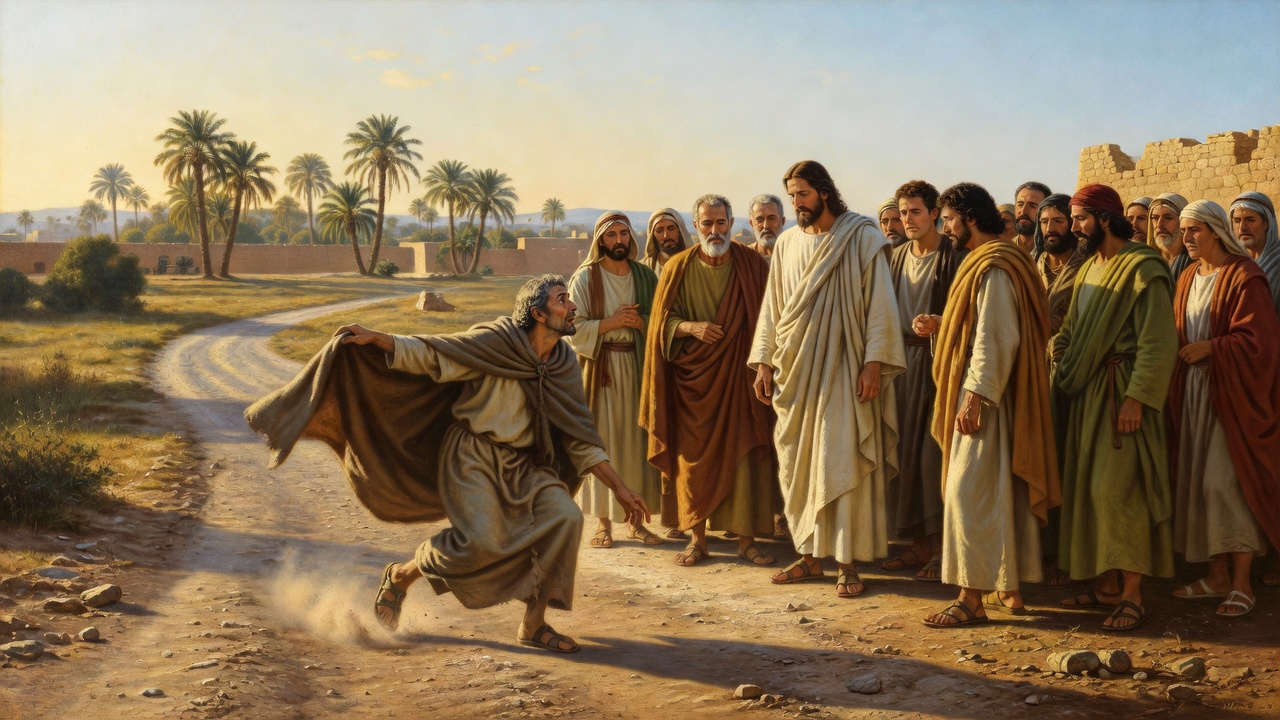
46Mgbe ha ruru Jeriko, dị ka Jisọs na ndị na-eso ụzọ ya na ọtụtụ igwe mmadụ sitere nʼobodo Jeriko na-apụ, otu nwoke kpuru ìsì aha ya bụ Batimiọs (aha ya pụtara “nwa nwoke Timiọs”), onye arịrịọ nọdụrụ ala nʼakụkụ ụzọ. 47Mgbe ọ nụrụ na ọ bụ Jisọs onye Nazaret na-agafe, o bidoro iti mkpu na-asị, “Jisọs, nwa Devid, meere m ebere!”
48Ọtụtụ mmadụ bara ya mba ka o mechie ọnụ. Ma ọ nọgidesịrị ike na-eti mkpu na-asị, “Nwa Devid, meere m ebere!”
49Jisọs kwụsịrị kwuo sị, “Kpọọnụ ya.”
Ya mere ha kpọrọ onye ìsì ahụ, sị ya, “Mesaa ihu gị bilie nʼụkwụ gị, ọ na-akpọ gị.” 50Ọ tufuru uwe mwụda ya, wulie nʼụkwụ ya, bịakwute Jisọs.
51Jisọs sịrị ya, “Gịnị ka ị chọrọ ka m meere gị?”
Onye ìsì ahụ sịrị ya, “Onye ozizi m, achọrọ m ka m hụ ụzọ.”
52Jisọs sịrị ya, “Laa, okwukwe gị azọpụtala gị.” Nʼotu oge ahụ, o bidoro ịhụ ụzọ, sorokwa ya gawa nʼụzọ ahụ.
Did you know?
Discipleship and Faith on the Road to Jerusalem
- As Jesus and His followers traveled toward Jerusalem through Jericho in the Jordan valley, they encountered Bartimaeus, whose name means the son of Timaeus. Sitting by the roadside as a blind beggar, he repeatedly called Jesus the 'Son of David' before receiving his sight and following Him along the road.Sources: Jericho · Bartimaeus · Timaeus · the Bible text itself
- James and John, the sons of the Galilean fisherman Zebedee, asked Jesus for the two highest seats of honor at His right and left hand. Jesus used their request to contrast Gentile rulers who lord authority over others with the kingdom of God, where whoever wants to be first must become the servant and slave of all.Sources: James (Son of Zebedee) · John the Apostle · Zebedee · the Bible text itself
Notes written with AI assistance from open sources (Theographic Bible Metadata, CC BY-SA 4.0; Easton’s Bible Dictionary, public domain) and reviewed before publishing.
Places in this chapter
- Jordan · Today: Jordan River · 31.761, 35.558 · verse 1
- Judea · Today: Judea 1 · 31.777, 35.234 · verse 1
- Jerusalem · 31.777, 35.234 · verses 17, 32, 33
- Jericho · Today: Tell el Alayiq · 31.852, 35.436 · verse 46
- Nazareth · 32.702, 35.298 · verse 47
Only places identified with high confidence are shown (90% or more according to the scholarly sources compiled by OpenBible). Period map: DARE (Digital Atlas of the Roman Empire), CC BY 4.0; modern map: © OpenStreetMap contributors; places: OpenBible.info (CC BY 4.0).
Credits and license for this translation
Biblica® Baịbụlụ Nsọ nʼIgbo Ndị Ugbu a nke dịrị onye ọbụla ịgụ The Holy Bible in the Igbo language of Nigeria: Biblica® Baịbụlụ Nsọ nʼIgbo Ndị Ugbu a nke dịrị onye ọbụla ịgụ copyright © 2020 Biblica, Inc. Language: Igbo Contributor: Biblica, Inc. This work is made available under the Creative Commons Attribution-ShareAlike 4.0 International License (CC BY-SA). To view a copy of this license, visit http://creativecommons.org/licenses/by-sa/4.0 or send a letter to Creative Commons, PO Box 1866, Mountain View, CA 94042, USA. Biblica® is a trademark registered by Biblica, Inc., and use of the Biblica® trademark requires the written permission of Biblica, Inc. Under the terms of the CC BY-SA license, you may copy and redistribute this unmodified work as long as you keep the Biblica® trademark intact. If you modify a copy or translate this work, thereby creating a derivative work, you must remove the Biblica® trademark. On the derivative work, you must indicate what changes you have made and attribute the work as follows: “The original work by Biblica, Inc. is available for free at www.biblica.com and open.bible.” Notice of copyright must appear on the title or copyright page of the work as follows: Biblica® Baịbụlụ Nsọ nʼIgbo Ndị Ugbu a nke dịrị onye ọbụla ịgụ Ndị Biblica, Inc. degharịrị ya nʼafọ © 1980, 1988, 2019, 2020 Biblica® Open Igbo Contemporary Bible™ Copyright © 1980, 1988, 2019, 2020 by Biblica, Inc. “Biblica” bụ akara e ji mara ụlọ ọrụ a, nke edebanyere dịka iwu si kwado nʼụlọ ọrụ dị nʼobodo United States, ebe a na-enye akara a na ikike maka azụm ahịa ndị Biblica, Inc. Ọ bụ ha ka e nyere ikike idenye ya. “Biblica” is a trademark registered in the United States Patent and Trademark Office by Biblica, Inc. Used with permission. You must also make your derivative work available under the same license (CC BY-SA). If you would like to notify Biblica, Inc. regarding your translation of this work, please contact us at https://open.bible/contact-us. This translation is made available to you under the terms of the Creative Commons Attribution Share-Alike license 4.0. You have permission to share and redistribute this Bible translation in any format and to make reasonable revisions and adaptations of this translation, provided that: You include the above copyright and source information. If you make any changes to the text, you must indicate that you did so in a way that makes it clear that the original licensor is not necessarily endorsing your changes. If you redistribute this text, you must distribute your contributions under the same license as the original. Pictures included with Scriptures and other documents on this site are licensed just for use with those Scriptures and documents. For other uses, please contact the respective copyright owners. Note that in addition to the rules above, revising and adapting God's Word involves a great responsibility to be true to God's Word. See Revelation 22:18-19. 2023-04-12
Source: http://ebible.org/ibo/ · eBible.org