Matthew 5
Biblica® Baịbụlụ Nsọ nʼIgbo Ndị Ugbu a nke dịrị onye ọbụla ịgụ · Tap a verse to see its cross-references.
Nkwusa banyere alaeze ọhụrụ ahụ
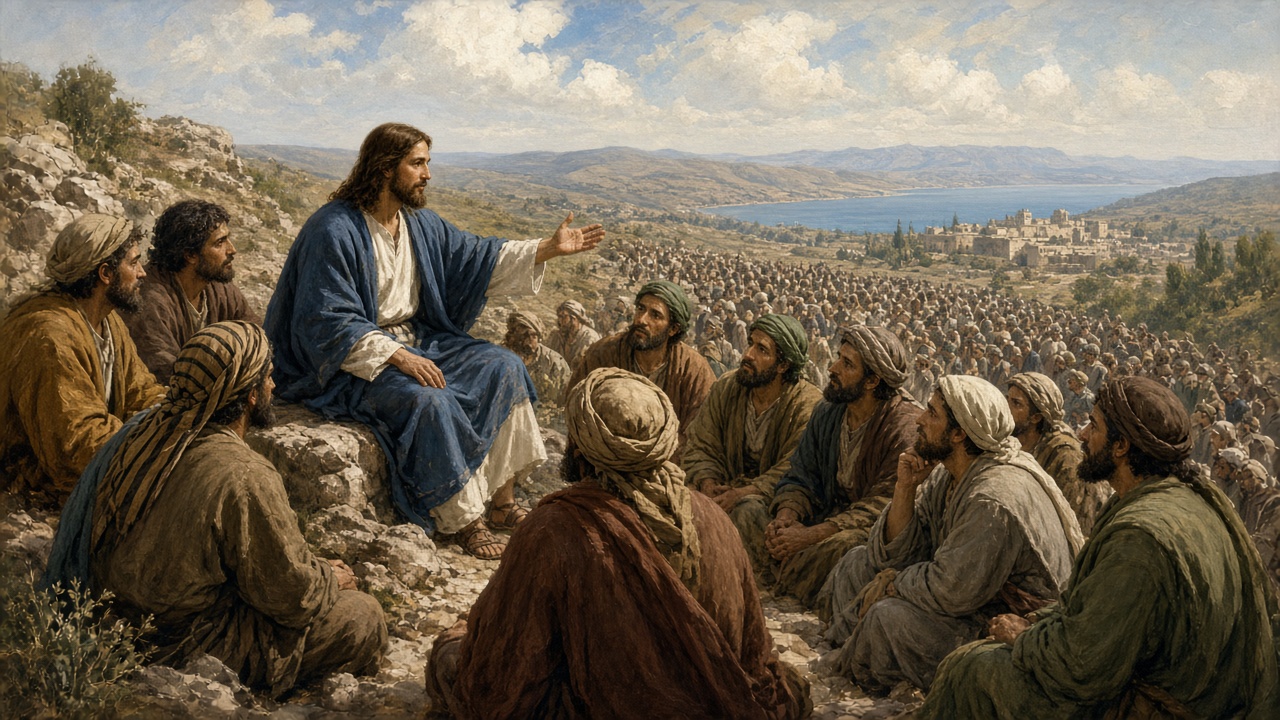
1Mgbe Jisọs hụrụ igwe mmadụ ahụ, ọ rigooro nʼelu ugwu. Mgbe ọ nọdụrụ ala, ndị na-eso ụzọ ya bịakwutere ya, 2o bido ikuziri ha ihe.
Okwu banyere ndị ngọzị na-adịrị
Ọ sịrị:
3“Ngọzị na-adịrị ndị bụ ogbenye nʼime mmụọ,
nʼihi na alaeze eluigwe bụ nke ha.
4Ngọzị na-adịrị ndị na-eru ụjụ,
nʼihi na a ga-akasị ha obi.
5Ngọzị na-adịrị ndị dị nwayọọ nʼobi,
nʼihi na ha ga-eketa ụwa.
6Ngọzị na-adịrị ndị agụụ ezi omume na-agụ,
nʼihi na ndị ahụ ka afọ ga-eju.
7Ngọzị na-adịrị ndị na-eme obi ebere,
nʼihi na ha ka a ga-emere ebere.
8Ngọzị na-adịrị ndị dị ọcha nʼobi,
nʼihi na ha ga-ahụ Chineke anya.
9Ngọzị na-adịrị ndị na-eme ka udo dị nʼetiti mmadụ na ibe ya,
nʼihi na a ga-akpọ ha ụmụ Chineke.
10Ngọzị na-adịrị ndị a na-emegbu nʼihi ezi omume,
nʼihi na alaeze eluigwe bụ nke ha.
11“Ngọzị na-adịrị unu mgbe ndị mmadụ na-akọcha unu, na-emegbu unu, ma na-ekwukwa okwu ọjọọ na ụgha niile dị iche iche megide unu nʼihi m. 12Ṅụrịanụ ọnụ, nwekwanụ obi ụtọ, nʼihi na ụgwọ ọrụ unu dị ukwuu nʼeluigwe. Nʼihi na nʼụzọ dị otu a ka ha sogburu ndị amụma ndị buru unu ụzọ.
Nnu na ìhè
13“Unu bụ nnu nke ụwa, ma ọ bụrụ na nnu adịghị atọkwa ụtọ, a ga-eji gịnị mee ka ọ tọọ ụtọ ọzọ? Ọ bakwaghị uru ọbụla, ma ọ bụghị naanị itufu ya, ka ndị mmadụ zọọ ya ụkwụ.
14“Unu bụ ihe nke ụwa. Unu dị ka obodo e wuru nʼelu ugwu nke a na-apụghị izo ezo. 15Ndị mmadụ adịghị amụnye oriọna dọnye ya nʼokpuru igbe, kama a na-adọkwasị ya nʼelu ihe ịdọba oriọna, ka o nye ndị niile nọ nʼụlọ ahụ ìhè. 16Ya mere, kwerenụ ka ìhè unu nwuo nye mmadụ niile, ka ndị mmadụ hụ ọrụ ọma unu, tookwa Nna unu nke bi nʼeluigwe.
Mmezu iwu
17“Unu echela na m bịara ịkagbu iwu Mosis, maọbụ ozizi ndị amụma. Abịaghị m ịkagbu akagbu, kama abịara m imezu ha. 18Nʼezie, agwa m unu, na tutu eluigwe na ụwa agabiga, ọ dịghị otu mkpụrụ edemede ọbụla dị nta, ọ bụladị nke dịkarịsịrị nta, nke a ga-esi nʼIwu a wepụ ruo mgbe ha niile ga emezu. 19Nʼihi ya, onye ọbụla nke ga-emebi otu nʼime iwu ndị a, ọ bụladị nke dịkarịsịrị nta, ma kuziekwara ndị ọzọ ime otu ahụ, a ga-agụ onye ahụ nʼonye dịkarịsịrị nta nʼalaeze eluigwe. Ma onye na-ezi ụmụ mmadụ ka ha debe iwu ahụ, ma na-emekwa okwu ndị ahụ nʼonwe ya, a ga-akpọ ya onye dị ukwuu nʼalaeze eluigwe. 20Ka m dọọ unu aka na ntị. Ọ bụrụ na ezi omume unu akarịghị ezi omume ndị Farisii na ndị ozizi iwu, unu apụghị ịba nʼalaeze eluigwe ma ọlị.
Ozizi banyere igbu mmadụ
21“Unu nụrụ na-agwara ndị mmadụ nʼoge gara aga, sị, ‘Onye egbula mmadụ, onye ọbụla gburu mmadụ a ga-ekpe ya ikpe.’ 22Ma asị m unu, na onye ọbụla nke na-ewe iwe megide nwanna ya, na-enyefe onwe ya nʼaka ikpe. Onye ọbụla nke na-akpọ nwanna ya ‘ Raka,’ ya bụ Onye iberiibe, ga-aza ajụjụ nʼụlọikpe. Ọzọkwa, onye ọbụla nke kpọrọ nwanne ya, ‘Onye nzuzu,’ na-edo onwe ya ịba nʼọkụ ala mmụọ.
23“Ya mere, ọ bụrụ na ị gaa inye onyinye gị nʼebe ịchụ aja, ma cheta nʼebe ahụ na gị na nwanne gị adịghị nʼudo, 24hapụ onyinye gị nʼebe ịchụ aja, laa ka gị na nwanne gị kpezie. Mgbe unu mere udo, laghachi bịa nye onyinye gị.
25“Mee ọsịịsọ ka gị na onye kpọ gị eje ụlọ ikpe kpezie, mgbe ọ na-eburubeghị ikpe gị na ya jee nʼaka ọkaikpe, onye ga-enyefe gị nʼaka ndị nche, ma eleghị anya etinye gị nʼụlọ mkpọrọ. 26Nʼezie, agwa m gị, ị gaghị e si nʼebe ahụ pụta ruo mgbe ị kwụghachiri kobo niile i ji.
Ịkwa iko
27“Unu nụrụ na e kwuru sị, ‘Akwala iko.’ 28Ma asị m unu, onye ọbụla lere nwanyị anya site na-agụụ ịkwa iko emeelarị mmehie ịkwa iko nʼime obi ya megide nwanyị ahụ. 29Nʼihi nke a, ọ bụrụ na anya aka nri gị na-eme ka i jehie, ghụpụ ya tufuo. Ọ kaara gị mma na i tufuru otu akụkụ ahụ gị baa nʼalaeze karịa na i ji ahụ zuruoke baa nʼọkụ ala mmụọ. 30Ọ bụrụ na aka nri gị na-eme ka i jehie, gbupụ ya tufuo. Ọ kaara gị mma na i tufuru otu akụkụ ahụ gị ma baa nʼalaeze eluigwe, karịa na i ji ahụ zuruoke ma baa nʼọkụ ala mmụọ.
Ịgba alụkwaghị m
31“E kwukwara sị, ‘Onye ọbụla chọrọ ịgbara nwunye ya alụkwaghị m, ga-ebu ụzọ dee akwụkwọ alụkwaghị m nye nwunye ya.’ 32Ma asị m unu, onye ọbụla gbara nwunye ya alụkwaghị m, ma ọ bụghị nʼihi ịkwa iko, ọ na-etinye nwanyị ahụ nʼọnọdụ ga-eme ka ọ kwaa iko. Ọ bụrụ na nwanyị ahụ alụọ di ọzọ, nwoke ahụ lụrụ nwanyị ahụ na-emekwa mmehie ịkwa iko.
Ịṅụ iyi
33“Ọzọkwa, unu nụrụ na a gwara ndị mmadụ nʼoge gara aga sị, ‘Aṅụla iyi ụgha, kama mezuo ihe niile unu ṅụrụ nʼiyi nye Onyenwe anyị.’ 34Ma asị m unu aṅụla iyi ọbụla. Ejikwala eluigwe aṅụ iyi nʼihi na eluigwe bụ ebe ocheeze Chineke dị. 35Ejikwala ụwa aṅụ iyi nʼihi na ụwa bụ ebe mgbakwasị ụkwụ ya. Ejikwala Jerusalem aṅụ iyi nʼihi na ọ bụ obodo Eze ukwu ahụ. 36Ejikwala isi gị aṅụ iyi nʼihi na ị pụghị ime ka otu agịrị isi gị dị ọcha maọbụ dị oji. 37Aṅụla iyi ọbụla. Kama ka okwu unu bụrụ ‘E’ maọbụ ‘Ee’; ihe ọbụla gafere nke a sitere nʼaka ajọ onye ahụ.
Ịbọ ọbọ
38“Unu anụla na e kwuru sị, ‘Ọ bụ anya ka a kụkpọrọ, anya nʼọnọdụ anya. Ọ bụrụkwa otu eze ka e tipụrụ, eze nʼọnọdụ eze.’ 39Ma ana m asị unu eguzogidela onye bụ ajọ onye. Kama ọ bụrụ na mmadụ amaa gị ụra na ntị aka nri, tụgharịara ya ntị nke ọzọ. 40Ọ bụrụ na mmadụ agbaa gị akwụkwọ nʼụlọikpe, ka ọ nara gị uwe ime gị, nyekwa ya uwe nke elu gị. 41Ọ bụrụ na mmadụ esite nʼike chọọ ka i soro ya gaa puku nzọ ụkwụ atọ, soro ya gaa puku nzọ ụkwụ isii. 42Nye onye ọbụla rịọrọ gị ihe. Achụghachikwala ndị na-abịa ka i binye ha ego.
Ịhụ ndị iro nʼanya
43“Unu nụrụ na e kwuru sị, ‘Hụnụ ndị agbataobi unu nʼanya, ma kpọkwanụ ndị iro unu asị.’ 44Ma asị m unu, hụnụ ndị iro unu nʼanya, kpekwaaranụ ndị na-esogbu unu ekpere. 45Nke a ga-eme ka unu bụrụ ụmụ nke Nna unu bi nʼeluigwe, onye na-eme ka anwụ mụọrọ ndị ọma na ndị ọjọọ, na-emekwa ka mmiri zooro ndị ezi omume na ndị ajọ omume. 46Ọ bụrụ naanị ndị hụrụ unu nʼanya ka unu na-ahụ nʼanya, gịnị ga-abụ ụgwọ ọrụ unu? Ọ bụladị ndị ọna ụtụ na-emekwa otu a. 47Ọ bụrụkwa na unu na-ekele naanị ndị enyi unu ekele, ọ dịghị ihe ọbụla dị iche nʼebe unu na ndị ọzọ nọ. Nʼihi na ndị na-amaghị Chineke na-emekwa otu ahụ. 48Ya mere, unu kwesiri izuoke nʼịrụ ọrụ ọma, dịka Nna unu bi nʼeluigwe si zukwaa oke.
Did you know?
The Sermon on the Mount
- When Jesus saw the crowds, he went up on the mountain, sat down, and began to teach his disciples. That discourse is known as the Sermon on the Mount. A chronological note places its start in AD 28 and gives it a duration of one day.Sources: the Bible text itself · Sermon on the Mount
- Teaching about oaths, Jesus says not to swear by Jerusalem, for it is the city of the great King. In the original the name is a dual form meaning possession of peace, or foundation of peace. That form probably refers to the two mountains on which the city was built, Zion and Moriah, or, as some suppose, to the upper and the lower city; it was also called the city of God and the holy city.Sources: the Bible text itself · Jerusalem
Notes written with AI assistance from open sources (Theographic Bible Metadata, CC BY-SA 4.0; Easton’s Bible Dictionary, public domain) and reviewed before publishing.
Places in this chapter
- Jerusalem · 31.777, 35.234 · verse 35
Only places identified with high confidence are shown (90% or more according to the scholarly sources compiled by OpenBible). Period map: DARE (Digital Atlas of the Roman Empire), CC BY 4.0; modern map: © OpenStreetMap contributors; places: OpenBible.info (CC BY 4.0).
Credits and license for this translation
Biblica® Baịbụlụ Nsọ nʼIgbo Ndị Ugbu a nke dịrị onye ọbụla ịgụ The Holy Bible in the Igbo language of Nigeria: Biblica® Baịbụlụ Nsọ nʼIgbo Ndị Ugbu a nke dịrị onye ọbụla ịgụ copyright © 2020 Biblica, Inc. Language: Igbo Contributor: Biblica, Inc. This work is made available under the Creative Commons Attribution-ShareAlike 4.0 International License (CC BY-SA). To view a copy of this license, visit http://creativecommons.org/licenses/by-sa/4.0 or send a letter to Creative Commons, PO Box 1866, Mountain View, CA 94042, USA. Biblica® is a trademark registered by Biblica, Inc., and use of the Biblica® trademark requires the written permission of Biblica, Inc. Under the terms of the CC BY-SA license, you may copy and redistribute this unmodified work as long as you keep the Biblica® trademark intact. If you modify a copy or translate this work, thereby creating a derivative work, you must remove the Biblica® trademark. On the derivative work, you must indicate what changes you have made and attribute the work as follows: “The original work by Biblica, Inc. is available for free at www.biblica.com and open.bible.” Notice of copyright must appear on the title or copyright page of the work as follows: Biblica® Baịbụlụ Nsọ nʼIgbo Ndị Ugbu a nke dịrị onye ọbụla ịgụ Ndị Biblica, Inc. degharịrị ya nʼafọ © 1980, 1988, 2019, 2020 Biblica® Open Igbo Contemporary Bible™ Copyright © 1980, 1988, 2019, 2020 by Biblica, Inc. “Biblica” bụ akara e ji mara ụlọ ọrụ a, nke edebanyere dịka iwu si kwado nʼụlọ ọrụ dị nʼobodo United States, ebe a na-enye akara a na ikike maka azụm ahịa ndị Biblica, Inc. Ọ bụ ha ka e nyere ikike idenye ya. “Biblica” is a trademark registered in the United States Patent and Trademark Office by Biblica, Inc. Used with permission. You must also make your derivative work available under the same license (CC BY-SA). If you would like to notify Biblica, Inc. regarding your translation of this work, please contact us at https://open.bible/contact-us. This translation is made available to you under the terms of the Creative Commons Attribution Share-Alike license 4.0. You have permission to share and redistribute this Bible translation in any format and to make reasonable revisions and adaptations of this translation, provided that: You include the above copyright and source information. If you make any changes to the text, you must indicate that you did so in a way that makes it clear that the original licensor is not necessarily endorsing your changes. If you redistribute this text, you must distribute your contributions under the same license as the original. Pictures included with Scriptures and other documents on this site are licensed just for use with those Scriptures and documents. For other uses, please contact the respective copyright owners. Note that in addition to the rules above, revising and adapting God's Word involves a great responsibility to be true to God's Word. See Revelation 22:18-19. 2023-04-12
Source: http://ebible.org/ibo/ · eBible.org