Malachi 1
Biblica® Baịbụlụ Nsọ nʼIgbo Ndị Ugbu a nke dịrị onye ọbụla ịgụ · Tap a verse to see its cross-references.
About this book
About Malachi
- Easton's Bible Dictionary (1897) presents Malachi, a name meaning "messenger" or "angel," as the last of the minor prophets and the writer of the last book of the Old Testament canon. Nothing is known of him beyond what is contained in his book of prophecies.Sources: Easton: Malachi · Malachi
- Some have supposed that the name is simply a title for a messenger of Jehovah, not a proper name. Easton's Bible Dictionary (1897) concludes, however, that there is reason to regard Malachi as the prophet's ordinary name.Sources: Easton: Malachi · Malachi
- Easton's Bible Dictionary (1897) dates the prophecies to about 420 B.C., after Nehemiah's second return from Persia, or possibly before that return. Because Ezra does not mention him and he does not mention the restoration of the temple, the dictionary infers that he prophesied after Haggai and Zechariah.Sources: Easton: Malachi
- Easton's Bible Dictionary (1897) treats Malachi as a contemporary of Nehemiah, comparing Malachi 2:8 with Nehemiah 13:15 and Malachi 2:10-16 with Nehemiah 13:23. It also notes that the temple services were still in existence, citing Malachi 1:10, 3:1 and 3:10.Sources: Easton: Malachi
Notes written with AI assistance from open sources (Theographic Bible Metadata, CC BY-SA 4.0; Easton’s Bible Dictionary, public domain) and reviewed before publishing.
1Okwu amụma: Nke a bụ okwu Onyenwe anyị gwara Izrel site nʼọnụ Malakaị onye amụma.
Izrel ekwenyeghị na Chineke hụrụ ha nʼanya
2“Ahụla m unu nʼanya,” ka Onyenwe anyị na-ekwu.
“Ma unu na-asị, ‘Olee ụzọ i si hụ anyị nʼanya?’
“Ịsọ, ọ bụghị nwanne Jekọb?” ka Onyenwe anyị kwupụtara. “Ma otu ọ dị, ahụrụ m Jekọb nʼanya, 3ma Ịsọ ka m kpọrọ asị, mee ugwu ya niile ka ha ghọọ ebe tọgbọrọ nʼefu, werekwa ihe nketa ya nye nkịta ọhịa niile nke ọzara.”
4Ndị Edọm nwere ike sị, “Ọ bụ ezie na e tikpọọla anyị, ma anyị ga-ewugharị nkpọnkpọ ebe niile.”
Ma otu a ka Onyenwe anyị, Onye pụrụ ime ihe niile, na-ekwu, “Ha nwere ike wugharịa ya, ma aga m akwadakwa ha ọzọ. Nʼihi na a ga-akpọ ha Obodo ihe ọjọọ, ndị Onyenwe anyị na-eweso iwe ruo mgbe ebighị ebi. 5Anya unu ga-ahụ nke a ma unu ga-ekwukwa, ‘ Onyenwe anyị dị ukwuu, ọ bụladị ruo nʼofe oke ala Izrel!’ ”
Imebi ọgbụgba ndụ site nʼaja nwere ntụpọ
6“Nwa na-asọpụrụ nna ya, ohu na asọpụrụkwa onyenwe ya. A sị na m bụ nna, ebee ka egwu m dị. A sị na m bụ onyenwe mmadụ, ebee ka nsọpụrụ m dị?” Ka Onyenwe anyị, Onye pụrụ ime ihe niile na-ekwu.
“Ọ bụ unu ndị nchụaja na-eleda aha m anya.
“Ma unu na-ajụ, ‘Olee ụzọ anyị si eleda aha gị anya?’
7“Unu na-eji anụ rụrụ arụ na-achụrụ m aja nʼelu ebe ịchụ aja m.
“Ma unu na-ajụ, ‘Olee ụzọ anyị si merụọ ya?’
“Ọ bụ mgbe unu na-asị na tebul Onyenwe anyị bụ ihe e kwesiri ileda anya. 8Mgbe unu ji anụ ndị kpuru ìsì achụrụ m aja, ọ bụghị ihe na-ezighị ezi ka unu na-eme? Mgbe unu na-ejikwa ndị dara ngwụrọ, na anụ na-arịa ọrịa, ọ bụghị ihe ọjọọ ka unu na-eme? Werenụ anụ ndị a bugara onye na-achị obodo unu dịka onyinye. Ọ ga-atọ ya ụtọ ịnabata onyinye dị otu a? Ọ ga-anabata unu?” Ka Onyenwe anyị, Onye pụrụ ime ihe niile na-ekwu.
9“Ma ugbu a, rịọọnụ Chineke ka o gosi anyị amara ya. Ọ bụrụ na unu ji onyinye ndị dị otu a nʼaka unu, ọ ga-egosi unu afọ ọma ya?” Ka Onyenwe anyị, Onye pụrụ ime ihe niile na-ekwu.
10“Ọ gaara adị m nnọọ mma ma a sị na otu onye nʼime unu ga-emechi ọnụ ụzọ ụlọnsọ ukwu ahụ, ka unu gharakwa ịkwanye ọkụ na-enweghị isi nʼelu ebe ịchụ aja m. Ihe banyere unu adịghị atọ m ụtọ. Ọ bụ ihe Onyenwe anyị, Onye pụrụ ime ihe niile kwuru. Agaghị m anabatakwa onyinye ọbụla si unu nʼaka. 11Nʼihi na site nʼọwụwa anyanwụ ruo ọdịda ya, aha m ga-adị ukwuu nʼetiti mba niile. A ga-ewebatara m ihe nsure ọkụ na-esi isi ụtọ na onyinye dị ọcha nʼaha m, nʼebe niile, nʼihi na aha m ga-adị ukwuu nʼetiti mba niile.” Ọ bụ ihe Onyenwe anyị, Onye pụrụ ime ihe niile kwuru.
12“Ma unu na-eme ka ọ ghara ịdị nsọ mgbe unu na-asị na, Tebul Onyenwe anyị bụ ihe e merụrụ emerụ, ebe ihe oriri ya bụkwa ihe nlelị. 13Unu na-ekwukwa, ‘Nke a bụ ihe ike ọgwụgwụ,’ si otu a na-eduli imi unu elu nʼebe m nọ nʼọnọdụ oke nlelị.” Ọ bụ ihe Onyenwe anyị, Onye pụrụ ime ihe niile kwuru.
“Mgbe unu na-ewebata ihe a natara nʼike, na nke dara ngwụrọ, na nke na-arịa ọrịa, jiri ha chụọrọ m aja, o kwesiri ka m nabata ya?” Ka Onyenwe anyị na-ekwu. 14“Onye a na-abụ ọnụ ka onye aghụghọ ahụ bụ nke nwere oke nʼigwe ewu na atụrụ ya, kwee nkwa inye ya, ma mesịa were anụ nwere ntụpọ chụọrọ Onyenwe anyị aja. Nʼihi na mụ onwe m bụ Eze ukwu ahụ,” ka Onyenwe anyị, Onye pụrụ ime ihe niile kwuru, “aha m bụkwa ihe a ga-atụ egwu nʼetiti mba dị iche iche.
Did you know?
Honoring God and Defective Offerings
- The name Malachi means messenger or angel. While some have suggested it was a title rather than a proper name, scholars and traditions widely treat it as the prophet's personal name, placing his ministry during the period of Nehemiah, after Haggai and Zechariah.Sources: Malachi
- The opening dispute recalls the twin brothers Jacob and Esau, the ancestors of Israel and Edom. The text contrasts God's covenant love for Israel with the judgment and desolation coming upon the mountainous region of Edom.Sources: Esau (Edom) · Jacob (Israel) · Edom · the Bible text itself
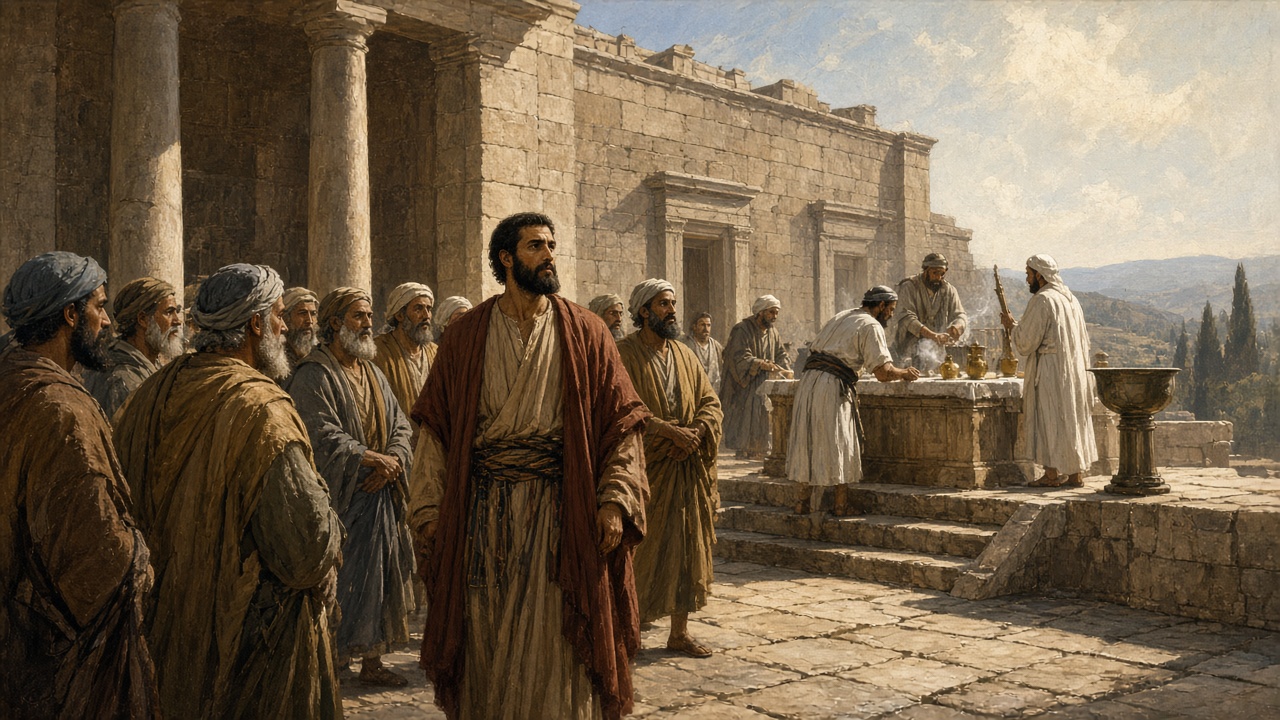
- The priests are rebuked for offering blind, lame, and diseased animals on the altar rather than unblemished livestock. Malachi exposes their disrespect by asking whether a civil governor would accept such inferior gifts.Sources: the Bible text itself
Notes written with AI assistance from open sources (Theographic Bible Metadata, CC BY-SA 4.0; Easton’s Bible Dictionary, public domain) and reviewed before publishing.
Places in this chapter
- Edom · 30.746, 35.604 · verse 4
Only places identified with high confidence are shown (90% or more according to the scholarly sources compiled by OpenBible). Period map: DARE (Digital Atlas of the Roman Empire), CC BY 4.0; modern map: © OpenStreetMap contributors; places: OpenBible.info (CC BY 4.0).
Credits and license for this translation
Biblica® Baịbụlụ Nsọ nʼIgbo Ndị Ugbu a nke dịrị onye ọbụla ịgụ The Holy Bible in the Igbo language of Nigeria: Biblica® Baịbụlụ Nsọ nʼIgbo Ndị Ugbu a nke dịrị onye ọbụla ịgụ copyright © 2020 Biblica, Inc. Language: Igbo Contributor: Biblica, Inc. This work is made available under the Creative Commons Attribution-ShareAlike 4.0 International License (CC BY-SA). To view a copy of this license, visit http://creativecommons.org/licenses/by-sa/4.0 or send a letter to Creative Commons, PO Box 1866, Mountain View, CA 94042, USA. Biblica® is a trademark registered by Biblica, Inc., and use of the Biblica® trademark requires the written permission of Biblica, Inc. Under the terms of the CC BY-SA license, you may copy and redistribute this unmodified work as long as you keep the Biblica® trademark intact. If you modify a copy or translate this work, thereby creating a derivative work, you must remove the Biblica® trademark. On the derivative work, you must indicate what changes you have made and attribute the work as follows: “The original work by Biblica, Inc. is available for free at www.biblica.com and open.bible.” Notice of copyright must appear on the title or copyright page of the work as follows: Biblica® Baịbụlụ Nsọ nʼIgbo Ndị Ugbu a nke dịrị onye ọbụla ịgụ Ndị Biblica, Inc. degharịrị ya nʼafọ © 1980, 1988, 2019, 2020 Biblica® Open Igbo Contemporary Bible™ Copyright © 1980, 1988, 2019, 2020 by Biblica, Inc. “Biblica” bụ akara e ji mara ụlọ ọrụ a, nke edebanyere dịka iwu si kwado nʼụlọ ọrụ dị nʼobodo United States, ebe a na-enye akara a na ikike maka azụm ahịa ndị Biblica, Inc. Ọ bụ ha ka e nyere ikike idenye ya. “Biblica” is a trademark registered in the United States Patent and Trademark Office by Biblica, Inc. Used with permission. You must also make your derivative work available under the same license (CC BY-SA). If you would like to notify Biblica, Inc. regarding your translation of this work, please contact us at https://open.bible/contact-us. This translation is made available to you under the terms of the Creative Commons Attribution Share-Alike license 4.0. You have permission to share and redistribute this Bible translation in any format and to make reasonable revisions and adaptations of this translation, provided that: You include the above copyright and source information. If you make any changes to the text, you must indicate that you did so in a way that makes it clear that the original licensor is not necessarily endorsing your changes. If you redistribute this text, you must distribute your contributions under the same license as the original. Pictures included with Scriptures and other documents on this site are licensed just for use with those Scriptures and documents. For other uses, please contact the respective copyright owners. Note that in addition to the rules above, revising and adapting God's Word involves a great responsibility to be true to God's Word. See Revelation 22:18-19. 2023-04-12
Source: http://ebible.org/ibo/ · eBible.org