Luke 8
Biblica® Baịbụlụ Nsọ nʼIgbo Ndị Ugbu a nke dịrị onye ọbụla ịgụ · Tap a verse to see its cross-references.
Akụkọ ọgha mkpụrụ
1Mgbe ihe ndị a gasịrị, ọ gara nʼobodo ukwu niile na nʼobodo nta niile na-ekwusa ma na-ewetakwara ndị mmadụ oziọma nke alaeze Chineke. Ndị ozi iri na abụọ ahụ sokwa ya, 2na ụmụ nwanyị ụfọdụ ndị a chụpụrụ mmụọ ọjọọ site nʼime ha, gwọkwa ha nrịa nrịa: Meri Magdalin onye e sitere nʼime ya chụpụ mmụọ ọjọọ asaa, 3na Joana nwunye Chuza onye na-elekọta ụlọeze Herọd na akụ ya niile, na Suzana, na ọtụtụ ndị ọzọ ndị ji akụ ha na-enyere ha aka.
4Mgbe oke igwe mmadụ gbakọrọ ha na ndị mmadụ si nʼobodo dị iche iche bịakwute ya. Ọ tụụrụ ha ilu a sị, 5“Ọgha mkpụrụ pụrụ ịkụ mkpụrụ ya, mgbe ọ nọ na-agha mkpụrụ ndị a, ụfọdụ nʼime mkpụrụ ahụ dara nʼakụkụ ụzọ ebe ndị mmadụ zọrọ ha ụkwụ, ụmụ nnụnụ bịakwara tụrịa ha loo. 6Ụfọdụ nʼime ha dakwasịrị nʼelu nkume. Mgbe ha puputara chọọ ito, ha kpọnwụrụ nʼihi na mgbọrọgwụ ha enweghị ike ịmịta mmiri mkpụrụ ahụ ga-eji dị ndụ. 7Ụfọdụ dara nʼetiti ogwu, ogwu ndị a sooro ha puo ma kpagbuo ha. 8Ụfọdụ nʼime mkpụrụ dara nʼezi ala. Ha puputara, too, mịa mkpụrụ dị otu narị nʼọnụọgụgụ.”
Mgbe o kwusiri nke a, ọ sịrị ha, “Onye ọbụla nwere ntị ịnụ ihe, ya nụrụ.”
9Ndị na-eso ụzọ ya jụrụ ya ihe ilu a pụtara. 10Ọ sịrị, “Ọ bụ unu ka e nyere ịmata ihe omimi niile nke alaeze Chineke, ma ndị ọzọ ga-anụ ya naanị nʼilu. Site nʼụzọ dị otu a,
“ ‘ha ga na-ele anya, ma ha agaghị ahụ ihe ọbụla.
Ha ga na-anụ ntị ma ha agaghị aghọta ihe ọbụla.’
11“Nke a bụ nkọwa ilu ahụ. Mkpụrụ ahụ bụ okwu Chineke. 12Mkpụrụ dara nʼakụkụ ụzọ nọchiri anya ndị nụrụ okwu Chineke, ma ekwensu bịara napụ ha okwu ahụ nʼobi ha, ka ha ghara ikwere ma nwetakwa nzọpụta. 13Mkpụrụ ndị ahụ dara nʼelu nkume nọchiri anya ndị nụrụ okwu Chineke jiri ọṅụ nabata ya, ma ha enweghị mgbọrọgwụ nʼime ha. Ha na-ekwere naanị nwa oge nta, ma mgbe ọnwụnwa bịara ha na-adachapụ. 14Mkpụrụ nke dara nʼetiti ogwu nọchiri anya ndị nụrụ okwu Chineke, ma mgbe ha na-aga nʼụzọ ha, echiche banyere akụ na ihe ụtọ nke ụwa na-akpagbu okwu ahụ, mee ka ha ghara ịmị mkpụrụ. 15Ma mkpụrụ ndị ahụ dara nʼezi ala nọchiri anya ndị jiri obi ghere oghe na mmụọ ziri ezi nabata okwu ahụ ma werekwa ndidi mịpụta mkpụrụ.
Iheọkụ dị nʼelu ihe ndọkwasị
16“Ọ dịghị onye ọbụla, nke na-amụnye oriọna zoo ya nʼime igbe maọbụ dọnye ya nʼokpuru ihe ndina. Kama, ọ na-adọkwasị ya nʼelu ihe ịdọba ọkụ ka ndị ọbụla na-abata nʼụlọ ahụ jiri ya hụ ụzọ. 17Ọ dịghị ihe ọbụla zoro ezo nke na-agaghị emesịa pụta ìhè, ọ dịkwaghị ihe ọbụla dị nzuzo nke a na-aghaghị eme ka ọ pụta ìhè. 18Ya mere, kpacharanụ anya otu unu si ege ntị. Nʼihi na ọ bụ onye ahụ nwere ihe ka a ga-enye karịa, ma onye ahụ na-enweghị, ọ bụladị nke o nwere, ka a ga-anapụ ya.”
Nne Jisọs na ụmụnne ya nwoke
19Nʼoge a, nne ya na ụmụnne ya nwoke bịakwutere ya. Ma ha enweghị ike ịbịaru ya nso nʼihi igwe mmadụ. 20Otu onye gwara ya sị, “Nne gị na ụmụnne gị ndị nwoke guzo nʼezi, ha chọrọ ịhụ gị.”
21Ọ zara sị, “Nne m na ụmụnne m ndị nwoke bụ ndị ahụ na-anụ okwu Chineke ma jiri ya mere ihe.”
Jisọs emee ka ebili mmiri dajụọ
22Otu ụbọchị, ya na ndị na-eso ụzọ ya banyere nʼụgbọ mmiri, ọ sịrị ha, “Ka anyị gafee nʼofe nke ọzọ nke osimiri.” Nke a mere ha ji nụpụ ụgbọ, 23ma mgbe ha na-aga, ọ rahụrụ ụra. Oke ifufe malitere ife nʼelu ọdọ mmiri ahụ, nke mere na mmiri na-awụbanye nʼime ụgbọ ha, mee ka ha nọrọ nʼoke nsogbu.
24Ha gara kpọtee ya na-eti mkpu, “Nna anyị ukwu! Nna anyị ukwu! Lee na anyị nʼala nʼiyi!”
O biliri, baara ifufe na ebili mmiri ahụ mba. Ha dara jụụ, ebe niile dekwara jii. 25Ọ sịrị ha, “Ebee ka okwukwe unu dị?”
Ha ji oke egwu na oke iju anya jụrịta onwe ha sị, “Onye bụ onye a? Ọ na-enye ọ bụladị ifufe na ebili mmiri iwu, ha na-aṅakwa ya ntị.”
Ọgwụgwọ nwoke mmụọ ọjọọ ji
26Ha kwọrọ ụgbọ mmiri rute nʼala Gerazin, nke dị nʼofe mmiri Galili. 27Mgbe o si nʼụgbọ mmiri rịpụta nʼelu ala, otu nwoke obodo ahụ onye mmụọ ọjọọ bi nʼime ya zutere ya. Nwoke a ebighị nʼụlọ maọbụ yie uwe ogologo oge, ma ebe obibi ya bụ ebe a na-eli ozu. 28Mgbe ọ hụrụ Jisọs, ọ bịara daa nʼihu ya, tie mkpu nʼoke olu sị, “Gịnị ka mụ na gị nwekọrọ Jisọs, Ọkpara Chineke Onye kachasị ihe niile elu? Biko arịọ m gị, atala m ahụhụ.” 29Nʼihi na o nyela mmụọ ahụ na-adịghị ọcha iwu ka o site nʼime ya pụta. Ọtụtụ oge, mmụọ ọjọọ a na-ejidesi ya ike, nʼagbanyeghị na eji ụdọ igwe kee ya aka na ụkwụ, debe ebe a na-eche ya nche, ọ na-adọbisi ụdọ igwe e ji kee ya, mmụọ ọjọọ a na-eduru ya gaa nʼime ọzara.
30Jisọs jụrụ ya sị, “Gịnị bụ aha gị?”
Ọ zara sị, “Lijiọn,” nʼihi na igwe mmụọ ọjọọ bi nʼime ya. 31Ha rịọsiri ya arịrịọ ike ka ọ ghara inye ha iwu ka ha banye nʼAbis.
32Igwe ezi nọ nʼakụkụ ugwu dị ebe ahụ nso na-akpa nri. Mmụọ ọjọọ ndị a rịọrọ Jisọs ka o nye ha ike ka ha banye nʼime ha. Jisọs nyere ha ike. 33Mmụọ ọjọọ ndị ahụ sitere nʼime nwoke a pụọ banye nʼime ezi ndị ahụ, igwe ezi ahụ niile sitere na mkputamkpu ala ọnụ mmiri ahụ gbara ọsọ dabanyechaa nʼime mmiri ebe osimiri riri ha.
34Mgbe ndị na-elekọta ezi ahụ hụrụ ihe mere, ha gbara ọsọ gaa nʼime obodo na nʼobodo nta niile dị gburugburu ebe ahụ kọsaa ihe mere. 35Ndị mmadụ pụtara ịhụ ihe mere. Mgbe ha rutere ebe Jisọs nọ, ha hụrụ nwoke ahụ e si nʼime ya chụpụ mmụọ ọjọọ ndị ahụ, ebe ọ nọdụrụ ala yiri uwe ma nọrọkwa nʼezi uche ya. Egwu tụrụ ha. 36Ndị hụrụ ka ihe a si mee kọọrọ ha ka e siri gwọọ onye ahụ mmụọ ọjọọ na-esogbu. 37Mgbe ahụ, ndị niile bi na Gerazin na nʼobodo gbara ebe ahụ gburugburu rịọrọ Jisọs ka ọ hapụrụ ha obodo ha, nʼihi na egwu dị ukwuu tụrụ ha. Ọ banyekwara nʼime ụgbọ mmiri ahụ laghachi.
38Nwoke a e sitere nʼime ya chụpụ mmụọ ọjọọ rịọrọ ya ka o soro ya ma o zilagara ya, sị ya, 39“Laghachi nʼezinaụlọ gị kọọrọ ha ihe niile Chineke meere gị.” Nwoke ahụ lara, gbasaa akụkọ ihe Jisọs meere ya nʼobodo ahụ niile.
Nwa agbọghọ nwụrụ anwụ na nwanyị onye ọrịa
40Mgbe Jisọs lọghachiri, igwe mmadụ nabatara ya nʼihi na ha niile na-eche ya. 41Mgbe ahụ otu nwoke nke aha ya bụ Jairọs, onye bụ onyeisi nʼụlọ ekpere, bịara daa nʼala nʼụkwụ Jisọs na-arịọ ya ka ọ bịa nʼụlọ ya. 42Nʼihi na otu nwata nwanyị ọ mụtara naanị ya, nke gbara afọ iri na abụọ nọ nʼọnụ ọnwụ.
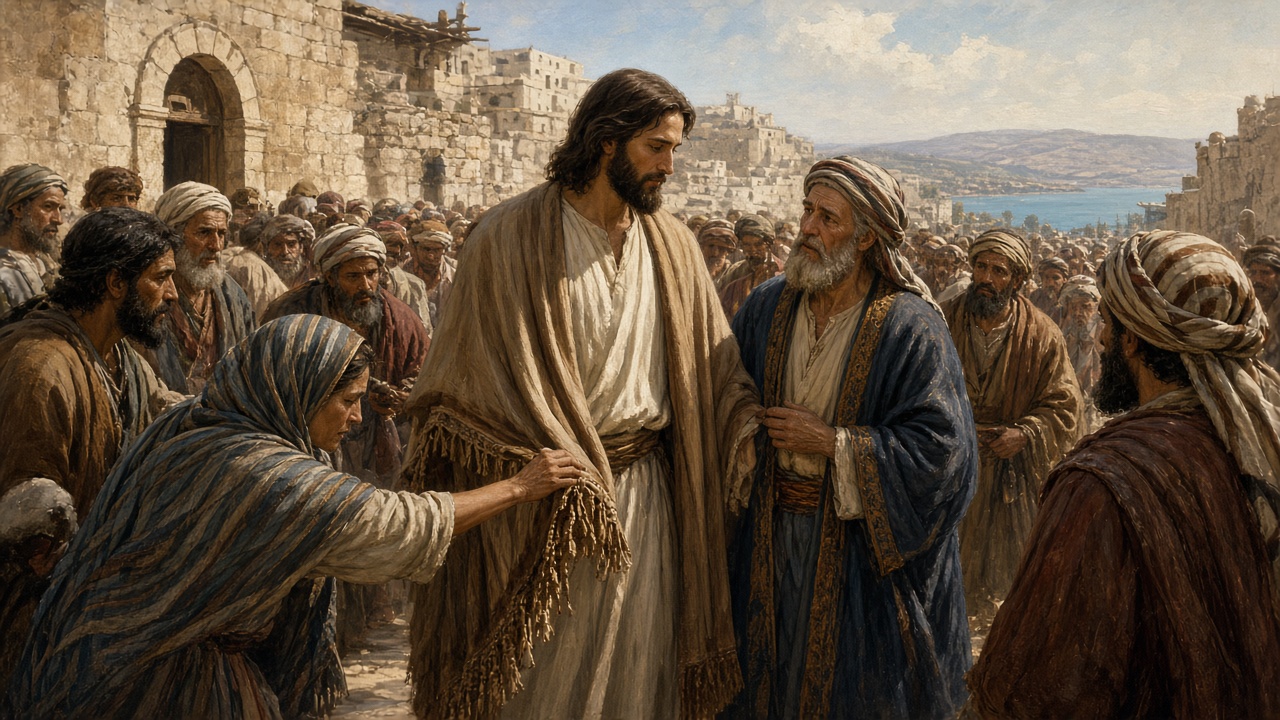
Mgbe ọ na-aga, igwe mmadụ ahụ na-akpagbu ya. 43Ọ dị otu nwanyị nʼetiti ha nke nọrịị na-arịa ọrịa oruru ọbara afọ iri na abụọ, onye mefuru ihe niile o ji nʼaka ndị dibịa, ma ọ dịghị onye nwere ike ịgwọ ya. 44O sitere nʼazụ ya metụ ọnụ uwe ya aka. Ngwangwa, ọrịa oruru ọbara ahụ kwụsịkwara.
45Jisọs sịrị, “Onye metụrụ m aka?”
Mgbe ọ na-enweghị onye pụtara kwuo sị na ọ bụ ya. Pita gwara ya sị, “Nna anyị ukwu, igwe mmadụ gbara gị gburugburu na-adakwasịkwa gị.”
46Ma Jisọs sịrị, “Otu onye metụrụ m aka; amatara m na ike esitela nʼime m pụọ.”
47Mgbe nwanyị ahụ hụrụ na ọ dịkwaghị ihe o nwere ike ime iji zoo onwe ya, o ji ịma jijiji bịa daa nʼụkwụ ya. Nʼihu mmadụ niile, ọ kọrọ ihe mere o ji metụ ya aka na otu e sị gwọọ ya nʼotu ntabi anya. 48Ọ gwara ya sị, “Ada m nwanyị, okwukwe gị agwọọla gị. Laa nʼudo.”
49Mgbe ọ ka nọ na-ekwu okwu, otu onye si nʼụlọ Jairọs bụ onyeisi ụlọ ekpere, bịara sị, “Ada gị nwanyị anwụọla, enyekwala onye ozizi nsogbu ọzọ.”
50Ma mgbe Jisọs nụrụ ozi a, ọ zara ya sị, “Atụla egwu, naanị kwere, a ga-agwọkwa ya.”
51Mgbe o rutere nʼụlọ Jairọs, o kweghị ka onye ọbụla soro ya baa nʼime ụlọ ahụ ma ọ bụghị naanị Pita, Jọn, Jemis, nne na nna nwata ahụ. 52Nʼoge ahụ, ha niile nọ na-ebe akwa na-eru ụjụ maka nwata ahụ. Ọ sịrị ha, “Unu ebezila akwa, nʼihi na ọ nwụghị anwụ kama ọ nọ nʼụra.”
53Ha chịrị ya ọchị, nʼihi na ha matara na ọ nwụrụ anwụ. 54Ma o jidere ya nʼaka, sị, “Nwa m, bilie!” 55Mmụọ ya lọghachiri, o bilitekwara mgbe ahụ. Ọ gwakwara ha ka ha chọọrọ ya nri ka o rie. 56Ihe a gbara ndị mụrụ ya gharịị ma ọ nyere ha iwu ka ha ghara ịkọrọ onye ọbụla ihe mere.
Did you know?
Good news on the Galilean road
- As Jesus went from town to town, some women traveled with him and the Twelve and supported them from their own means. Mary is called Magdalene from Magdala, her birthplace, to distinguish her from the other Marys; a reference work calls it a mistake to identify her with the woman described as a sinner in the previous story. Joanna was the wife of Chuza, steward of Herod Antipas, tetrarch of Galilee, and Susanna, whose name means lily, is named among them.Sources: Mary Magdalene · Joanna · Susanna · the Bible text itself
- Peter, James, and John, who appear with Jesus in this chapter, were fishermen on the Sea of Galilee. Peter's hometown, Bethsaida, lay on its western coast, where he was trained as a fisher; James, son of Zebedee and one of the Twelve, worked in partnership with him, and his brother John followed the same trade on the lake.Sources: Simon Peter · James (Son of Zebedee) · John the Apostle · the Bible text itself
- Jairus, who pleaded with Jesus to come because his only daughter was dying, is identified as a ruler of the synagogue at Capernaum. In the house, only Peter, James, and John were allowed to enter with the child's father and mother; after the girl got up, Jesus directed that she be given something to eat.Sources: Jairus · the Bible text itself
Notes written with AI assistance from open sources (Theographic Bible Metadata, CC BY-SA 4.0; Easton’s Bible Dictionary, public domain) and reviewed before publishing.
Places in this chapter
Only places identified with high confidence are shown (90% or more according to the scholarly sources compiled by OpenBible). Period map: DARE (Digital Atlas of the Roman Empire), CC BY 4.0; modern map: © OpenStreetMap contributors; places: OpenBible.info (CC BY 4.0).
Credits and license for this translation
Biblica® Baịbụlụ Nsọ nʼIgbo Ndị Ugbu a nke dịrị onye ọbụla ịgụ The Holy Bible in the Igbo language of Nigeria: Biblica® Baịbụlụ Nsọ nʼIgbo Ndị Ugbu a nke dịrị onye ọbụla ịgụ copyright © 2020 Biblica, Inc. Language: Igbo Contributor: Biblica, Inc. This work is made available under the Creative Commons Attribution-ShareAlike 4.0 International License (CC BY-SA). To view a copy of this license, visit http://creativecommons.org/licenses/by-sa/4.0 or send a letter to Creative Commons, PO Box 1866, Mountain View, CA 94042, USA. Biblica® is a trademark registered by Biblica, Inc., and use of the Biblica® trademark requires the written permission of Biblica, Inc. Under the terms of the CC BY-SA license, you may copy and redistribute this unmodified work as long as you keep the Biblica® trademark intact. If you modify a copy or translate this work, thereby creating a derivative work, you must remove the Biblica® trademark. On the derivative work, you must indicate what changes you have made and attribute the work as follows: “The original work by Biblica, Inc. is available for free at www.biblica.com and open.bible.” Notice of copyright must appear on the title or copyright page of the work as follows: Biblica® Baịbụlụ Nsọ nʼIgbo Ndị Ugbu a nke dịrị onye ọbụla ịgụ Ndị Biblica, Inc. degharịrị ya nʼafọ © 1980, 1988, 2019, 2020 Biblica® Open Igbo Contemporary Bible™ Copyright © 1980, 1988, 2019, 2020 by Biblica, Inc. “Biblica” bụ akara e ji mara ụlọ ọrụ a, nke edebanyere dịka iwu si kwado nʼụlọ ọrụ dị nʼobodo United States, ebe a na-enye akara a na ikike maka azụm ahịa ndị Biblica, Inc. Ọ bụ ha ka e nyere ikike idenye ya. “Biblica” is a trademark registered in the United States Patent and Trademark Office by Biblica, Inc. Used with permission. You must also make your derivative work available under the same license (CC BY-SA). If you would like to notify Biblica, Inc. regarding your translation of this work, please contact us at https://open.bible/contact-us. This translation is made available to you under the terms of the Creative Commons Attribution Share-Alike license 4.0. You have permission to share and redistribute this Bible translation in any format and to make reasonable revisions and adaptations of this translation, provided that: You include the above copyright and source information. If you make any changes to the text, you must indicate that you did so in a way that makes it clear that the original licensor is not necessarily endorsing your changes. If you redistribute this text, you must distribute your contributions under the same license as the original. Pictures included with Scriptures and other documents on this site are licensed just for use with those Scriptures and documents. For other uses, please contact the respective copyright owners. Note that in addition to the rules above, revising and adapting God's Word involves a great responsibility to be true to God's Word. See Revelation 22:18-19. 2023-04-12
Source: http://ebible.org/ibo/ · eBible.org