Luke 6
Biblica® Baịbụlụ Nsọ nʼIgbo Ndị Ugbu a nke dịrị onye ọbụla ịgụ · Tap a verse to see its cross-references.
Onyenwe Ụbọchị Izuike
1Nʼotu ụbọchị izuike, mgbe Jisọs na-agafe nʼubi a kụrụ ọka. Ndị na-eso ụzọ ya malitere ịghọrọ ụfọdụ nʼime ogbe ọka ndị ahụ, na-amazu ha nʼaka, ma na-ata ha. 2Ụfọdụ ndị Farisii sịrị, “Gịnị mere unu ji na-eme ihe megidere iwu nʼụbọchị izuike?”
3Jisọs zara ha sị, “Ọ bụ na unu agụtaghị ihe Devid mere mgbe agụụ gụrụ ya na ndị so ya? 4Otu o si banye nʼụlọ Chineke, were achịcha a na-eche nʼihu ya, nyetụkwa ndị ya na ha so, achịcha nke onye ọbụla na-ekwesighị ịta ma ọ bụghị naanị ndị nchụaja.” 5Mgbe ahụ ọ gwara ha sị, “Nwa nke Mmadụ bụ Onyenwe Ụbọchị Izuike.”
6Nʼụbọchị izuike ọzọ, ọ banyere nʼụlọ ekpere na-ezi ihe. Otu nwoke nọkwa nʼebe ahụ onye aka nri ya kpọnwụrụ akpọnwụ. 7Ndị Farisii na ndị ode akwụkwọ na-achọ ụzọ ha ga-esi boo ya ebubo, ya mere ha lekwasịrị ya anya ịhụ ma ọ ga-agwọ ọrịa nʼụbọchị izuike. 8Ma ebe ọ maara ihe ha na-ezube nʼobi ha, ọ kpọrọ nwoke ahụ nke aka ya kpọnwụrụ akpọnwụ sị ya, “Bilie bịa guzoro nʼetiti ebe a.” Nwoke ahụ pụtara bịa guzoro ebe ahụ.
9Mgbe ahụ Jisọs sịrị ha, “Ka m jụọ unu, gịnị ziri ezi nʼiwu ime nʼụbọchị izuike; ọ bụ ime ihe ọma ka ọ bụ ime ihe ọjọọ; ịzọpụta ndụ ka ọ bụ ịla ndụ nʼiyi?”
10Mgbe o lesiri ha niile anya gburugburu, ọ sịrị ya, “Setịpụ aka gị.” O mere nke a, aka ya dịkwara mma ọzọ. 11Ha were iwe nke ukwuu ma malite na-ekwurịtara nʼetiti onwe ha ihe ha nwere ike ime Jisọs.
Ndị ozi iri na abụọ
12Nʼụbọchị ndị ahụ, ọ gara rigoro nʼelu ugwu ikpe ekpere. Ọ nọrọ abalị ahụ niile na-ekpe ekpere nye Chineke. 13Mgbe chi bọrọ, ọ kpọrọ ndị niile na-eso ụzọ ya, site nʼime ha họrọ mmadụ iri na abụọ ndị ọ kpọrọ ndị ozi ya.
14Saimọn (onye ọ kpọrọ Pita) na Andru nwanne ya,
Jemis
Jọn,
Filip
Batalomi.
15Matiu
Tọmọs,
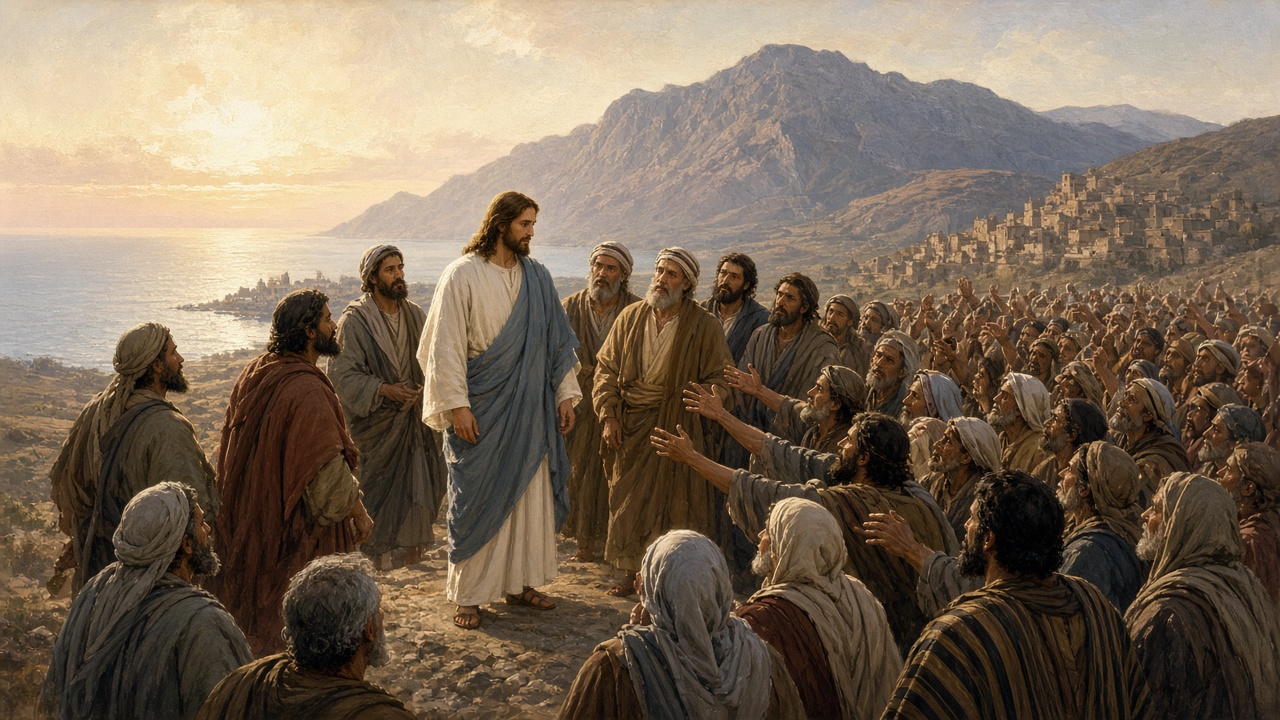
Jemis nwa Alfiọs,
Saimọn onye a na-akpọ Zilọt.
16Judas nwa Jemis
na Judas Iskarịọt onye raara ya nye.
Ngọzị na ọbụbụ ọnụ
17Ya na ha rịdatara ga nʼebe ala dị larịị. Igwe ndị na-eso ụzọ ya na oke igwe mmadụ sitere na Judịa, na Jerusalem nakwa obodo dị na nsọtụ mmiri nke Taịa na Saịdọn. 18Ndị bịara ịnụrụ okwu ya na ka a gwọọ ha ọrịa ha. A gwọkwara ọtụtụ ndị mmụọ na-adịghị ọcha na-esogbu. 19Igwe mmadụ ahụ gbalịrị ịmetụ ya aka, nʼihi na ike dị ukwuu si ya nʼahụ na-apụ na-agwọ ha niile.
20O weliri anya lee ndị na-eso ụzọ ya, sị ha,
“Ngọzị na-adịrị unu bụ ndị ogbenye,
nʼihi na alaeze Chineke bụ nke unu.
21Ngọzị na-adịrị unu ndị agụụ na-agụ ugbu a,
nʼihi na afọ ga-eju unu.
Ngọzị na-adịrị unu ndị na-ebe akwa ugbu a,
nʼihi na unu ga-achị ọchị.
22Ngọzị na-adịrị unu mgbe ndị mmadụ na-akpọ unu asị,
mgbe ha na-achụpụ unu, na-akparị unu,
na-ajụ aha unu,
nʼihi Nwa nke Mmadụ.
23“Ṅụrịanụ ọṅụ ma wuliekwanụ elu nʼihi ọṅụ nʼụbọchị ahụ, nʼihi na ụgwọ ọrụ unu dị ukwuu nʼeluigwe. Nʼihi na otu a ka ndị nna nna ha mesoro ndị amụma.
24“Ma ahụhụ na-adịrị unu ndị ọgaranya,
nʼihi na unu eketala nkasiobi unu.
25Ahụhụ na-adịrị ndị afọ juru ugbu a,
nʼihi na agụ ga-agụkwa unu.
Ahụhụ na-adịrị ndị na-achị ọchị ugbu a,
nʼihi na unu ga-eru ụjụ, bee akwa.
26Ahụhụ na-adịrị unu mgbe ndị mmadụ niile na-ekwu okwu ọma gbasara unu,
nʼihi na otu a ka ndị bụ nna ha mesoro ndị amụma ụgha.”
Ịhụ ndị iro nʼanya
27“Ma a na m agwa unu ndị na-ege m ntị: hụnụ ndị iro unu nʼanya, mekwaaranụ ndị kpọrọ unu asị ihe ọma. 28Gọzienụ ndị na-abụ unu ọnụ, ma kpekwaaranụ ndị na-akparị unu ekpere. 29Ọ bụrụ na onye ọbụla a maa gị ụra nʼotu ntị, tụgharịara ya ntị gị nke ọzọ. Ọ bụrụkwa na onye ọbụla anara gị uwe ahụ gị, nyekwa ya uwe ime ahụ gị. 30Nye onye ọbụla rịọrọ gị ihe. Ọ bụrụkwa na mmadụ ewere ihe bụ nke gị, agala ịnapụta ya. 31Dịka unu si chọọ ka ndị mmadụ mesoo unu, sitekwanụ otu a na-emeso ha.
32“Ọ bụrụ naanị ndị hụrụ unu nʼanya ka unu na-ahụ nʼanya, gịnị ga-abụ uru unu? Nʼihi na ọbụladị ndị mmehie, ọ bụ ndị hụrụ ha nʼanya ka ha na-ahụkwa nʼanya. 33Ọ bụrụkwa naanị ndị na-emere unu ihe ọma ka unu na-emere ihe ọma, gịnị ga-abụ uru unu? Nʼihi na ndị mmehie na-enyekwara ndị na-enyere ha aka aka. 34Ọ bụrụkwa na unu agbazinye naanị ndị nwere ike ịkwụghachi unu ihe, gịnị ga-abụ uru unu? Nʼihi na ndị mmehie na-agbazinyekwa ndị mmehie ibe ha na-atụ anya ka a kwụghachikwa ha nʼozuzu oke. 35Hụnụ ndị iro unu nʼanya, na-emekwa ezi ihe nye ha, gbazinyenụ ndị nọ na mkpa ihe ha chọrọ, na-eleghị anya na ha ga-akwụghachi unu. Mgbe ahụ, ụgwọ ọrụ unu ga-adị ukwuu, unu ga-egosikwa na unu bụ ụmụ nke Onye kachasị ihe niile elu, nʼihi na ebere ya na-adịrị ndị ajọ omume na ndị na-enweghị mmụọ ekele nʼime ha. 36Nweenu obi ebere dị ka Nna unu si nwee obi ebere.
Ikpe ndị ọzọ ikpe
37“Unu ekpela ndị ọzọ ikpe, ka a ghara ikpekwa unu ikpe. Unu amala ndị ọzọ ikpe ka a ghara ịma unu ikpe. Gbagharanụ ndị ọzọ, a ga-agbagharakwa unu. 38Nyenụ, nʼihi na a ga-enyekwa unu. Onyinye unu ga-anata ga-abụ nke juru eju, nke a bịadara nke ọma, yọkọtakwa ayọkọta nke na-ejubiga oke ka a ga-adọkwasị gị nʼahụ; nʼihi na ọ bụ ihe i na-eji atụ ihe ka a ga-eji tụọrọ gị.”
39Ọ tụkwaara ha ilu a, “Onye ìsì ọ pụrụ idu onye ìsì ibe ya? Ha abụọ ọ gaghị adaba nʼime olulu? 40Onye na-eso ụzọ onye ozizi anaghị akarị onye nkuzi ya, kama mgbe ọ mụtasịrị ọ ga-amata ihe dị ka onye nkuzi ya.
41“Gịnị mere i ji elee ntakịrị ahịhịa dị nwanna gị nʼanya, ma ị dịghị ahụta obodobo osisi dị gị onwe gị nʼanya? 42Ị ga-esi aṅaa sị nwanna gị, ‘Nwanna a, ka m wepụ gị ntakịrị ahịhịa dị gị nʼanya,’ mgbe gị onwe gị na-ahụghị obodobo osisi dị gị nʼanya? Gị onye ihu abụọ, buru ụzọ wepụ obodobo osisi dị gị nʼanya ka i nwee ike ịhụzi ụzọ nke ọma wepụ ntakịrị ahịhịa dị nwanna gị nʼanya.
Osisi na mkpụrụ ya
43“Ezi osisi adịghị amị mkpụrụ ọjọọ. Ọ dịkwaghị osisi ọjọọ na-amị mkpụrụ ọma. 44Ọ bụ mkpụrụ osisi mịrị ka e ji ama ụdị osisi ọ bụ. Ndị mmadụ adịghị aghọta fiig site nʼosisi ogwu, otu a kwa o nweghị onye na-aghọta mkpụrụ grepu nʼobi ogwu. 45Ezi mmadụ na-esite nʼakụ ọma juru ya obi na-arụpụta ezi ọrụ, otu a kwa, ajọ mmadụ na-esite nʼobi ọjọọ ya na-arụpụta ajọ ọrụ. Nʼihi na ihe ọbụla dị mmadụ nʼobi bụ ihe na-apụta nʼọnụ ya.
Onye amamihe na onye nzuzu wuru ụlọ
46“Gịnị mere unu ji na-akpọ m, ‘Onyenwe anyị, Onyenwe anyị,’ ma unu adịghị eme ihe m kwuru? 47Achọrọ m igosi unu ihe onye ọbụla na-abịakwute m nke na-anụ okwu m, ma na-ejikwa ihe ọ na-anụ akpọrọ ihe, yiri. 48Onye ahụ yiri nwoke wuru ụlọ, onye gwumiri ala, doo ntọala ụlọ ahụ nʼelu oke nkume. Mgbe idee mmiri bịara were ike ya tie nʼụlọ ahụ, o nweghị ike ime ka ọ maa jijiji nʼihi na e wusiri ya ike. 49Ma onye ahụ nụrụ okwu m, nke na-ejighị ihe ọ nụrụ mee ihe, dị ka nwoke wukwasịrị ụlọ ya nʼelu ala, nke na-enweghị ntọala ọbụla. Mgbe idee mmiri bịara were ike ya tie nʼụlọ ahụ, ụlọ ahụ dara daruo ala, ọdịda ya dị ukwuu.”
Did you know?
The Sabbath, the Twelve, and the Plain
- On a Sabbath, as Jesus passed through the grainfields, his disciples picked heads of grain, rubbed them in their hands, and ate them, and some Pharisees called this unlawful. Jesus recalled that David and his hungry companions ate consecrated bread from the house of God, bread lawful only for the priests, and said that the Son of Man is Lord of the Sabbath. On another Sabbath he restored a man’s withered right hand in the synagogue while scribes and Pharisees watched for a reason to accuse him; a chronology dates both episodes to AD 28.Sources: the Bible text itself · Corn on the Sabbath · Healing a Withered Hand
- After spending the night in prayer on the mountain, Jesus called his disciples and chose twelve, whom he designated apostles. Among them were Simon, whom he named Peter, and Peter’s brother Andrew, fishermen from Bethsaida on the western coast of the Sea of Galilee, and Matthew, a tax collector at Capernaum who had formerly been known as Levi.Sources: the Bible text itself · Simon Peter · Andrew · Matthew
- Jesus came down with them and stood on a level place, where people from Judea, Jerusalem, and the sea coast of Tyre and Sidon had gathered to hear him and to be healed. Tyre and Sidon were ancient Phoenician cities on the Mediterranean; Sidon, the older city, lay about twenty-five miles north of Tyre. A chronology dates this teaching to AD 28 and titles it the Sermon on the Mount, though the narrative places Jesus on level ground after he came down from the mountain.Sources: the Bible text itself · Tyre · Sidon · Sermon on the Mount
Notes written with AI assistance from open sources (Theographic Bible Metadata, CC BY-SA 4.0; Easton’s Bible Dictionary, public domain) and reviewed before publishing.
Places in this chapter
- Jerusalem · 31.777, 35.234 · verse 17
- Judea · Today: Judea 1 · 31.777, 35.234 · verse 17
- Sidon · Today: Sandikli archaeological site in Sidon · 33.561, 35.372 · verse 17
- Tyre · 33.271, 35.196 · verse 17
Only places identified with high confidence are shown (90% or more according to the scholarly sources compiled by OpenBible). Period map: DARE (Digital Atlas of the Roman Empire), CC BY 4.0; modern map: © OpenStreetMap contributors; places: OpenBible.info (CC BY 4.0).
Credits and license for this translation
Biblica® Baịbụlụ Nsọ nʼIgbo Ndị Ugbu a nke dịrị onye ọbụla ịgụ The Holy Bible in the Igbo language of Nigeria: Biblica® Baịbụlụ Nsọ nʼIgbo Ndị Ugbu a nke dịrị onye ọbụla ịgụ copyright © 2020 Biblica, Inc. Language: Igbo Contributor: Biblica, Inc. This work is made available under the Creative Commons Attribution-ShareAlike 4.0 International License (CC BY-SA). To view a copy of this license, visit http://creativecommons.org/licenses/by-sa/4.0 or send a letter to Creative Commons, PO Box 1866, Mountain View, CA 94042, USA. Biblica® is a trademark registered by Biblica, Inc., and use of the Biblica® trademark requires the written permission of Biblica, Inc. Under the terms of the CC BY-SA license, you may copy and redistribute this unmodified work as long as you keep the Biblica® trademark intact. If you modify a copy or translate this work, thereby creating a derivative work, you must remove the Biblica® trademark. On the derivative work, you must indicate what changes you have made and attribute the work as follows: “The original work by Biblica, Inc. is available for free at www.biblica.com and open.bible.” Notice of copyright must appear on the title or copyright page of the work as follows: Biblica® Baịbụlụ Nsọ nʼIgbo Ndị Ugbu a nke dịrị onye ọbụla ịgụ Ndị Biblica, Inc. degharịrị ya nʼafọ © 1980, 1988, 2019, 2020 Biblica® Open Igbo Contemporary Bible™ Copyright © 1980, 1988, 2019, 2020 by Biblica, Inc. “Biblica” bụ akara e ji mara ụlọ ọrụ a, nke edebanyere dịka iwu si kwado nʼụlọ ọrụ dị nʼobodo United States, ebe a na-enye akara a na ikike maka azụm ahịa ndị Biblica, Inc. Ọ bụ ha ka e nyere ikike idenye ya. “Biblica” is a trademark registered in the United States Patent and Trademark Office by Biblica, Inc. Used with permission. You must also make your derivative work available under the same license (CC BY-SA). If you would like to notify Biblica, Inc. regarding your translation of this work, please contact us at https://open.bible/contact-us. This translation is made available to you under the terms of the Creative Commons Attribution Share-Alike license 4.0. You have permission to share and redistribute this Bible translation in any format and to make reasonable revisions and adaptations of this translation, provided that: You include the above copyright and source information. If you make any changes to the text, you must indicate that you did so in a way that makes it clear that the original licensor is not necessarily endorsing your changes. If you redistribute this text, you must distribute your contributions under the same license as the original. Pictures included with Scriptures and other documents on this site are licensed just for use with those Scriptures and documents. For other uses, please contact the respective copyright owners. Note that in addition to the rules above, revising and adapting God's Word involves a great responsibility to be true to God's Word. See Revelation 22:18-19. 2023-04-12
Source: http://ebible.org/ibo/ · eBible.org