Luke 11
Biblica® Baịbụlụ Nsọ nʼIgbo Ndị Ugbu a nke dịrị onye ọbụla ịgụ · Tap a verse to see its cross-references.
Ekpere Onyenwe anyị
1Ọ nọ nʼotu ebe na-ekpe ekpere, mgbe o kpesịrị ekpere, otu nʼime ndị na-eso ụzọ ya sịrị ya, “Onyenwe anyị, kuziere anyị ikpe ekpere, dị ka Jọn kuziri ndị na-eso ụzọ ya.”
2Ọ sịrị ha, “Mgbe unu na-ekpe ekpere, sịnụ:
“ ‘Nna,
ka e doo aha gị nsọ
ka alaeze gị bịa.
3Nye anyị taa nri nke ụbọchị anyị.
4Gbaghara anyị mmehie anyị,
nʼihi na anyị na-agbaghara onye ọbụla mehiere megide anyị.
Ekwela ka anyị daba nʼime ọnwụnwa.’ ”
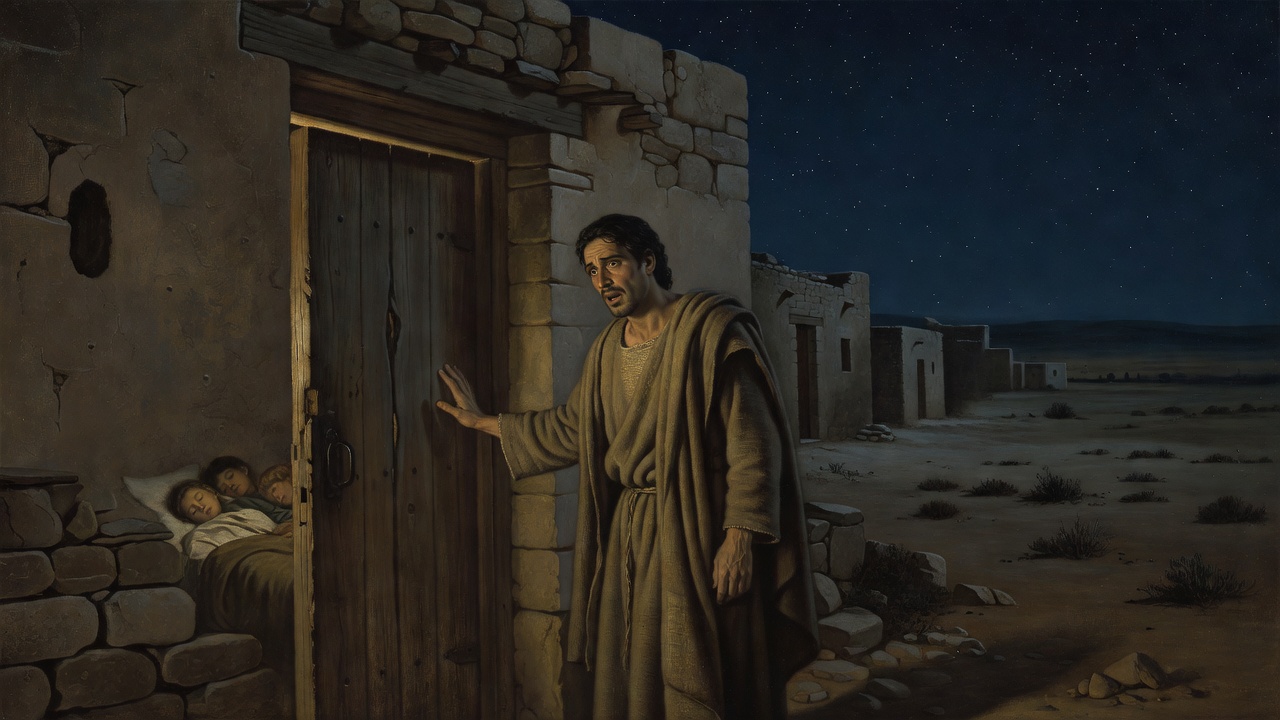
5Ọ sịrị ha, “Onye nʼime unu nwere enyi, ga-agakwuru ya nʼetiti abalị sị ya, ‘Enyi m, biko gbazinye m ogbe achịcha atọ, 6nʼihi na otu enyi m bịara nʼụlọ m, ma enweghị m nri ọbụla nʼụlọ m nke m ga-enye ya.’ 7Ma ọ ga-esi nʼime ụlọ zaghachi sị, ‘Enyela m nsogbu, emechiela m ụzọ, mụ na ụmụ m alakpuola, enweghị m ike ibili ugbu a inye gị ihe ọbụla.’ 8Agwa m unu, ọ bụ ezie na ọ gaghị ebili nye ya ihe ọbụla nʼihi na ọ bụ enyi ya, kama nʼihi nsogbu ya, ọ ga-ebili nye ya ihe ọbụla dị ya mkpa.
9“Ya mere, agwa m unu, rịọọnụ, unu ga-arịọta, chọọnụ, unu ga-achọta, kụọkwanụ aka, a ga-emeghekwara unu ụzọ. 10Nʼihi na onye na-arịọ na-arịọta, onye na-achọ na-achọta, onye na-akụ aka nʼụzọ ka a ga-emeghekwara ụzọ.
11“Onye nʼime unu bụ nna, ka nwa ya ga-arịọ ya azụ, o nye ya agwọ? 12Maọbụ rịọọ ya akwa, ọ ga-enye ya akpị? 13Ọ bụrụ na unu bụ ndị ọjọọ, maara otu esi enye ụmụ unu onyinye dị mma, karịa nke a, Nna unu nke bi nʼeluigwe aghaghị inye ha Mmụọ Nsọ bụ ndị niile na-arịọ ya.”
Jisọs na mmụọ ọjọọ
14Otu mgbe, ọ na-achụpụ mmụọ ọjọọ nke dara ogbi, mgbe mmụọ ọjọọ ahụ pụrụ, onye ogbi ahụ kwuru okwu. Nke a juru igwe mmadụ ahụ anya. 15Ma ụfọdụ nʼime ha sịrị, “Ọ bụ site nʼike Belzebub eze ndị mmụọ ọjọọ ka o ji achụpụ mmụọ ọjọọ.” 16Ndị ọzọ, iji nwalee ya, sị ya gosi ha ihe ịrịbama nke si nʼeluigwe.
17Ma ebe ọ bụ na ọ maara ihe ha na-eche, ọ sịrị ha, “Alaeze ọbụla kewaranụ megide ibe ya, ga-atọgbọrọ nʼefu, ezinaụlọ ọbụla nke kewakwara megide ibe ya ga-adakpọ. 18Ọ bụrụ na ekwensu ekewa megide onwe ya, alaeze ya ọ ga-esi aṅaa guzosie ike? Unu na-asị na m na-achụpụ mmụọ ọjọọ site nʼike Belzebub. 19Ugbu a, ọ bụrụ na m sitere nʼike Belzebub na-achụpụ mmụọ ọjọọ, ọ bụ site nʼike onye ka ụmụ unu ji na-achụpụ ha? Ya mere, ha ga-abụ ndị ikpe unu. 20Ma ọ bụrụ na m ji ike mkpịsịaka Chineke na-achụpụ mmụọ ọjọọ, mgbe ahụ alaeze Chineke abịarutela nʼebe unu nọ.
21“Mgbe nwoke siri ike ji ngwa agha chekwa obi ya, ihe o nwere ga-adịgidere ya nʼudo. 22Ma ọ bụrụ na onye ọzọ ka ya ike alụso ya ọgụ merie ya, ọ ga-anara ya ngwa agha niile bụ ihe ntụkwasị obi ya, kesakwaa ihe ọ kwatara nʼụlọ dike ahụ.
23“Onye ọbụla na-adịnyeghịrị m na-emegide m. Onye ọ bụlakwa na-adịghị eso m ekpokọta, na-ekposa ekposa.
24“Mgbe ọbụla mmụọ na-adịghị ọcha sị nʼime mmadụ pụọ, ọ na-ejegharị nʼala kpọrọ nkụ na-achọgharị ebe izuike. Ọ bụrụ na ọ chọtaghị ya, mgbe ahụ, ọ ga-asị, ‘Aga m alaghachi nʼụlọ m hapụrụ.’ 25Mgbe ọ lọghachiri, ọ ga-achọpụta na a zachaala ya dozie ya nke ọma. 26Mgbe ahụ, ọ ga-apụ ga chọta mmụọ ọjọọ asaa ọzọ ndị dị njọ karịa ya. Ha niile na-abata biri nʼime onye ahụ, mee ka ọnọdụ ya dị njọ karịa ka ọ dị na mbụ.”
27Mgbe ọ kpụ okwu a nʼọnụ, otu nwanyị sitere nʼime igwe mmadụ ahụ tie mkpu sị, “Ngọzị na-adịrị afọ mụrụ gị na ara nke e jiri zụọ gị.”
28Ma ọ sịrị, kama, “Ngọzị na-adịrị ndị na-anụ okwu Chineke, na-emekwa ha.”
Ihe ama nke Jona
29Dị ka igwe mmadụ ahụ na-amụba, o bidoro na-ekwu sị, “Ọgbọ a bụ ọgbọ ọjọọ. Ọ na-achọ ihe ịrịbama ma ọ dịghị ihe ịrịbama a ga-ezi ya karịa ihe ịrịbama Jona. 30Nʼihi na dị ka Jona si bụrụ ihe ịrịbama nye ndị Ninive, otu a ka Nwa nke Mmadụ ga-esi bụrụkwa ihe ama nye ọgbọ a. 31Nʼụbọchị ahụ, eze nwanyị ndị ndịda ga-ebili soro ndị ọgbọ a guzo nʼikpe, maa ha ikpe, nʼihi na o sitere na nsọtụ nke ụwa bịa nụrụ okwu amamihe Solomọn, ma lee, onye karịrị Solomọn nọ nʼebe a. 32Ndị ikom Ninive ga-eso ọgbọ a bilie nʼụbọchị ikpe maa ya ikpe, nʼihi na ha chegharịrị mgbe ha nụrụ nkwusa Jona, ma lee, onye karịrị Jona ukwuu nọ nʼebe a.”
Iheọkụ nke anụ ahụ
33“Ọ dịghị onye na-amụnye oriọna dọnye ya nʼebe zoro ezo maọbụ nʼokpuru efere, kama, ọ na-adọkwasị ya nʼelu ihe ịdọba ọkụ ka ndị na-abata nʼụlọ ahụ jiri ya hụ ụzọ. 34Anya bụ oriọna nke anụ ahụ. Ọ bụrụ na anya gị dị mma, ahụ gị niile ga-ejupụta nʼìhè. Ọ bụrụkwanụ na anya gị dị njọ, ị ga-anọ nʼọchịchịrị. 35Ya mere, lezie anya ka ị mara ka ìhè dị nʼime gị, ọ bụghị ọchịchịrị. 36Nʼihi nke a, ọ bụrụ na ahụ gị niile ejupụta nʼìhè, ọ bụrụkwa na akụkụ ọbụla agbaghị ọchịchịrị, mgbe ahụ, ahụ gị niile ga-ejupụta nʼìhè dị ka mgbe ìhè oriọna na-achakwasị gị nʼahụ.”
Ahụhụ na-adịrị ndị Farisii na ndị ọka nʼiwu
37Mgbe ọ na-ekwu okwu, otu onye Farisii kpọrọ ya ka ọ bịa soro ya rie nri. Ọ banyere nọrọ nʼoche nri. 38O juru onye Farisii ahụ anya na mgbe ọ bidoro iri nri ọ kwọghị aka ya tupu ya ebido.
39Ma Onyenwe anyị sịrị ya, “Unu ndị Farisii na-asacha azụ iko mmiri na efere, mee ka ọ dị ọcha, ma ime unu jupụtara nʼanya ukwu na nʼihe ọjọọ dị iche iche. 40Ndị nzuzu! Ọ bụ na ọ bụghị onye ahụ mere azụ iko mekwara ime ya? 41Kama werenụ ihe ndị ahụ dị nʼime rụọ ọrụ ebere, ihe niile ga-adịkwara unu ọcha.
42“Ahụhụ ga-adịrị unu ndị Farisii, nʼihi na unu na-enye otu ụzọ nʼụzọ iri nʼihi mint, na mkpa akwụkwọ na-esi isi ụtọ na mkpa akwụkwọ niile dị iche iche nke ubi, ma leghara ikpe ziri ezi na ịhụnanya nke Chineke anya. Ihe niile ndị a ka unu kwesiri ime nʼelegharaghị ihe ndị ọzọ anya.
43“Ahụhụ ga-adịrị unu ndị Farisii! Nʼihi na unu na-ahụ ịnọ nʼisi oche niile nʼụlọ ekpere na ekele pụrụ iche a na-ekele unu nʼọma ahịa nʼanya.
44“Ahụhụ ga-adịrị unu, nʼihi na unu dị ka ili na-apụtaghị ihe , nke ndị mmadụ na-agafe nʼelu ha nʼihi na ha amaghị na ọ bụ ili.”
45Nʼotu oge, otu onye ozizi iwu sịrị ya, “Onye ozizi, mgbe ị na-ekwu ihe ndị a, anyị sokwa na ndị ị na-akọcha.”
46Ma ọ sịrị, “Ahụhụ ga-adịrị unu bụ ndị ozizi iwu. Nʼihi na unu na-ebo ndị mmadụ ibu ha na-enweghị ike ibuli, ma unu onwe unu adịghị eweli ọ bụladị otu mkpịsịaka unu, ịmetụ ibu ahụ aka.
47“Ahụhụ ga-adịrị unu nʼihi na unu na-ewu ili ndị amụma bụ ndị nna nna unu ha gburu. 48Ya mere, unu bụ ndị akaebe ma kwenyekwa nʼihe ndị nna nna unu ha mere, nʼihi ha gburu ha, ma unu e wuo ili ha. 49Ọ bụ nʼihi nke a ka Chineke nʼamamihe ya ji kwuo sị, Aga m ezigara ha ndị amụma na ndị ozi, ụfọdụ ka ha ga-egbu ma ndị ọzọkwa ka ha ga-akpagbu. 50Nʼihi nke a, ọgbọ a ga-aza ajụjụ banyere ọbara ndị amụma niile a wufuru, site na mmalite nke ụwa, 51site nʼọbara Ebel ruo na nke Zekaraya, onye e gburu nʼetiti ebe ịchụ aja na ebe nsọ. E, agwa m unu, a ga-ajụ ihe banyere ha nʼaka ọgbọ a.
52“Ahụhụ ga-adịrị unu bụ ndị ozizi iwu, nʼihi na unu wepụrụ ọtụghe igodo nke amamihe. Unu onwe unu abanyeghị, ma unu gbochikwara ndị na-abata ịbata.”
53Mgbe o si nʼebe ahụ pụọ, ndị ode akwụkwọ na ndị Farisii bidoro isogbu ya, na ịkpasu ya ikwu ọtụtụ okwu, 54na-esiri ya ọnya, ka ha mara ma ọ ga-ekwuhie ọnụ, ka ha hụ ihe ha ga-eji jide ya.
Did you know?
Prayer, Signs, and Woes
- Jesus speaks of the blood of all the prophets, from the blood of Abel to the blood of Zechariah, who was killed between the altar and the sanctuary. Abel was the second son of Adam and Eve and was killed by his brother Cain. Easton's Bible Dictionary (1897) identifies this Zechariah as the son or grandson of the high priest Jehoiada, stoned at the king's command in the court of the house of the Lord after he condemned the king and the people, and notes that Jesus alludes to that murder in this chapter.Sources: the Bible text itself · Abel · Zacharias
- Jesus says this generation will be given no sign except the sign of Jonah: as Jonah was a sign to the Ninevites, so the Son of Man will be a sign to this generation, and the men of Nineveh, who repented at his preaching, will condemn it at the judgment, because someone greater than Jonah is here. Easton's Bible Dictionary (1897) describes Jonah, son of Amittai of Gath-hepher, as a prophet of Israel and a missionary to Nineveh, and calls him a type of the Son of Man. It describes Nineveh as a great and populous city, the flourishing capital of the Assyrian empire.Sources: the Bible text itself · Jonah · Nineveh
- After Jesus drives out a demon that was mute, some say he does it by Beelzebul, the prince of the demons. Easton's Bible Dictionary (1897) explains the name Satan as adversary or accuser, says the New Testament uses it interchangeably with the devil, and lists Beelzebub among his titles. Jesus answers that every kingdom divided against itself will be laid waste, and asks how Satan's kingdom can stand if Satan is divided against himself.Sources: the Bible text itself · Satan
Notes written with AI assistance from open sources (Theographic Bible Metadata, CC BY-SA 4.0; Easton’s Bible Dictionary, public domain) and reviewed before publishing.
Places in this chapter
Only places identified with high confidence are shown (90% or more according to the scholarly sources compiled by OpenBible). Period map: DARE (Digital Atlas of the Roman Empire), CC BY 4.0; modern map: © OpenStreetMap contributors; places: OpenBible.info (CC BY 4.0).
Credits and license for this translation
Biblica® Baịbụlụ Nsọ nʼIgbo Ndị Ugbu a nke dịrị onye ọbụla ịgụ The Holy Bible in the Igbo language of Nigeria: Biblica® Baịbụlụ Nsọ nʼIgbo Ndị Ugbu a nke dịrị onye ọbụla ịgụ copyright © 2020 Biblica, Inc. Language: Igbo Contributor: Biblica, Inc. This work is made available under the Creative Commons Attribution-ShareAlike 4.0 International License (CC BY-SA). To view a copy of this license, visit http://creativecommons.org/licenses/by-sa/4.0 or send a letter to Creative Commons, PO Box 1866, Mountain View, CA 94042, USA. Biblica® is a trademark registered by Biblica, Inc., and use of the Biblica® trademark requires the written permission of Biblica, Inc. Under the terms of the CC BY-SA license, you may copy and redistribute this unmodified work as long as you keep the Biblica® trademark intact. If you modify a copy or translate this work, thereby creating a derivative work, you must remove the Biblica® trademark. On the derivative work, you must indicate what changes you have made and attribute the work as follows: “The original work by Biblica, Inc. is available for free at www.biblica.com and open.bible.” Notice of copyright must appear on the title or copyright page of the work as follows: Biblica® Baịbụlụ Nsọ nʼIgbo Ndị Ugbu a nke dịrị onye ọbụla ịgụ Ndị Biblica, Inc. degharịrị ya nʼafọ © 1980, 1988, 2019, 2020 Biblica® Open Igbo Contemporary Bible™ Copyright © 1980, 1988, 2019, 2020 by Biblica, Inc. “Biblica” bụ akara e ji mara ụlọ ọrụ a, nke edebanyere dịka iwu si kwado nʼụlọ ọrụ dị nʼobodo United States, ebe a na-enye akara a na ikike maka azụm ahịa ndị Biblica, Inc. Ọ bụ ha ka e nyere ikike idenye ya. “Biblica” is a trademark registered in the United States Patent and Trademark Office by Biblica, Inc. Used with permission. You must also make your derivative work available under the same license (CC BY-SA). If you would like to notify Biblica, Inc. regarding your translation of this work, please contact us at https://open.bible/contact-us. This translation is made available to you under the terms of the Creative Commons Attribution Share-Alike license 4.0. You have permission to share and redistribute this Bible translation in any format and to make reasonable revisions and adaptations of this translation, provided that: You include the above copyright and source information. If you make any changes to the text, you must indicate that you did so in a way that makes it clear that the original licensor is not necessarily endorsing your changes. If you redistribute this text, you must distribute your contributions under the same license as the original. Pictures included with Scriptures and other documents on this site are licensed just for use with those Scriptures and documents. For other uses, please contact the respective copyright owners. Note that in addition to the rules above, revising and adapting God's Word involves a great responsibility to be true to God's Word. See Revelation 22:18-19. 2023-04-12
Source: http://ebible.org/ibo/ · eBible.org