Leviticus 18
Biblica® Baịbụlụ Nsọ nʼIgbo Ndị Ugbu a nke dịrị onye ọbụla ịgụ · Tap a verse to see its cross-references.
Iwu banyere mmekọ dị iche iche
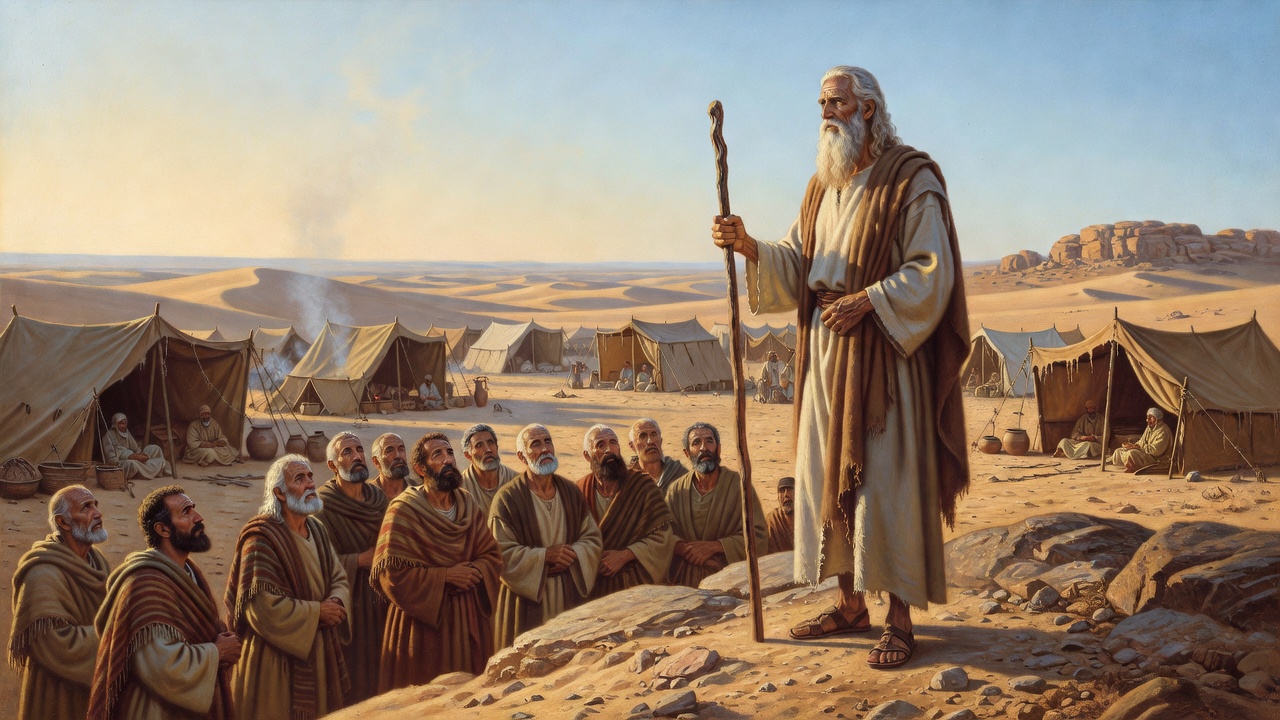
1Onyenwe anyị gwara Mosis okwu sị ya, 2“Gwa ụmụ Izrel okwu ndị a sị ha, ‘Mụ onwe m bụ Onyenwe anyị Chineke unu. 3Ya mere, ọ bụ ezie na unu ebiela nʼetiti ndị Ijipt, ma unu ekwesighị ibi ndụ unu dịka ha si ebi. Unu ekwesịkwaghị ibi ndụ dịka ndị Kenan ebe m na-akpọbata unu. Unu agbasola omenaala ha. 4Unu ga-edebe iwu m niile, gbasookwa ụkpụrụ m niile nʼihi na abụ m Onyenwe anyị Chineke unu. 5Debenụ iwu m na ụkpụrụ m, nʼihi na onye na-edebe ha ga-adị ndụ site na ha. Abụ m Onyenwe anyị.
6“ ‘Onye ọbụla ya na mmadụ bụ nwanne e jekwurukwala ya ka ha nwe mmekọ edina, i ji kpughee ọtọ ya. Mụ onwe m bụ Onyenwe anyị.
7“ ‘Ị gaghị eleda nna gị anya site na i jekwuru nne gị ka gị na ya nwe mmekọ edina. Nne gị ka ọ bụ; gị na ya agaghị enwe ụdị mmekọ dị otu a.
8“ ‘Ị gaghị e jekwuru nwunye nna gị ka gị na ya nwe mmekọ edina. Nke a bụ ileda nna gị anya.
9“ ‘Ị gaghị e jekwuru nwanne gị nwanyị ka gị na ya nwe mmekọ edina, maọbụ nwa nwanyị nke a mụụrụ nna gị, maọbụ nwa nwanyị nke nne gị mụrụ, ma a mụrụ ya nʼụlọ ma a mụrụ nʼama.
10“ ‘Ị gaghị e jekwuru nwa nwanyị nke nwa gị nwoke mụrụ, maọbụ nwa nwanyị nke nwa gị nwanyị mụrụ i nwe mmekọ edina; nʼihi na nke a ga-eweta nleda anya nye gị.
11“ ‘Ị gaghị e jekwuru nwa nwanyị nwunye nna gị mụrụ, ka gị na ya nwe mmekọ edina, nʼihi na ọ bụ nwa nna gị mụrụ; nwanne gị nwanyị ka ọ bụ.
12“ ‘Ị gaghị e jekwuru nwanne nwanyị nna gị ka gị na ya nwe mmekọ edina, nʼihi na ọbara jịkọrọ ya na nna gị, ha bụ otu ahụ.
13“ ‘Ị gaghị e jekwuru nwanne nne gị nke nwanyị, ka gị na ya nwe mmekọ edina, nʼihi na ọbara jịkọrọ ya na nne gị, ha bụ otu ahụ.
14“ ‘Ị gaghị eleda nwanne nna gị nke nwoke anya, site nʼijekwuru nwunye ya, ka gị na ya nwe mmekọ edina. Nʼihi na nwunye nwanna gị ka ọ bụ.
15“ ‘Ị gaghị e jekwuru nwunye nwa gị nwoke ka gị na ya nwe mmekọ edina; nwunye nwa gị nwoke ka ọ bụ; gị na ya agaghị enwe mmekọrịta ọbụla gosiri mkpughe ọtọ ya.
16“ ‘Ị gaghị e jekwuru nwunye nwanne gị nwoke ka gị na ya nwe mmekọ edina, nʼihi na nke a bụ omume nleda anya nye nwanne gị nwoke.
17“ ‘Ị gaghị e jekwuru nwanyị na nwa ya nwanyị ka gị na ha nwe mmekọ edina. Ị gaghị akpọrọ nwa nwanyị nwa ya nwoke, maọbụ nwa nwanyị nke nwa ya nwanyị mụrụ dinaa ya; nʼihi na otu ọbara ka ha bụ. Ihe dị otu a bụ arụ.
18“ ‘Ị gaghị alụ nwanne nwanyị nwunye gị, dịka nwunye ọzọ gị, nʼihi ịkpagbu ya, gị na ya a na-enwe mmekọrịta edina, ị na-ekpughe ọtọ nwunye gị mgbe ọ ka dị ndụ.
19“ ‘E jekwurukwala nwanyị ka gị na ya nwe mmekọ edina, mgbe ọ nọ nʼọnọdụ adịghị ọcha nke (ịsọ ụba) nsọ nwanyị ya nʼoge a kara aka.
20“ ‘A kpọrọkwala nwunye onye agbataobi gị idina ya, si otu a merụọ onwe gị nʼihi mmekọ dị otu a.
21“ ‘Ị gaghị enye nwa gị ka e jiri ya chụọrọ Molek aja. Nʼihi na i kwesighị imerụ aha Chineke gị. Mụ onwe m bụ Onyenwe anyị.
22“ ‘Gị na nwoke edinala, dịka nwanyị na nwoke si edina. Ihe akpọrọ asị ka ọ bụ.
23“ ‘Gị na anụmanụ ọbụla edinakwala, site otu a merụọ onwe gị. Nwanyị agakwaghị ewere onwe ya nye ka ya na oke anụmanụ nwee mmekọrịta, arụ a na-adịghị eme eme ka ọ bụ.
24“ ‘Unu emerụkwala onwe unu site na-ime ihe ndị a, nʼihi na ihe ndị a bụ ihe mba ndị ahụ na-eme. Ọ bụkwa nʼihi ya ka m ga-eji chụpụ ha site nʼala ahụ m ga-enye unu. 25Ọ bụladị ala ahụ niile ghọrọ ihe rụrụ arụ site nʼomume ndị a. Ọ bụ nke a mere m ji ata ndị bi nʼime ya ahụhụ nʼihi mmehie ha. Ala ahụ meghere ọnụ ya gbọpụta ndị bi nʼime ya. 26Unu ga-edebe iwu m na ụkpụrụ m ndị a niile. Unu emekwala ihe arụ ndị a, ma ndị amụrụ nʼala ma ndị ọbịa niile bi nʼetiti unu. 27Ala m na-aga inye unu rụrụ arụ nʼihi na ndị bi nʼime ya na-eme omume ndị a rụrụ arụ. 28Unu emekwala ihe arụ ndị a, nʼihi na ọ bụrụ na unu emee ha, ọ ga-emeghe ọnụ ya gbọpụta unu, dịka o si mee mba niile bụ ndị buru unu ụzọ biri nʼime ya.
29“ ‘Onye ọbụla nʼetiti unu mere ihe arụ ndị a, ka a ga-ekewapụ site nʼetiti ndị ya. 30Nʼihi ya, lezienụ anya ka unu debe iwu m, ka unu ghara ime ihe arụ ndị a, nke ndị buru unu ụzọ biri nʼala ahụ mere. Ka unu gharakwa imerụ onwe unu site nʼomume arụ ndị a. Abụ m Onyenwe anyị Chineke unu.’ ”
Did you know?
Holiness and Moral Standards
- Leviticus 18 introduces its moral and family regulations by instructing the Israelites not to adopt the customs of Egypt, where they had previously lived, nor those of Canaan, the land they were about to enter.Sources: the Bible text itself · Canaan · Egypt
- The chapter explicitly forbids offering children to Molech, the national deity of the Ammonites whose rites included sacrifices by fire, declaring that such acts profane the name of God.Sources: the Bible text itself · Molech
- The passage uses striking figurative language, warning that corrupt practices defile the land itself and that the land will vomit out anyone who violates these statutes, just as it expelled prior inhabitants.Sources: the Bible text itself
Notes written with AI assistance from open sources (Theographic Bible Metadata, CC BY-SA 4.0; Easton’s Bible Dictionary, public domain) and reviewed before publishing.
Places in this chapter
Only places identified with high confidence are shown (90% or more according to the scholarly sources compiled by OpenBible). Period map: DARE (Digital Atlas of the Roman Empire), CC BY 4.0; modern map: © OpenStreetMap contributors; places: OpenBible.info (CC BY 4.0).
Credits and license for this translation
Biblica® Baịbụlụ Nsọ nʼIgbo Ndị Ugbu a nke dịrị onye ọbụla ịgụ The Holy Bible in the Igbo language of Nigeria: Biblica® Baịbụlụ Nsọ nʼIgbo Ndị Ugbu a nke dịrị onye ọbụla ịgụ copyright © 2020 Biblica, Inc. Language: Igbo Contributor: Biblica, Inc. This work is made available under the Creative Commons Attribution-ShareAlike 4.0 International License (CC BY-SA). To view a copy of this license, visit http://creativecommons.org/licenses/by-sa/4.0 or send a letter to Creative Commons, PO Box 1866, Mountain View, CA 94042, USA. Biblica® is a trademark registered by Biblica, Inc., and use of the Biblica® trademark requires the written permission of Biblica, Inc. Under the terms of the CC BY-SA license, you may copy and redistribute this unmodified work as long as you keep the Biblica® trademark intact. If you modify a copy or translate this work, thereby creating a derivative work, you must remove the Biblica® trademark. On the derivative work, you must indicate what changes you have made and attribute the work as follows: “The original work by Biblica, Inc. is available for free at www.biblica.com and open.bible.” Notice of copyright must appear on the title or copyright page of the work as follows: Biblica® Baịbụlụ Nsọ nʼIgbo Ndị Ugbu a nke dịrị onye ọbụla ịgụ Ndị Biblica, Inc. degharịrị ya nʼafọ © 1980, 1988, 2019, 2020 Biblica® Open Igbo Contemporary Bible™ Copyright © 1980, 1988, 2019, 2020 by Biblica, Inc. “Biblica” bụ akara e ji mara ụlọ ọrụ a, nke edebanyere dịka iwu si kwado nʼụlọ ọrụ dị nʼobodo United States, ebe a na-enye akara a na ikike maka azụm ahịa ndị Biblica, Inc. Ọ bụ ha ka e nyere ikike idenye ya. “Biblica” is a trademark registered in the United States Patent and Trademark Office by Biblica, Inc. Used with permission. You must also make your derivative work available under the same license (CC BY-SA). If you would like to notify Biblica, Inc. regarding your translation of this work, please contact us at https://open.bible/contact-us. This translation is made available to you under the terms of the Creative Commons Attribution Share-Alike license 4.0. You have permission to share and redistribute this Bible translation in any format and to make reasonable revisions and adaptations of this translation, provided that: You include the above copyright and source information. If you make any changes to the text, you must indicate that you did so in a way that makes it clear that the original licensor is not necessarily endorsing your changes. If you redistribute this text, you must distribute your contributions under the same license as the original. Pictures included with Scriptures and other documents on this site are licensed just for use with those Scriptures and documents. For other uses, please contact the respective copyright owners. Note that in addition to the rules above, revising and adapting God's Word involves a great responsibility to be true to God's Word. See Revelation 22:18-19. 2023-04-12
Source: http://ebible.org/ibo/ · eBible.org