Jeremiah 7
Biblica® Baịbụlụ Nsọ nʼIgbo Ndị Ugbu a nke dịrị onye ọbụla ịgụ · Tap a verse to see its cross-references.
Enweghị isi nke okpukpe aghụghọ
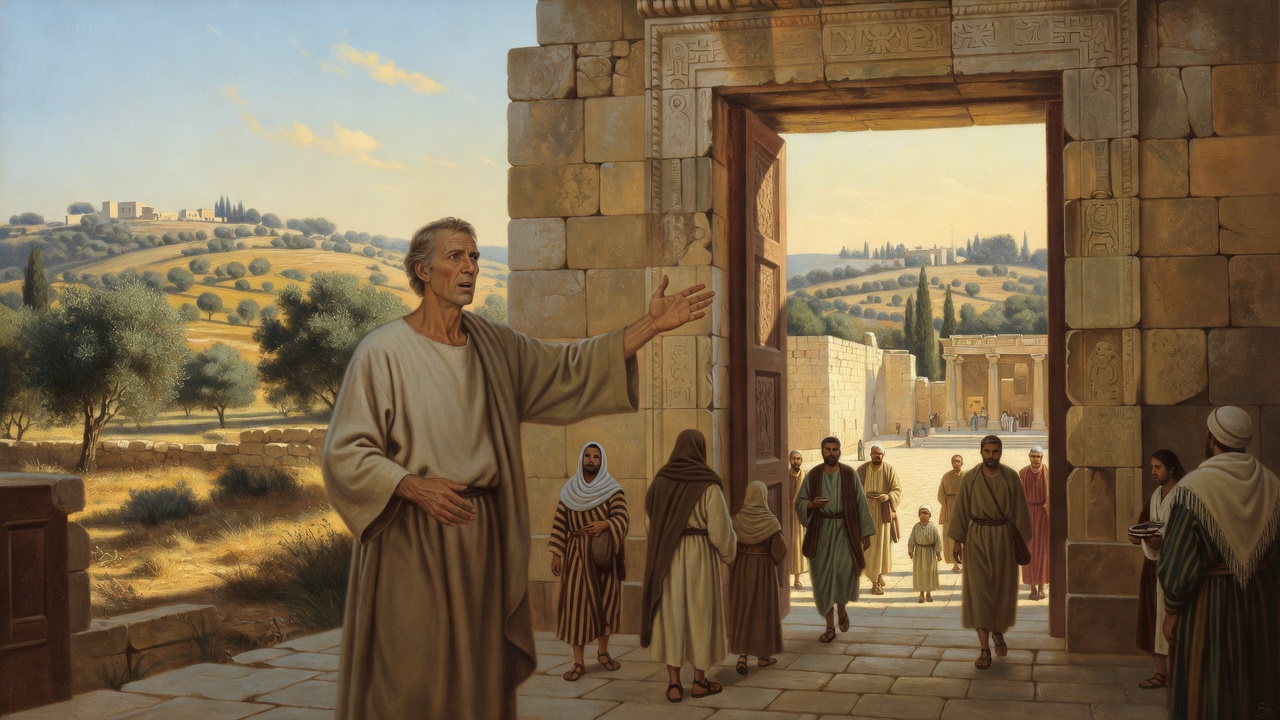
1Ndị a bụ okwu nke sị nʼebe Onyenwe anyị nọ bịakwute Jeremaya. 2“Guzo nʼọnụ ụzọ ama nke ụlọ Onyenwe anyị kwusaa ozi a nʼebe ahụ,
“ ‘Nụrụnụ okwu Onyenwe anyị, unu ndị Juda niile, ndị na-esi nʼọnụ ụzọ a niile na-abata ife Onyenwe anyị ofufe. 3Ihe ndị a bụ ihe Onyenwe anyị, Onye pụrụ ime ihe niile, bụ Chineke Izrel na-ekwu. Mezienụ ụzọ unu na omume unu niile, m ga-ekwe ka unu biri nʼebe a. 4Unu atụkwasịla uche unu nʼokwu aghụghọ niile a na-agwa unu na-asị, “Nke a bụ ụlọnsọ ukwu Onyenwe anyị, ụlọnsọ ukwu Onyenwe anyị, ụlọnsọ ukwu Onyenwe anyị!” 5Ọ bụrụ na unu emee ka ụzọ unu na omume unu guzozie, ọ bụrụ na unu emesoo ibe unu mmeso nʼụzọ ikpe ziri ezi, 6ọ bụrụ na unu ahapụ imegbu ndị ọbịa, na ndị na-enweghị nna, maọbụ nwanyị di ya nwụrụ; ọ bụrụ na unu ajụ iwufu ọbara onye aka ya dị ọcha nʼebe a, ọ bụrụkwa na unu ajụ ịgbaso chi ndị ọzọ nke na-ewetara unu nsogbu, 7mgbe ahụ, aga m ekwere ka unu biri nʼebe a, nʼala a m nyere nna nna unu ha, ruo mgbe ebighị ebi. 8Ma lee, ihe unu na-eme ugbu a bụ ịtụkwasị uche unu nʼokwu aghụghọ nke na-enweghị isi.
9“ ‘Unu ga-aga nʼihu na-ezu ohi, na-egbu mmadụ ibe unu, na-akwa iko, ma na-eji chi ndị ọzọ na-aṅụ iyi? Unu ga-anọgide na-achụ aja ihe nsure ọkụ na-esi isi ụtọ nye Baal, ma na-agbaso chi ndị ọzọ unu na-amaghị? 10Unu ga-emecha bịa guzo nʼihu m nʼụlọnsọ a, nke a kpọkwasịrị aha m, na-asị, “Anyị nọ na nchekwa,” ọ bụ ịnọ na nchekwa maka ime ihe arụ niile ndị a? 11Ọ pụtara na ụlọ a, nke a kpọkwasịrị aha m aghọọla ogige nye ndị ohi? Ma anọkwa m ya na-ele unu anya, ka Onyenwe anyị kwupụtara.
12“ ‘Otu ọ dị, biko, Jeruonụ ebe ahụ dị na Shaịlo, ebe ahụ m buru ụzọ mee ka ọ bụrụ ebe a kpọkwasịrị aha m, ka unu chọpụta ihe m mere ya nʼihi ajọ omume ndị m, ụmụ Izrel. 13Mgbe unu nọ na-eme ihe ndị a niile, ka Onyenwe anyị kwupụtara, agwara m unu okwu mgbe mgbe, ma unu jụrụ ige ntị. Akpọrọ m unu oku, ma unu jụrụ ịza. 14Nʼihi ya, ihe ahụ m mere na Shaịlo ka m ga-emekwa ọzọ megide ụlọ ahụ a kpọkwasịrị aha m. E, aga m eme ya megide ụlọnsọ ukwu ahụ unu na-atụkwasị obi unu nʼime ya, ụlọnsọ ukwu ahụ m nyere unu na nna nna unu ha. 15A ga-esite nʼihu m wezuga unu, tufuo unu, dịka m wezugara ma tufukwaa ụmụnna unu, bụ ndị Ifrem.’
16“Ya mere, unu ekperela m ekpere nʼihi ndị a; unu atụfula oge unu ịrịọ m arịrịọ nʼihi ha. Agaghị m ege ntị nʼekpere na arịrịọ unu. 17Ọ bụ na unu adịghị ahụ ihe na-eme nʼobodo niile nke Juda, na ihe ha na-eme nʼokporoụzọ niile nke Jerusalem? 18Ụmụ na-achịkọta nkụ nke nna ha ji emenye ọkụ, ebe nne ha na-eghe achịcha ha na-eche nʼihu Eze nwanyị mbara Eluigwe. Ha na-awụpụrụ chi ndị ọzọ mmanya nʼihi ịkpasu m iwe. 19Ọ bụ m ka ha na-akpasu iwe? Otu a ka Onyenwe anyị kwupụtara. Ọ bụghị onwe ha ka ha na-emesi ike, ka ihe ihere mee ha?
20“ ‘Ya mere, otu a ka Onye kachasị ihe niile elu, bụ Onyenwe anyị sịrị: Iwe m na ọnụma m ka a ga-awụkwasị nʼebe a, nʼelu ndị mmadụ, na anụmanụ, na osisi dị nʼọhịa, na mkpụrụ nke ala ubi. Ọ ga-ere ọkụ ma agaghị emenyụ ya.
21“ ‘Ihe ndị a ka Onyenwe anyị, Onye pụrụ ime ihe niile, bụ Chineke Izrel kwuru, Gaanụ nʼihu, tụkwasịnụ aja nsure ọkụ unu nʼelu aja unu ndị ọzọ niile. Riekwanụ anụ ndị a nʼonwe unu. 22Nʼihi na mgbe m si nʼala Ijipt kpọpụta nna nna unu ha, gwa ha okwu, e nyeghị ha naanị iwu maọbụ gwa ha okwu banyere ịchụ aja nsure ọkụ na aja ndị ọzọ. 23Ma iwu m nyere ha bụ nke a, ruberenụ m isi, aga m abụ Chineke unu, unu ga-abụkwa ndị nke m. Bienụ ndụ nʼiwu niile m nyere unu, ka ihe gaara unu nke ọma. 24Ma ha jụrụ ige ntị, jụkwa ilezi anya ime ihe ndị ahụ m nyere nʼiwu. Kama ha gbasoro ọchịchọ ọjọọ nke obi rụrụ arụ ha. Kama ịga nʼihu, ha daghachiri azụ. 25Site na mgbe nna nna unu ha hapụrụ ala Ijipt, esepụbeghị m aka izitere unu ndị amụma bụ ndị ohu m. 26Ma ha jụrụ ige ntị, jụkwa ilezi anya ime ihe m nyere nʼiwu. Ha bụ ndị ntị ike, ndị nọgidere na-eme ihe ọjọọ karịrị nke nna nna ha mere.’
27“Mgbe ị gwara ha ihe ndị a niile, ha agaghị ege ntị. Ọ bụrụkwa na ị kpọọ ha oku ha agaghị aza. 28Ya mere, ihe ndị a ka ị ga-agwa ha, ‘Nke a bụ mba na-enwebeghị oge ha ji rubere Onyenwe anyị Chineke ha isi. O nwebekwaghị oge ọbụla ha ji nabata ịdọ aka na ntị ya. Eziokwu ọbụla adịghịkwa; okwu ọnụ ha bụ naanị ụgha ụgha.
29“ ‘Kpụchaanụ agịrị isi unu, tufuo ya, nọọnụ nʼebe dị elu nke tọgbọrọ nʼefu bulie abụ akwa, nʼihi na Onyenwe anyị esitela nʼoke ọnụma ya jụ ọgbọ a. Ọ gbakụtala ha azụ bụ ọgbọ nke a iwe ya na-adakwasị.
Ndagwurugwu ogbugbu mmadụ
30“ ‘ Onyenwe anyị kwupụtara sị, ndị Juda emeela ihe ọjọọ dị iche iche nʼihu m. Ha akpụọla arụsị rụrụ arụ nke ha tinyere nʼime ụlọnsọ ukwu ahụ a kpọkwasịrị aha m. Ha emerụọla ya. 31Ha ewuolara onwe ha ebe ịchụ aja dị elu na Tofet, nke dị na Ndagwurugwu nke Ben Hinom. Ebe ahụ ka ha na-anọ na-esure ụmụ ha ndị ikom na ndị inyom ọkụ. Ihe dị otu a abụkwaghị ụdị ihe m nyere ha nʼiwu ka ha mee. O nwekwaghị oge ihe dị otu a batara m nʼobi. 32Ya mere, kpacharanụ anya, nʼihi na otu a ka Onyenwe anyị kwubiri, ụbọchị ndị ahụ na-abịa, mgbe ndị mmadụ na-agaghị akpọkwa ebe ahụ Tofet maọbụ Ndagwurugwu nke Ben Hinom. Kama ha ga-akpọ ya ndagwurugwu ogbugbu mmadụ, nʼihi na ha ga-eli ọtụtụ ndị ha na Tofet ruo mgbe ha na-agaghị ahụkwa ebe ha ga-eli ndị fọdụrụ. 33Mgbe ahụ, ozu ndị mmadụ ndị a ga-aghọrọ ụmụ anụ ufe na anụ ọhịa ihe oriri. O nwekwaghị onye ga-anọ menye ha egwu chụpụ ha. 34Mgbe ahụ, aga m eme ka ụzụ ọṅụ na obi ụtọ, na olu ndị ikom na ndị inyom na-alụ di na nwunye nʼobodo niile nke Juda, na nʼokporoụzọ Jerusalem kwụsị. Ala ahụ ga-aghọkwa ebe tọgbọrọ nʼefu.
Did you know?
The Temple Sermon and False Security
- The people of Judah believed the presence of the temple in Jerusalem guaranteed divine protection. Jeremiah countered this assumption by pointing to Shiloh, an earlier sanctuary in the territory of Ephraim that God had abandoned because of the people's wickedness.Sources: the Bible text itself · Shiloh · Ephraim
- The chapter depicts idolatry as a full family endeavor in the streets of Jerusalem, where children gathered wood, fathers kindled fires, and women baked cakes for foreign deities alongside offerings made to Baal.Sources: the Bible text itself · Baal · Jerusalem
- Jeremiah condemned the practice of child sacrifice at Topheth in the Valley of Hinnom, announcing that the site of these rites would be renamed the Valley of Slaughter due to the coming judgment.Sources: the Bible text itself · Topheth · Valley of the Son of Hinnom · Valley of Slaughter
Notes written with AI assistance from open sources (Theographic Bible Metadata, CC BY-SA 4.0; Easton’s Bible Dictionary, public domain) and reviewed before publishing.
Places in this chapter
- Shiloh · Today: Khirbet Seilun · 32.056, 35.290 · verses 12, 14
- Jerusalem · 31.777, 35.234 · verses 17, 29, 34
- Egypt · 30.129, 31.308 · verses 22, 25
- Topheth · Today: in the Hinnom Valley · 31.769, 35.228 · verses 31, 32
- Valley of Hinnom · Today: Hinnom Valley · 31.769, 35.228 · verses 31, 32
Only places identified with high confidence are shown (90% or more according to the scholarly sources compiled by OpenBible). Period map: DARE (Digital Atlas of the Roman Empire), CC BY 4.0; modern map: © OpenStreetMap contributors; places: OpenBible.info (CC BY 4.0).
Credits and license for this translation
Biblica® Baịbụlụ Nsọ nʼIgbo Ndị Ugbu a nke dịrị onye ọbụla ịgụ The Holy Bible in the Igbo language of Nigeria: Biblica® Baịbụlụ Nsọ nʼIgbo Ndị Ugbu a nke dịrị onye ọbụla ịgụ copyright © 2020 Biblica, Inc. Language: Igbo Contributor: Biblica, Inc. This work is made available under the Creative Commons Attribution-ShareAlike 4.0 International License (CC BY-SA). To view a copy of this license, visit http://creativecommons.org/licenses/by-sa/4.0 or send a letter to Creative Commons, PO Box 1866, Mountain View, CA 94042, USA. Biblica® is a trademark registered by Biblica, Inc., and use of the Biblica® trademark requires the written permission of Biblica, Inc. Under the terms of the CC BY-SA license, you may copy and redistribute this unmodified work as long as you keep the Biblica® trademark intact. If you modify a copy or translate this work, thereby creating a derivative work, you must remove the Biblica® trademark. On the derivative work, you must indicate what changes you have made and attribute the work as follows: “The original work by Biblica, Inc. is available for free at www.biblica.com and open.bible.” Notice of copyright must appear on the title or copyright page of the work as follows: Biblica® Baịbụlụ Nsọ nʼIgbo Ndị Ugbu a nke dịrị onye ọbụla ịgụ Ndị Biblica, Inc. degharịrị ya nʼafọ © 1980, 1988, 2019, 2020 Biblica® Open Igbo Contemporary Bible™ Copyright © 1980, 1988, 2019, 2020 by Biblica, Inc. “Biblica” bụ akara e ji mara ụlọ ọrụ a, nke edebanyere dịka iwu si kwado nʼụlọ ọrụ dị nʼobodo United States, ebe a na-enye akara a na ikike maka azụm ahịa ndị Biblica, Inc. Ọ bụ ha ka e nyere ikike idenye ya. “Biblica” is a trademark registered in the United States Patent and Trademark Office by Biblica, Inc. Used with permission. You must also make your derivative work available under the same license (CC BY-SA). If you would like to notify Biblica, Inc. regarding your translation of this work, please contact us at https://open.bible/contact-us. This translation is made available to you under the terms of the Creative Commons Attribution Share-Alike license 4.0. You have permission to share and redistribute this Bible translation in any format and to make reasonable revisions and adaptations of this translation, provided that: You include the above copyright and source information. If you make any changes to the text, you must indicate that you did so in a way that makes it clear that the original licensor is not necessarily endorsing your changes. If you redistribute this text, you must distribute your contributions under the same license as the original. Pictures included with Scriptures and other documents on this site are licensed just for use with those Scriptures and documents. For other uses, please contact the respective copyright owners. Note that in addition to the rules above, revising and adapting God's Word involves a great responsibility to be true to God's Word. See Revelation 22:18-19. 2023-04-12
Source: http://ebible.org/ibo/ · eBible.org