Jeremiah 20
Biblica® Baịbụlụ Nsọ nʼIgbo Ndị Ugbu a nke dịrị onye ọbụla ịgụ · Tap a verse to see its cross-references.
Jeremaya na Pashua
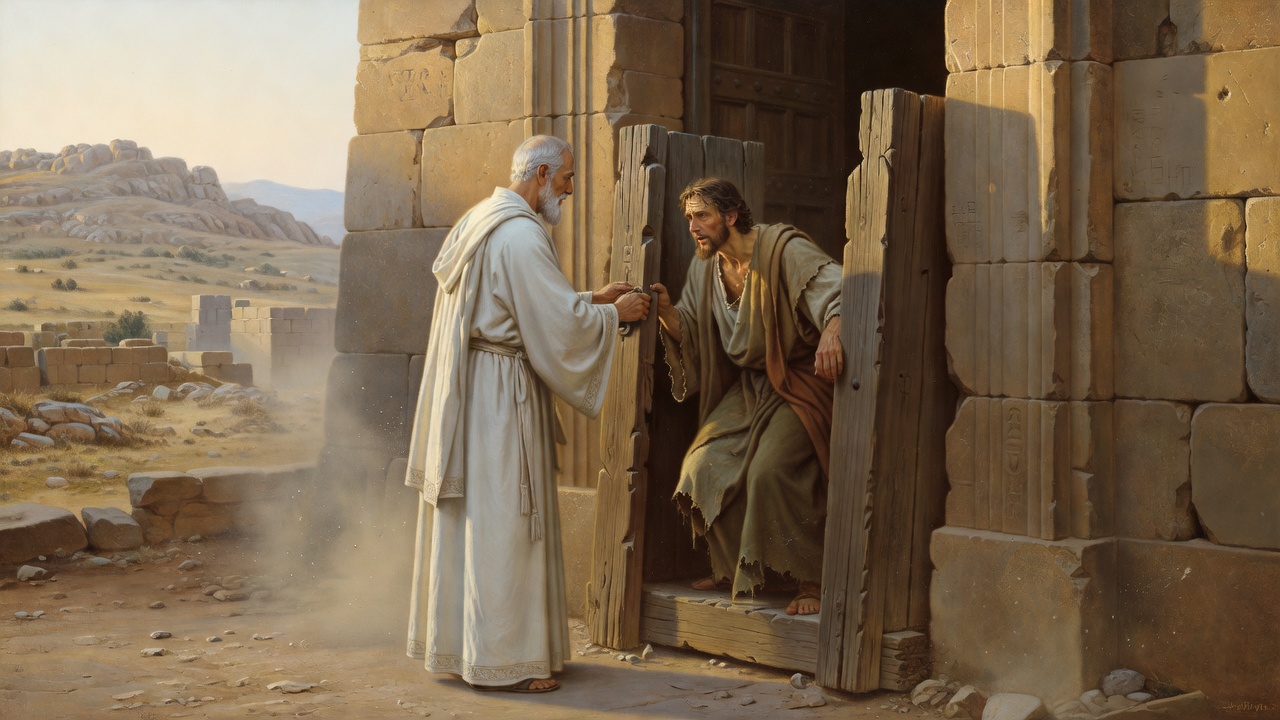
1Mgbe Pashua nwa Imea, bụ onye nchụaja, ma burukwa onyeisi na-elekọta ụlọnsọ ukwu Onyenwe anyị, nụrụ amụma ndị a Jeremaya na-ebu, 2o nyere iwu ka e tie Jeremaya, bụ onye amụma ihe, kee ya agbụ, tinye ya nʼọnụ ụzọ ama Dị Elu nke Benjamin, nke dị ụlọnsọ ukwu Onyenwe anyị. 3Nʼechi ya, mgbe Pashua tọpụrụ ya site nʼagbụ ahụ, Jeremaya sịrị ya, “ Onyenwe anyị akpọghị gị Pashua, kama aha gị bụ Mago-Misabib, nke pụtara, Nwoke ihe egwu gbara gburugburu. 4Nʼihi na nke a ka Onyenwe anyị na-ekwu, ‘Aga m eme ka ị ghọọrọ onwe gị, ghọọkwara ndị enyi gị niile ihe egwu. Anya gị abụọ ka ị ga-eji hụ ha mgbe mma agha ndị iro ha ga-egbuda ha. Aga m ararakwa ala Juda niile nyefee ha nʼaka eze Babilọn, onye ga-egbuda ha. Aga m ararakwa ala Juda niile nyefee ha nʼaka eze Babilọn, onye ga-eburu ndị niile bi nʼime ya gaa Babilọn. Ọ ga-egbu ndị fọdụrụ. 5Aga m enyefe ndị iro ha akụ niile dị nʼobodo, na ihe niile ha rụpụtara, na ihe niile dị oke ọnụahịa, na ngwongwo na akụ niile nke ndị eze Juda. Ha ga-eburu ya dịka ihe a kwatara nʼagha laa Babilọn. 6Ma gị onwe gị bụ Pashua, na ndị niile bi nʼụlọ gị, ka a ga-adọta nʼagha buru gaa Babilọn. Nʼebe ahụ ka ị ga-anwụ. Ebe ahụ kwa ka a ga-eli gị, gị na ndị enyi gị ndị a niile ị na-eburu amụma ụgha.’ ”
Mkpesa Jeremaya
7Onyenwe anyị, ị ghọọla m aghụghọ, meekwa m ka m ghọọ onye a ghọgburu nʼaghụghọ.
I jidesiela m aka ike, mee ka uche gị mezuo m nʼahụ.
Lee na mmadụ niile na-akparị m ụbọchị niile.
Onye ọbụla jikwa m na-eme ihe ọchị.
8Nʼihi na mgbe ọbụla m meghere ọnụ kwuo okwu, aghaghị m iti mkpu.
Aga m akpọ mkpu banyere ihe ike na ịla nʼiyi.
Nʼihi na okwu Onyenwe anyị ewetarala
m mkparị na ịkwa emo ụbọchị niile.
9Ọ bụrụkwa na m ekwuo nʼobi m sị, “Agaghị m ekwute ihe ọbụla metụtara okwu ya maọbụ aha ya ọzọ.”
Ọ dịghị ekwe m.
Nʼihi na okwu ya na-enwu m ọkụ nʼobi.
Ọ dịkwa ka ọkụ na-enwu enwu emechibidoro ụzọ nʼime ọkpụkpụ m.
Ike agwụla m ịnagide okpomọkụ nke okwu ya.
Nʼezie, apụghịkwa m ịnagide ya.
10Ana m anụ ọtụtụ akụkọ nzuzo,
“Oke egwu nʼakụkụ niile!
Jụụnụ ya! Ka anyị jụụnụ ya!”
Ndị enyi m niile
nọ na-eche mgbe m ga-azọhie ụkwụ daa, na-asị,
“Ma eleghị anya ọ ga-abụ onye eduhiere,
mgbe ahụ, anyị ga-emegide ya,
bọọrọ onwe anyị ọbọ nʼahụ ya.”
11Ma Onyenwe anyị nọnyeere m dịka dike nʼagha;
nʼihi ya, ndị na-esogbu m ga-asọ ngọngọ, ha agaghị emerikwa m.
Ihe ha zubere agaghị emezuru ha, nʼihi ya, ihere ga-eme ha nke ukwuu;
a gaghị echezọkwa ọnọdụ ihere ha ruo ebighị ebi.
12Ma gị, Onyenwe anyị, Onye pụrụ ime ihe niile, gị, onye na-enyocha onye ezi omume,
onye anya ya na-eru nʼihe dị mmadụ nʼobi na nʼime echiche uche ya,
biko, kwere ka m dị ndụ hụ mgbe ị ga-abọrọ onwe gị ọbọ megide ha,
nʼihi na ọ bụ nʼaka gị ka m tinyere ihe niile gbasara m.
13Bụkuonụ Onyenwe anyị abụ!
Nyenụ Onyenwe anyị otuto!
Nʼihi na ọ na-anapụta ndụ ndị mkpa na-akpa,
site nʼaka ndị ajọ omume.
14Ihe a bụrụ ọnụ ka ụbọchị ahụ a mụrụ m bụ.
Ka ụbọchị nne m mụrụ m ghara inwe ngọzị.
15Onye a na-abụ ọnụ ka nwoke ahụ bụ nke wetara nna m akụkọ ọmụmụ m,
nke mere ka ọ ṅụrịa ọṅụ, na-asị ya,
“A mụọlara gị nwa, ọ bụ nwa nwoke!”
16Ka e meekwa nwoke ahụ ihe Onyenwe anyị mere obodo ndị ahụ
o bibiri na-enweghị ọmịiko.
Ka nwoke ahụ nọgidekwa na-anụ iti mkpu akwa nʼụtụtụ,
na akwa ibu agha nʼehihie.
17Nʼihi na ọ hapụrụ igbu m mgbe m nọ nʼafọ nne m,
hapụ ime ka afọ nne m bụrụ ili m,
ka afọ ya bụrụkwa ihe buru ibu ruo mgbe ebighị ebi.
18Nʼihi gịnị ka m ji site nʼafọ nne m pụta
ịhụ ọnọdụ ọjọọ ndị a, na ịnọgide nʼobi mwute,
na ịnọ ọnọdụ ihere ogologo ụbọchị niile nke ndụ m?
Did you know?
Jeremiah's Persecution and Inner Turmoil
- Pashhur, the priest who arrested and beat Jeremiah, was the son of Immer—the ancestral head of the sixteenth priestly division—and served as chief official in the house of the LORD. His high administrative post gave him the authority to punish Jeremiah and confine him in wooden stocks at the Upper Gate of Benjamin near the temple.Sources: Immer · Gate of Benjamin · the Bible text itself
- Upon being released, Jeremiah announced that God gave Pashhur the symbolic name 'Magor-missabib' ('terror on every side'). Jeremiah prophesied that Pashhur, his household, and his friends would be carried away captive into Babylon to die, alongside the plunder of Judah's wealth.Sources: Babylon · the Bible text itself
- The chapter reveals Jeremiah's intense emotional struggle between public derision and prophetic compulsion. Although mocked and betrayed by close friends, he confessed that holding back God's message felt like a fire burning in his heart and shut up within his bones.Sources: Jeremiah · the Bible text itself
Notes written with AI assistance from open sources (Theographic Bible Metadata, CC BY-SA 4.0; Easton’s Bible Dictionary, public domain) and reviewed before publishing.
Places in this chapter
- Benjamin Gate · Today: in Jerusalem · 31.777, 35.234 · verse 2
- Babylon · 32.543, 44.422 · verses 4, 5, 6
- Jerusalem · 31.777, 35.234 · verse 5
Only places identified with high confidence are shown (90% or more according to the scholarly sources compiled by OpenBible). Period map: DARE (Digital Atlas of the Roman Empire), CC BY 4.0; modern map: © OpenStreetMap contributors; places: OpenBible.info (CC BY 4.0).
Credits and license for this translation
Biblica® Baịbụlụ Nsọ nʼIgbo Ndị Ugbu a nke dịrị onye ọbụla ịgụ The Holy Bible in the Igbo language of Nigeria: Biblica® Baịbụlụ Nsọ nʼIgbo Ndị Ugbu a nke dịrị onye ọbụla ịgụ copyright © 2020 Biblica, Inc. Language: Igbo Contributor: Biblica, Inc. This work is made available under the Creative Commons Attribution-ShareAlike 4.0 International License (CC BY-SA). To view a copy of this license, visit http://creativecommons.org/licenses/by-sa/4.0 or send a letter to Creative Commons, PO Box 1866, Mountain View, CA 94042, USA. Biblica® is a trademark registered by Biblica, Inc., and use of the Biblica® trademark requires the written permission of Biblica, Inc. Under the terms of the CC BY-SA license, you may copy and redistribute this unmodified work as long as you keep the Biblica® trademark intact. If you modify a copy or translate this work, thereby creating a derivative work, you must remove the Biblica® trademark. On the derivative work, you must indicate what changes you have made and attribute the work as follows: “The original work by Biblica, Inc. is available for free at www.biblica.com and open.bible.” Notice of copyright must appear on the title or copyright page of the work as follows: Biblica® Baịbụlụ Nsọ nʼIgbo Ndị Ugbu a nke dịrị onye ọbụla ịgụ Ndị Biblica, Inc. degharịrị ya nʼafọ © 1980, 1988, 2019, 2020 Biblica® Open Igbo Contemporary Bible™ Copyright © 1980, 1988, 2019, 2020 by Biblica, Inc. “Biblica” bụ akara e ji mara ụlọ ọrụ a, nke edebanyere dịka iwu si kwado nʼụlọ ọrụ dị nʼobodo United States, ebe a na-enye akara a na ikike maka azụm ahịa ndị Biblica, Inc. Ọ bụ ha ka e nyere ikike idenye ya. “Biblica” is a trademark registered in the United States Patent and Trademark Office by Biblica, Inc. Used with permission. You must also make your derivative work available under the same license (CC BY-SA). If you would like to notify Biblica, Inc. regarding your translation of this work, please contact us at https://open.bible/contact-us. This translation is made available to you under the terms of the Creative Commons Attribution Share-Alike license 4.0. You have permission to share and redistribute this Bible translation in any format and to make reasonable revisions and adaptations of this translation, provided that: You include the above copyright and source information. If you make any changes to the text, you must indicate that you did so in a way that makes it clear that the original licensor is not necessarily endorsing your changes. If you redistribute this text, you must distribute your contributions under the same license as the original. Pictures included with Scriptures and other documents on this site are licensed just for use with those Scriptures and documents. For other uses, please contact the respective copyright owners. Note that in addition to the rules above, revising and adapting God's Word involves a great responsibility to be true to God's Word. See Revelation 22:18-19. 2023-04-12
Source: http://ebible.org/ibo/ · eBible.org