Jeremiah 2
Biblica® Baịbụlụ Nsọ nʼIgbo Ndị Ugbu a nke dịrị onye ọbụla ịgụ · Tap a verse to see its cross-references.
Izrel agbakụta Chineke azụ
1Okwu nke Onyenwe anyị bịakwutere m na-asị, 2“Gaa, kwupụta na ntị Jerusalem,
“Otu a ka Onyenwe anyị kwuru,
“ ‘Echetara m ịnụ ọkụ nʼobi nke okorobịa gị nʼoge gara aga ime ihe ga-atọ m ụtọ,
ịhụnanya gị dịka onye a lụrụ ọhụrụ,
echetakwara m otu unu si soro m nʼime ọzara,
ga nʼala tọgbọrọ nʼefu nke a na-akụghị mkpụrụ.
3Izrel bụ ihe dị nsọ nye Onyenwe anyị,
mkpụrụ mbụ nke owuwe ihe ubi ya.
Ndị niile ripịara ya ka a gụrụ dị ka ndị ikpe mara.
Ihe ọjọọ dakwasịkwara ha.’ ”
Otu a ka Onyenwe anyị kwupụtara.
4Nụrụ okwu nke Onyenwe anyị unu ụlọ Jekọb,
na unu ndị bụ agbụrụ niile sitere nʼIzrel.
5Ihe a ka Onyenwe anyị kwuru,
“Gịnị bụ ihe ọjọọ nna unu ha chọpụtara nʼime m,
mere ha ji si nʼebe m nọ kpafuo, nọrọ m ebe dị anya?
Nke mere na ha ghọrọ ndị nzuzu
site nʼịgbaso arụsị?
6Ha ajụghị ‘Olee ebe Onyenwe anyị ahụ nọ,
bụ onye sitere nʼala Ijipt kpọpụta anyị,
duuru anyị gafee ọzara tọgbọrọ nʼefu,
nʼala ọzara na ala olulu jupụtara,
ala nke akpịrị ịkpọ nkụ na nke oke ọchịchịrị,
ala ebe ọ dịghị onye na-esi na ya agafee na nke mmadụ na-ebighị na ya?’
7Ọ bụ m kpọbatara unu nʼala na-amị ọtụtụ mkpụrụ,
ka unu rie ihe dị ukwuu na ihe dị mma si nʼime ya.
Ma unu bara merụọ ala m
unu mere ihe nketa m ka ọ ghọọ ihe arụ.
8Ndị nchụaja ajụghị sị,
‘Olee ebe Onyenwe anyị nọ?’
Ndị ikpe ha amaghị m,
ndị na-achị ha mehiere megide m,
ndị amụma ha bụkwa aha Baal ka ha ji ebu amụma,
ha gbasooro ihe na-enweghị isi.
9“Nʼihi ya, aga m ebulite ebubo megide unu,”
Otu a ka Onyenwe anyị kwubiri ya.
“M ga-ebulikwa ebubo megide ụmụ ụmụ unu.
10Gafee nʼọnụ mmiri Saiprọs lee anya,
zie ozi gaa Keda ma leruo anya nke ọma,
ma ị ga-ahụ ihe ọbụla yiri nke a.
11O nwerela mba gbanwere chi ndị ha na-efe?
(Ọ bụ ezie na ha abụghị chi.)
Ma ndị m ewerela arụsị na-enweghị isi
gbanwere ebube ha.
12Ka ibubo nwụọ gị, gị eluigwe nʼihi nke a,
maa jijiji, tụọkwa oke ụjọ.”
Otu a ka Onyenwe anyị kwupụtara.
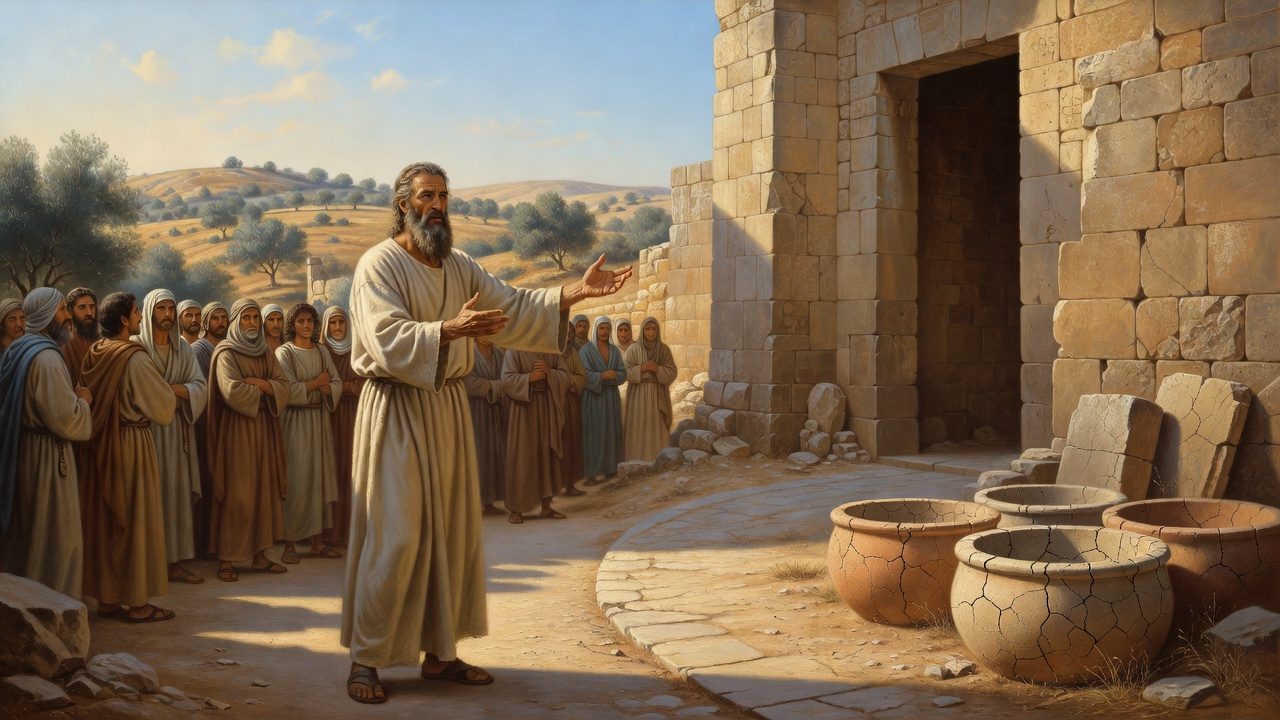
13“Nʼihi na ndị m emeela ihe ọjọọ abụọ.
Ha agbakụtala m azụ,
bụ Isi iyi mmiri ndụ,
gwuoro onwe ha ebe ichebe mmiri
nke tipuru etipu na-enweghị ike ịnagide mmiri ọbụla.
14Izrel ọ bụ ohu, ka ọ bụ ohu a mụrụ nʼụlọ?
Gịnị mere o ji ghọọ ihe nlụta nʼagha?
15Ọdụm agbọọla ụja,
ha ebigbọọla meekwa ka ọ nụ olu ha.
Ha ebibiela obodo ya laa ya nʼiyi,
suo ya ọkụ, nke mere na o nweghị onye bi na ha.
16Ọzọkwa, ndị ikom Memfis na Tapanhis
a kupuola gị isi.
17Ọ bụghị unu onwe unu wetaara onwe unu ihe ọjọọ dị otu a
site na ịhapụ Onyenwe anyị bụ Chineke unu,
mgbe ọ na-edu unu na-aga nʼụzọ?
18Ugbu a, gịnị bụ uru unu nwetara site nʼịga Ijipt
sitekwa nʼịṅụ mmiri nke osimiri Naịl?
Gịnị bụ uru unu nwetara site nʼịga Asịrịa,
sitekwa nʼịṅụ mmiri si na Yufretis?
19Ọ bụ ajọ omume unu ga-ewetara unu ahụhụ;
ahụhụ soo ndaghachi azụ unu bụ ihe ga-adọ unu aka na ntị.
Tulee ma matanụ nʼonwe unu
otu o si bụrụ ihe ọjọọ na ihe ilu nye unu
bụ inupu isi na ịgbakụta Onyenwe anyị bụ Chineke unu azụ
na-enweghị egwu ọbụla nʼime unu banyere m,”
nke a bụ ihe Chineke, Onye pụrụ ime ihe niile, kwupụtara.
20“Nʼoge gara aga, unu gbajiri yoku unu
dọkapụ agbụ jikọtara mụ na unu,
unu sịrị, ‘Agaghị m ejere gị ozi.’
Nʼezie, ọ bụ nʼelu ugwu ọbụla
nakwa nʼokpuru osisi na-agbasa agbasa,
ka ị na-edina dịka onye akwụna.
21Ma mụ onwe m kụrụ gị dịka osisi vaịnị kachasị mma
nke mkpụrụ ya dị ndụ dịkwa mma.
Olee otu i siri tụgharịa megide m,
ghọọ ihe rụrụ arụ, osisi vaịnị ọhịa?
22Nʼagbanyeghị na iji ncha sachaa onwe gị,
maọbụ jirikwa ọtụtụ ntụ ncha,
ntụpọ nke mmehie gị ka dị nʼihu m,”
Otu a ka Onye kachasị ihe niile elu, bụ Onyenwe anyị kwupụtara.
23“Ị ga-esi aṅaa na-asị, ‘A bụghị m onye e merụrụ emerụ;
o nwebeghị oge ọbụla m ji gbaso Baal?’
Leruo ụzọ gị anya na ndagwurugwu,
tulee ihe ndị i mere.
Ị bụ nne ịnyịnya ibu dị nkọ,
na-agbagharị ebe a nʼebe nke ọzọ.
24Nne ịnyịnya ibu ọhịa nke mara ụzọ ya nke ọma nʼọzara,
na-esi imi ma ọ ga-esichapụta oke ịnyịnya ibu,
onye pụrụ igbochi ya nʼoge mmekọ ya na oke ịnyịnya zuru?
Oke ịnyịnya ọbụla chọọrọ ya agaghị atụfu oge nʼịchụgharị ya,
nʼihi nʼoge ha chọrọ mmekọ, ha ga-achọta ya.
25Agbala ọsọ ruo mgbe ị ga-agbara ụkwụ efu,
mgbe akpịrị ga-akpọ gị nku.
Ma ị na-asị, ‘O nweghị uru ọ bara.
Nʼihi na ahụrụ m chi ndị mba ọzọ nʼanya,
aghaghị m ịgbaso ha.’
26“Dịka a na-eme onye ohi ihe ihere mgbe e jidere ya,
otu a ka a ga-eme ụlọ Izrel ihere,
ha onwe ha, ma ndị eze ha, ma ndịisi ha,
ndị nchụaja ha na ndị amụma ha.
27Ha na-asị osisi, ‘Nna m ka ị bụ,’
na-asịkwa nkume, ‘Ọ bụ gị mụrụ m.’
Ha agbakụtala m azụ,
jụ iche m ihu.
Ma mgbe ọbụla nsogbu bịakwasịrị ha, ha na-asị,
‘Bịa, zọpụta anyị.’
28Olee ebe chi ndị ahụ i meere nye onwe gị nọ?
Ka ha bịa, ma ọ bụrụ na ha nwere ike ịzọpụta gị,
mgbe nsogbu bịakwasịrị unu.
Nʼihi na gị, bụ Juda, nwere ọtụtụ chi
dịka i si nwee ọtụtụ obodo.
29“Gịnị mere unu ji ekwu okwu ebubo megide m?
Unu niile enupula isi megide m,”
ka Onyenwe anyị kwupụtara.
30“Nʼefu ka m tiri ụmụ unu ihe;
ma nke a emeghị ka ha nabata ịdọ aka na ntị.
Dịka ọdụm na-adọgbu anụ,
mma agha unu eripịala ndị amụma unu.
31“Unu ndị ọgbọ a, tuleenụ okwu nke Onyenwe anyị:
“O nweela mgbe m bụ ọzara nye ndị Izrel
ma ọ bụkwanụ ala gbara oke ọchịchịrị?
Gịnị mekwaranụ ndị m ji na-asị, ‘Anyị enwerela onwe anyị ịwagharị,
anyị agaghị abịakwutekwa gị ọzọ’?
32Nwaagbọghọ ọ na-echefu ọla ịchọ mma ya,
nwanyị a na-alụ ọhụrụ ọ na-echefu ngwa ịchọ mma ya?
Ma nʼime ọtụtụ ụbọchị nke a na-apụghị ịgụta ọnụ,
ndị m echefuola m.
33Lee ka unu si bụrụ ndị ọka nʼịgbaso ịhụnanya.
Ọ bụladị ụmụ nwanyị dị njọ karịsịa nwere ike ịmụta ihe site nʼụzọ unu.
34Nʼuwe unu ka achọtara ọbara
ndị ogbenye na-enweghị ihe ọjọọ ha mere,
nʼagbanyeghị na unu ejideghị ha ka ha nʼagbaka ụzọ.
Ma unu gara nʼihu
35na-asịkwa, ‘Emeghị m ihe ọjọọ,
ọ dịghị eweso m iwe.’
Ma aga m ekpe unu ikpe,
nʼihi na unu na-asị, ‘Emeghị m mmehie.’
36Gịnị mere unu ji na-akpagharị
na-agbanwe ụzọ unu ọtụtụ mgbe?
Ijipt ga-etinye unu nʼọnọdụ ihere
dịka ndị Asịrịa mere unu.
37Unu ga-ebu aka unu nʼisi
mgbe unu si ebe ahụ na-apụ,
nʼihi na Onyenwe anyị ajụla ndị ahụ unu tụkwasịrị obi.
Ha agaghị enyere unu aka.
Did you know?
Israel's Forgotten Devotion
- In Jeremiah 2:10, the prophet contrasts Cyprus (Chittim) in the western Mediterranean with Kedar, representing the nomadic Arab tribes to the east in the Arabian desert. By referencing these opposite geographic horizons, the text emphasizes that not even surrounding pagan nations exchanged their traditional deities.Sources: the Bible text itself · Cyprus · Kedar
- The references to Memphis (Noph) and drinking the waters of the Nile and Euphrates highlight Judah's unstable political reliance on Egypt and Assyria. Jeremiah compares trusting foreign military powers to abandoning a fountain of fresh water in order to dig cracked, leaky cisterns.Sources: the Bible text itself · Memphis · Egypt · Assyria
- The rebuke against running after the 'Baals' uses the plural form for local cults of Baal, the chief male deity of the Phoenicians. The worship of Baal had repeatedly infiltrated Israel and Judah, frequently taking place on high hills and in sacred groves.Sources: the Bible text itself · Baal
Notes written with AI assistance from open sources (Theographic Bible Metadata, CC BY-SA 4.0; Easton’s Bible Dictionary, public domain) and reviewed before publishing.
Places in this chapter
- Jerusalem · 31.777, 35.234 · verse 2
- Egypt · 30.129, 31.308 · verses 6, 18, 36, 37
- Cyprus · 35.000, 33.000 · verse 10
- Kedar · 29.811, 39.868 · verse 10
- Memphis · 29.849, 31.253 · verse 16
- Tahpanhes · Today: Tell Defenneh · 30.861, 32.171 · verse 16
- Assyria · 36.359, 43.153 · verses 18, 36
- Euphrates · Today: Euphrates River · 31.004, 47.442 · verse 18
- Nile · Today: Nile River · 31.465, 30.367 · verse 18
- Valley of Hinnom · Today: Hinnom Valley · 31.769, 35.228 · verse 23
Only places identified with high confidence are shown (90% or more according to the scholarly sources compiled by OpenBible). Period map: DARE (Digital Atlas of the Roman Empire), CC BY 4.0; modern map: © OpenStreetMap contributors; places: OpenBible.info (CC BY 4.0).
Credits and license for this translation
Biblica® Baịbụlụ Nsọ nʼIgbo Ndị Ugbu a nke dịrị onye ọbụla ịgụ The Holy Bible in the Igbo language of Nigeria: Biblica® Baịbụlụ Nsọ nʼIgbo Ndị Ugbu a nke dịrị onye ọbụla ịgụ copyright © 2020 Biblica, Inc. Language: Igbo Contributor: Biblica, Inc. This work is made available under the Creative Commons Attribution-ShareAlike 4.0 International License (CC BY-SA). To view a copy of this license, visit http://creativecommons.org/licenses/by-sa/4.0 or send a letter to Creative Commons, PO Box 1866, Mountain View, CA 94042, USA. Biblica® is a trademark registered by Biblica, Inc., and use of the Biblica® trademark requires the written permission of Biblica, Inc. Under the terms of the CC BY-SA license, you may copy and redistribute this unmodified work as long as you keep the Biblica® trademark intact. If you modify a copy or translate this work, thereby creating a derivative work, you must remove the Biblica® trademark. On the derivative work, you must indicate what changes you have made and attribute the work as follows: “The original work by Biblica, Inc. is available for free at www.biblica.com and open.bible.” Notice of copyright must appear on the title or copyright page of the work as follows: Biblica® Baịbụlụ Nsọ nʼIgbo Ndị Ugbu a nke dịrị onye ọbụla ịgụ Ndị Biblica, Inc. degharịrị ya nʼafọ © 1980, 1988, 2019, 2020 Biblica® Open Igbo Contemporary Bible™ Copyright © 1980, 1988, 2019, 2020 by Biblica, Inc. “Biblica” bụ akara e ji mara ụlọ ọrụ a, nke edebanyere dịka iwu si kwado nʼụlọ ọrụ dị nʼobodo United States, ebe a na-enye akara a na ikike maka azụm ahịa ndị Biblica, Inc. Ọ bụ ha ka e nyere ikike idenye ya. “Biblica” is a trademark registered in the United States Patent and Trademark Office by Biblica, Inc. Used with permission. You must also make your derivative work available under the same license (CC BY-SA). If you would like to notify Biblica, Inc. regarding your translation of this work, please contact us at https://open.bible/contact-us. This translation is made available to you under the terms of the Creative Commons Attribution Share-Alike license 4.0. You have permission to share and redistribute this Bible translation in any format and to make reasonable revisions and adaptations of this translation, provided that: You include the above copyright and source information. If you make any changes to the text, you must indicate that you did so in a way that makes it clear that the original licensor is not necessarily endorsing your changes. If you redistribute this text, you must distribute your contributions under the same license as the original. Pictures included with Scriptures and other documents on this site are licensed just for use with those Scriptures and documents. For other uses, please contact the respective copyright owners. Note that in addition to the rules above, revising and adapting God's Word involves a great responsibility to be true to God's Word. See Revelation 22:18-19. 2023-04-12
Source: http://ebible.org/ibo/ · eBible.org