Judges 2
Biblica® Baịbụlụ Nsọ nʼIgbo Ndị Ugbu a nke dịrị onye ọbụla ịgụ · Tap a verse to see its cross-references.
Mmụọ ozi Onyenwe anyị abịa Bokim
1Mmụọ ozi Onyenwe anyị sitere na Gilgal bịa Bokim gwa ndị Izrel okwu sị ha, “Mụ onwe m kpọpụtara unu site nʼIjipt, kpọbata unu nʼala a dịka m kwere nna unu ha na nkwa. Asịrị m, ‘Agaghị m ala azụ imezu ọgbụgba ndụ mụ na unu, 2unu na ndị bi nʼobodo ahụ agbakwala ndụ ọbụla, kama unu ga-etitu ebe ịchụ aja ha.’ Ma unu erubeghị isi nʼokwu a, gịnị mere unu emeghị nke a? 3Agwara m unu, na ‘agaghị m esite nʼihu unu chụpụ ha; ha ga-adịrị unu dịka ọnya nʼakụkụ niile, ebe chi niile ha ga-abụkwara unu ihe na-eweta ọnwụnwa.’ ”
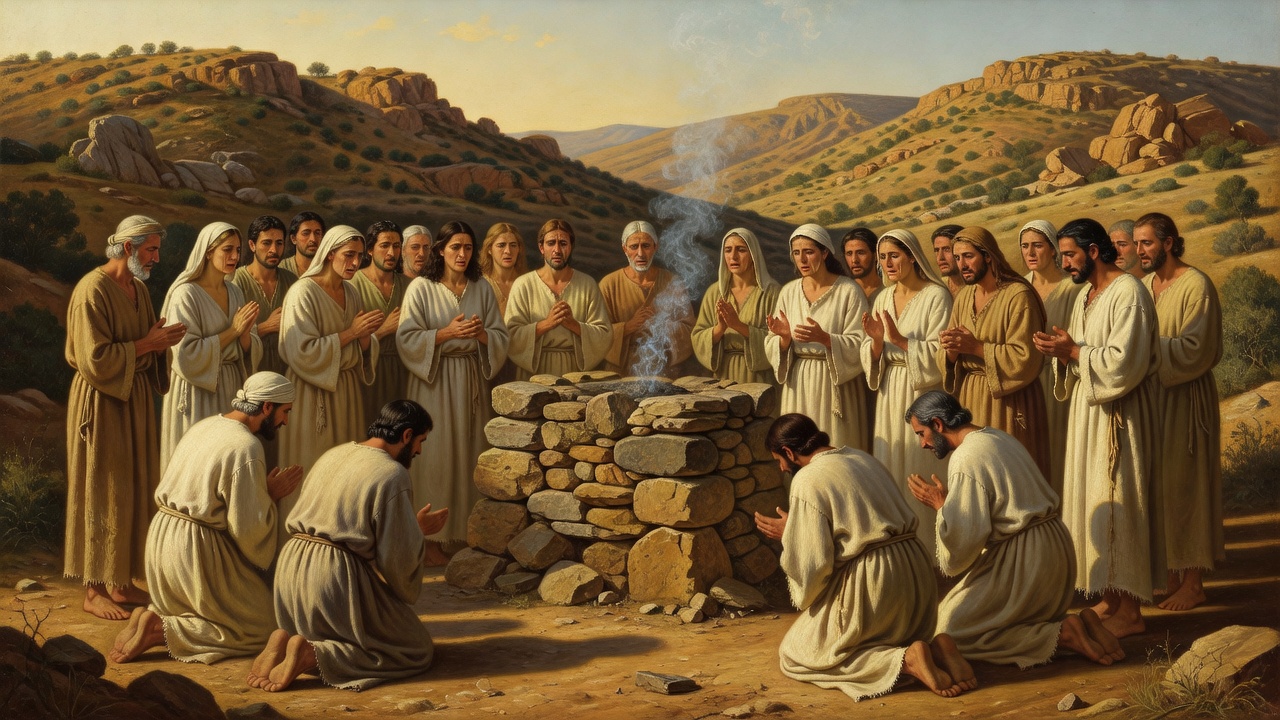
4Mgbe Mmụọ ozi Onyenwe anyị ahụ kwusiri okwu ndị a, ụmụ Izrel niile kwara akwa nke ukwuu. 5Nʼihi nke a, ha kpọrọ ebe ahụ Bokim. Ha chụụrụ Onyenwe anyị aja nʼebe ahụ.
Nnupu isi na Mmeri
6Mgbe Joshua zilagasịrị ndị Izrel niile, onye ọbụla nʼime ha gara nʼihe nketa ya, inweta ya, dịka ebo ọbụla dị nʼIzrel si dị. 7Ndị Izrel fere Onyenwe anyị ofufe ụbọchị niile nke ndụ Joshua, na nke ndụ ndị okenye ahụ, bụ ndị gara nʼihu bie ndụ mgbe ọ nwụsịrị, bụkwa ndị hụrụ ọrụ ukwuu niile nke Onyenwe anyị rụụrụ ndị Izrel.
8Ma Joshua, nwa Nun, onyeozi Onyenwe anyị nwụrụ, mgbe ọ gbara otu narị afọ, na afọ iri. 9E liri ya nʼoke ala nke ihe nketa ya, nʼobodo Timnat Heres, nʼala ugwu ugwu nke ebo Ifrem, nʼụzọ mgbago ugwu Gaash.
10Emesịa, ọgbọ ahụ niile nwụrụ dịka ndị nna nna ha, ọgbọ ọzọ tolitere, ndị na-amaghị Onyenwe anyị maọbụ ihe ndị nke o mere nye ụmụ Izrel. 11Mgbe ahụ, ndị Izrel mere ihe ọjọọ nʼanya Onyenwe anyị site nʼife Baal ofufe. 12Ha gbakụtara Onyenwe anyị azụ, bụ Chineke ahụ, nna ha fere ofufe, onye kpọpụtara ha site nʼala Ijipt. Ma ha malitere ife na ịsọpụrụ, na ịkpọ isiala nye ọtụtụ chi dị iche iche, bụ chi nke ndị bi ha gburugburu. Ha si otu a kpasuo Onyenwe anyị iwe. 13Ha gbakụtara Onyenwe anyị azụ, fee chi Baal na Ashtọret ofufe. 14Ya mere, Onyenwe anyị were iwe megide Izrel, rara ha nye nʼaka ndị ji aka ike pụnara ha ihe ha nwere. O weere ha resi ndị iro ha gbara ha gburugburu, bụ ndị ha enwekwaghị ike iguzogide. 15Dịka ọ ṅụrụ ya nʼiyi nye ha, mgbe ọbụla ụmụ Izrel pụrụ ibu agha, aka Onyenwe anyị megidere ha ime ka ha bụrụ ndị e meriri emeri. Ọnọdụ ha jọrọ njọ nke ukwuu.
16Nʼihi ọnọdụ ọjọọ a, Onyenwe anyị mere ka ndị ikpe sị nʼetiti ha pụta, ịnapụta ha site nʼaka ndị a ji ike na-apụnara ha ihe ha nwere. 17Ma ụmụ Izrel egeghị ndị ikpe ahụ ntị, kama ha nọgidere na-akpọ isiala nye ma na-agbasokwa chi ndị ọzọ. Dịka nna nna ha na-emeghị, ha mere ngwangwa wezuga onwe ha site nʼụzọ Onyenwe anyị, bụrụ ndị na-enupu isi nʼebe iwu Onyenwe anyị dị. 18Ma mgbe ọbụla Onyenwe anyị nyere ụmụ Izrel onye ikpe, ọ na-anọnyere onye ikpe ahụ ogologo ụbọchị niile nke ndụ ya. Ọ na-esitekwa nʼaka onye ikpe a napụta ụmụ Izrel nʼaka ndị iro ha nʼihi na Onyenwe anyị nwere obi ebere nʼahụ ụmụ Izrel, mgbe ha na-asụ ude, nʼihi mmegbu na mkpagbu niile ndị iro ha na-emegbu ha, ma na-akpagbukwa ha. 19Ma mgbe ọbụla onye ikpe a nwụrụ, ụmụ Izrel na-alaghachi azụ biwe ndụ ọjọọ karịa nke nna nna ha ochie. Ha na-agbaso chi ndị ọzọ, na-akpọ isiala nye ha, na ife ha ofufe. Ha jụrụ iwezuga agwa ọjọọ ha ndị a ma ọ bụkwa ụzụ isiike ha.
20Nʼihi nke a, Onyenwe anyị were iwe dị ọkụ megide Izrel, ma sị, “Nʼihi na mba a emebiela ọgbụgba ndụ ahụ m nyere nna ha nʼiwu, jụkwa ige m ntị, 21agaghị m achụpụkwa site nʼihu ha mba ndị ahụ Joshua hapụrụ mgbe ọ nwụrụ. 22Aga m eji ha nwalee Izrel, ịchọpụta ma ha ga-elezi anya idebe ụzọ Onyenwe anyị, gaakwa ije nʼime ya dịka nna nna ha mere m.” 23Onyenwe anyị hapụrụ mba ndị ahụ niile ka ha nọgide. Ọ chụpụghị ha ngwangwa site na inyefe ha nʼaka Joshua.
Did you know?
Israel's Cycle of Disobedience and the Judges
- The name Bochim means "weepers." The site, likely situated between Gilgal and Shiloh, received this name after the Israelites wept aloud when the angel of the Lord rebuked them for making compromises with the inhabitants of the land.Sources: Bochim · the Bible text itself
- Joshua was buried at Timnath-heres, which means "portion of the sun," located north of the hill of Gaash in the hill country of Ephraim. He had led the Israelites following the death of Moses and died at the age of 110.Sources: Timnath-heres · Gaash · Joshua · the Bible text itself
- The term Baalim is the plural form referring to local manifestations of Baal, the principal male deity of the Phoenicians. Judges 2 establishes the book's recurring cycle: Israel abandons the Lord for regional gods, suffers under enemies, and is delivered when God raises up a judge.Sources: Baal · the Bible text itself
Notes written with AI assistance from open sources (Theographic Bible Metadata, CC BY-SA 4.0; Easton’s Bible Dictionary, public domain) and reviewed before publishing.
Places in this chapter
Only places identified with high confidence are shown (90% or more according to the scholarly sources compiled by OpenBible). Period map: DARE (Digital Atlas of the Roman Empire), CC BY 4.0; modern map: © OpenStreetMap contributors; places: OpenBible.info (CC BY 4.0).
Credits and license for this translation
Biblica® Baịbụlụ Nsọ nʼIgbo Ndị Ugbu a nke dịrị onye ọbụla ịgụ The Holy Bible in the Igbo language of Nigeria: Biblica® Baịbụlụ Nsọ nʼIgbo Ndị Ugbu a nke dịrị onye ọbụla ịgụ copyright © 2020 Biblica, Inc. Language: Igbo Contributor: Biblica, Inc. This work is made available under the Creative Commons Attribution-ShareAlike 4.0 International License (CC BY-SA). To view a copy of this license, visit http://creativecommons.org/licenses/by-sa/4.0 or send a letter to Creative Commons, PO Box 1866, Mountain View, CA 94042, USA. Biblica® is a trademark registered by Biblica, Inc., and use of the Biblica® trademark requires the written permission of Biblica, Inc. Under the terms of the CC BY-SA license, you may copy and redistribute this unmodified work as long as you keep the Biblica® trademark intact. If you modify a copy or translate this work, thereby creating a derivative work, you must remove the Biblica® trademark. On the derivative work, you must indicate what changes you have made and attribute the work as follows: “The original work by Biblica, Inc. is available for free at www.biblica.com and open.bible.” Notice of copyright must appear on the title or copyright page of the work as follows: Biblica® Baịbụlụ Nsọ nʼIgbo Ndị Ugbu a nke dịrị onye ọbụla ịgụ Ndị Biblica, Inc. degharịrị ya nʼafọ © 1980, 1988, 2019, 2020 Biblica® Open Igbo Contemporary Bible™ Copyright © 1980, 1988, 2019, 2020 by Biblica, Inc. “Biblica” bụ akara e ji mara ụlọ ọrụ a, nke edebanyere dịka iwu si kwado nʼụlọ ọrụ dị nʼobodo United States, ebe a na-enye akara a na ikike maka azụm ahịa ndị Biblica, Inc. Ọ bụ ha ka e nyere ikike idenye ya. “Biblica” is a trademark registered in the United States Patent and Trademark Office by Biblica, Inc. Used with permission. You must also make your derivative work available under the same license (CC BY-SA). If you would like to notify Biblica, Inc. regarding your translation of this work, please contact us at https://open.bible/contact-us. This translation is made available to you under the terms of the Creative Commons Attribution Share-Alike license 4.0. You have permission to share and redistribute this Bible translation in any format and to make reasonable revisions and adaptations of this translation, provided that: You include the above copyright and source information. If you make any changes to the text, you must indicate that you did so in a way that makes it clear that the original licensor is not necessarily endorsing your changes. If you redistribute this text, you must distribute your contributions under the same license as the original. Pictures included with Scriptures and other documents on this site are licensed just for use with those Scriptures and documents. For other uses, please contact the respective copyright owners. Note that in addition to the rules above, revising and adapting God's Word involves a great responsibility to be true to God's Word. See Revelation 22:18-19. 2023-04-12
Source: http://ebible.org/ibo/ · eBible.org