Hosea 2
Biblica® Baịbụlụ Nsọ nʼIgbo Ndị Ugbu a nke dịrị onye ọbụla ịgụ · Tap a verse to see its cross-references.
1“Gwa ụmụnne gị ndị nwoke Ami, ‘nke pụtara ndị m,’ gwakwa ụmụnne gị nwanyị Ruhama, nke pụtara, ‘Unu ndị m hụrụ nʼanya.’
Ntaramahụhụ na nlọta
2“Unu guzogidenụ nne unu, rịọọnụ ya,
nʼihi na ọ bụghị nwunye m,
mụ onwe m abụkwaghị di ya.
Gwanụ ya ka o wezuga ịkwa iko site nʼihu ya,
ya wezugakwa ịgba akwụna nke dị nʼetiti ara ya abụọ.
3Ma ọ bụghị otu a, aga m eyipụ ya uwe ya mee ka ọ gbara ọtọ,
aga m eme ka o gbara ọtọ dị ka nʼụbọchị ahụ a mụrụ ya.
Aga m eme ya ka ọ dị ka ọzara,
ka ọ ghọọ nʼala kpọrọ nkụ,
were akpịrị ịkpọ nkụ mee ka ọ nwụọ.
4Agaghị m egosi ụmụ ya ebere m,
nʼihi na ha bụ ụmụ a kwatara nʼiko.
5Nʼihi na nne ha bụ onye na-akwa iko,
ọ tụrụ ime ha nʼọnọdụ ihere.
Site nʼikwu sị, ‘Aghaghị m ịgbakwuru ndị enyi nwoke hụrụ m nʼanya,
ndị na-enye m nri na mmiri,
ajị anụ m na akwa ọcha m, mmanụ oliv m na ihe ọṅụṅụ m.’
6Nʼihi nke a, aga m eji ogwu na uke gbachie ya gburugburu;
aga m agbachi ụzọ ya, mee ya ka ọ ghara ịma ebe ọ na-eje.
7Ọ ga-agbaso ndị ahụ hụrụ ya nʼanya ma ọ gaghị achụkwute ha.
Ọ ga-achọ ha ma ọ gaghị ahụ ha.
Mgbe ahụ, ọ ga-asị,
‘Ka m gaa laghachikwuru di mbụ m,
nʼihi na ọ dịrị m mma mgbe ahụ karịa ugbu a.’
8Ma ọ kwetaghị na ihe ndị a si nʼaka m,
na ọ bụ mụ nyere ya ọka, na mmanya ọhụrụ, na mmanụ oliv,
na ọlaọcha, na ọlaedo ndị ahụ niile
nke o ji na-efe Baal.
9“Ya mere, aga m ewerekwa ọka m mgbe ọ chara,
na mmanya ọhụrụ m mgbe oge ya ruru.
Aga m anapụkwa ya akwa ajị anụ m na akwa ọcha m,
nke ekwesiri iji kpuchie ọtọ ya.
10Ugbu a, aga m ekpughe ọtọ ya
nʼihu ndị ahụ na-ahụ ya nʼanya,
ọ dịkwaghị onye nwere ike ịnapụta ya site nʼaka m.
11Aga m eme ka obi ụtọ ya kwụsị;
ọ bụladị mmemme nke afọ niile, mmemme ọnwa ọhụrụ,
nke ụbọchị izuike na mmemme ndị ọzọ ahụ niile a kara aka.
12Aga m ala ubi vaịnị ya na osisi fiig ya niile nʼiyi,
nke ọ sịrị bụ ụgwọ ọrụ ya site nʼaka ndị hụrụ ya nʼanya;
aga m emekwa ka ha ghọọ oke ọhịa,
anụ ọhịa ga-eripịa ha.
13Aga m enye ya ahụhụ maka ụbọchị niile
bụ nke o surere ihe na-esi isi ụtọ nye chi Baal niile,
ọ chịrị mgbaaka mkpịsịaka na ihe ịchọ mma niile, jikere onwe ya,
pụọ chụso ndị ahụ hụrụ ya nʼanya,
ma chezọọ m,” Otu a ka Onyenwe anyị kwubiri ya.
14“Nʼihi nke a, aga m arara ya,
duba ya nʼime ọzara,
jiri olu dị nro gwa ya okwu nʼebe ahụ.
15Ebe ahụ ka m ga-enyeghachi ya ubi vaịnị ya,
gbanweekwa Ndagwurugwu Akọ, mee ka ọ ghọọ ọnụ ụzọ olileanya.
Mgbe ahụ, ọ ga-azakwa m dịka o mere mgbe ọ bụ agbọghọbịa,
nʼoge ahụ o si nʼala Ijipt pụta.
16“Nʼụbọchị ahụ,” otu a ka Onyenwe anyị kwubiri,
“Ị ga-akpọ m ‘Di m,’
ị gaghị akpọkwa m ‘nna m ukwu,’ ọzọ.
17Nʼihi na aga m ewepụkwa aha niile nke arụsị Baal nʼegbugbere ọnụ ya,
ha gaghị akpọkwa ha aha ọzọ.
18Nʼụbọchị ahụ, aga m eme ka gị na ụmụ anụ ọhịa gbaa ndụ,
meekwa ka gị na ụmụ nnụnụ,
na ihe niile e kere eke nʼakpụgharị nʼala gbaa ndụ.
Aga m emebi ngwa agha niile,
agha niile ga-akwụsịkwa.
Mgbe ahụ, a ga-eme ka ị dịnaa ala nʼudo na-enweghị nsogbu, na ụjọ.
19Aga m ekwerekwa ịlụ gị dịka nwunye ruo ebighị ebi;
aga m ekwerekwa ịlụ gị nʼezi omume na ikpe ziri ezi,
nʼịhụnanya nke na-adịgide, nakwa obi ebere.
20Aga m eji ikwesi ntụkwasị obi kwere ịlụ gị.
Ị ga-amatakwa Onyenwe anyị.
21“Nʼụbọchị ahụ m ga-azaghachi,”
otu a ka Onyenwe anyị kwubiri ya.
“M ga-azaghachi eluigwe,
ha ga-azaghachi ala.
22Ala ga-azaghachi ọka
na mmanya ọhụrụ na mmanụ oliv,
mgbe ahụ ha ga-azaghachi Jezril.
23Aga m akụkwa ya nye onwe m nʼala ahụ dịka mkpụrụ.
Aga m egosi ịhụnanya m nʼahụ onye ahụ m kpọrọ, ‘Onye m na-ahụghị nʼanya.’
M ga-asịkwa ndị ahụ a kpọrọ, ‘Ndị na-abụghị ndị m,’ ‘Unu bụ ndị nke m,’
Ha ga-azakwa, ‘Chineke m ka ị bụ.’ ”
Did you know?
Judgment and Restoration
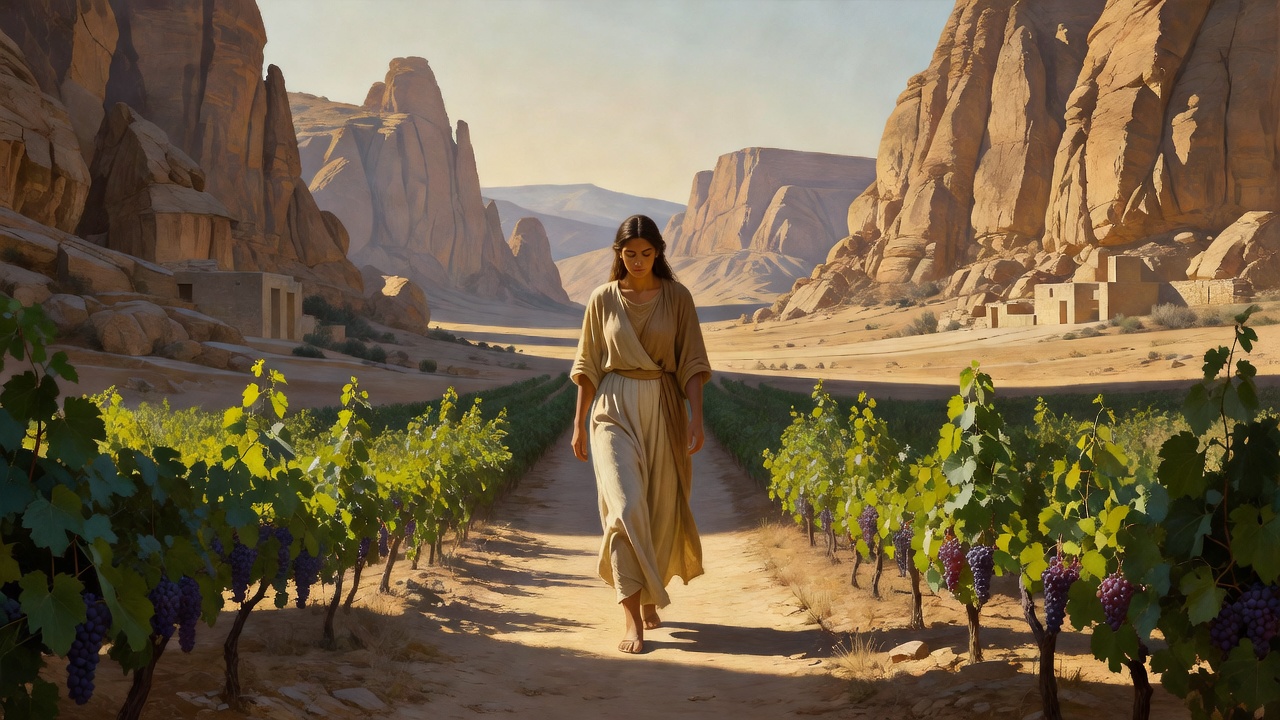
- The Valley of Achor, located near Jericho, derived its name from the trouble caused by the sin of Achan in the book of Joshua. Hosea uses this proverbial site of calamity to promise that a place of past disaster will be transformed into a gateway of hope.Sources: Valley of Achor · the Bible text itself
- Baal was the chief male deity of the Phoenicians, whose worship had become widespread among the northern tribes of Israel. Hosea challenges the belief that agricultural provisions such as grain, wine, oil, and wool came from Baal, declaring instead that they were gifts from the LORD.Sources: Baal · the Bible text itself
- The chapter announces a reversal of the symbolic names of judgment given to the children earlier in the book. Those named No Compassion are promised mercy, and those called Not My People are once again recognized as God's people in a restored covenant.Sources: the Bible text itself
Notes written with AI assistance from open sources (Theographic Bible Metadata, CC BY-SA 4.0; Easton’s Bible Dictionary, public domain) and reviewed before publishing.
Places in this chapter
- Egypt · 30.129, 31.308 · verse 15
Only places identified with high confidence are shown (90% or more according to the scholarly sources compiled by OpenBible). Period map: DARE (Digital Atlas of the Roman Empire), CC BY 4.0; modern map: © OpenStreetMap contributors; places: OpenBible.info (CC BY 4.0).
Credits and license for this translation
Biblica® Baịbụlụ Nsọ nʼIgbo Ndị Ugbu a nke dịrị onye ọbụla ịgụ The Holy Bible in the Igbo language of Nigeria: Biblica® Baịbụlụ Nsọ nʼIgbo Ndị Ugbu a nke dịrị onye ọbụla ịgụ copyright © 2020 Biblica, Inc. Language: Igbo Contributor: Biblica, Inc. This work is made available under the Creative Commons Attribution-ShareAlike 4.0 International License (CC BY-SA). To view a copy of this license, visit http://creativecommons.org/licenses/by-sa/4.0 or send a letter to Creative Commons, PO Box 1866, Mountain View, CA 94042, USA. Biblica® is a trademark registered by Biblica, Inc., and use of the Biblica® trademark requires the written permission of Biblica, Inc. Under the terms of the CC BY-SA license, you may copy and redistribute this unmodified work as long as you keep the Biblica® trademark intact. If you modify a copy or translate this work, thereby creating a derivative work, you must remove the Biblica® trademark. On the derivative work, you must indicate what changes you have made and attribute the work as follows: “The original work by Biblica, Inc. is available for free at www.biblica.com and open.bible.” Notice of copyright must appear on the title or copyright page of the work as follows: Biblica® Baịbụlụ Nsọ nʼIgbo Ndị Ugbu a nke dịrị onye ọbụla ịgụ Ndị Biblica, Inc. degharịrị ya nʼafọ © 1980, 1988, 2019, 2020 Biblica® Open Igbo Contemporary Bible™ Copyright © 1980, 1988, 2019, 2020 by Biblica, Inc. “Biblica” bụ akara e ji mara ụlọ ọrụ a, nke edebanyere dịka iwu si kwado nʼụlọ ọrụ dị nʼobodo United States, ebe a na-enye akara a na ikike maka azụm ahịa ndị Biblica, Inc. Ọ bụ ha ka e nyere ikike idenye ya. “Biblica” is a trademark registered in the United States Patent and Trademark Office by Biblica, Inc. Used with permission. You must also make your derivative work available under the same license (CC BY-SA). If you would like to notify Biblica, Inc. regarding your translation of this work, please contact us at https://open.bible/contact-us. This translation is made available to you under the terms of the Creative Commons Attribution Share-Alike license 4.0. You have permission to share and redistribute this Bible translation in any format and to make reasonable revisions and adaptations of this translation, provided that: You include the above copyright and source information. If you make any changes to the text, you must indicate that you did so in a way that makes it clear that the original licensor is not necessarily endorsing your changes. If you redistribute this text, you must distribute your contributions under the same license as the original. Pictures included with Scriptures and other documents on this site are licensed just for use with those Scriptures and documents. For other uses, please contact the respective copyright owners. Note that in addition to the rules above, revising and adapting God's Word involves a great responsibility to be true to God's Word. See Revelation 22:18-19. 2023-04-12
Source: http://ebible.org/ibo/ · eBible.org