Ezekiel 44
Biblica® Baịbụlụ Nsọ nʼIgbo Ndị Ugbu a nke dịrị onye ọbụla ịgụ · Tap a verse to see its cross-references.
Ụmụ eze, ndị Livayị, na ndị nchụaja
1Mgbe ahụ, o mere ka m laghachi nʼụzọ, nʼọnụ ụzọ ama nke ebe nsọ ahụ, nke dị nʼezi, nke na-eche ihu nʼọwụwa anyanwụ, ma a gbachiri ya agbachi. 2Ma Onyenwe anyị sịrị m, “Ọnụ ụzọ ama nke a ga-abụ ihe e mechiri emechi. A gaghị emeghe ya ọzọ, ọ dịghị onye ọbụla ga-esi na ya bata. Nʼihi na Onyenwe anyị, bụ Chineke Izrel esitela na ya bata. Ya mere, ọ bụ ihe emechiri emechi. 3Naanị nwa eze, naanị ya onwe ya, bụ onye ga-anọdụ ala nʼime ya, iri nri nʼihu Onyenwe anyị. Ọ ga-esite na mpụta ọnụ ụlọ nke ọnụ ụzọ bata, ọ bụkwa ebe ahụ ka ọ ga-esi pụọ.”
4Mgbe ahụ, o mere ka m bịaruo nʼọnụ ụzọ ama dị nʼugwu, nʼihu ụlọnsọ ukwu ahụ. Elere m anya hụ na ebube nke Onyenwe anyị jupụtara nʼụlọnsọ nke Onyenwe anyị. Nʼihi ya, adara m nʼala kpugide ihu m nʼaja.
5Onyenwe anyị sịrị m, “Nwa nke mmadụ, leruo anya nke ọma, gee ntị nke ọma nʼihe niile m na-agwa gị banyere iwu m niile na usoro niile nke ụlọnsọ ukwu nke Onyenwe anyị. Leruo anya nke ọma banyere ọnụ ụzọ ịbata nʼụlọnsọ ukwu a, na nke ọpụpụ niile nke ebe nsọ a. 6Ị ga-agwa ndị Izrel bụ ndị ụlọ nnupu isi, ‘Otu a ka Onye kachasị ihe niile elu, bụ Onyenwe anyị sịrị, o zuola bụ ibi ndụ arụ unu niile ahụ, unu ndị Izrel! 7Nʼihi na ọ bụghị naanị na ihe arụ unu mere dị ukwu, kama unu mekwara ihe arụ kachasị site nʼịkpọbata ndị ala ọzọ a na-ebighị anụ ahụ ha na obi ha ugwu nʼime ụlọnsọ, si otu a merụọ ụlọnsọ mgbe unu na-ewetara m nri nsọ, nke bụ abụba na ọbara. Nʼụzọ dị otu a, unu emebiela ọgbụgba ndụ m. 8Unu edebeghị iwu m nyere unu banyere ihe m ndị dị nsọ, kama unu goro ndị ọzọ ka ha bụrụ ndị na-elekọta ebe nsọ m. 9Ihe ndị a ka Onye kachasị ihe niile elu, bụ Onyenwe anyị kwuru, o nweghị onye ala ọzọ ọbụla a na-ebighị anụ ahụ ya na obi ya ugwu kwesiri ịbata nʼụlọnsọ m. Ọ bụladị ndị ọbịa ndị bi nʼetiti ụmụ Izrel.
10“ ‘Ndị ikom agbụrụ Livayị niile, ndị sitere nʼijere m ozi wezuga onwe ha mgbe Izrel bidoro ịgbaso arụsị niile ha, ga-ata ahụhụ nʼihi ekwesighị ntụkwasị obi ha. 11Ha ga-abụ ndị na-eje ozi nʼime ebe nsọ m, ndị nlekọta nke ọnụ ụzọ ama nke ụlọnsọ ukwuu, na-ejekwa ozi nʼime ya; ha ga-egburu ndị m anụ e wetara maka ịchụ aja nsure ọkụ na nke aja ndị ọzọ, ha ga-eguzokwa nʼihu ha jeere ha ozi. 12Ma nʼihi na ha guzoro nʼihu arụsị jeere ha ozi, mee ka ụlọ Izrel daba na mmehie ikpere arụsị, nʼihi nke a, eweliela m aka elu na-aṅụ iyi na ha aghaghị ịta ahụhụ mmehie ha. Otu a ka Onye kachasị ihe niile elu, bụ Onyenwe anyị kwubiri. 13Ha agaghị abịakwute m nso ije ozi dịka ndị nchụaja, maọbụ bịaruo nso ihe nsọ m niile ọbụla maọbụ onyinye m dị nsọ karịchasịa onyinye nsọ niile, ha aghaghị ibu ọnọdụ ihere nke ihe arụ niile ha mere. 14Ma aga m ahọpụta ha ka ha bụrụ ndị ilekọta ụlọnsọ m dị nʼaka, nʼihi ịrụ ọrụ niile na ije ozi niile dị nʼime ya.
15“ ‘Ma ndị nchụaja, bụ ụmụ Zadọk, ndị Livayị, ndị chegidere ebe nsọ m nche, mgbe Izrel niile sitere nʼebe m nọ kpafuo, ga-abịa nso ijere m ozi, ha ga-eguzo nʼihu m chụọ aja abụba na ọbara. Otu a ka Onye kachasị ihe niile elu, bụ Onyenwe anyị kwubiri. 16Ọ bụ naanị ha ga-abanye nʼime ebe nsọ m, naanị ha ga-abịakwa na tebul m ije ozi nʼihu m, na ife m dịka ndị nche.
17“ ‘Mgbe ha na-abata nʼọnụ ụzọ ama nke ogige dị nʼime, ha ga-eyi naanị akwa ọcha. Ha agaghị eyi uwe ọbụla e ji ajị anụ kpaa mgbe ha na-eje ozi nʼogige ime nke ụlọnsọ ukwu m. 18Ha ga-eji akwa ọcha kee nʼisi ha, yirikwa uwe ọcha nʼukwu ha. Ha agaghị eyi ihe ọbụla ga-eme ka ọsịsọọ gbaa ha. 19Mgbe ha na-apụ nʼogige dị nʼezi ebe ndị mmadụ nọ, ha ga-eyipụ uwe ha yi mgbe ha na-eje ozi, hapụkwa ha nʼime ọnụụlọ nsọ ndị a, yiri uwe ọzọ, ka ha ghara ime ka ndị mmadụ bụrụ ndị e doro nsọ site nʼimetụ uwe ha ahụ.
20“ ‘Ha agaghị ekwe ka agịrị isi ha too ogologo, ha agakwaghị akpụchapụ ya. Naanị mkpacha ka ha ga na-akpacha isi ha. 21Onye nchụaja ọbụla agaghị aṅụ mmanya vaịnị mgbe ọ na-abata nʼogige dị nʼime. 22Ha agaghị alụ nwanyị nke di ya nwụrụ anwụ, maọbụ nwanyị gbaara di ya alụkwaghị m. Kama ọ bụ naanị ụmụ agbọghọ ndị sitere nʼagbụrụ Izrel ndị na-amaghị nwoke, maọbụ nwunye ndị nchụaja nwụrụ anwụ. 23Ha ga-akụziri ndị m ihe dị iche nʼetiti ihe dị nsọ na ihe na-adịghị nsọ; gosi ha otu esi amata ihe dị iche nʼetiti ihe na-adịghị ọcha na nke dị ọcha.
24“ ‘Ha ga-abụ ndị ikpe, idozi esemokwu dapụtara nʼetiti ndị m. Usoro iwu m niile ka ha ga-eji kpee ikpe. Ndị nchụaja nʼonwe ha kwa ga-erube isi nʼiwu m niile nʼoge mmemme ọbụla dị nsọ. Ha ga-ahụkwa na e doro ụbọchị izuike nsọ.
25“ ‘Onye nchụaja agaghị emerụ onwe ya site nʼije nʼebe ozu dị, karịakwa maọbụ ozu nna ya maọbụ nne ya, ma o bụ nwa ya, maọbụ nwanne ya nwoke, maọbụ nwanne ya nwanyị na-enweghị di. 26Mgbe e mechara ka ọ dị ọcha ọzọ, ọ ga-echere ruo ụbọchị asaa. 27Ma nʼụbọchị ahụ, ọ ga-alọghachi nʼụlọ ukwu ahụ ịbanye nʼime ebe nsọ, ọ ga-ebu ụzọ chụọ aja mmehie nʼihi onwe ya. Otu a ka Onye kachasị ihe niile elu, bụ Onyenwe anyị kwubiri.
28“ ‘Ọ bụ naanị mụ onwe m bụ ihe nketa nke ndị nchụaja ga-enweta. Unu agaghị enye ha ihe nweta ọbụla nʼIzrel. Mụ onwe m bụ ihe nketa ha. 29Ha ga-eri onyinye ịnata ihuọma, ihe aja mmehie, ihe aja ikpe ọmụma, ihe niile dị nʼIzrel e doro nsọ nye Onyenwe anyị ga-abụ nke ha. 30Mkpụrụ mbụ kachasị mma site na mkpụrụ ubi ọbụla na onyinye niile pụrụ iche ga-abụ nke ndị nchụaja. Ọka mbụ a kwọrọ akwọ, nke a na-eweta nʼihe ubi ga-abụkwa nke ndị nchụaja, ime ka ngọzị dịkwasị nʼụlọ unu. 31Ndị nchụaja agaghị ata nnụnụ ọbụla, maọbụ anụ nke nwụrụ ọnwụ chi ya, maọbụ nke anụ ọzọ dọgburu.
Did you know?
Sanctuary Ordinances and the Priesthood
- The prophet distinguishes between the general Levites and the priests descended from Zadok. Because Zadok's line remained faithful when Israel strayed, they alone were granted the privilege of entering the inner sanctuary and ministering at the altar.Sources: Zadok · the Bible text itself
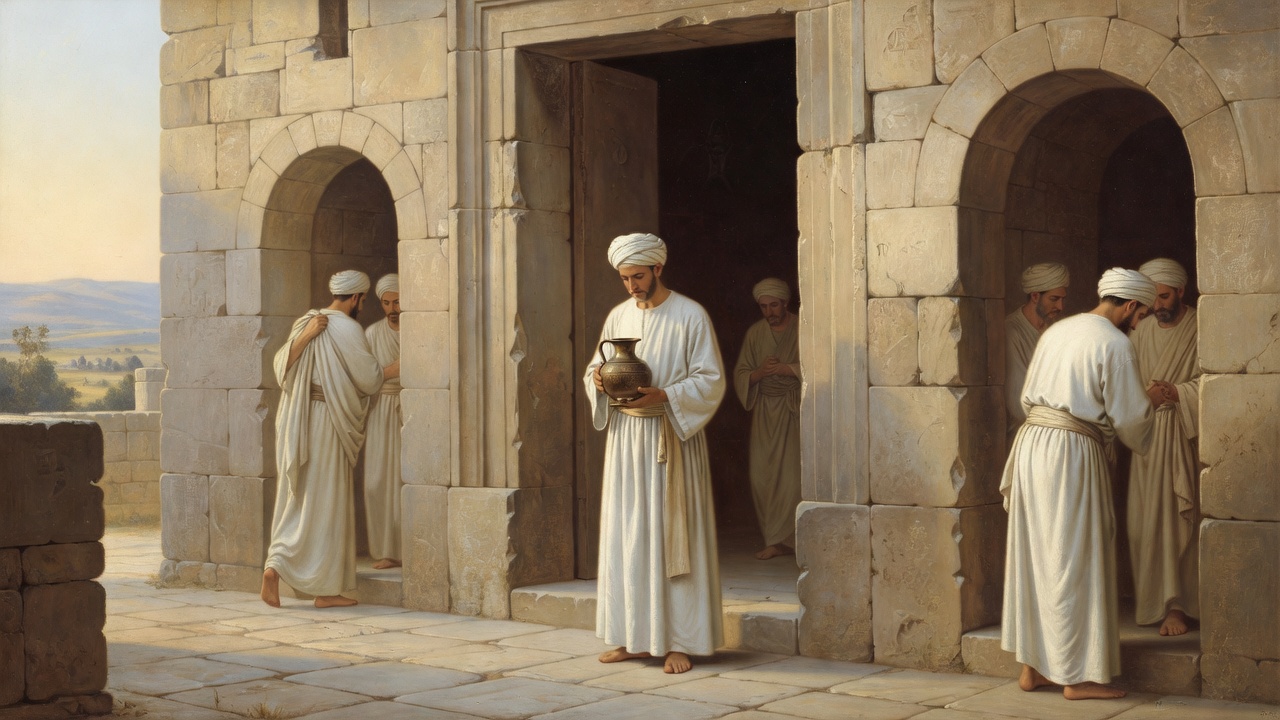
- Priests entering the inner court were required to wear pure linen garments and turbans rather than wool to avoid perspiring. Before returning to the outer court among the people, they had to change into everyday clothing in the holy chambers so that their consecrated garments would not transmit holiness to the people.Sources: the Bible text itself
- The outer east gate of the temple was permanently closed because the glory of the God of Israel had entered through it. Only the prince was permitted to sit within its portico to partake of communal meals before the Lord.Sources: the Bible text itself
Notes written with AI assistance from open sources (Theographic Bible Metadata, CC BY-SA 4.0; Easton’s Bible Dictionary, public domain) and reviewed before publishing.
Places in this chapter
- Most Holy Place · Today: on Mount Moriah · 31.778, 35.236 · verse 13
- Holy Place · Today: on Mount Moriah · 31.778, 35.236 · verse 27
Only places identified with high confidence are shown (90% or more according to the scholarly sources compiled by OpenBible). Period map: DARE (Digital Atlas of the Roman Empire), CC BY 4.0; modern map: © OpenStreetMap contributors; places: OpenBible.info (CC BY 4.0).
Credits and license for this translation
Biblica® Baịbụlụ Nsọ nʼIgbo Ndị Ugbu a nke dịrị onye ọbụla ịgụ The Holy Bible in the Igbo language of Nigeria: Biblica® Baịbụlụ Nsọ nʼIgbo Ndị Ugbu a nke dịrị onye ọbụla ịgụ copyright © 2020 Biblica, Inc. Language: Igbo Contributor: Biblica, Inc. This work is made available under the Creative Commons Attribution-ShareAlike 4.0 International License (CC BY-SA). To view a copy of this license, visit http://creativecommons.org/licenses/by-sa/4.0 or send a letter to Creative Commons, PO Box 1866, Mountain View, CA 94042, USA. Biblica® is a trademark registered by Biblica, Inc., and use of the Biblica® trademark requires the written permission of Biblica, Inc. Under the terms of the CC BY-SA license, you may copy and redistribute this unmodified work as long as you keep the Biblica® trademark intact. If you modify a copy or translate this work, thereby creating a derivative work, you must remove the Biblica® trademark. On the derivative work, you must indicate what changes you have made and attribute the work as follows: “The original work by Biblica, Inc. is available for free at www.biblica.com and open.bible.” Notice of copyright must appear on the title or copyright page of the work as follows: Biblica® Baịbụlụ Nsọ nʼIgbo Ndị Ugbu a nke dịrị onye ọbụla ịgụ Ndị Biblica, Inc. degharịrị ya nʼafọ © 1980, 1988, 2019, 2020 Biblica® Open Igbo Contemporary Bible™ Copyright © 1980, 1988, 2019, 2020 by Biblica, Inc. “Biblica” bụ akara e ji mara ụlọ ọrụ a, nke edebanyere dịka iwu si kwado nʼụlọ ọrụ dị nʼobodo United States, ebe a na-enye akara a na ikike maka azụm ahịa ndị Biblica, Inc. Ọ bụ ha ka e nyere ikike idenye ya. “Biblica” is a trademark registered in the United States Patent and Trademark Office by Biblica, Inc. Used with permission. You must also make your derivative work available under the same license (CC BY-SA). If you would like to notify Biblica, Inc. regarding your translation of this work, please contact us at https://open.bible/contact-us. This translation is made available to you under the terms of the Creative Commons Attribution Share-Alike license 4.0. You have permission to share and redistribute this Bible translation in any format and to make reasonable revisions and adaptations of this translation, provided that: You include the above copyright and source information. If you make any changes to the text, you must indicate that you did so in a way that makes it clear that the original licensor is not necessarily endorsing your changes. If you redistribute this text, you must distribute your contributions under the same license as the original. Pictures included with Scriptures and other documents on this site are licensed just for use with those Scriptures and documents. For other uses, please contact the respective copyright owners. Note that in addition to the rules above, revising and adapting God's Word involves a great responsibility to be true to God's Word. See Revelation 22:18-19. 2023-04-12
Source: http://ebible.org/ibo/ · eBible.org