Ecclesiastes 6
Biblica® Baịbụlụ Nsọ nʼIgbo Ndị Ugbu a nke dịrị onye ọbụla ịgụ · Tap a verse to see its cross-references.
1Ọ dị ihe ọjọọ ọzọ nke m hụrụ nʼokpuru anyanwụ, nke na-anyịdo ụmụ mmadụ. 2Chineke na-enye mmadụ akụnụba, na ihe nnweta, na nsọpụrụ, na-emekwa ka ha nwee ihe niile ha chọrọ, ma ọ dịghị enye ha ike ịnụ ụtọ ha; ma onye ọzọ na-anụ ụtọ ha. Nke a bụ ihe efu, bụrụkwa ihe jọgburu onwe ya.
3Mmadụ nwere ike mụta narị ụmụ, o nwekwara ike nwee ndụ ogologo ruo agadi, ma ọ bụrụ na o nweghị ike ịnụ ụtọ akụnụba ya, ọ bụrụkwa na o nwetaghị ụdị olili ruru ya, ana m asị, na nwa nwụrụ nʼafọ dị mma karịa ya. 4Ọbịbịa ya e nweghị isi, nʼọchịchịrị ka ọ na-ala, ọ bụkwa ọchịchịrị ka e kpuchiri aha ya. 5Ọ bụ ezie na ọ gaghị ahụ ihe anwụ anya, ọ makwaghị ihe ọbụla, o nwere izuike karịa nwoke ahụ. 6A sịkwarị na o biri ndụ puku afọ, okpukpu abụọ, ma ọ nụghị ụtọ akụnụba ya. Ọ bụghị nʼotu ebe ka ha niile na-ala?
7Ndọgbu niile mmadụ na-adọgbu onwe ya nʼọrụ bụ ka o rijuo afọ,
ma o nweghị onye na-enweta ihe na-ezuru ya.
8Olee ụzọ onye maara ihe si dị mma karịa onye nzuzu?
Gịnị bụ uru dịịrị onye ogbenye
na ọ maara otu e si akpa ezi agwa nʼihu ndị dị ndụ?
9Ihe eji anya hụ
ka mma karịa oke ọchịchọ!
Nke a bụkwa ihe efu
na ịchụso ifufe.
10Ihe ọbụla dị ugbu a, ka akpọrọ aha na mgbe gara aga.
Amakwaara ihe mmadụ bụ,
mmadụ ọbụla apụghị ịlụso
onye ka ya ike ọgụ.
11Okwu na-aba ụba,
nghọta na-adị nta.
O nwere uru nke a bara?
12Onye mara ihe dịrị mmadụ mma na ndụ, nʼụbọchị ole na ole nke na-abaghị uru o nwere ịgabiga ndụ a dịka onyinyo? Onye pụrụ ịgwa ya ihe ga-eme nʼokpuru anyanwụ, mgbe ọ nwụsịrị?
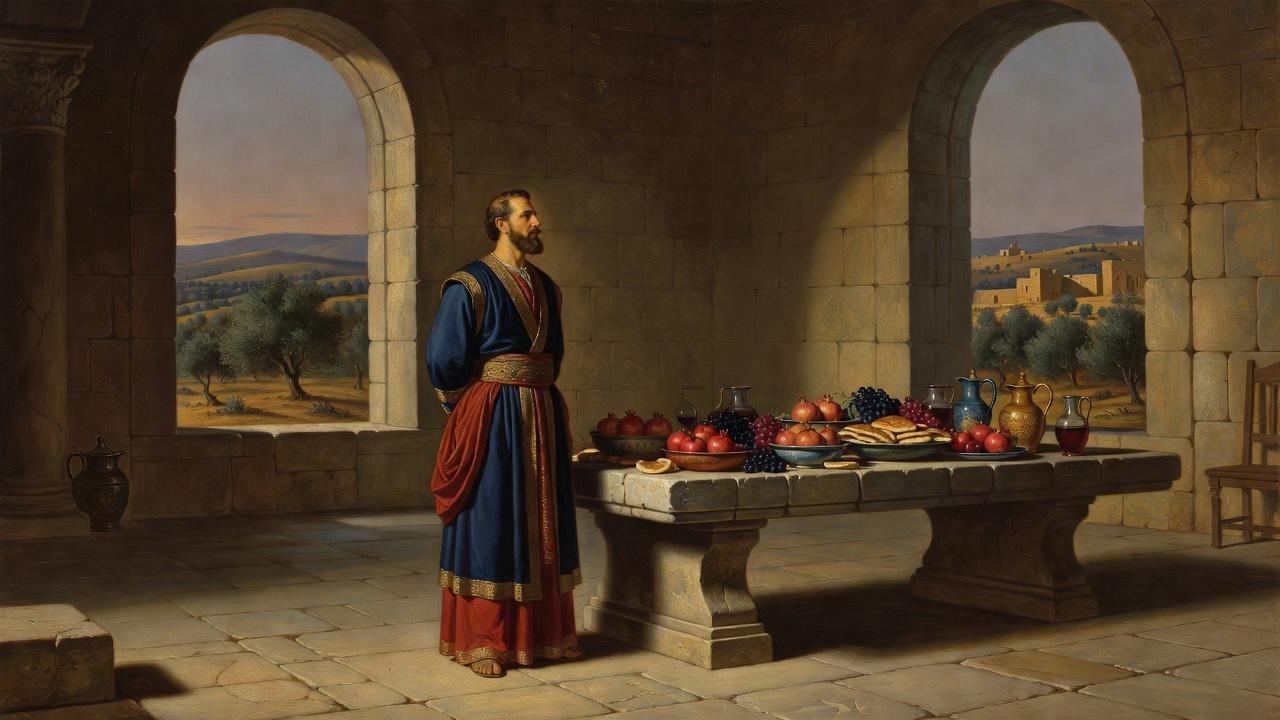
Did you know?
The Vanity of Unsatisfied Wealth
- In ancient thought, having a long life and fathering many children were considered the highest signs of blessing. Ecclesiastes observes, however, that even living two thousand years and fathering a hundred children is hollow if a person cannot enjoy their prosperity or receive a proper burial.Sources: the Bible text itself
- The author points out that although human labor is spent satisfying basic physical needs such as food, human appetite and desire remain continually unfulfilled. He contrasts enjoying what is directly present before the eyes with the ceaseless wandering of unsatisfied cravings.Sources: the Bible text itself
- The chapter emphasizes human limitations, noting that mortals cannot dispute with what has been established by one stronger than they are. Because life is fleeting like a shadow, humans cannot fully know what is truly good for them or foresee what will happen after they are gone.Sources: the Bible text itself
Notes written with AI assistance from open sources (Theographic Bible Metadata, CC BY-SA 4.0; Easton’s Bible Dictionary, public domain) and reviewed before publishing.
Credits and license for this translation
Biblica® Baịbụlụ Nsọ nʼIgbo Ndị Ugbu a nke dịrị onye ọbụla ịgụ The Holy Bible in the Igbo language of Nigeria: Biblica® Baịbụlụ Nsọ nʼIgbo Ndị Ugbu a nke dịrị onye ọbụla ịgụ copyright © 2020 Biblica, Inc. Language: Igbo Contributor: Biblica, Inc. This work is made available under the Creative Commons Attribution-ShareAlike 4.0 International License (CC BY-SA). To view a copy of this license, visit http://creativecommons.org/licenses/by-sa/4.0 or send a letter to Creative Commons, PO Box 1866, Mountain View, CA 94042, USA. Biblica® is a trademark registered by Biblica, Inc., and use of the Biblica® trademark requires the written permission of Biblica, Inc. Under the terms of the CC BY-SA license, you may copy and redistribute this unmodified work as long as you keep the Biblica® trademark intact. If you modify a copy or translate this work, thereby creating a derivative work, you must remove the Biblica® trademark. On the derivative work, you must indicate what changes you have made and attribute the work as follows: “The original work by Biblica, Inc. is available for free at www.biblica.com and open.bible.” Notice of copyright must appear on the title or copyright page of the work as follows: Biblica® Baịbụlụ Nsọ nʼIgbo Ndị Ugbu a nke dịrị onye ọbụla ịgụ Ndị Biblica, Inc. degharịrị ya nʼafọ © 1980, 1988, 2019, 2020 Biblica® Open Igbo Contemporary Bible™ Copyright © 1980, 1988, 2019, 2020 by Biblica, Inc. “Biblica” bụ akara e ji mara ụlọ ọrụ a, nke edebanyere dịka iwu si kwado nʼụlọ ọrụ dị nʼobodo United States, ebe a na-enye akara a na ikike maka azụm ahịa ndị Biblica, Inc. Ọ bụ ha ka e nyere ikike idenye ya. “Biblica” is a trademark registered in the United States Patent and Trademark Office by Biblica, Inc. Used with permission. You must also make your derivative work available under the same license (CC BY-SA). If you would like to notify Biblica, Inc. regarding your translation of this work, please contact us at https://open.bible/contact-us. This translation is made available to you under the terms of the Creative Commons Attribution Share-Alike license 4.0. You have permission to share and redistribute this Bible translation in any format and to make reasonable revisions and adaptations of this translation, provided that: You include the above copyright and source information. If you make any changes to the text, you must indicate that you did so in a way that makes it clear that the original licensor is not necessarily endorsing your changes. If you redistribute this text, you must distribute your contributions under the same license as the original. Pictures included with Scriptures and other documents on this site are licensed just for use with those Scriptures and documents. For other uses, please contact the respective copyright owners. Note that in addition to the rules above, revising and adapting God's Word involves a great responsibility to be true to God's Word. See Revelation 22:18-19. 2023-04-12
Source: http://ebible.org/ibo/ · eBible.org