Deuteronomy 4
Biblica® Baịbụlụ Nsọ nʼIgbo Ndị Ugbu a nke dịrị onye ọbụla ịgụ · Tap a verse to see its cross-references.
Nrube isi dị mkpa
1Ugbu a, O Izrel, gee ntị nʼụkpụrụ na iwu niile m na-aga ikuziri unu ka unu na-eme ma ọ bụrụ na unu chọrọ ịdị ndụ banye, ma nwetakwa ala ahụ Onyenwe anyị Chineke nna nna unu ha na-enye unu. 2Unu atụkwasịla iwu ọzọ nʼelu iwu ndị a, ma ọ bụkwanụ site na ha wepụ iwu ọbụla. Kama, meenụ ihe iwu ndị a na-ekwu, nʼihi na ha si nʼaka Onyenwe anyị Chineke unu.
3Unu ji anya unu hụ ihe Onyenwe anyị mere na Baal-Peoa. Onyenwe anyị Chineke unu sitere nʼetiti unu bibie ndị niile gbasoro Baal nke Peoa. 4Ma unu niile nọgidesịrị ike soro Onyenwe anyị Chineke unu bụ ndị dị ndụ taa.
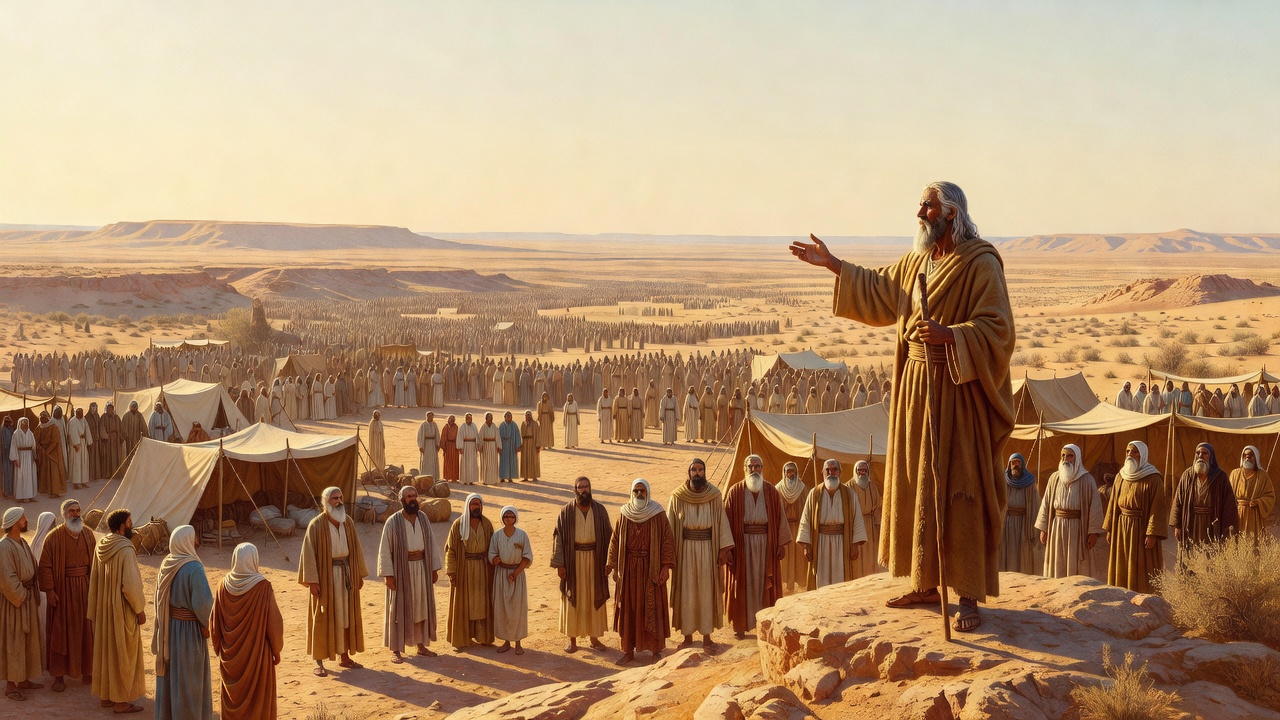
5Lee, ezila m unu ụkpụrụ na iwu niile Onyenwe anyị Chineke m sị m zi unu, iwu unu na-aghaghị idebe nʼala ahụ unu na-aga inweta. 6Lezienụ anya hụ na unu debere ha, nʼihi na nke a ga-egosi mba gbara unu gburugburu na unu bụ ndị nwere nghọta na amamihe. Nʼihi na mgbe ha nụrụ banyere ụkpụrụ ndị a, ha ga-ekwu okwu sị, “Nʼezie, ndị jupụtara na mba ukwu a bụ ndị nwere nghọta na amamihe.” 7Olee mba ọzọ dị ukwuu, nke e mere ka chi ha nọọ ha nso dịka Onyenwe anyị Chineke anyị si na-anọ anyị nso mgbe ọbụla anyị kpọkuru ya nʼekpere? 8Olee mba ukwu ọzọ dịkwa nke nwere ụkpụrụ na iwu ziri ezi dịka iwu ndị a m na-enye unu taa?
9Naanị kpachapụnụ anya unu, ma cheenụ onwe unu nche mgbe niile, ka unu ghara ichefu ihe ndị a niile unu ji anya unu hụ, ka ha gharakwa isi nʼobi unu pụọ ụbọchị niile nke ndụ unu. Kama kuziere ha ụmụ unu, na ụmụ ụmụ ndị ga-esote ha. 10Cheta ụbọchị ahụ unu bịara guzo nʼihu Onyenwe anyị Chineke unu nʼugwu Horeb, nʼụbọchị ahụ ọ gwara m okwu sị m, “Kpọkọtaa ụmụ Izrel ka ha bịa nʼihu m, nụrụ okwu m, ka ha nwee ike mụta ịtụ m egwu ụbọchị niile nke ha ga-ebi nʼala ahụ, ka ha nweekwa ike ikuziri ụmụ ha.” 11Ọ bụ nʼala ugwu ahụ ka unu bịara nso, guzo, mgbe ọkụ si nʼugwu ahụ na-ere, na-alali elu iru eluigwe, ya na igwe ojii nakwa oke ọchịchịrị. 12Mgbe ahụ Onyenwe anyị sitere nʼọkụ ahụ gwa unu okwu. Unu nụrụ ụda olu ya, ma unu ahụghị oyiyi ọbụla anya, naanị ụda olu. 13O nyere unu ọgbụgba ndụ ya, nke unu na-aghaghị idebe. Ha dị iwu iri. O dere ha na mbadamba nkume abụọ. 14E, ọ bụ nʼoge ahụ ka Onyenwe anyị nyere m iwu sị m nye unu ụkpụrụ na iwu unu ga-agbaso mgbe unu banyere nʼala ahụ dị nʼofe Jọdan, nke unu na-aga inweta.
Ịdọ aka na ntị banyere ikpere arụsị
15Unu maara na unu ahụghị ụdịdị Onyenwe anyị anya nʼụbọchị ahụ o sitere nʼọkụ gwa unu okwu nʼugwu Horeb. Ya mere kpachapụrụnụ onwe unu anya 16ka unu ghara imerụ onwe unu site nʼịkpụ oyiyi ọbụla dịka arụsị, ụdị oyiyi ihe ọbụla, maọbụ nʼụdị nwoke maọbụ nʼụdị nwanyị, 17maọbụ nʼụdị anụmanụ, maọbụ nʼụdị nnụnụ na-efe efe, 18maọbụ nʼụdị anụ na-akpụ akpụ, ma ọ bụkwanụ nʼụdị azụ bi na mmiri. 19Mgbe unu lere anya na mbara eluigwe hụ anyanwụ, ọnwa, na kpakpando, dịka ha si basaa na mbara eluigwe, unu ekwela ka unu bụrụ ndị a na-arafu ịkpọ isiala nye ha na ife ha ofufe bụ ihe ndị a Onyenwe anyị Chineke unu kere nye mba niile bi nʼokpuru eluigwe. 20Ma banyere unu, Onyenwe anyị kpọọrọ unu, kpọpụta unu site nʼime ọkụ na-agbaze igwe, site nʼIjipt pụta, ka unu bụrụ ihe nketa ya, dịka unu dị ugbu a.
21Onyenwe anyị wesoro m iwe nʼihi unu, ọ ṅụrụ iyi na m agaghị agafe osimiri Jọdan ịbanye nʼala ọma ahụ nke Onyenwe anyị Chineke gị na-enye gị dịka ihe nketa gị. 22Aghaghị m ịnwụ nʼala a. Agaghị m agafe Jọdan. Ma unu ga-agafe gaa nweta ala ọma ahụ. 23Lezienụ anya ka unu ghara ichefu ọgbụgba ndụ unu na Onyenwe anyị Chineke unu nwekọrọ, unu emerela onwe unu arụsị yiri ụdịdị ihe ọbụla, ndị ahụ iwu Onyenwe anyị Chineke unu nyere megidere. 24Nʼihi na Onyenwe anyị Chineke unu bụ ọkụ na-erepịa erepịa. Ọ bụ Chineke ekworo.
25Mgbe ị ga-amụ ụmụ, nwekwa ụmụ ụmụ, mgbe unu birila ọtụtụ oge nʼala ahụ, ọ bụrụ na unu emerụọ onwe unu site nʼimere onwe unu ụdị arụsị ọbụla, si otu a mee ihe dị njọ nʼanya Onyenwe anyị Chineke unu, ma kpasuo ya iwe 26ana m akpọku eluigwe na ụwa ka ha bụrụ ndị akaebe mụ na unu taa, na a ga-ala unu nʼiyi ngwangwa nʼala ahụ bụ nke unu na-agafe Jọdan inweta. Unu agaghị ebi ogologo oge nʼebe ahụ, nʼihi na a ga-ekpochapụ unu. 27Onyenwe anyị ga-eme ka unu gbasasịa nʼetiti mba ndị ọzọ. Ọ bụkwa naanị mmadụ ole na ole ga-afọdụ ndụ nʼetiti mba ndị ahụ Onyenwe anyị ga-achụga unu. 28Nʼebe ahụ, unu ga-efe chi ndị bụ ọrụ aka mmadụ nke e ji osisi tụọ na nke e ji nkume pịa, nke na-adịghị ahụ ụzọ, nke na-adịghị anụ ihe, nke na-apụghị iri nri ma ọ bụkwanụ ịnụ isisi. 29Ma ọ bụrụ na unu anọrọ nʼebe ahụ chọọ Onyenwe anyị Chineke unu, unu ga-achọtakwa ya, mgbe unu ji obi unu niile na mkpụrụobi unu niile chọọ ya. 30Mgbe mkpagbu bịara, mgbe ihe ilu ndị a bịakwasịrị unu nʼoge dị nʼihu, unu ga-emesịa lọghachikwute Onyenwe anyị Chineke unu, unu ga-egekwa ntị nʼihe ọ ga-agwa unu. 31Nʼihi na Onyenwe anyị Chineke unu bụ Chineke na-eme ebere. Ọ gaghị agọnarị unu maọbụ laa unu nʼiyi, maọbụ chefuo ọgbụgba ndụ ya na nna nna unu ha gbara, nke o ji iyi ọ ṅụrụ mesie ike.
Onyenwe anyị bụ Chineke
32Nyochaanụ ihe mere nʼoge gara aga, tupu a mụọ unu, na tupu Chineke ekee mmadụ nʼụwa. Jụọnụ ajụjụ nʼụwa niile, jụta ma ihe ukwu dị otu a o metụla mgbe ọbụla. 33O nweela ndị mmadụ nụrụ olu Chineke mgbe o si nʼọkụ gwa ha okwu dịka unu mere, ma ha anwụghị? 34O nweela chi ọzọ nwara ka o site na mba ọzọ nwetara onwe ya otu mba, site nʼihe nwalee, site nʼihe ịrịbama na ihe ebube dị iche iche, site nʼagha, nʼaka dị ike, na ogwe aka esetipụrụ esetipụ, maọbụ nʼihe dị oke egwu dị iche iche, dịka ihe niile nke Onyenwe anyị Chineke unu mere nʼala Ijipt nʼihu anya unu abụọ?
35O gosiri unu ihe ndị a ka unu mara na Onyenwe anyị bụ Chineke nʼezie, na ọ dịkwaghị onye ọzọ ma ọ bụghị ya. 36O sitere nʼeluigwe mee ka unu nụ olu ya maka ịdọ unu aka na ntị. Nʼụwa, o mere ka unu hụ oke ogidi ọkụ ahụ o wuru, unu nụkwara olu ya nʼetiti ọkụ ahụ. 37Nʼihi ịhụnanya o nwere nʼebe nna nna unu nọ na nʼihi nhọpụta ọ họpụtara ụmụ ụmụ ha, ka o ji si nʼIjipt dupụta unu nʼihu ya. Ọ bụkwa ike aka ya ka o ji mezuo nke a. 38Ka o site nʼihu unu chụpụ mba dị ukwuu na ndị dị ike, ma kpọbata unu nʼala ha, inye unu ala ahụ dịka ihe nketa unu, dị ka o si dị taa.
39Matanụ nke ọma, ma nabata okwu a nʼobi unu na Onyenwe anyị bụ Chineke nʼeluigwe na nʼụwa. O nwekwaghị chi ọzọ dị ma ọ bụghị ya. 40Debenụ ụkpụrụ ya na iwu ndị a niile m na-enye unu taa, ka ihe niile gaara unu na ụmụ unu nke ọma, ka unu biekwa nʼala ahụ Onyenwe anyị Chineke na-enye unu ruo mgbe niile.
Obodo mgbaba
41Mgbe ahụ, Mosis họpụtara obodo atọ nʼofe ọwụwa anyanwụ nke osimiri Jọdan, 42ebe onye ọbụla gburu mmadụ ga-agbaba ọsọ ndụ, ma ọ bụrụ na ha gburu onye agbataobi ha na-amaghị ama, na-akpọghị ya asị na mgbe gara aga. Ọ ga-agbaba nʼotu ime obodo ndị a ichebe ndụ ya. 43Obodo ndị ahụ bụ, Beza, nke dị nʼugwu elu ya dị larịị nʼime ọzara. A họpụtara ya maka ebo Ruben. Ramọt, nke dị na Gilead, maka ebo Gad, na Golan, nke dị na Bashan, maka ebo Manase.
Okwu mmalite tupu enye iwu
44Nke a bụ iwu Mosis chere nʼihu ụmụ Izrel. 45Ndị a bụ ihe ama, na ụkpụrụ, na iwu Mosis nyere ụmụ Izrel nke ha aghaghị idebe mgbe ha si nʼIjipt pụta 46na ndagwurugwu Bet-Peoa nke dị nʼọwụwa anyanwụ Jọdan, nʼala Saịhọn, eze ndị Amọrait, onye na-achị na Heshbọn, bụ onye Mosis na ndị Izrel meriri nʼagha mgbe ha si nʼIjipt pụta. 47Ndị Izrel nwetaara onwe ha ala ya na ala Ọg, eze Bashan. Eze abụọ ndị a bụ eze ndị Amọrait ndị ala ha dị nʼọwụwa anyanwụ nke osimiri Jọdan. 48Ala a sitere nʼAroea, nʼọnụ mmiri Anọn ruo nʼugwu Siriọn (ya bụ ugwu Hemon), 49ruo nʼala Araba niile, nke dị nʼọwụwa anyanwụ osimiri Jọdan, ruokwa nʼOsimiri Nnu, nʼala ala ugwu Pisga.
Did you know?
A Call to Obedience and the Cities of Refuge
- Moses reminded Israel that at Mount Horeb they heard God's voice from the fire but saw no visible form. This absence of a physical appearance served as the primary foundation for the strict prohibition against making any carved image or idol of God.Sources: the Bible text itself · Horeb
- The text cites the incident at Baal-peor, where Israelites who followed the Moabite deity were destroyed. Moses pointed out that those who remained faithful survived, using this recent event as a clear warning against idolatry.Sources: the Bible text itself · Baal · Baal-peor
- After defeating the Amorite kings Sihon and Og, Moses designated three cities of refuge east of the Jordan: Bezer, Ramoth, and Golan. These locations provided asylum for individuals who caused an unintentional, non-malicious death.Sources: the Bible text itself · Sihon · Og · Golan
Notes written with AI assistance from open sources (Theographic Bible Metadata, CC BY-SA 4.0; Easton’s Bible Dictionary, public domain) and reviewed before publishing.
Places in this chapter
- Peor · Today: within 1 km of Khirbet Ayun Musa · 31.777, 35.738 · verse 3
- Mount Horeb · Today: Jebel Musa · 28.540, 33.973 · verses 10, 15
- Jordan · Today: Jordan River · 31.761, 35.558 · verses 14, 21, 22, 26, 41, 46, 47, 49
- Egypt · 30.129, 31.308 · verses 20, 34, 37, 45, 46
- Bashan · 32.781, 35.935 · verses 43, 47
- Gilead · Today: Gilead 1 · 32.187, 35.692 · verse 43
- Ramoth · Today: Tall er Rumeith · 32.500, 36.015 · verse 43
- Mount Hermon · 33.400, 35.850 · verse 48
- Valley of the Arnon · Today: Wadi Mujib · 31.466, 35.573 · verse 48
- Arabah · 30.417, 35.151 · verse 49
- Salt Sea · Today: Dead Sea · 31.500, 35.500 · verse 49
Only places identified with high confidence are shown (90% or more according to the scholarly sources compiled by OpenBible). Period map: DARE (Digital Atlas of the Roman Empire), CC BY 4.0; modern map: © OpenStreetMap contributors; places: OpenBible.info (CC BY 4.0).
Credits and license for this translation
Biblica® Baịbụlụ Nsọ nʼIgbo Ndị Ugbu a nke dịrị onye ọbụla ịgụ The Holy Bible in the Igbo language of Nigeria: Biblica® Baịbụlụ Nsọ nʼIgbo Ndị Ugbu a nke dịrị onye ọbụla ịgụ copyright © 2020 Biblica, Inc. Language: Igbo Contributor: Biblica, Inc. This work is made available under the Creative Commons Attribution-ShareAlike 4.0 International License (CC BY-SA). To view a copy of this license, visit http://creativecommons.org/licenses/by-sa/4.0 or send a letter to Creative Commons, PO Box 1866, Mountain View, CA 94042, USA. Biblica® is a trademark registered by Biblica, Inc., and use of the Biblica® trademark requires the written permission of Biblica, Inc. Under the terms of the CC BY-SA license, you may copy and redistribute this unmodified work as long as you keep the Biblica® trademark intact. If you modify a copy or translate this work, thereby creating a derivative work, you must remove the Biblica® trademark. On the derivative work, you must indicate what changes you have made and attribute the work as follows: “The original work by Biblica, Inc. is available for free at www.biblica.com and open.bible.” Notice of copyright must appear on the title or copyright page of the work as follows: Biblica® Baịbụlụ Nsọ nʼIgbo Ndị Ugbu a nke dịrị onye ọbụla ịgụ Ndị Biblica, Inc. degharịrị ya nʼafọ © 1980, 1988, 2019, 2020 Biblica® Open Igbo Contemporary Bible™ Copyright © 1980, 1988, 2019, 2020 by Biblica, Inc. “Biblica” bụ akara e ji mara ụlọ ọrụ a, nke edebanyere dịka iwu si kwado nʼụlọ ọrụ dị nʼobodo United States, ebe a na-enye akara a na ikike maka azụm ahịa ndị Biblica, Inc. Ọ bụ ha ka e nyere ikike idenye ya. “Biblica” is a trademark registered in the United States Patent and Trademark Office by Biblica, Inc. Used with permission. You must also make your derivative work available under the same license (CC BY-SA). If you would like to notify Biblica, Inc. regarding your translation of this work, please contact us at https://open.bible/contact-us. This translation is made available to you under the terms of the Creative Commons Attribution Share-Alike license 4.0. You have permission to share and redistribute this Bible translation in any format and to make reasonable revisions and adaptations of this translation, provided that: You include the above copyright and source information. If you make any changes to the text, you must indicate that you did so in a way that makes it clear that the original licensor is not necessarily endorsing your changes. If you redistribute this text, you must distribute your contributions under the same license as the original. Pictures included with Scriptures and other documents on this site are licensed just for use with those Scriptures and documents. For other uses, please contact the respective copyright owners. Note that in addition to the rules above, revising and adapting God's Word involves a great responsibility to be true to God's Word. See Revelation 22:18-19. 2023-04-12
Source: http://ebible.org/ibo/ · eBible.org