Deuteronomy 24
Biblica® Baịbụlụ Nsọ nʼIgbo Ndị Ugbu a nke dịrị onye ọbụla ịgụ · Tap a verse to see its cross-references.
1Ọ bụrụ na nwoke akpọrọ nwanyị, lụọ ya, ma emesịa ihe nwanyị ahụ amasịkwaghị ya nʼihi na ọ dị ihe ọ chọpụtara nʼahụ ya nke na-adịghị mma, ọ ga-ede akwụkwọ alụkwaghị m nye nwanyị ahụ nʼaka, zilaa ya. 2Ọ bụrụ na emesịa, nwoke ọzọ alụọ ya, 3ma nwoke ahụ ekpebiekwa ịgbara ya akwụkwọ achọkwaghị m, maọbụ na nwoke a mesịrị nwụọ, 4nwoke mbụ ahụ lụrụ nwanyị ahụ agaghị alụ ya ọzọ, nʼihi na nwanyị a abụrụla onye rụrụ arụ nye nwoke ahụ. Ọ bụkwa arụ nʼanya Onyenwe anyị ma di ya nke mbụ lụọ ya ọzọ. Ihe dị otu a ga-eweta ihe ọjọọ nʼala ahụ Onyenwe anyị Chineke na-enye gị dịka ihe nketa.
5Nwoke ọbụla lụrụ nwunye ọhụrụ agaghị apụ soro ndị agha, maọbụ soro rụọ ọrụ ọzọ pụrụ iche, otu afọ ka ọ ga-enwere onwe ya ịnọ nʼụlọ ya, ya na nwunye ya, ime onwe ha obi ụtọ.
6Mmadụ agaghị ewere nkume ịkwọ nri dịka ihe ebe, nʼihi na ọ bụ ihe onye nwe ya ji achọta nri ụbọchị ya.
7Ọ bụrụ na onye ọbụla ezuru nwanna ya onye Izrel nʼohi, mesoo ya mmeso dịka ohu, maọbụ ree ya, onye ohi ahụ ga-anwụ. Nke a bụ ikpochapụ ihe ọjọọ nʼetiti gị.
8Gbalịsie ike ịhụ na ị na-eso iwu niile onye nchụaja, bụ onye Livayị nyere gị banyere ndị nwere ọrịa ekpenta, nʼihi na agwala m ya usoro ha ga-agbaso. 9Chetakwa ihe Onyenwe anyị Chineke gị mere Miriam, mgbe i si nʼIjipt na-apụta.
10Ọ bụrụ na i binye mmadụ ihe ọbụla, abanyekwala nʼụlọ ya ịnata ihe a na-enye gị dị ka ihe ebe. 11Guzo nʼezi! Ka onye ahụ ị na-ebinye ihe wetara gị ihe ibe ahụ nʼezi. 12Ọ bụrụ na ọ bụ onye ogbenye na-enweghị ihe, e jidela ihe ibe ya naba ụra abalị. 13Weghachiri ya akwa ahụ nʼanyasị, ka onye agbataobi gị jiri ya hie ụra abalị. Mgbe ahụ ha ga-ekele gị, Onyenwe anyị Chineke gị ga-agụkwara gị ya nʼezi omume.
14Emegbula nwa ogbenye mkpa na-akpa i goro ọrụ, ma onye ahụ ọ bụ nwa Izrel ma ọ bụkwanụ onye ọbịa bi nʼobodo gị. 15Kwụọ ya ụgwọ ya ụbọchị niile tupu anwụ adaa, nʼihi na ebe ọ bụ nwa ogbenye, obi ya dabeere nʼụgwọ ahụ ị ga-akwụ ya. Ọ bụrụ na i meghị otu a, ọ ga-akwa akwa kpọkuo Onyenwe anyị megide gị. A ga-agụkwara gị ya dịka mmehie.
16Agaghị eme ka ndị mụrụ ụmụ nwụọ nʼihi ihe ụmụ ha metara, maọbụ mee ka ụmụ nwụọ nʼihi ihe ndị mụrụ ha metara, onye ọbụla ga-anwụ nʼihi mmehie nke aka ya.
17Ikpe ziri ezi ga-adịrị, ọ bụladị onye ọbịa na nwa mgbei, anarakwala nwanyị di ya nwụrụ anwụ uwe ya dịka ihe ibe. 18Cheta mgbe niile na i bụrụrị ohu nʼala Ijipt, ma Onyenwe anyị Chineke gị gbapụtara gị, nʼihi nke a ka m ji enye gị iwu ndị a.
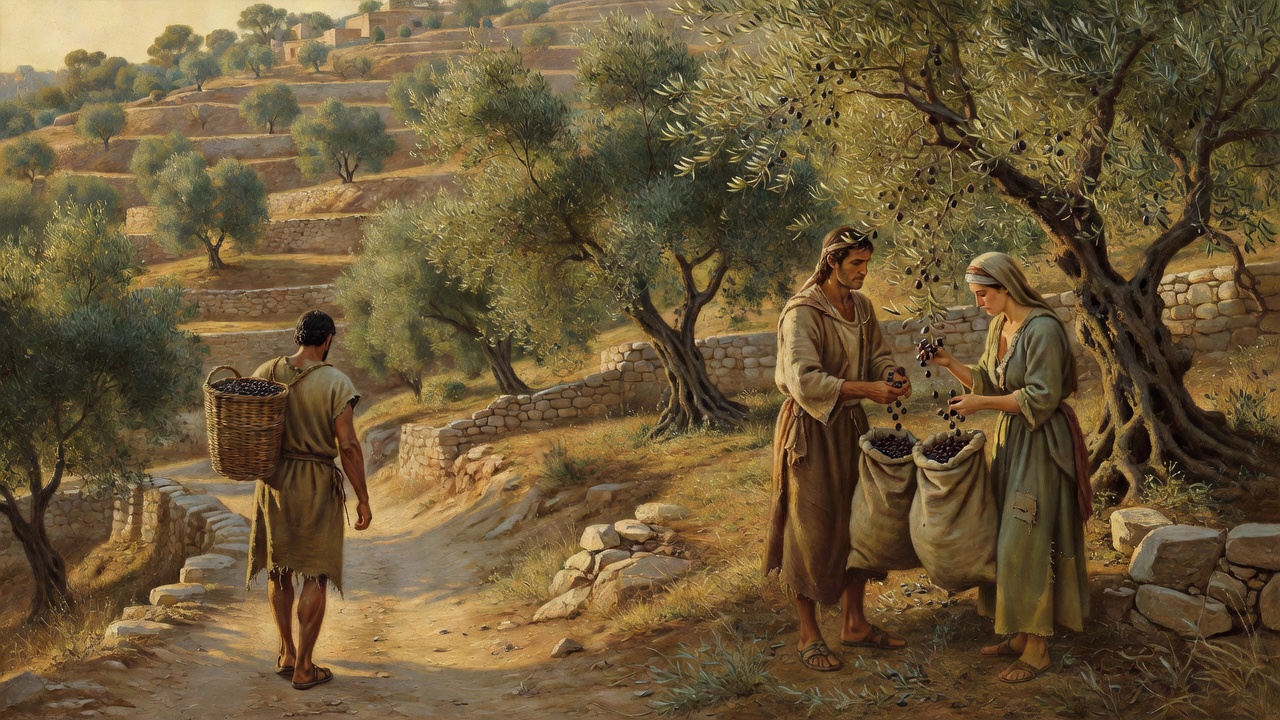
19Ọ bụrụ na i lefuo ukwu ọka ụfọdụ anya mgbe ị na-ewe ihe ubi nʼubi gị, alaghachila azụ nʼubi gị ịchịrị ha. Hapụrụ ya ndị ọbịa, na ndị inyom di ha nwụrụ anwụ, na ụmụ mgbei, Onyenwe anyị Chineke gị ga-agọzi gị, ọ ga-emekwa ka ị baa ụba. 20Mgbe ị na-akụtusi mkpụrụ osisi oliv gị, ejeghachila azụ nʼalaka ọbụla inyochazi ya, ịchọpụta ma ị ghọtachaala mkpụrụ niile mịrị nʼelu ha. Hapụrụ ndị ọbịa na ụmụ mgbei, na ndị inyom di ha nwụrụ mkpụrụ ọbụla fọdụrụ. 21Otu a ka ị ga-emekwa nʼihe banyere mkpụrụ ubi vaịnị gị. Atụtụkọchala mkpụrụ niile mịrị nʼelu ya. Hapụrụ ndị ọbịa, na ndị mgbei, na ndị inyom di ha nwụrụ ihe niile fọdụrụ. 22Chetakwa na o nwere mgbe ị bụ ndị ohu nʼala Ijipt. Ọ bụ nʼihi ya ka m ji na-enye gị iwu a.
Did you know?
Laws of Compassion, Justice, and Social Protection
- Israelite harvesting laws required landowners to leave behind forgotten sheaves of grain, leftover olives, and grape gleanings for vulnerable groups: the resident foreigner, the orphan, and the widow. This social welfare system was grounded in the collective memory that the Israelites had once been oppressed slaves in Egypt.Sources: the Bible text itself · Egypt
- Debtors and hired workers were protected by explicit legal limits. Creditors were forbidden from entering a debtor's house to seize a pledge, taking essential millstones that provided a household's daily bread, or keeping an impoverished person's sleeping cloak past sunset, and day laborers had to be paid before nightfall.Sources: the Bible text itself
- When giving instructions concerning infectious skin diseases and the guidance of Levitical priests, the text points back to the affliction of Miriam, the sister of Moses and Aaron, during the wilderness journey following the Exodus from Egypt.Sources: the Bible text itself · Miriam · Egypt
Notes written with AI assistance from open sources (Theographic Bible Metadata, CC BY-SA 4.0; Easton’s Bible Dictionary, public domain) and reviewed before publishing.
Places in this chapter
Only places identified with high confidence are shown (90% or more according to the scholarly sources compiled by OpenBible). Period map: DARE (Digital Atlas of the Roman Empire), CC BY 4.0; modern map: © OpenStreetMap contributors; places: OpenBible.info (CC BY 4.0).
Credits and license for this translation
Biblica® Baịbụlụ Nsọ nʼIgbo Ndị Ugbu a nke dịrị onye ọbụla ịgụ The Holy Bible in the Igbo language of Nigeria: Biblica® Baịbụlụ Nsọ nʼIgbo Ndị Ugbu a nke dịrị onye ọbụla ịgụ copyright © 2020 Biblica, Inc. Language: Igbo Contributor: Biblica, Inc. This work is made available under the Creative Commons Attribution-ShareAlike 4.0 International License (CC BY-SA). To view a copy of this license, visit http://creativecommons.org/licenses/by-sa/4.0 or send a letter to Creative Commons, PO Box 1866, Mountain View, CA 94042, USA. Biblica® is a trademark registered by Biblica, Inc., and use of the Biblica® trademark requires the written permission of Biblica, Inc. Under the terms of the CC BY-SA license, you may copy and redistribute this unmodified work as long as you keep the Biblica® trademark intact. If you modify a copy or translate this work, thereby creating a derivative work, you must remove the Biblica® trademark. On the derivative work, you must indicate what changes you have made and attribute the work as follows: “The original work by Biblica, Inc. is available for free at www.biblica.com and open.bible.” Notice of copyright must appear on the title or copyright page of the work as follows: Biblica® Baịbụlụ Nsọ nʼIgbo Ndị Ugbu a nke dịrị onye ọbụla ịgụ Ndị Biblica, Inc. degharịrị ya nʼafọ © 1980, 1988, 2019, 2020 Biblica® Open Igbo Contemporary Bible™ Copyright © 1980, 1988, 2019, 2020 by Biblica, Inc. “Biblica” bụ akara e ji mara ụlọ ọrụ a, nke edebanyere dịka iwu si kwado nʼụlọ ọrụ dị nʼobodo United States, ebe a na-enye akara a na ikike maka azụm ahịa ndị Biblica, Inc. Ọ bụ ha ka e nyere ikike idenye ya. “Biblica” is a trademark registered in the United States Patent and Trademark Office by Biblica, Inc. Used with permission. You must also make your derivative work available under the same license (CC BY-SA). If you would like to notify Biblica, Inc. regarding your translation of this work, please contact us at https://open.bible/contact-us. This translation is made available to you under the terms of the Creative Commons Attribution Share-Alike license 4.0. You have permission to share and redistribute this Bible translation in any format and to make reasonable revisions and adaptations of this translation, provided that: You include the above copyright and source information. If you make any changes to the text, you must indicate that you did so in a way that makes it clear that the original licensor is not necessarily endorsing your changes. If you redistribute this text, you must distribute your contributions under the same license as the original. Pictures included with Scriptures and other documents on this site are licensed just for use with those Scriptures and documents. For other uses, please contact the respective copyright owners. Note that in addition to the rules above, revising and adapting God's Word involves a great responsibility to be true to God's Word. See Revelation 22:18-19. 2023-04-12
Source: http://ebible.org/ibo/ · eBible.org