Deuteronomy 21
Biblica® Baịbụlụ Nsọ nʼIgbo Ndị Ugbu a nke dịrị onye ọbụla ịgụ · Tap a verse to see its cross-references.
Ọnwụ amaghị ihe kpatara ya
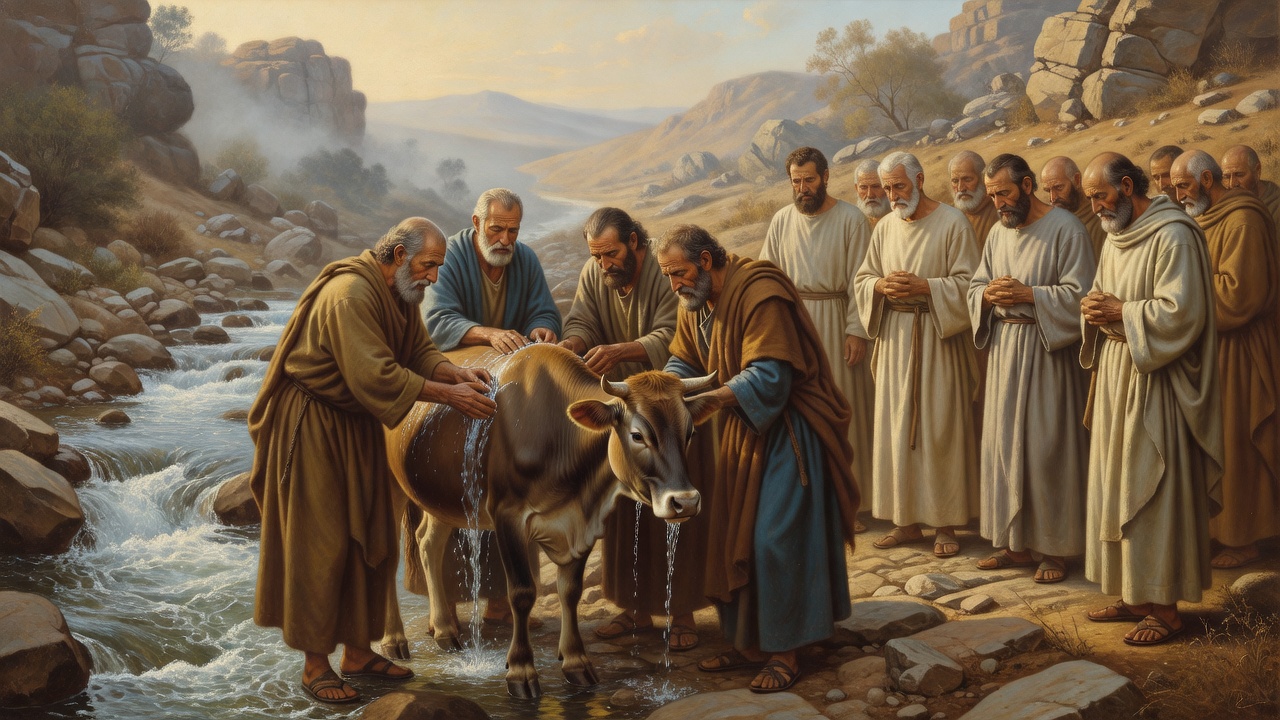
1Mgbe ị batara nʼala ahụ Onyenwe anyị Chineke gị na-enye gị inweta, biri nʼime ya, ọ bụrụ na ị hụ otu onye e gburu egbu ka ọ tọgbọ nʼime ọhịa, ma ị maghị onye gburu ya, 2ndị okenye gị, na ndị ikpe ga-apụta, tụọ ịdị anya nke obodo niile dị gburugburu ọhịa ahụ, site nʼebe ahụ onye ahụ e gburu egbu tọgbọ. 3Ndị okenye obodo ahụ ga-ewere nwa nne ehi a na-ejibeghị rụọ ọrụ, maọbụ nyara yoku ọbụla 4ha ga-eduru ya gaa na ndagwurugwu nke mmiri na-eru nʼime ya, ndagwurugwu a na-egwuzebeghị mgbe ọbụla ịrụ ọrụ ubi nʼime ya, nke a na-akụghị mkpụrụ nʼime ya, gbajie olu nwaagbọghọ ehi ahụ nʼebe ahụ. 5Ndị nchụaja, ụmụ Livayị, ga-abịa, nʼihi na Onyenwe anyị Chineke gị ahọpụtala ha ka ha bụrụ ndị na-ejere ya ozi. Ha ka ọ họpụtakwara ikwupụta ngọzị nʼaha Onyenwe anyị, na ikpe niile metụtara mmerụ ahụ. 6Mgbe ahụ, ndị okenye niile nke obodo ndị ahụ dịkarịsịrị ozu ahụ nso, ga-akwọ aka ha nʼelu nwaagbọghọ ehi ahụ, nke ahụ a gbajiri olu nʼime ndagwurugwu ahụ. 7Ha ga-ekwupụta sị, “Aka anyị dị ọcha, ọ bụghị anyị gburu nwoke a, anyị amakwaghị onye gburu ya. 8Onyenwe anyị, kpuchiere ndị gị Izrel mmehie ha, bụ ndị gị ị gbapụtara. Agụla ndị gị dịka ndị ikpe mara nʼihi ọnwụ nwoke a na-emeghị ihe ọjọọ.” Otu a ka a ga-esi kpuchie mmehie nʼihi mwụfu ọbara ahụ. 9Nʼụzọ dị otu a, ka ị ga-esi wezugara onwe gị ikpe ọmụma gaara abụ nke gị nʼihi ọbara onye ahụ nwụrụ anwụ, ebe ọ bụ na i meela ihe ziri ezi nʼanya Onyenwe anyị.
Ịlụ ndị inyom a dọtara nʼagha
10Mgbe ị pụrụ ibuso ndị iro gị agha, ọ bụrụ na Onyenwe anyị Chineke gị emee ka i merie ndị iro gị, dọta ụfọdụ nʼime ha nʼagha, 11ọ bụrụ na ị hụ nwaagbọghọ mara mma nke masịrị gị nʼetiti ndị a dọtara nʼagha, i nwere ike iduru ya ka ọ bụrụ nwunye gị. 12Ị ga-akpọbata ya nʼụlọ gị, mee ka ọ kpụcha agịrị isi ya, bekwaa mbọ ya niile, 13yipụ uwe ahụ o yi mgbe e jidere ya. Ọ ga-anọdụ nʼụlọ gị ruo ụjụ nʼihi nna ya na nne ya otu ọnwa. Emesịa, i nwere ike ịbakwuru ya ghọọ di ya, ya onwe ya ga-aghọkwa nwunye gị. 14Ọ bụrụ na ihe ya amasịkwaghị gị, ị ga-ahapụ ya ka ọ gaa ebe ọbụla ọ chọrọ. Ị gaghị ere ya nʼọnụ ego ọbụla maọbụ kpasi ya agwa dịka ohu, ebe ọ bụ na ị wedala ya nʼala site nʼịhụ ọtọ ya anya.
Oke ruru ọkpara
15Ọ bụrụ na nwoke lụrụ ndị inyom abụọ, ma hụ otu nʼime ha nʼanya karịa nke ọzọ, ọ bụrụkwa na ndị inyom abụọ ahụ mụtaara ya ụmụ ndị ikom, ma nwanyị ahụ ọ kpọrọ asị buuru ụzọ mụta nwa nwoke, 16mgbe nwoke ahụ na-eke ihe onwunwe ya, ọ gaghị ewere oke ruuru ọkpara ya, nke nwanyị ahụ ọ kpọrọ asị mụtara kenye nwa nwoke nke nwanyị ahụ ọ hụrụ nʼanya mụrụ. 17Ọ ga-anabata nwa nwoke nke nwanyị ahụ ọ na-ahụghị nʼanya mụtara dị ka ọkpara, nye ya, oke abụọ site nʼihe niile o nwere. Nʼihi na nwoke ahụ bụ mmalite ume ya, ọnọdụ nke ị bụ ọkpara bụkwa nke ya.
Nwa isiike
18Ọ bụrụ na nwoke amụta nwa nwoke na-eme isiike, nke na-enupu isi, onye na-adịghị ege nna ya na nne ya ntị, ọ bụladị mgbe ha dọrọ ya aka na ntị. 19Nne ya na nna ya ga-eduru ya gaa nʼihu ndị okenye, nʼọnụ ụzọ ama obodo ha. 20Ha ga-agwa ndị okenye obodo ahụ, “Nwa anyị nwoke a na-eme isiike, na-enupu isi, ọ dịghị ege ntị nʼolu anyị. Ọ bụ onye mmefu na onye na-aṅụbiga mmanya oke.” 21Ndị ikom niile nke obodo ahụ ga-ewere nkume tugbuo ya. Nʼụzọ dị otu a, unu ga-ekpochapụ ihe ọjọọ ahụ nʼetiti unu. Ndị Izrel niile ga-anụ ihe mere, ụjọ ga-atụkwa ha.
Iwu dị iche iche
22Ọ bụrụ na nwoke ọbụla emee ihe ọjọọ kwesiri ọnwụ, ọ bụrụ na e kpee ya ikpe ọnwụ, kwụgbuo ya nʼosisi, 23unu agaghị ahapụ ozu ya ka ọ dịgide nʼelu osisi abalị ahụ niile. Hụnụ na e liri ya nʼotu ụbọchị ahụ, nʼihi na onye ọbụla a kwụbara nʼelu osisi bụ onye Chineke bụrụ ọnụ. Emerụla ala ahụ Onyenwe anyị Chineke gị na-enye gị dịka ihe nketa.
Did you know?
Justice, Family Rights, and Communal Purity
- When a murdered body was found in an open field with no known killer, the elders of the closest town were required to perform an atonement ritual. In an unplowed valley with running water, they washed their hands over a heifer while Levitical priests attended, clearing the community of bloodguilt.Sources: the Bible text itself
- Under the laws of inheritance, a father could not transfer the firstborn's rights to a younger son out of favoritism for a beloved wife. The eldest son, even if born to an unloved wife, was legally guaranteed a double portion of the father's estate.Sources: the Bible text itself
- If an executed criminal's body was hung on a tree as a public warning, it had to be taken down and buried before nightfall. The law stated that anyone hung on a tree was under God's curse, and leaving the corpse overnight would defile the land.Sources: the Bible text itself
Notes written with AI assistance from open sources (Theographic Bible Metadata, CC BY-SA 4.0; Easton’s Bible Dictionary, public domain) and reviewed before publishing.
Credits and license for this translation
Biblica® Baịbụlụ Nsọ nʼIgbo Ndị Ugbu a nke dịrị onye ọbụla ịgụ The Holy Bible in the Igbo language of Nigeria: Biblica® Baịbụlụ Nsọ nʼIgbo Ndị Ugbu a nke dịrị onye ọbụla ịgụ copyright © 2020 Biblica, Inc. Language: Igbo Contributor: Biblica, Inc. This work is made available under the Creative Commons Attribution-ShareAlike 4.0 International License (CC BY-SA). To view a copy of this license, visit http://creativecommons.org/licenses/by-sa/4.0 or send a letter to Creative Commons, PO Box 1866, Mountain View, CA 94042, USA. Biblica® is a trademark registered by Biblica, Inc., and use of the Biblica® trademark requires the written permission of Biblica, Inc. Under the terms of the CC BY-SA license, you may copy and redistribute this unmodified work as long as you keep the Biblica® trademark intact. If you modify a copy or translate this work, thereby creating a derivative work, you must remove the Biblica® trademark. On the derivative work, you must indicate what changes you have made and attribute the work as follows: “The original work by Biblica, Inc. is available for free at www.biblica.com and open.bible.” Notice of copyright must appear on the title or copyright page of the work as follows: Biblica® Baịbụlụ Nsọ nʼIgbo Ndị Ugbu a nke dịrị onye ọbụla ịgụ Ndị Biblica, Inc. degharịrị ya nʼafọ © 1980, 1988, 2019, 2020 Biblica® Open Igbo Contemporary Bible™ Copyright © 1980, 1988, 2019, 2020 by Biblica, Inc. “Biblica” bụ akara e ji mara ụlọ ọrụ a, nke edebanyere dịka iwu si kwado nʼụlọ ọrụ dị nʼobodo United States, ebe a na-enye akara a na ikike maka azụm ahịa ndị Biblica, Inc. Ọ bụ ha ka e nyere ikike idenye ya. “Biblica” is a trademark registered in the United States Patent and Trademark Office by Biblica, Inc. Used with permission. You must also make your derivative work available under the same license (CC BY-SA). If you would like to notify Biblica, Inc. regarding your translation of this work, please contact us at https://open.bible/contact-us. This translation is made available to you under the terms of the Creative Commons Attribution Share-Alike license 4.0. You have permission to share and redistribute this Bible translation in any format and to make reasonable revisions and adaptations of this translation, provided that: You include the above copyright and source information. If you make any changes to the text, you must indicate that you did so in a way that makes it clear that the original licensor is not necessarily endorsing your changes. If you redistribute this text, you must distribute your contributions under the same license as the original. Pictures included with Scriptures and other documents on this site are licensed just for use with those Scriptures and documents. For other uses, please contact the respective copyright owners. Note that in addition to the rules above, revising and adapting God's Word involves a great responsibility to be true to God's Word. See Revelation 22:18-19. 2023-04-12
Source: http://ebible.org/ibo/ · eBible.org