Daniel 3
Biblica® Baịbụlụ Nsọ nʼIgbo Ndị Ugbu a nke dịrị onye ọbụla ịgụ · Tap a verse to see its cross-references.
Oyiyi ọlaedo na ọkụ a kwanyere
1Eze Nebukadneza kpụrụ oyiyi ọlaedo nke ịdị elu ya ga-adị iri mita atọ, obosara ya ga-adị ka mita atọ. Emesịa, o debe ya nʼobosara ala Dura, nke dị nʼotu mpaghara Babilọn. 2Eze Nebukadneza ziri ozi ka e zie ndị nnọchite anya eze niile, ndịisi, ndị na-achị achị, ndị ndụmọdụ ya niile, ndị na-elekọta ụlọakụ ya niile, ndị ọkaikpe, ndị maji na-edozi okwu na ọtụtụ ndị ọzọ nọkwa nʼisi ọchịchị akụkụ niile nke ala ahụ, ka ha bịa nʼụbọchị a ga-edo oyiyi ahụ nsọ bụ nke eze Nebukadneza guzobere. 3Ya mere, ndị nnọchite anya eze niile, ndịisi, ndị na-achị achị, ndị ndụmọdụ ya niile na ndị na-elekọta ụlọakụ ya niile, ndị ọkaikpe, ndị maji na-edozi okwu na ọtụtụ ndị ọzọ nọkwa nʼisi ọchịchị akụkụ niile nke ala ahụ, zukọtara maka ido oyiyi ahụ nke eze, bụ Nebukadneza guzobere nsọ. Ha niile guzooro ọtọ nʼihu oyiyi ahụ bụ nke eze Nebukadneza guzobere.
4Onye nkwusa kwuru okwu nʼolu ike, “Mmadụ niile si na mba niile na asụsụ niile dị iche iche bịa, ka a na-enye iwu nke a, 5mgbe ọbụla unu nụrụ ụda ọja, une, ụbọ akwara, maọbụ ụda ihe egwu ọbụla, unu ga-ada nʼala kpọọ isiala nye ihe a Nebukadneza eze ji ọlaedo kpụọ. 6Onye ọbụla juru ịkpọ isiala ka a ga-atụba ngwangwa nʼime ọkụ nke na-enwu ajọ onwunwu.”
7Ya mere, ngwangwa ha nụrụ ụda opi ike, nke ọja, une ụbọ akwara, nke une na nke egwu dị iche iche, ndị niile si mba dị iche iche, ndị na-asụ asụsụ dị iche iche, dara nʼala kpọọ isiala nye oyiyi ọlaedo ahụ, nke eze bụ Nebukadneza guzobere.
8Nʼoge a, ụfọdụ nʼime ndị Kaldịa pụtara nʼihu boo ndị Juu ebubo. 9Ha gwara eze, bụ Nebukadneza, “Ka eze dị ndụ ruo mgbe ebighị ebi. 10Gị, onwe gị nyere iwu, na onye ọbụla nụrụ ụda opi ike, ọja, une, ụbọ akwara maọbụ ihe egwu ọzọ ga-akpọ isiala sekpuoro ihe ahụ e ji ọlaedo kpụọ, 11na onye ọbụla jụrụ ịkpọ isiala ka a ga-atụba nʼime ọkụ na-enwu ajọ onwunwu. 12Ugbu a, e nwere ụfọdụ ndị Juu, ndị aha ha bụ Shedrak, na Mishak na Abednego, ndị i mere ka ha bụrụ ndị na-elekọta ihe niile a na-eme eme nʼala Babilọn; ha aṅaghị ntị nʼiwu eze nyere, jụkwa ịkpọ isiala nye oyiyi a i ji ọlaedo kpụọ.”
13Nebukadneza nʼọnọdụ oke iwe nyere iwu ka a kpọta Shedrak, na Mishak, na Abednego. Ya mere, a kpọbatara ndị ikom a nʼihu eze, 14Nebukadneza sịrị ha, “Ọ bụ eziokwu, Shedrak, na Mishak, na Abednego, na unu adịghị efe chi m maọbụ kpọọ isiala nye oyiyi ọlaedo ahụ m guzobere? 15Mgbe unu nụrụ ụda opi, ọja, une na ụbọ akwara maọbụ ihe egwu ọzọ, ọ bụrụ na unu adaa nʼala kpọọ isiala nye oyiyi ahụ a kpụrụ akpụ, ihe niile ga-adị mma. Kama ọ bụrụ na unu ajụ ịkpọ isiala, a ga-atụnye unu ngwangwa nʼime ọkụ na-enwu ajọ onwunwu. Kedụ chi ahụ nke pụrụ ịnapụta unu site nʼaka m?”
16Shedrak, na Mishak, na Abednego, gwara eze, “O Nebukadneza, ọ dịghị mkpa na anyị ga-azara ọnụ anyị nʼihu gị banyere okwu a. 17Ọ bụrụ Chineke anyị na-efe nwere ike ịzọpụta anyị site nʼọkụ na-enwusi ike nʼaka gị, ya zọpụta anyị. 18Ma ọ bụrụkwa na ọ zọpụtaghị anyị, mata nke ọma, o eze, na anyị agaghị efe chi gị ndị a maọbụ kpọọ isiala nye oyiyi a ị kpụrụ akpụ nke ị guzobere.”
19Mgbe ahụ, Nebukadneza jupụtara nʼoke iwe megide Shedrak, na Mishak, na Abednego, nke bụ nʼihu ya gbarụrụ nʼebe ha nọ. O nyere iwu sị ka e mee ụlọ ọkụ ahụ ka ọ dị ọkụ ugboro asaa karịa ka o kwesiri. 20Ọ nyere ụfọdụ ndị kacha sie ike nʼetiti ndị agha ya iwu ka e kee Shedrak, na Mishak, na Abednego eriri nʼụkwụ na aka, tụbakwa ha nʼọkụ ahụ na-enwu enwu. 21Ya mere, ha kere ndị ikom ahụ agbụ ebe ha ka yi uwe ụkwụ ha, na akwa nkụkụ isi ha, na uwe mwụda ha, na uwe ha niile, tụba ha nʼetiti ọkụ ahụ na-enwu ajọ onwunwu. 22Ebe ọ bụ nʼokwu eze dị ọkụ ọkụ, tinyere na ọkụ ahụ na-enwusi ike, o mere ka ire ọkụ regbuo ndị agha ahụ tụbara Shedrak, na Mishak, na Abednego. 23Ya mere, Shedrak, na Mishak, na Abednego ndị e kesịrị agbụ ike, dabara nʼime ọkụ ahụ na-enwusi ike.
24Nʼọnọdụ iju anya, Eze Nebukadneza wuliri nʼụkwụ ya, jụọ ndị ndụmọdụ sị, “Ọ bụghị ndị ikom atọ anyị kere agbụ ka anyị tụbara nʼime ọkụ?”
Ha zara eze, “Ọ bụ ezie, eze.”
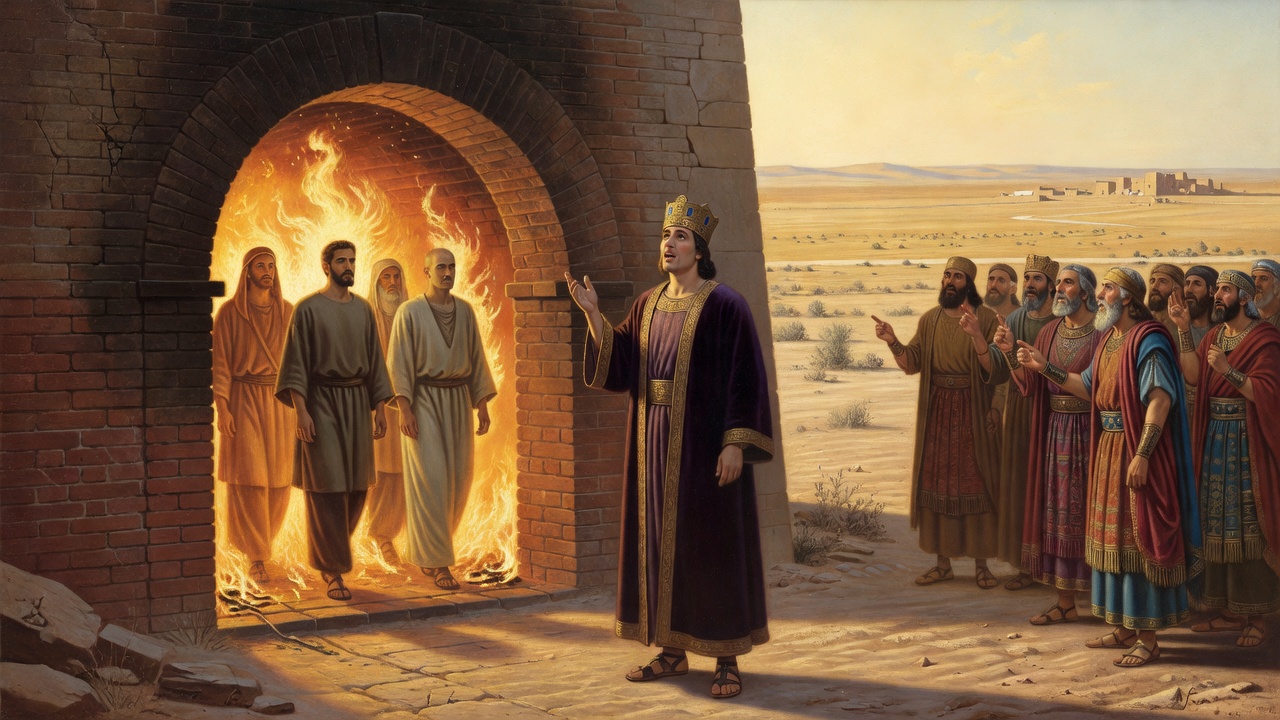
25Ọ sịrị, “Ma ana m ahụ mmadụ anọ ndị a na-ekeghị agbụ, ka ha na-agagharị nʼime ọkụ ahụ. Leekwa na ọkụ ahụ anaghị ere ha. Onye ahụ mere ha mmadụ anọ yiri nwa nke ndị bụ chi.”
26Mgbe ahụ Nebukadneza, bịara nso nʼọnụ ụzọ oke ọkụ ahụ sị, “Shedrak, Mishak na Abednego, ndị ohu Chineke Onye kachasị ihe niile elu, pụtanụ! Bịanụ nʼebe a!”
Ya mere, Shedrak, Mishak na Abednego, sitere nʼoke ọkụ ahụ pụta. 27Ụmụ ndị eze niile, ndịisi niile, ndị ahụ niile na-achị achị na ndị ndụmọdụ eze niile, zukọtara gburugburu ndị ikom atọ ahụ, ha hụkwara na ọkụ emerụghị ha ahụ, na o rechapụghịkwa agịrị isi dị ha nʼisi, uwe ha ereghịkwa ọkụ, isisi anwụrụ ọkụ adịghịkwa nʼahụ ha.
28Mgbe ahụ, Nebukadneza sịrị, “Otuto dịrị Chineke nke Shedrak, Mishak na Abednego nʼihi na o zitere mmụọ ozi ya ịzọpụta ndị ohu ya tụkwasịrị ya obi, mgbe ha jụrụ ime ihe eze nyere nʼiwu, kama ha jiri aka ha họrọ ịnwụ, kama ife chi ọzọ nke na-abụghị Chineke nke ha. 29Ya mere, ana m enye iwu a taa, na-asị na onye ọbụla, maọbụ mba ọbụla, maọbụ asụsụ ọbụla, onye kwuru okwu ọjọọ megide Chineke Shedrak, Mishak na Abednego, a ga-etikpọkwa ụlọ onye ahụ, mee ka ọ ghọọ mkpọmkpọ ebe. Nʼihi na o nweghị chi ọzọ nke pụrụ ịzọpụta nʼụzọ dị otu a.”
30Mgbe ahụ, eze nyere Shedrak, Mishak na Abednego ọkwa ọzọ dị elu karịa nke ha nwere na mbụ nʼala Babilọn.
Did you know?
The Golden Statue and the Fiery Furnace
- The plain of Dura, a name meaning "the circle", was located near Babylon where King Nebuchadnezzar erected a golden statue sixty cubits high and six cubits wide. On one of the mounds in this area, archaeologists later discovered the pedestal of a colossal statue, often identified as the probable base of this golden image.Sources: Dura · the Bible text itself
- Shadrach and Meshach were Babylonian names given to the captive Hebrew youths Hananiah and Mishael, who had been trained in Babylon and appointed over the affairs of the province. Despite their official rank, they and their companion Abednego chose execution in a blazing furnace over worshiping the king's golden idol.Sources: Shadrach · Meshach · the Bible text itself
- King Nebuchadnezzar, whose Babylonian name means "Nebo, protect the crown!", was the powerful ruler who succeeded his father Nabopolassar. In his royal inscriptions, he called himself "Nebo's favourite", reflecting the polytheistic Babylonian religion against which the three Hebrews took their stand.Sources: Nebuchadnezzar · the Bible text itself
Notes written with AI assistance from open sources (Theographic Bible Metadata, CC BY-SA 4.0; Easton’s Bible Dictionary, public domain) and reviewed before publishing.
Places in this chapter
Only places identified with high confidence are shown (90% or more according to the scholarly sources compiled by OpenBible). Period map: DARE (Digital Atlas of the Roman Empire), CC BY 4.0; modern map: © OpenStreetMap contributors; places: OpenBible.info (CC BY 4.0).
Credits and license for this translation
Biblica® Baịbụlụ Nsọ nʼIgbo Ndị Ugbu a nke dịrị onye ọbụla ịgụ The Holy Bible in the Igbo language of Nigeria: Biblica® Baịbụlụ Nsọ nʼIgbo Ndị Ugbu a nke dịrị onye ọbụla ịgụ copyright © 2020 Biblica, Inc. Language: Igbo Contributor: Biblica, Inc. This work is made available under the Creative Commons Attribution-ShareAlike 4.0 International License (CC BY-SA). To view a copy of this license, visit http://creativecommons.org/licenses/by-sa/4.0 or send a letter to Creative Commons, PO Box 1866, Mountain View, CA 94042, USA. Biblica® is a trademark registered by Biblica, Inc., and use of the Biblica® trademark requires the written permission of Biblica, Inc. Under the terms of the CC BY-SA license, you may copy and redistribute this unmodified work as long as you keep the Biblica® trademark intact. If you modify a copy or translate this work, thereby creating a derivative work, you must remove the Biblica® trademark. On the derivative work, you must indicate what changes you have made and attribute the work as follows: “The original work by Biblica, Inc. is available for free at www.biblica.com and open.bible.” Notice of copyright must appear on the title or copyright page of the work as follows: Biblica® Baịbụlụ Nsọ nʼIgbo Ndị Ugbu a nke dịrị onye ọbụla ịgụ Ndị Biblica, Inc. degharịrị ya nʼafọ © 1980, 1988, 2019, 2020 Biblica® Open Igbo Contemporary Bible™ Copyright © 1980, 1988, 2019, 2020 by Biblica, Inc. “Biblica” bụ akara e ji mara ụlọ ọrụ a, nke edebanyere dịka iwu si kwado nʼụlọ ọrụ dị nʼobodo United States, ebe a na-enye akara a na ikike maka azụm ahịa ndị Biblica, Inc. Ọ bụ ha ka e nyere ikike idenye ya. “Biblica” is a trademark registered in the United States Patent and Trademark Office by Biblica, Inc. Used with permission. You must also make your derivative work available under the same license (CC BY-SA). If you would like to notify Biblica, Inc. regarding your translation of this work, please contact us at https://open.bible/contact-us. This translation is made available to you under the terms of the Creative Commons Attribution Share-Alike license 4.0. You have permission to share and redistribute this Bible translation in any format and to make reasonable revisions and adaptations of this translation, provided that: You include the above copyright and source information. If you make any changes to the text, you must indicate that you did so in a way that makes it clear that the original licensor is not necessarily endorsing your changes. If you redistribute this text, you must distribute your contributions under the same license as the original. Pictures included with Scriptures and other documents on this site are licensed just for use with those Scriptures and documents. For other uses, please contact the respective copyright owners. Note that in addition to the rules above, revising and adapting God's Word involves a great responsibility to be true to God's Word. See Revelation 22:18-19. 2023-04-12
Source: http://ebible.org/ibo/ · eBible.org