Amos 4
Biblica® Baịbụlụ Nsọ nʼIgbo Ndị Ugbu a nke dịrị onye ọbụla ịgụ · Tap a verse to see its cross-references.
Izrel alọghachibeghị nʼebe Chineke nọ
1Nụrụ okwu a, unu nne ehi nke Bashan, ndị na-ebi nʼelu ugwu Sameria,
unu ndị inyom na-emegbu ndị ogbenye, ma zọpịakwa ndị mkpa na-akpa,
ndị na-asị di ha, “welatara anyị ihe ọṅụṅụ”
2Onye kachasị ihe niile elu, bụ Onyenwe anyị ewerela ịdị nsọ ya ṅụọ iyi, sị,
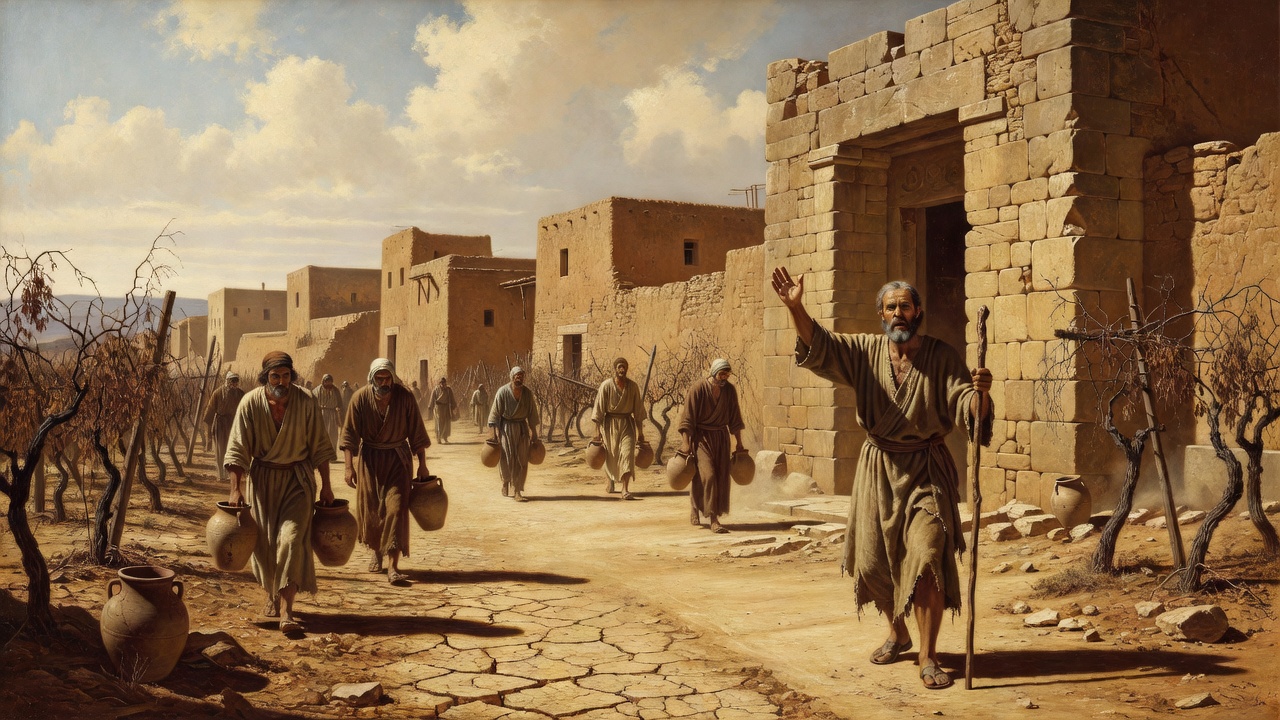
“Ụbọchị ahụ aghaghị ịbịa
mgbe a ga-eji nko dọkpụrụ unu pụọ;
jiri nko azụ dọkpụrụ ọ bụladị onye ikpeazụ nʼime unu.
3Ọ bụ site nʼoghere dị iche iche e mere na mgbidi obodo,
ka onye ọbụla ga-esi nʼahịrị nʼahịrị pụọ,
a ga-atụga unu nʼụzọ Hamon.”
Otu a ka Onyenwe anyị kwupụtara.
4“Gaanụ na Betel, ma jehie.
Jeenụ Gilgal mee ka mmehie baa ụba.
Butenụ ihe aja unu ụtụtụ niile.
Webatakwanụ onyinye otu ụzọ nʼụzọ iri unu nʼụbọchị atọ ọbụla.
5Chụọnụ aja nsure ọkụ dịka aja ekele, site nʼachịcha koro eko;
kpọsaakwanụ banyere onyinye afọ ofufu niile unu na-enye,
nyaanụ isi banyere ha, unu bụ ndị Izrel,
nʼihi na nke a bụ ihe unu hụrụ nʼanya ime.”
Otu a ka Onyenwe anyị kwupụtara.
6“E mere m ka unu nwee eze dị ọcha nʼobodo unu niile,
mekwa ka ụkọ nri dị nʼọnụmara unu niile
ma unu alọghachikwuteghị m.”
Otu a ka Onyenwe anyị kwupụtara.
7“Ọzọkwa, Mụ onwe m gbochikwara mmiri izoro unu,
mgbe ọ fọdụrụ ọnwa atọ tupu owuwe ihe ubi ebido.
Enyere m otu obodo mmiri ozuzo,
ma gbochie ya izoro obodo nke ọzọ.
Mmiri zoro nʼotu ubi,
ma nke mmiri ezoghị na ya kpọnwụrụ.
8Ndị si obodo abụọ maọbụ atọ chọrọ mmiri ọṅụṅụ jee nʼobodo ọzọ,
ma ha enwetaghị nke ha ji aṅụju afọ,
ma nʼime ihe ndị a niile unu alọghachikwuteghị m.”
Otu a ka Onyenwe anyị kwupụtara.
9“Ezitere m ọrịa nchakpọ nʼubi unu niile a gbara ogige, ya na ubi vaịnị unu niile, ọtụtụ oge,
werekwa ọrịa na-eripịa ihe ubi na ọmụma ebu bibie ha,
zitekwa igurube nke richapụrụ osisi fiig na osisi oliv unu niile,
ma nke a emeghị ka unu lọghachikwute m.”
Otu a ka Onyenwe anyị kwupụtara.
10“Ezitere m nʼetiti unu ajọ ọrịa na-efe efe
dịka ndị ahụ m zitere ndị Ijipt.
Ejiri m mma agha gbuo ụmụ okorobịa unu,
mee ka a dọta ịnyịnya agha unu nʼagha.
Emere m ka isisi ọjọọ ndị niile nwuru nʼọmụma ụlọ ikwu unu jupụta imi unu,
ma nke a emeghị ka unu lọghachikwute m.”
Otu a ka Onyenwe anyị kwupụtara.
11“Akwaturu m ụfọdụ nʼime unu
dịka mgbe Chineke kwaturu Sọdọm na Gọmọra.
Unu dịka ọlọkọ nkụ ọkụ alọpụtara site nʼọkụ,
ma unu alọghachikwuteghị m,”
otu a ka Onyenwe anyị kwubiri.
12“Nʼihi ya, ihe ndị a ka m na-aga ime gị, gị bụ Izrel.
Ebe ọ bụkwa na ejikerela m ime gị ihe ndị a,
jikere, O Izrel, izute Chineke gị.”
13Ma lee, onye na-akpụ ugwu niile,
onye na-ekekwa ifufe,
nke na-ekpughekwa echiche uche ya nye mmadụ,
onye na-emekwa ka chi ọbụbọ ghọọ ọchịchịrị,
na-azọchakwa ugwu niile nʼọbụụkwụ ya,
Onyenwe anyị Chineke Onye pụrụ ime ihe niile bụ aha ya.
Did you know?
Unheeded Warnings and the God of Hosts
- Amos addresses the wealthy, exploitative women of Samaria by calling them cows of Bashan. Samaria was the hilltop capital of the northern kingdom of Israel, while Bashan was a fertile region north of Gilead known for its rich pastures.Sources: the Bible text itself · Samaria · Bashan
- The prophet sarcastically invites the people to bring sacrifices and tithes to Bethel and Gilgal. Both locations had deep historical and religious importance in Israel, but had become sites of hollow religious ritual and transgression.Sources: the Bible text itself · Bethel (of Palestine) · Gilgal
- Amos recounts a series of divine warnings through natural and military disasters, including severe drought, crop-destroying locusts, pestilence reminiscent of Egypt, and battlefield defeat. Despite each disaster, the text repeats the refrain that the people refused to return to God.Sources: the Bible text itself · Egypt
Notes written with AI assistance from open sources (Theographic Bible Metadata, CC BY-SA 4.0; Easton’s Bible Dictionary, public domain) and reviewed before publishing.
Places in this chapter
- Bashan · 32.781, 35.935 · verse 1
- Samaria · 32.276, 35.195 · verse 1
- Egypt · 30.129, 31.308 · verse 10
Only places identified with high confidence are shown (90% or more according to the scholarly sources compiled by OpenBible). Period map: DARE (Digital Atlas of the Roman Empire), CC BY 4.0; modern map: © OpenStreetMap contributors; places: OpenBible.info (CC BY 4.0).
Credits and license for this translation
Biblica® Baịbụlụ Nsọ nʼIgbo Ndị Ugbu a nke dịrị onye ọbụla ịgụ The Holy Bible in the Igbo language of Nigeria: Biblica® Baịbụlụ Nsọ nʼIgbo Ndị Ugbu a nke dịrị onye ọbụla ịgụ copyright © 2020 Biblica, Inc. Language: Igbo Contributor: Biblica, Inc. This work is made available under the Creative Commons Attribution-ShareAlike 4.0 International License (CC BY-SA). To view a copy of this license, visit http://creativecommons.org/licenses/by-sa/4.0 or send a letter to Creative Commons, PO Box 1866, Mountain View, CA 94042, USA. Biblica® is a trademark registered by Biblica, Inc., and use of the Biblica® trademark requires the written permission of Biblica, Inc. Under the terms of the CC BY-SA license, you may copy and redistribute this unmodified work as long as you keep the Biblica® trademark intact. If you modify a copy or translate this work, thereby creating a derivative work, you must remove the Biblica® trademark. On the derivative work, you must indicate what changes you have made and attribute the work as follows: “The original work by Biblica, Inc. is available for free at www.biblica.com and open.bible.” Notice of copyright must appear on the title or copyright page of the work as follows: Biblica® Baịbụlụ Nsọ nʼIgbo Ndị Ugbu a nke dịrị onye ọbụla ịgụ Ndị Biblica, Inc. degharịrị ya nʼafọ © 1980, 1988, 2019, 2020 Biblica® Open Igbo Contemporary Bible™ Copyright © 1980, 1988, 2019, 2020 by Biblica, Inc. “Biblica” bụ akara e ji mara ụlọ ọrụ a, nke edebanyere dịka iwu si kwado nʼụlọ ọrụ dị nʼobodo United States, ebe a na-enye akara a na ikike maka azụm ahịa ndị Biblica, Inc. Ọ bụ ha ka e nyere ikike idenye ya. “Biblica” is a trademark registered in the United States Patent and Trademark Office by Biblica, Inc. Used with permission. You must also make your derivative work available under the same license (CC BY-SA). If you would like to notify Biblica, Inc. regarding your translation of this work, please contact us at https://open.bible/contact-us. This translation is made available to you under the terms of the Creative Commons Attribution Share-Alike license 4.0. You have permission to share and redistribute this Bible translation in any format and to make reasonable revisions and adaptations of this translation, provided that: You include the above copyright and source information. If you make any changes to the text, you must indicate that you did so in a way that makes it clear that the original licensor is not necessarily endorsing your changes. If you redistribute this text, you must distribute your contributions under the same license as the original. Pictures included with Scriptures and other documents on this site are licensed just for use with those Scriptures and documents. For other uses, please contact the respective copyright owners. Note that in addition to the rules above, revising and adapting God's Word involves a great responsibility to be true to God's Word. See Revelation 22:18-19. 2023-04-12
Source: http://ebible.org/ibo/ · eBible.org