Acts 8
Biblica® Baịbụlụ Nsọ nʼIgbo Ndị Ugbu a nke dịrị onye ọbụla ịgụ · Tap a verse to see its cross-references.
1Sọl kwenyere ka e gbuo ya.
Mkpagbu nke nzukọ Kraịst
Nʼụbọchị ahụ, oke mkpagbu bidoro megide nzukọ dị na Jerusalem. Ndị niile kwere ekwe, ma ewezuga ndị ozi nʼonwe ha gbasasịrị nʼala Judịa na Sameria. 2Ndị ikom, ndị na-atụ egwu Chineke, bịara buru ozu Stivin gaa lie ya. Ha ruru ụjụ nke ukwuu nʼihi ya. 3Ma Sọl bidoro ịla nzukọ nʼiyi. Ọ na-abanye site nʼụlọ ga nʼụlọ ndị kwere ekwe na-adọpụta ha, nwoke na nwanyị, tinye ha nʼụlọ mkpọrọ.
Filip nʼobodo Sameria
4Ndị ahụ a chụsasịrị zisara oziọma nʼebe niile ha gbagara. 5Filip gara nʼotu obodo dị na Sameria kwusaara ndị nọ nʼebe ahụ ihe banyere Kraịst. 6Igwe mmadụ gere ntị nʼihe Filip na-ekwu nʼihi na ha hụrụ ọrụ ịrịbama ọ rụrụ. 7Mmụọ ndị ahụ na-adịghị ọcha ji iti mkpu site nʼime ọtụtụ mmadụ pụta. Ọ gwọkwara ọtụtụ ndị ahụ ha kpọnwụrụ akpọnwụ na ndị ngwụrọ. 8Nʼihi ya, ọṅụ dị ukwuu jupụtara nʼobodo ahụ.
Saimọn onye mgbaasị
9Ugbu a, kemgbe ọtụtụ oge gara aga, otu nwoke aha ya bụ Saimọn bụ onye mgbaasị. O jirila mgbaasị ya mee ọtụtụ ihe tụrụ ndị niile bi nʼobodo Sameria nʼanya. Ọ na-anyakwa isi na ya bụ onye dị ukwu. 10Onye ọbụla, ma onye ukwu ma onye nta, na-ege ya ntị na-asịkwa “Nwoke a bụ ike Chineke ahụ a na-akpọ Ike dị ukwuu.” 11Ha na-ege ya ntị oge niile nʼihi na ọ na-eji ike mgbaasị ya na-eme ihe juru ha anya. 12Ma mgbe ha kwenyere nʼoziọma Filip dịka ọ na-ekwusa ihe banyere oziọma alaeze Chineke na aha Jisọs Kraịst, e mere ha baptizim, ma nwoke ma nwanyị ha. 13Saimọn kwerekwara otu aka ahụ. Mgbe e mechara ya baptizim, o bidoro iso Filip na-agagharị nʼihi ihe ịrịbama na ọrụ ebube niile Filip rụrụ, tụrụ ya nʼanya nke ukwuu.
14Mgbe ndị ozi nọ na Jerusalem nụrụ na ndị Sameria anabatala okwu nke Chineke, ha zigaara ha Pita na Jọn. 15Mgbe ha bịaruru, ha kpere ekpere ka ha nata Mmụọ Nsọ. 16Nʼihi na Mmụọ Nsọ abịakwasịbeghị onye ọbụla nʼime ha, kama ihe e mere ha bụ baptizim nʼaha Onyenwe anyị Jisọs. 17Mgbe Pita na Jọn bikwasịrị ha aka nʼisi, ha natara Mmụọ Nsọ.
18Mgbe Saimọn hụrụ na a na-enye Mmụọ Nsọ naanị site nʼaka ndị ozi bikwasịrị ha nʼisi, o chere ha ego nʼihu, 19sị, “nyekwanụ m ike a. Ka onye ọbụla m bikwasịrị aka nʼisi nata Mmụọ Nsọ.”
20Ma Pita sịrị, “Gị na ego gị laakwa nʼiyi. Nʼihi na i chere na ị ga-eji ego zụta onyinye Chineke. 21I nweghị oke maọbụ ihe nketa nʼọrụ a, nʼihi na obi gị ezighị ezi nʼihu Chineke. 22Si nʼajọ omume gị chegharịa, rịọ Onyenwe anyị arịrịọ ma eleghị anya ọ ga-agbaghara gị echiche ọjọọ niile nke obi gị. 23Nʼihi na ahụrụ m na ị jupụtara nʼobi ilu na ị nọkwa nʼagbụ nke ajọ omume.”
24Saimọn zara Pita sị, “Biko, kpee ekpere rịọrọ m Chineke, ka ihe ndị a niile i kwuru, hapụ ịbịakwasị m.”
25Mgbe ha gbachara akaebe, ma kwusaakwa okwu nke Onyenwe anyị, ha lọghachiri Jerusalem. Ma mgbe ha na-ala ha zisara oziọma nʼọtụtụ obodo ndị Sameria.
Filip na onye onozi Itiopia
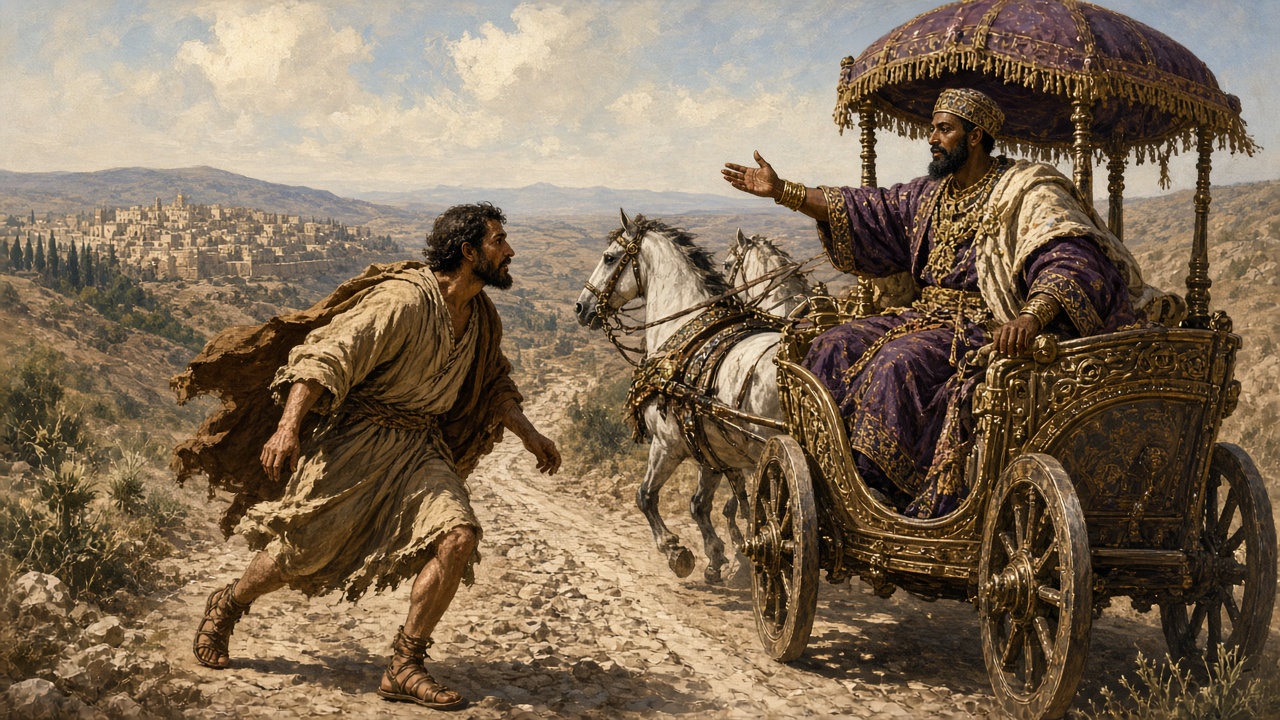
26Mgbe ahụ mmụọ ozi Onyenwe anyị gwara Filip sị, “Gaa na ndịda, nʼụzọ ọzara nke siri Jerusalem gawa Gaza, ụzọ ahụ bụ ụzọ ọzara.” 27O biliri gawa. Mgbe ahụ, otu onye Itiopia bụ onye onozi, bụrụkwa onyeisi ozi dị mkpa, onye na-eche akụ nke Kandis, eze nwanyị ndị Itiopia, gara Jerusalem ife Chineke. 28Mgbe ọ na-ala, ọ nọdụrụ ala nʼụgbọala ya, nke ịnyịnya na-adọkpụgharị, na-agụ akwụkwọ Aịzaya onye amụma. 29Mmụọ Nsọ gwara Filip, “Gaa ụgbọ ahụ nso, sonyekwara ya.”
30Filip gara nso, nụkwa ka ọ na-agụ akwụkwọ Aịzaya onye amụma. Ọ sịrị, “Ị na-aghọta ihe ị na-agụ?”
31Ọ sịrị, “M ga-esi aṅaa ghọta, ma mmadụ ezighị m?” Ọ rịọrọ Filip ka ọ rigota nʼụgbọala ahụ, soro ya nọdụ nʼime ya.
32Mpaghara akwụkwọ nsọ ọ na-agụ bụ nke a,
“E duuru ya dị ka atụrụ gaa nʼebe a ga-egbu ya.
Dịka nwa atụrụ na-anọ nwayọọ nʼihu onye na-akpacha ya ajị,
otu a ka ọ na-emegheghị ọnụ ya.
33Nʼọnọdụ ịdị ala ya, e meghị ka ikpe ziri ezi ruo ya aka.
Onye ga-akọ akụkọ banyere agbụrụ ya?
Nʼihi na e sitere nʼụwa wepụ ndụ ya.”
34Onozi ahụ jụrụ Filip, “Biko, gwa m, onye ka onye amụma a na-ekwu okwu ya? Ọ bụ ihe banyere onwe ya ka ọ na-ekwu, ka ọ bụ banyere onye ọzọ?” 35Mgbe ahụ, Filip malitere ikwu okwu, site nʼakụkọ akwụkwọ nsọ ọ na-agụ kọọrọ ya akụkọ oziọma banyere Jisọs.
36Mgbe ha na-aga nʼụzọ, ha bịaruru ebe ọdọ mmiri nta dị. Onozi ahụ sịrị, “Lee, nke a bụ mmiri. Ọ dị ihe ga-egbochi ime m baptizim?”
37Filip sịrị, “Ọ bụrụ na i ji obi gị niile kwere, e nwere ike ime gị baptizim.”
Onozi ahụ sịrị, “Ekwere m na Jisọs Kraịst bụ Ọkpara Chineke.” 38O kwuru ka a kwụsị ụgbọala ahụ. Mgbe ahụ, onozi ahụ na Filip wụdatara banye nʼime mmiri ebe Filip nọ mee ya baptizim. 39Mgbe ha sitere nʼime mmiri ahụ pụta, ngwangwa Mmụọ Onyenwe anyị sitere nʼebe ahụ wepụ Filip, onye onozi ahụ ahụkwaghị ya anya ọzọ; kama ọ gara nʼihu nʼije ya na-aṅụrịkwa ọṅụ. 40Ebe ọzọ a hụrụ Filip bụ nʼAzọtus. O jegharịkwara nʼobodo niile dị nʼala ahụ, na-ekwusa oziọma ruo mgbe ọ bịaruru Sizaria.
Did you know?
The message spreads beyond Jerusalem
- After Stephen’s death, a great persecution broke out against the church in Jerusalem, and all except the apostles were scattered through Judea and Samaria. Philip, one of the seven and later called the evangelist, was among them; he went first to Samaria, where the crowds gave their attention to his message about the Christ.Sources: the Bible text itself · Phillip the Evangelist
- Before Philip arrived, Simon had long astounded Samaria by sorcery, and people called him the divine power known as the Great Power. He believed and was baptized, then offered money for the power to give the Holy Spirit by the laying on of hands; the word simony, for buying a spiritual office, is derived from his name.Sources: the Bible text itself · Simon the Sorcerer
- Two roads linked Jerusalem and Gaza; Philip was sent along the one through Hebron and a thinly inhabited district called the desert. There he met an Ethiopian eunuch, treasurer to Candace, queen of the Ethiopians, returning from worship in Jerusalem and reading the prophet Isaiah in his chariot. Candace was a title borne by successive queens of Meroe in Upper Nubia, a wealthy center of trade between Africa and southern Asia.Sources: the Bible text itself · Phillip the Evangelist · Candace
Notes written with AI assistance from open sources (Theographic Bible Metadata, CC BY-SA 4.0; Easton’s Bible Dictionary, public domain) and reviewed before publishing.
Places in this chapter
- Jerusalem · 31.777, 35.234 · verses 1, 14, 25, 26, 27
- Judea · Today: Judea 1 · 31.777, 35.234 · verse 1
- Samaria · Today: Samaria 2 · 32.276, 35.195 · verses 1, 5, 9, 14, 25
- Gaza · Today: Tell Harube · 31.504, 34.464 · verse 26
- Ethiopia · 16.935, 33.751 · verse 27
- Ashdod · Today: Tel Ashdod · 31.757, 34.658 · verse 40
- Caesarea · Today: Caesarea Maritima · 32.500, 34.892 · verse 40
Only places identified with high confidence are shown (90% or more according to the scholarly sources compiled by OpenBible). Period map: DARE (Digital Atlas of the Roman Empire), CC BY 4.0; modern map: © OpenStreetMap contributors; places: OpenBible.info (CC BY 4.0).
Credits and license for this translation
Biblica® Baịbụlụ Nsọ nʼIgbo Ndị Ugbu a nke dịrị onye ọbụla ịgụ The Holy Bible in the Igbo language of Nigeria: Biblica® Baịbụlụ Nsọ nʼIgbo Ndị Ugbu a nke dịrị onye ọbụla ịgụ copyright © 2020 Biblica, Inc. Language: Igbo Contributor: Biblica, Inc. This work is made available under the Creative Commons Attribution-ShareAlike 4.0 International License (CC BY-SA). To view a copy of this license, visit http://creativecommons.org/licenses/by-sa/4.0 or send a letter to Creative Commons, PO Box 1866, Mountain View, CA 94042, USA. Biblica® is a trademark registered by Biblica, Inc., and use of the Biblica® trademark requires the written permission of Biblica, Inc. Under the terms of the CC BY-SA license, you may copy and redistribute this unmodified work as long as you keep the Biblica® trademark intact. If you modify a copy or translate this work, thereby creating a derivative work, you must remove the Biblica® trademark. On the derivative work, you must indicate what changes you have made and attribute the work as follows: “The original work by Biblica, Inc. is available for free at www.biblica.com and open.bible.” Notice of copyright must appear on the title or copyright page of the work as follows: Biblica® Baịbụlụ Nsọ nʼIgbo Ndị Ugbu a nke dịrị onye ọbụla ịgụ Ndị Biblica, Inc. degharịrị ya nʼafọ © 1980, 1988, 2019, 2020 Biblica® Open Igbo Contemporary Bible™ Copyright © 1980, 1988, 2019, 2020 by Biblica, Inc. “Biblica” bụ akara e ji mara ụlọ ọrụ a, nke edebanyere dịka iwu si kwado nʼụlọ ọrụ dị nʼobodo United States, ebe a na-enye akara a na ikike maka azụm ahịa ndị Biblica, Inc. Ọ bụ ha ka e nyere ikike idenye ya. “Biblica” is a trademark registered in the United States Patent and Trademark Office by Biblica, Inc. Used with permission. You must also make your derivative work available under the same license (CC BY-SA). If you would like to notify Biblica, Inc. regarding your translation of this work, please contact us at https://open.bible/contact-us. This translation is made available to you under the terms of the Creative Commons Attribution Share-Alike license 4.0. You have permission to share and redistribute this Bible translation in any format and to make reasonable revisions and adaptations of this translation, provided that: You include the above copyright and source information. If you make any changes to the text, you must indicate that you did so in a way that makes it clear that the original licensor is not necessarily endorsing your changes. If you redistribute this text, you must distribute your contributions under the same license as the original. Pictures included with Scriptures and other documents on this site are licensed just for use with those Scriptures and documents. For other uses, please contact the respective copyright owners. Note that in addition to the rules above, revising and adapting God's Word involves a great responsibility to be true to God's Word. See Revelation 22:18-19. 2023-04-12
Source: http://ebible.org/ibo/ · eBible.org