Acts 13
Biblica® Baịbụlụ Nsọ nʼIgbo Ndị Ugbu a nke dịrị onye ọbụla ịgụ · Tap a verse to see its cross-references.
1Ndị amụma na ndị nkuzi ụfọdụ nọkwa na nzukọ dị nʼAntiọk. Ụfọdụ nʼime ha bụ Banabas na Simiọn onye a na-akpọ nwoke ojii, na Lusiọs onye Sirini, na Manaen (onye azụlitekọrọ ya na eze Herọd), na Sọl. 2Mgbe ha nọ na-efe Onyenwe anyị ofufe na-ebukwa ọnụ, Mmụọ Nsọ sịrị, “Kewapụtaranụ m Banabas na Sọl, nʼihi ọrụ ahụ nke m kpọrọ ha.” 3Ya mere, mgbe ha busiri ọnụ kpekwa ekpere, ha bikwasịrị ha aka nʼisi zipụ ha.
Obodo Saiprọs
4Ebe Mmụọ Nsọ zipụrụ ha, ha gbadara Selusia, sitekwa ebe ahụ gbadaa Saiprọs. 5Mgbe ha bịaruru Salamis, ha banyere nʼụlọ nzukọ ndị Juu kwusaa okwu Chineke. Jọn sokwa ha dịka onye na-ejere ha ozi.
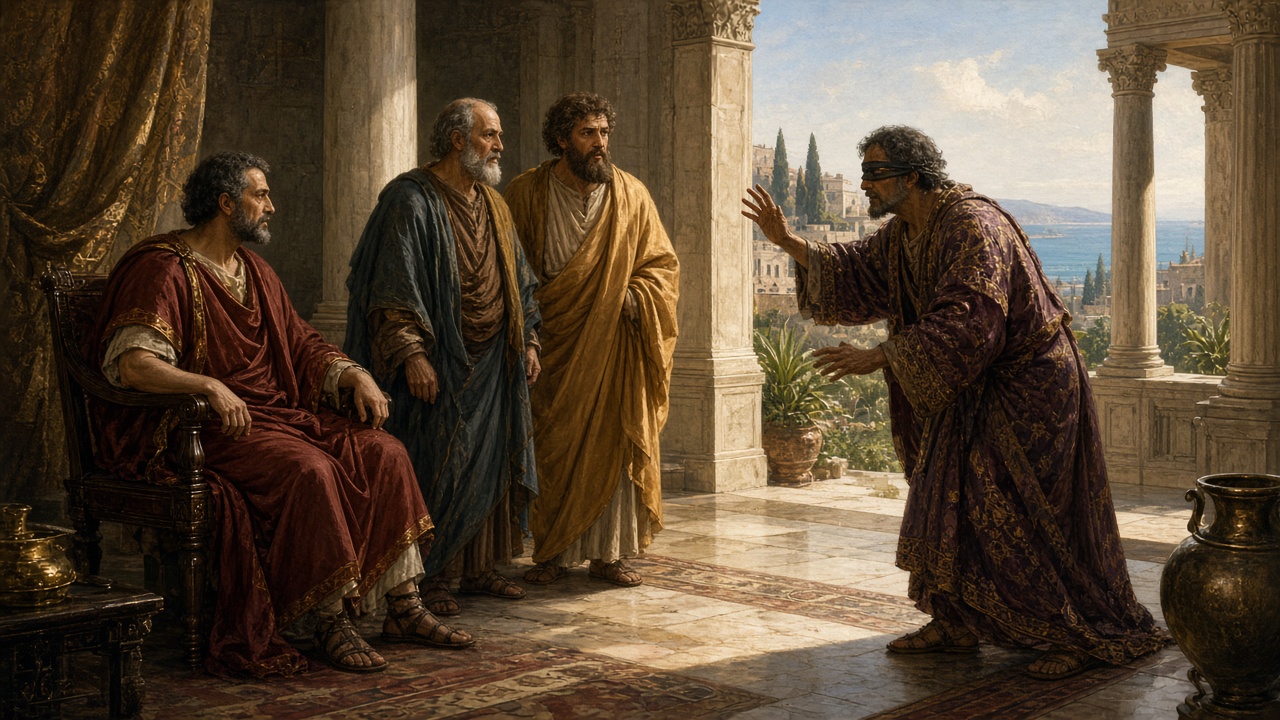
6Mgbe ha gazuchara obodo niile ndị ahụ mmiri gbara gburugburu ruo Pafọs, ha zutere otu onye mgbaasị, onye Juu bụ onye amụma ụgha a na-akpọ Ba-Jisọs. 7Ya na otu onye ọchịchị obodo, aha ya bụ Sajiọs Pọlọs nọ. Ọ bụ nwoke nwere ọgụgụisi nʼebe ọ dị ukwuu, ọ kpọrọ Banabas na Sọl ka ha gwa ya okwu nke Chineke. 8Ma onye mgbaasị ahụ, onye aha ya bụkwa Elimas (nʼihi nke a bụ aha ya ma asụgharịa ya) malitere igbochi ha site nʼimegharị onyeisi ahụ anya ka ọ ghara ịnabata okwukwe ahụ. 9Ma Sọl, onye aha ya bụkwa Pọl, onye jupụtara na Mmụọ Nsọ, legidere ya anya 10sị, “Gị nwa ekwensu, jupụtara nʼaghụghọ na nʼihe ọjọọ dị iche iche. Gị onye iro nke ezi omume niile. Ọ bụ na i gaghị akwụsị imerụ ụzọ niile ziri ezi nke Onyenwe anyị? 11Nʼihi ya lee, iwe nke Onyenwe anyị ga-adakwasị gị. Ị ga-ekpụ ìsì nwa oge, ị gaghị enwe ike hụ ìhè nke anyanwụ.”
Nʼotu oge ahụ, ọ hụkwaghị ụzọ ọzọ. Ọ malitere na-ebigharị aka, na-achọkwa onye ga na-edugharị ya. 12Mgbe onyeisi ahụ hụrụ ihe mere, o kweere, nʼihi na o juru ya anya bụ ozizi nke okwu Onyenwe anyị.
Pọl nʼobodo Antiọk nke Pisidia
13Pọl na ndị otu ya ji ụgbọ mmiri site na Pafọs garuo Pega nke dị nʼala Pamfilia. Nʼebe a ka Jọn hapụrụ ha laghachi Jerusalem. 14Site na Pega ha gara ruo Antiọk obodo nke dị na Pisidia. Nʼụbọchị izuike, ha banyere nʼụlọ nzukọ ndị Juu nọdụ ala. 15Mgbe a gụpụtasịrị site nʼakwụkwọ iwu na nke ndị amụma, ndịisi ụlọ ekpere ahụ zigara ya ozi, sị, “Ụmụnna anyị, ọ bụrụ na unu nwere okwu ịgbaume nye anyị, biko kwuonụ ya.”
16Pọl guzoro ọtọ nʼetiti ha feere ha aka ya, sị, “Unu ndị Izrel na unu ụmụnna m ndị mba ọzọ na-atụ egwu Chineke. Geenụ m ntị. 17Chineke nke Izrel họpụtara nna nna anyị ha mee ha mba dị ukwu nʼoge ha nọ nʼobodo Ijipt. O ji ike aka ya dupụta ha site nʼala ahụ. 18Ọ nagidere ha iri afọ anọ nʼime ọzara. 19O bibiri mba asaa dị ukwuu nʼime ala Kenan nʼihi ha, nyekwa ndị ya obodo a ka ọ bụrụ nke ha. 20Nke a bụ ihe dị ka narị afọ anọ na iri afọ ise.
“Mgbe nke a gasịrị, o nyere ha ndị ikpe dị iche iche ruo oge Samuel onye amụma. 21Mgbe ahụ ha rịọrọ ka enye ha eze, Chineke nyekwara ha Sọl, nwa Kish, onye si nʼagbụrụ Benjamin pụta, onye chịrị iri afọ anọ. 22Mgbe o wepụsịrị ya, o mere Devid ka ọ bụrụ eze ha. Ọ gbara ama banyere ya sị, ‘Achọtala m Devid nwa Jesi, nwoke nke dị ka ọchịchọ obi m nke si dị. Ọ bụkwa onye ga-eme ihe niile m chọrọ ka o mee.’
23“Jisọs onye si nʼezinaụlọ Devid pụta ka Chineke wetaara Izrel Onye nzọpụta ahụ bụ Jisọs, dịka o kwere nkwa izite. 24Ma tupu ọbịbịa ya, Jọn ekwusala nye ndị Izrel banyere baptizim nke nchegharị. 25Nʼoge Jọn na-arụsị ọrụ ya, ọ na-asị, ‘Onye ka unu chere na m bụ? Abụkwaghị m onye ahụ. Mba! Abụghị m ya. Ma otu onye ahụ na-abịa nʼazụ m, onye m na-erughị ịtọpụ eriri akpụkpọụkwụ ya.’
26“Ya mere, ụmụnna m, ndị si nʼagbụrụ Ebraham na ndị niile na-atụ egwu Chineke, ozi nke nzọpụta a dịrị anyị niile. 27Ndị bi na Jerusalem na ndị na-achị ha amataghị ya, nke ha ji aghọta okwu ndị amụma nke a na-agụpụtara ha kwa izu, bụ nʼụbọchị izuike. Ma ha mere ka okwu ahụ mezuo, mgbe ha mara ya ikpe ọnwụ. 28Ọ bụ ezie na ha achọtaghị ihe kwesiri ọnwụ nʼaka ya. Ma ha rịọrọ Pailet ka o nye ike ka e gbuo ya. 29Mgbe ha mezuru ihe niile e dere banyere ya, ha budatara ya site nʼelu obe, lie ya. 30Ma Chineke mere ka o si nʼọnwụ bilie. 31Ndị niile soro ya jegharịa site na Galili ruo Jerusalem hụkwara ya anya ọtụtụ ụbọchị. Ndị a bụkwa ndị na-agba ama nʼihu ndị mmadụ banyere ya.
32“Anyị na-ezikwa unu oziọma a, nke nkwa ahụ Chineke kwere ndị nna nna anyị ha. 33O mezuola ha nye anyị bụ ụmụ ha, site na-ime ka Jisọs site nʼọnwụ bilie, dịka e dere ya nʼakwụkwọ Abụ ọma,
“ ‘Ị bụ ọkpara m,
taa abụrụla m nna gị.’
34Ma banyere ime ka o site nʼọnwụ bilie, ka ọ ghara ịlaghachi nʼire ure ọzọ. Nke a bụ ihe o kwuru,
“ ‘Aga m emezuru gị nkwa nsọ ahụ niile m kwere Devid.’
35E dekwara ya nʼebe ọzọ nʼabụ ọma,
“ ‘Ị gakwaghị ahapụ anụ ahụ nke Onye gị dị nsọ ka ọ hụ ire ure.’
36“Mgbe Devid rụzuru ọrụ Chineke chọrọ ka ọ rụọ nʼọgbọ ha, ọ nwụrụ, e likọọ ya na ndị nna nna ya ha o rekwara ure. 37Ma onye ahụ Chineke mere ka o site nʼọnwụ bilite erekwaghị ure.
38“Ya mere, ụmụnna m, achọrọ m ka o doo unu anya na mgbaghara mmehie dịkwa nʼime nwoke a, bụ Jisọs, anyị na-ekwusa nye unu. 39A na-esite na ya gụọ onye ọbụla kwere nʼonye ezi omume ọ bụladị site nʼihe ndị ahụ niile nke iwu Mosis na-apụghị ịgụ unu dị ka ndị ezi omume. 40Lezienụ anya ka ihe niile ndị amụma kwuru ghara ịdakwasị unu.
41“ ‘Lee, unu ndị na-akwa emo,
nọrọnụ na mgbagwoju anya ma lakwanụ nʼiyi.
Nʼihi na agaje m ime otu ihe nʼụbọchị unu
nke unu na-agaghị ekwe na o mere,
ọ bụladị na mmadụ kọrọ unu maka ya.’”
42Mgbe Pọl na Banabas na-apụ, ndị mmadụ rịọrọ ha ka ha bịakwa nʼizu ụka ọzọ gwa ha okwu gbasara ihe ndị a. 43Mgbe a gbasara nzukọ ahụ, ọtụtụ ndị Juu na ndị mba ọzọ na-atụ egwu Chineke sooro Pọl na Banabas, ndị gwara ha okwu, rịọsiekwa ha ike ka ha nọgide nʼamara Chineke.
44Nʼụbọchị izuike ọzọ ahụ, ọtụtụ ndị bi nʼobodo ahụ pụtara ịnụrụ okwu Onyenwe anyị. 45Mgbe ndị Juu hụrụ igwe mmadụ ndị a, obi ha jupụtara nʼekworo, ha bidokwara ikwu okwu ọjọọ megide okwu niile Pọl na-ekwu.
46Ma Pọl na Banabas kwuru okwu na-asọghị anya sị, “Ọ dị mkpa na anyị buuru ụzọ gwa unu okwu nke Chineke, ma ebe ọ bụ na unu jụrụ ịnabata ya, na-echekwa na unu ekwesighị inweta ndụ ebighị ebi, lee, anyị ga-agakwuru ndị mba ọzọ. 47Nʼihi na nke a bụ ihe Onyenwe anyị nyere anyị nʼiwu,
“ ‘Emeela m ka unu bụrụ ìhè nye ndị mba ọzọ,
ka ị nwee ike weruo nzọpụta nʼebe niile ụwa sọtụrụ.’”
48Mgbe ndị mba ọzọ nụrụ ihe ndị a, obi tọrọ ha ụtọ, ha sọpụkwara okwu nke Onyenwe anyị. Ya mere ndị niile a họpụtara inweta ndụ ebighị ebi bụ ndị kwenyerenụ.
49Ya mere okwu Onyenwe anyị gbasara ruo ebe niile nʼobodo ahụ. 50Mgbe ahụ, ndị Juu kpaliri obi ọtụtụ ụmụ nwanyị na-atụ egwu Chineke ndị ọnọdụ ha dị elu, na ndị ikom ndị nke ndu obodo ahụ. Ha kpasuru mkpagbu megide Pọl na Banabas si otu a, chụpụ ha site nʼobodo ahụ. 51Ha tichapụrụ aja dị nʼụkwụ ha ka ọ bụrụ ihe ịdọ aka na ntị mmegide ha. Ha hapụrụ obodo ahụ gaa Aikoniọm. 52Ma ndị na-eso ụzọ ya jupụtakwara nʼọṅụ na nʼike nke Mmụọ Nsọ.
Did you know?
The mission sent from Antioch
- Easton's Bible Dictionary (1897) describes Antioch in Syria as ranking third, after Rome and Alexandria, among the cities of the Roman empire; the church there set Barnabas and Saul apart. Among its prophets and teachers were Simeon called Niger, a surname meaning black, perhaps from a dark complexion, and Lucius of Cyrene, in North Africa.Sources: Antioch (Syria) · the Bible text itself · Simeon · Lucius
- At Paphos, the capital of Cyprus and the residence of the Roman governor, a Jewish sorcerer named Bar-Jesus, also called Elymas, an Arabic name meaning magician or sorcerer, tried to turn the proconsul Sergius Paulus from the faith. It is here that Saul is also called Paul; Easton's Bible Dictionary (1897) says the name Paul was probably given to him in infancy for use in the Gentile world, while Saul was his Hebrew home-name.Sources: Paphos · Elymas · Paul · the Bible text itself
- Sent from Antioch, they went down to Seleucia, the city's seaport near the mouth of the Orontes, and sailed to Cyprus; later they landed at Perga, the capital of Pamphylia, on the river Cestrus. There John left them and returned to Jerusalem; his Roman name, Mark, gradually came to replace his Jewish name, and he was a cousin of Barnabas.Sources: Seleucia · Perga · John Mark · the Bible text itself
Notes written with AI assistance from open sources (Theographic Bible Metadata, CC BY-SA 4.0; Easton’s Bible Dictionary, public domain) and reviewed before publishing.
Places in this chapter
- Antioch · Today: Antioch on the Orontes · 36.227, 36.172 · verse 1
- Cyrene · 32.821, 21.851 · verse 1
- Cyprus · 35.000, 33.000 · verse 4
- Seleucia · Today: Seleucia Pieria · 36.124, 35.922 · verse 4
- Salamis · 35.185, 33.902 · verse 5
- Paphos · Today: New Paphos · 34.756, 32.404 · verses 6, 13
- Jerusalem · 31.777, 35.234 · verses 13, 27, 31
- Pamphylia · 37.000, 31.000 · verse 13
- Perga · 36.960, 30.854 · verses 13, 14
- Antioch · Today: Antioch in Pisidia · 38.306, 31.189 · verse 14
- Pisidia · 38.306, 31.189 · verse 14
- Egypt · 30.129, 31.308 · verse 17
- Canaan · 32.767, 35.333 · verse 19
- Galilee · 32.760, 35.527 · verse 31
- Iconium · Today: Konya · 37.872, 32.492 · verse 51
Only places identified with high confidence are shown (90% or more according to the scholarly sources compiled by OpenBible). Period map: DARE (Digital Atlas of the Roman Empire), CC BY 4.0; modern map: © OpenStreetMap contributors; places: OpenBible.info (CC BY 4.0).
Credits and license for this translation
Biblica® Baịbụlụ Nsọ nʼIgbo Ndị Ugbu a nke dịrị onye ọbụla ịgụ The Holy Bible in the Igbo language of Nigeria: Biblica® Baịbụlụ Nsọ nʼIgbo Ndị Ugbu a nke dịrị onye ọbụla ịgụ copyright © 2020 Biblica, Inc. Language: Igbo Contributor: Biblica, Inc. This work is made available under the Creative Commons Attribution-ShareAlike 4.0 International License (CC BY-SA). To view a copy of this license, visit http://creativecommons.org/licenses/by-sa/4.0 or send a letter to Creative Commons, PO Box 1866, Mountain View, CA 94042, USA. Biblica® is a trademark registered by Biblica, Inc., and use of the Biblica® trademark requires the written permission of Biblica, Inc. Under the terms of the CC BY-SA license, you may copy and redistribute this unmodified work as long as you keep the Biblica® trademark intact. If you modify a copy or translate this work, thereby creating a derivative work, you must remove the Biblica® trademark. On the derivative work, you must indicate what changes you have made and attribute the work as follows: “The original work by Biblica, Inc. is available for free at www.biblica.com and open.bible.” Notice of copyright must appear on the title or copyright page of the work as follows: Biblica® Baịbụlụ Nsọ nʼIgbo Ndị Ugbu a nke dịrị onye ọbụla ịgụ Ndị Biblica, Inc. degharịrị ya nʼafọ © 1980, 1988, 2019, 2020 Biblica® Open Igbo Contemporary Bible™ Copyright © 1980, 1988, 2019, 2020 by Biblica, Inc. “Biblica” bụ akara e ji mara ụlọ ọrụ a, nke edebanyere dịka iwu si kwado nʼụlọ ọrụ dị nʼobodo United States, ebe a na-enye akara a na ikike maka azụm ahịa ndị Biblica, Inc. Ọ bụ ha ka e nyere ikike idenye ya. “Biblica” is a trademark registered in the United States Patent and Trademark Office by Biblica, Inc. Used with permission. You must also make your derivative work available under the same license (CC BY-SA). If you would like to notify Biblica, Inc. regarding your translation of this work, please contact us at https://open.bible/contact-us. This translation is made available to you under the terms of the Creative Commons Attribution Share-Alike license 4.0. You have permission to share and redistribute this Bible translation in any format and to make reasonable revisions and adaptations of this translation, provided that: You include the above copyright and source information. If you make any changes to the text, you must indicate that you did so in a way that makes it clear that the original licensor is not necessarily endorsing your changes. If you redistribute this text, you must distribute your contributions under the same license as the original. Pictures included with Scriptures and other documents on this site are licensed just for use with those Scriptures and documents. For other uses, please contact the respective copyright owners. Note that in addition to the rules above, revising and adapting God's Word involves a great responsibility to be true to God's Word. See Revelation 22:18-19. 2023-04-12
Source: http://ebible.org/ibo/ · eBible.org