1 Corinthians 10
Biblica® Baịbụlụ Nsọ nʼIgbo Ndị Ugbu a nke dịrị onye ọbụla ịgụ · Tap a verse to see its cross-references.
Ịdọ aka na ntị banyere ime mmehie
1Ụmụnna m, achọghị m ka unu chefuo ihe mere nna nna anyị ha mgbe ha jere ije nʼime ọzara. O ji igwe ojii duo ha. O mekwara ka ha si nʼetiti Osimiri Uhie gafee. 2Nʼime igwe ojii ahụ, na nʼime osimiri ahụ e tinyere ha niile na baptizim, dịka ndị na-eso ụzọ Mosis. 3Ha niile rikwara ihe oriri nke mmụọ ahụ. 4Ha ṅụkwara mmiri mmụọ ahụ, mmiri sitere nʼoke nkume mmụọ ahụ, nke na-eso ha. Oke nkume ahụ bụ Kraịst nʼonwe ya. 5Nʼihe ndị a niile, omume ha amasịghị Chineke. Nʼihi nke a, ọ lara ha nʼiyi nʼime ọzara.
6Ugbu a, ihe ndị a niile bụkwa ihe ịdọ aka na ntị nye anyị, ka anyị hapụ ịbụ ndị agụụ ime ihe ọjọọ na-agụ dịka ha. 7Unu abụla ndị na-ekpere arụsị dịka ụfọdụ ha mere. Dịka e dere ya, “Ndị a nọdụrụ ala iri ihe na ịṅụ ihe ọṅụṅụ, biliekwa ọtọ gwurie egwu ime onwe ha obi ụtọ.” 8Ka anyị ghara ịkwa iko dịka ụfọdụ nʼime ha mere, iri puku mmadụ abụọ na atọ nʼime ha nwụọ nʼotu ụbọchị. 9Ka anyị hapụ ịnwa Kraịst ọnwụnwa dịka ụfọdụ nʼime ha si nwaa Chineke. E mere ka agwọ tagbusie ha. 10Ka anyị hapụkwa itamu ntamu dịka ụfọdụ ha mere ma bụrụ ndị Mmụọ ozi ọnwụ tigburu.
11Ihe ndị a niile dakwasịrị ha ka ọ bụrụ ihe ilere anya nye anyị. E dekwara ha nʼakwụkwọ ka ha bụrụ anyị ihe ịdọ aka na ntị nʼihi na anyị bi nʼoge a mgbe ọgwụgwụ ihe niile dị nso. 12Ya mere, ọ bụrụ na ị na-eche na ị guzosiri ike, lezie anya ka ị ghara ịda. 13O nweghị ọnwụnwa ọbụla nwara unu nke abịakwutebeghị mmadụ. Chineke kwesiri ntụkwasị obi, ọ gaghị ekwe ka a nwaa unu karịa ike unu. Kama mgbe a na-anwa unu, ọ ga-enye unu ike imeri ọnwụnwa ma gosikwa unu ụzọ mgbapụ nʼime ya.
Oriri arụsị na Oriri nke Onyenwe anyị
14Ya mere, ndị enyi m hụrụ nʼanya, gbaaranụ ikpere arụsị ọsọ. 15Ana m agwa ndị nwere uche okwu, unu onwe unu tulenụ ihe m na-ekwu. 16Iko ngọzị ahụ nke anyị na-agọzi, ọ bụghị iketa oke site nʼọbara Kraịst? Achịcha nke anyị na-anyawa, ọ bụghị iketa oke nʼahụ Kraịst? 17Nʼihi na otu achịcha dị, ọ bụ ezie na anyị dị ọtụtụ, anyị bụ otu ahụ, nʼihi na anyị niile na-eketa oke nʼotu ogbe achịcha ahụ.
18Chetanụ ka ndị Izrel siri mee: ọ bụ na ndị na-eri ihe eji chụọ aja abụghị ndị nnwekọ nʼebe ịchụ aja? 19Gịnị ka okwu ndị a m na-ekwu pụtara? Na arụsị, maọbụ ihe a chụrụ nʼaja nye arụsị bụ ihe ọbụla, maọbụ na ọ bụghị ihe? 20Mba! Ihe m na-ekwu bụ na ndị niile na-achụrụ arụsị aja jikọtara onwe ha nʼotu obi ịchụrụ ekwensu aja ahụ. Ọ bụghị Chineke. Achọkwaghị m ka unu bụrụ ndị e jikọtara ha na ekwensu. 21Unu apụghị ịṅụ site nʼiko Onyenwe anyị ma ṅụọkwa site nʼiko ekwensu; unu apụghịkwa inwe oke site na tebul Onyenwe anyị na tebul ekwensu. 22Anyị na-achọ ime ka iwe wee Onyenwe anyị? Anyị dị ike karịa ya?
Inwe onwe nke ndị kwere ekwe
23Ị na-asị, “Enwere m ike ime ihe niile m maara na m kwesiri ime,” ma ọ bụghị ihe niile ga-abara m uru. “Enwere m ike ime ihe niile m maara ziri ezi,” ma ọ bụghị ihe niile nwere ike inyere anyị aka. 24Ka onye ọbụla hapụ ịchọ ọdịmma nke onwe ya, kama ọdịmma nke ndị ọzọ.
25Rie ihe bụ anụ ọbụla e rere nʼahịa na-ajụghị ajụjụ ọbụla nʼihi akọnuche. 26Nʼihi na, “Ụwa na ihe niile dị nʼime ya bụ nke Onyenwe anyị.”
27Ọ bụrụ na onye na-ekweghị ekwe akpọọ unu oriri, unu kpebie ije, riekwanụ nri ọbụla e nyere unu na-ajụghị ajụjụ nʼihi akọnuche. 28Ma ọ buru na e nwee onye gwara gị, “A chụrụ ihe a nʼaja.” Unu erila nri ahụ, maka onye ahụ mere ka unu mata, na nʼihi akọnuche. 29Akọnuche nke m na-ekwu maka ya abụghị nke gị, kama ọ bụ maka nke onye ahụ. Nʼihi gịnị ka mnwere onwe m ga-eji bụrụ ihe akọnuche onye ọzọ ga-ekpe ikpe? 30Ọ bụrụ na m nwere ike inye ekele, were nri m rie, olee otu e si ekwutọ m nʼihi ihe ahụ m nyere Chineke ekele banyere ya?
31Ihe ọbụla ị na-eme, ma unu na-eri ihe maọbụ na-aṅụ ihe, na-emenụ ha niile maka otuto nke Chineke. 32Unu emejọla ndị Juu maọbụ ndị Griik, ma ọ bụkwanụ nzukọ Chineke. 33Na-agbalịsinụ ike ime dịka m si eme. Nʼihe ọbụla m na-eme, ana m ejisi ike ime ihe ga-atọ onye ọbụla ụtọ. Anaghị m achọ ọdịmma nke m naanị, kama ọ bụ ọdịmma nke mmadụ ibe m, ime ka a zọpụta ha.
Did you know?
Wilderness Warnings and the Lord's Table
- Paul says he does not want the Corinthians unaware that the forefathers were all under the cloud and all passed through the sea, and that they were baptized into Moses in the cloud and in the sea. They all ate the same spiritual food and drank the same spiritual drink from the spiritual rock that accompanied them, and he says that rock was Christ.Sources: the Bible text itself
- Paul says God was not pleased with most of them, for they were struck down in the wilderness. He lists idolatry, sexual immorality in which twenty-three thousand died in one day, testing Christ, which brought death by snakes, and complaining, punished by the destroying angel, and calls these events examples written down as warnings.Sources: the Bible text itself
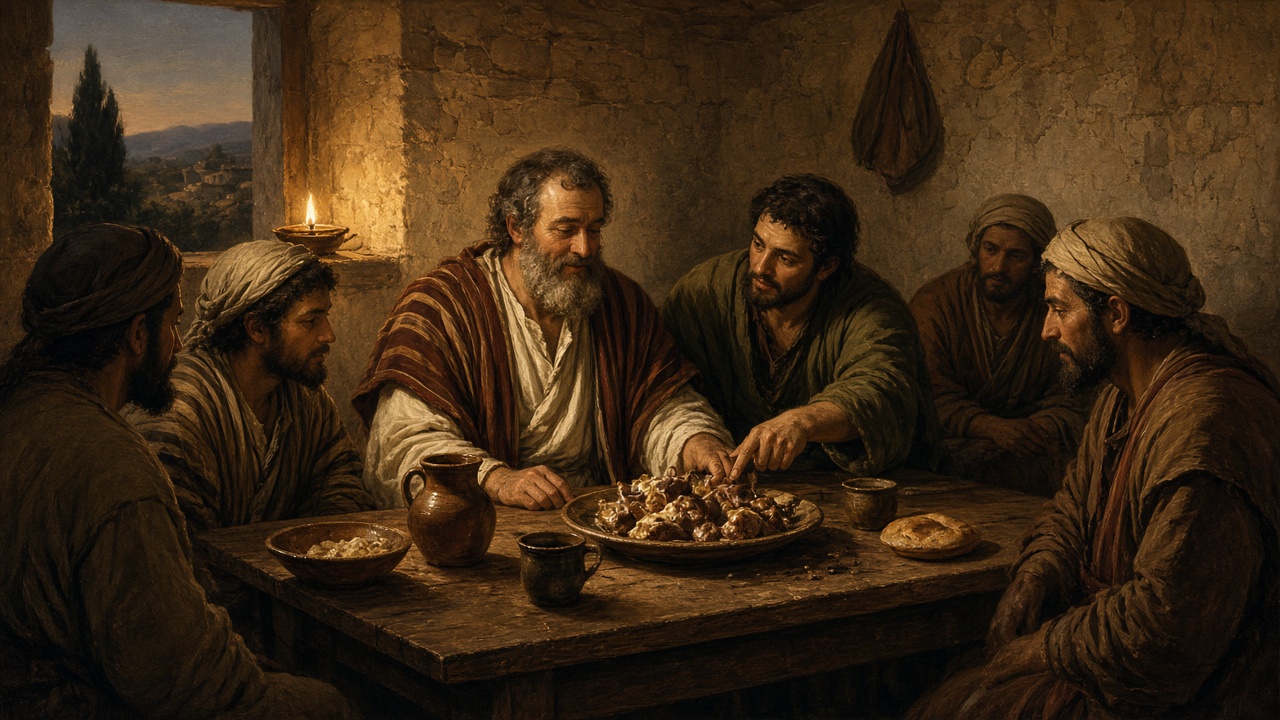
- He calls the cup of blessing and the bread that is broken a participation in the blood and body of Christ, and says pagan sacrifices are offered to demons, not to God, so the two tables cannot be shared. Food sold in the meat market may be eaten without raising questions of conscience, for "The earth is the Lord's, and the fullness thereof," but if someone says it was offered to idols, it should be refused for that person's conscience.Sources: the Bible text itself
Notes written with AI assistance from open sources (Theographic Bible Metadata, CC BY-SA 4.0; Easton’s Bible Dictionary, public domain) and reviewed before publishing.
Credits and license for this translation
Biblica® Baịbụlụ Nsọ nʼIgbo Ndị Ugbu a nke dịrị onye ọbụla ịgụ The Holy Bible in the Igbo language of Nigeria: Biblica® Baịbụlụ Nsọ nʼIgbo Ndị Ugbu a nke dịrị onye ọbụla ịgụ copyright © 2020 Biblica, Inc. Language: Igbo Contributor: Biblica, Inc. This work is made available under the Creative Commons Attribution-ShareAlike 4.0 International License (CC BY-SA). To view a copy of this license, visit http://creativecommons.org/licenses/by-sa/4.0 or send a letter to Creative Commons, PO Box 1866, Mountain View, CA 94042, USA. Biblica® is a trademark registered by Biblica, Inc., and use of the Biblica® trademark requires the written permission of Biblica, Inc. Under the terms of the CC BY-SA license, you may copy and redistribute this unmodified work as long as you keep the Biblica® trademark intact. If you modify a copy or translate this work, thereby creating a derivative work, you must remove the Biblica® trademark. On the derivative work, you must indicate what changes you have made and attribute the work as follows: “The original work by Biblica, Inc. is available for free at www.biblica.com and open.bible.” Notice of copyright must appear on the title or copyright page of the work as follows: Biblica® Baịbụlụ Nsọ nʼIgbo Ndị Ugbu a nke dịrị onye ọbụla ịgụ Ndị Biblica, Inc. degharịrị ya nʼafọ © 1980, 1988, 2019, 2020 Biblica® Open Igbo Contemporary Bible™ Copyright © 1980, 1988, 2019, 2020 by Biblica, Inc. “Biblica” bụ akara e ji mara ụlọ ọrụ a, nke edebanyere dịka iwu si kwado nʼụlọ ọrụ dị nʼobodo United States, ebe a na-enye akara a na ikike maka azụm ahịa ndị Biblica, Inc. Ọ bụ ha ka e nyere ikike idenye ya. “Biblica” is a trademark registered in the United States Patent and Trademark Office by Biblica, Inc. Used with permission. You must also make your derivative work available under the same license (CC BY-SA). If you would like to notify Biblica, Inc. regarding your translation of this work, please contact us at https://open.bible/contact-us. This translation is made available to you under the terms of the Creative Commons Attribution Share-Alike license 4.0. You have permission to share and redistribute this Bible translation in any format and to make reasonable revisions and adaptations of this translation, provided that: You include the above copyright and source information. If you make any changes to the text, you must indicate that you did so in a way that makes it clear that the original licensor is not necessarily endorsing your changes. If you redistribute this text, you must distribute your contributions under the same license as the original. Pictures included with Scriptures and other documents on this site are licensed just for use with those Scriptures and documents. For other uses, please contact the respective copyright owners. Note that in addition to the rules above, revising and adapting God's Word involves a great responsibility to be true to God's Word. See Revelation 22:18-19. 2023-04-12
Source: http://ebible.org/ibo/ · eBible.org