Colossians 3
Hona Bible · Tap a verse to see its cross-references.
Tsaurhahu weerinda yibrha
1Tsaunǝn thleng nda kun sǝ hu weerinda yibrha tǝ Ƙǝrǝsti, ɗǝfaman yirha ǝngya fa na a talara hai a mbǝɗi na Yeeso Ƙǝrǝsti sǝ tǝ tsaurha a yisǝmad Faara. 2Numama a ten ǝngya na talara, mbǝ aten ǝn ƙǝshiirha wa. 3Ƙǝsǝr mǝr ɗun, yiɓǝd nun nǝghǝn ɓǝɓee tǝ Ƙǝrǝsti hu Faara. 4A ɓad Yeeso ɓa tsauka yiɓǝd nun hu ƙǝshidɗi ya, nun a naarha tǝghǝn heu hu mamnggitghǝn.
Tsaurha chahal
5Nanǝn kee, ɓǝlaman ɗimiyid ɗi tǝ ǝn ƙǝshiirha tǝrna mid nun, ƙǝla, ɓereukirha, kulafayirha, suna, mbǝlfeerha, kwidhura ndǝghǝn nggima tar ɗaharha ni. 6Ƙǝsǝr ka ǝngginiya, ndǝna hur Faara sǝbrha ɗǝ aten fingya kargha takkwaghǝn fa. 7Kaar nun ǝnaarha kee, nun naarha wiirha hai hu tur ǝngginiya. 8Amma nanǝnya tǝtani a nduwun hai tǝ ǝngginiya ƙǝla nda; hufrha hura, kar farha, tǝ mbǝlfeerha, sǝb thlǝma nduwa kyagha laɓaara ɓa a miiwa mbuwa ngga 9A nggaɓang ɗun ndan fa wa, tsaunǝn malang ɗun tur tsawud nun yi thlu farha tǝ tar mbǝlfeerha yi kaar. 10Nanǝn kalɗun weerinda farha fa, tsauɗun nafiya pak. Tǝrɗun weerinda tsaurha na nda kyakhrang hai hu sǝnda shishingnda tǝ nggǝttǝwa. 11Tsaunǝn wal ɗun weerinda tsaurha, ɓalwa ndaarha sǝ tǝ Yahudarha nduwa mbǝ tǝ Yahudarha wa, nduwa tǝ thleegha muwa tǝ yanɗi thlee wa muwa, tǝmbǝng nduwa ɗalthwa wa, nduwa niifa na tǝ altenggǝn nduwa mafarha. Ƙǝrǝsti ndǝghǝn ni ǝngya heu, nǝghǝn ƙǝm ahur nǝm. 12Wurna Faara kun tsawun nafiyighǝn na chahal nggǝm nǝn kaan. Nanǝn kee, tǝtani non a haɗang ndan fa, ǝnaman nggayirha ndan, malaman manang nda alteena, tǝ hakkilo, tǝ munyarha. 13Ƙǝrsaama tǝ ndan. Chahaman ɗimiyirha ndan ɗǝ, ana ˈyasǝ a pathlang nun tǝ ndan, chahaman ndǝghǝn ndan ɗǝ ƙǝla chahang na Chinǝm ɗimiyid nun ƙǝm ɗǝ. 14Ahu ǝngya heu, nggǝmnda ndǝna manggǝn ma ǝngya heu, ƙǝsǝr nggǝmnda ndǝna wumang ǝngya heu hu tsaurha tal. 15Ngwa tsauka ɗǝɗemnggid Ƙǝrǝsti ahur nun, ƙǝla nanǝm tal aah nanda kun a tsawun hu farha tal. Tsawama nafiya na yakh usa Faara ƙǝtsar. 16Ngwa tsauka laɓar Ƙǝrǝsti ahur nun ƙǝtsar ƙǝla mbǝd ɗǝf wuɗǝɓǝla. Non naarha tsahang nda ndan ha, ƙǝs thlǝman ndan nun hu thladwayirha. Non naarha aah amshi yi Dzabura tǝ yi fal Faara, tǝ yi sǝsǝna, non naarha ƙǝm usa Faara ahur nun. 17Kala ˈya nun a ǝnaarha, yi laɓaara nduwa yi taara, ǝnamadghǝn ahu thlǝm Chinǝm Yeeso, non naarha usa Faara na Chinɗi hu fadghǝn.
Tsaharhaha a wuri Ƙǝrǝstaya
18Kun nishya na a chimarha, fǝrama fad nun a chimayi nun, ƙǝla nafiya tsauka yi Chinǝm. 19Kun hǝshya ƙǝm nggǝmama nishyi nun. A naɗun ngyangthlang a tendan wa. 20Kun wundakhnaya sǝghama mii fanggǝtyi nun ko ahu mani, ƙǝsǝr ndǝna mid Chinǝm. 21Kun chingya a ɓillaɗun wangginun wa, ƙǝsǝr na hur ndan sǝbrha ɗǝ mǝrgha fad ndan hai. 22Kun mafaya fǝraman mamnggirha turayinun na ahu ƙǝshiirha ko ahu mani. A ǝnaɗun taara ka nana nda a na kun tǝna nda fal kun wa. A meyedghǝn ǝnama taara pathlang nun tǝ Faara, ƙǝla nafiya na a tǝrǝm Chinǝm. 23Kala ˈya nun a ǝnaarha, ǝnamadghǝn tǝ hura tal ƙǝsǝr nun a ǝnanggǝn Chinǝm ni, mbǝ a niifa wa. 24A sǝnunsǝ na Chinǝm a fǝrang langaarha kun yi ƙǝna tar nun. Ƙǝsǝr nuwun a ǝna taara yi Chinǝm Ƙǝrǝsti. 25Tǝ ǝna tar mbǝlfeerha ƙǝm, nǝn a wal ƙǝna tar mbǝlfedghǝn, ƙǝsǝr mbǝ Faara tattaha wa.
Did you know?
New life in one body and at home
- This chapter pictures a changed life as a change of clothing. Readers are said to have taken off the old self with its practices and put on the new self, which is being renewed in knowledge in the image of its Creator. They are then told to clothe themselves with hearts of compassion, kindness, humility, gentleness, and patience, and to put on love over all these virtues as the bond of perfect unity.Sources: the Bible text itself
- The chapter lists Greek and Jew, circumcised and uncircumcised, barbarian, Scythian, slave and free, and declares that here none of these distinctions remains, because Christ is all and is in all.Sources: the Bible text itself
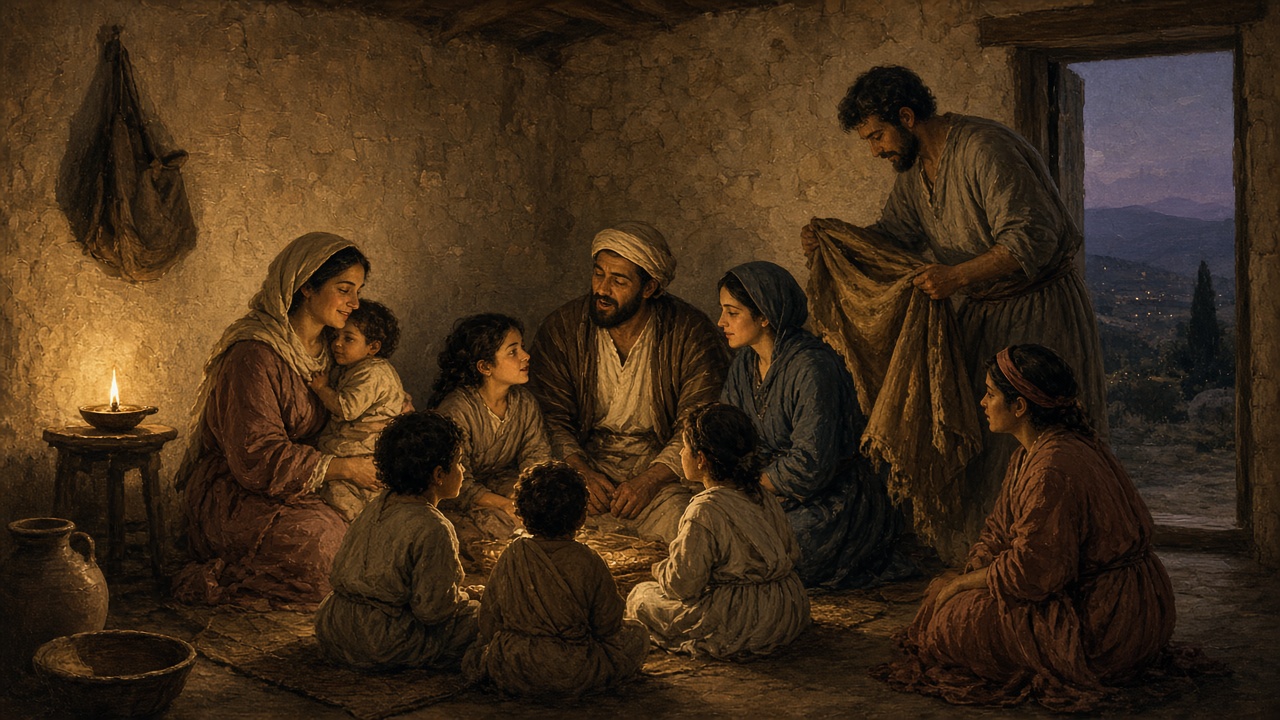
- The chapter then gives instructions for household relationships: wives and husbands, children and parents, and slaves and their earthly masters. Fathers are warned not to provoke their children, so that the children will not become discouraged. Slaves are told to obey with sincerity of heart, not only while they are being watched, and to work with their whole being for the Lord rather than for men, with the promise of an inheritance from the Lord as a reward; whoever does wrong will be repaid, and there is no favoritism.Sources: the Bible text itself
Notes written with AI assistance from open sources (Theographic Bible Metadata, CC BY-SA 4.0; Easton’s Bible Dictionary, public domain) and reviewed before publishing.
Credits and license for this translation
Hona Bible
The New Testament in the Hwana language of Nigeria: Hona Bible
copyright © 2023 The Seed Company in collaboration with Language Developers and Bible Translators Association
Language: Hona (Hwana)
Contributor: Language Developers and Bible Translators
This translation is made available to you under the terms of the
Creative Commons Attribution Share-Alike license 4.0.
You have permission to share and redistribute this Bible translation in any format and to make reasonable revisions and adaptations of this translation, provided that:
You include the above copyright and source information.
If you make any changes to the text, you must indicate that you did so in a way that makes it clear that the original licensor is not necessarily endorsing your changes.
If you redistribute this text, you must distribute your contributions under the same license as the original.
Pictures included with Scriptures and other documents on this site are licensed just for use with those Scriptures and documents.
For other uses, please contact the respective copyright owners.
Note that in addition to the rules above, revising and adapting God's Word involves a great responsibility to be true to God's Word. See Revelation 22:18-19.
2025-07-18
Source: http://ebible.org/hwo/ · eBible.org