Mark 3
Maꞌu · Tap a verse to see its cross-references.
Yesus peꞌie dèu pa lodꞌo pengaha ihi
1Èla pe na ène, ta maho rike Yesus la dꞌara èmu hebꞌajꞌa. Pa ène, ta ngède ke ri Noo, he dèu do made ne kae-ngaꞌa helaa. 2Pa ène lema, era do pèri dèu do kale lai ta pehale Yesus. Ta pehodꞌe hudi-hudi ke Noo ri roo, ngee-ngee ta peꞌie ri Noo ne dèu do pèdꞌa na ène pa lodꞌo pengaha ihi nee.
3Ta pedoe ke ri Yesus ne dèu do made ne kae-ngaꞌa helaa nee, jꞌe lii, mihe ane, “Mai ma titu ma hedꞌapa dꞌee.”
4Ta kebꞌali ke Yesus pa roo harièle, ane Noo, “Ki pedèuu lua petèka agama dii, nengaa leke do ie ta tao pa lodꞌo pengaha ihi? Tao ie, we tao apa? Ta peꞌie dèu dii, we ta pemade dèu?” Bꞌule dꞌo he dèu he do boka ubꞌa.
5Pèdꞌa ne ade Yesus, heleo roo do rihi pekebꞌue lua petèka agama, nga dèu do made ne kae-ngaꞌa helaa. Ta bubu dꞌara ke Yesus, jꞌe kewèle ela heleo roo hari-hari. Ta lii ke Noo pa dèu do pèdꞌa nee, “Pemole ne kae-ngaꞌa èu do made ne!” Ta pemole ke ne kae noo, ta ie dꞌènge ke. 6Ta mèhu èni ke harièle ne do Parisi he ti dꞌara èmu hebꞌajꞌa nee. Ta la pelii ke roo nga dèu ti paratei Herode, ta kale rujꞌara ta pemade Yesus.
Ae ne dèu do pèdꞌa do peꞌie ri Yesus pa ngidi èi lobo
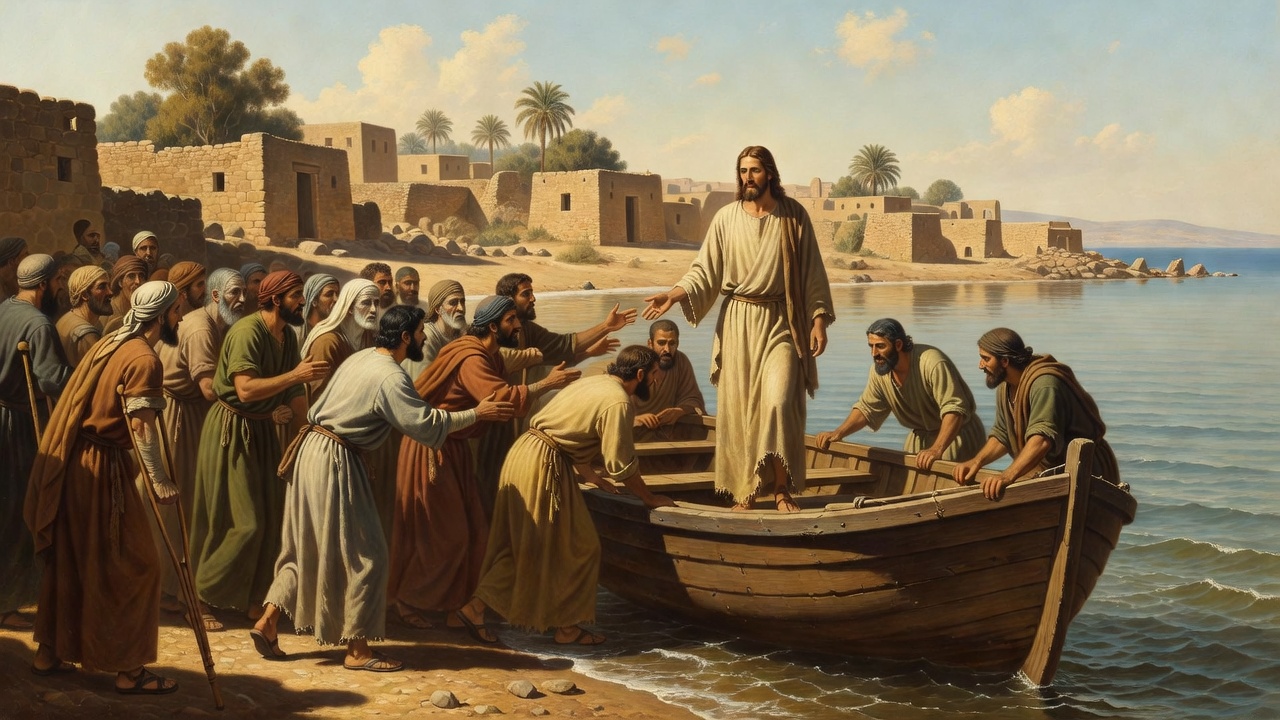
7Pa dꞌara hewari, ta lari èni ke Yesus nga ana ajꞌa Noo la ngidi èi lobo Galilea. Pelai ta do toi ke, ri dèu lowe nengaa ne do èla petao ri Noo, ri mi nahère ae ne dèu do dèka ngati harièle rae-kowa, la pedèue Noo. Era do dèka ti propensi Galilea, propensi Yudea, nga ti propensi Idèuea. Era lema hadꞌe do dèka ngati kota Yerusalem, kota Sidon, nga ti kota Tirus. Era lema do wala, do dèka ti bara dimu loko Yarden. Harièle roo dèka ta la peꞌabu nga Noo. 9Pelai ta rihi ae ne dèu, ta lii ke Noo pa ana ajꞌa Noo, ta pemoke hewue kowa natuu Noo. Ne dꞌèi Noo ta pedai lii ti ra kowa, mijꞌe ta rèngi roo, lema mijꞌe ta ngèdꞌe Noo ri harièle dèu.
10Do uru, ae dèu pèdꞌa do peꞌie ri Noo. Ri mi nahère ke, ae ne dèu pèdꞌa do dèka la perubꞌi ta tade dꞌae ta bꞌuje Noo. 11Ta ngède Yesus ri dèu do maho ri wango he, ta dèka ke roo la mejura pa hedꞌapa Yesus. Jꞌe pekaa roo, mihe ane, “Tèra-tèra Èu ke, ne Ana Deo nee!”
12Tapulara ta lara made ke ri Noo pa roo, mihe ane, “Bꞌole pedai muu nga dèu, ta nadèu Yaa na dꞌee!”
Yesus pidꞌèido henguru do dꞌue ta jadꞌèi ana ajꞌa Noo
13Ta èla pe na ène, ta haꞌe ke Yesus la hewue lede. Ta pedoa ri Noo do pèri dèu do mèdꞌèipa Noo. Ta dèka ke roo nga Noo. 14Ta pidꞌèike ri Noo, do henguru do dꞌue. Jꞌe lii Noo pa roo, “Ne pidꞌèimuu, mijꞌe ta pedèue loro-loro Yaa. Ta pejuu muu ri Yaa, ta la pepeke ne Lii Hagꞌa Dꞌara ngati Deo pa hari-hari dèu. 15Ta wie ri Yaa pa muu ne kuaha, ta hudꞌèiwango ti dꞌara dèu he.”
16Ne do henguru do dꞌue he, ne ngara roo nahee:
Himo (do pehune ne ngara ri Yesus, ta Petu),
Jꞌako,
Johani, (Jꞌako nga ari noo Johani, helaꞌu ta ana ri Sebedeu. Ne ngara roo dꞌue do pehune ri Yesus, ‘Boanerge’, pa dꞌara lii rai dii ‘mi dꞌoro’.)
Anderia,
Pelipu,
Bartolomeo,
Mateo,
Toma,
Jꞌako (ana ri Alpiu),
Tadiu,
Himo (ti paratei Selot),
nga Juda Iskario (do mone pewie Yesus).
Guru agama pehale Yesus nga lii ta Yesus do hèmi kuaha ngati kètu wango
20Ta èla pe na ène, ta puru ke Yesus nga ana ajꞌa Noo ti lede nee. Jꞌe bꞌale la dꞌara èmu. Ta dèka rike ne dèu do rihi ae la pewore Noo, tade dodꞌo bꞌule Yesus he nga awe kehoo ta ngaꞌa. 21Ta toi ri roo mi nahère, ta lii ke roo, “Heleo ko ri muu Yesus. Toi tala dꞌoke ne ngiꞌu Noo.” Ta rèngi ri tuèhu Noo ta do mi nahère, ta dèka ke roo la èbe Noo.
22Pa ène, era lema guru agama do dèka ti Yerusalem, la pedai nga dèu pa ène, mihe ane, “We! Muu he bꞌole pedèue Yesus. Ne iꞌa Noo hudꞌèiwango, ri èla penara kuaha ti kètu wango, do tima ta pale ta Balsebuu.”
23Ta rèngi ri Yesus ne lii pedai roo, ta pedoa ke roo hari-hari, jꞌe lii, “Maho dꞌo la dꞌara pengee dèu! Mi namii ne jadꞌèi kètu wango ne hudꞌe ngiꞌu noo miha! 24Kiri pa dꞌara hewue rai pereda, dèu rai do pana ta pemuhu, mi namii rai pereda na ène ne nara ta kako nga woie! 25Mi nahère lema pa dꞌara hewue èmu, kiri harièle dèu pa dꞌara èmu ne petadi ta pehala, mi namii dꞌara èmu na ène ne nara ta titu nga woie. 26Mi nahère lema ke wango, kiri pemuhu roo nga roo, tatu ta menyèla kebali-bali!
27Kiri era dèu do la boka èmu he dèu do rui, ujꞌe uru ko ne dèu na ène. Èla pe mi nahère, memudꞌe ke noo ne èba bꞌara dèu nee.
28Ta pika dꞌènge Yaa pa muu: Deo do moko ke ta lonye ne hala-ludèudèu. Ki lua peꞌapa ngara dèu he, Deo do ta pehuba ko ma ne hala-ludèuroo. 29Tapulara ki era dèu do bꞌani ta pedai woapa jꞌara lua Hengaa Megala Deo, nara dꞌo ta pehuba ri Deo ne hala noo, hape la lodꞌo namii-mii.”
30Ne pedai Yesus mi nahère, ri èla ke roo pelii ta Yesus do èla pemaho ri wango.
Dèu do jꞌège ne lua do dꞌèi Deo, roo tèra ke ne tuèhu Yesus
31Ta dèka ke ina ri Yesus nga ari Noo he la èmu na ène, ta la peꞌabu nga Noo. Ta titu ke roo pa tele, jꞌe pejuu dèu la pedoe Noo. 32Pa awe na ène, Yesus do mejèdꞌèipedai lii nga dèu lowe he. Ta la pika ke ne dèu pa Noo, mihe ane, “Ama ee. Ina Èu nga ari Èu he, hei pa tele nee. Ne dèka roo ta ma pehapo nga Ama.”
33Tapulara ta bꞌale ke ri Yesus, mihe ane, “Nadèu ke, ne ina Yaa nga tuèhu Yaa do petuu ne?”
34Ta heleo ke ri Noo ne dèu do mejèdꞌèipehero Noo, jꞌe lii, “Muu ke harièle nahee, ne ina nga tuèhu Yaa do petuu. 35Nadèu we ne do jꞌège ne lua do dꞌèi Deo, roo tèra ke ne tuèhu Yaa.”
Did you know?
Crowds, the Twelve, and the charge of Satan
- Several of the men Jesus appointed as the twelve had been fishermen in Galilee. Simon, whom he named Peter, and his brother Andrew were from Bethsaida; James and John, sons of Zebedee, fished in partnership with Peter. Jesus called those brothers Boanerges, “Sons of Thunder”; Easton's Bible Dictionary (1897) says they were probably given that name because of their boldness and energy.Sources: Simon Peter · Andrew · James (Son of Zebedee) · the Bible text itself
- People pressed in from Galilee, Judea, Jerusalem, Idumea, beyond the Jordan, and the region of Tyre and Sidon, having heard what Jesus was doing. Tyre and Sidon were ancient Phoenician cities on the Mediterranean; Sidon lay about twenty-five miles north of Tyre. Under the Romans, Judea was the southernmost of Palestine’s three divisions, set apart from Galilee.Sources: the Bible text itself · Tyre · Sidon · Judea
- Scribes who had come down from Jerusalem said that Jesus was possessed by Beelzebul and that he drove out demons by the prince of the demons. He replied by asking how Satan can drive out Satan. Satan means “adversary” or “accuser”; in the New Testament the name is used interchangeably with the devil, and Easton's Bible Dictionary (1897) also calls him Beelzebub.Sources: the Bible text itself · Satan
Notes written with AI assistance from open sources (Theographic Bible Metadata, CC BY-SA 4.0; Easton’s Bible Dictionary, public domain) and reviewed before publishing.
Places in this chapter
- Galilee · 32.760, 35.527 · verse 7
- Judea · Today: Judea 1 · 31.777, 35.234 · verse 7
- Idumea · 31.525, 35.102 · verse 8
- Jerusalem · 31.777, 35.234 · verses 8, 22
- Jordan · Today: Jordan River · 31.761, 35.558 · verse 8
- Sidon · Today: Sandikli archaeological site in Sidon · 33.561, 35.372 · verse 8
- Tyre · 33.271, 35.196 · verse 8
Only places identified with high confidence are shown (90% or more according to the scholarly sources compiled by OpenBible). Period map: DARE (Digital Atlas of the Roman Empire), CC BY 4.0; modern map: © OpenStreetMap contributors; places: OpenBible.info (CC BY 4.0).
Credits and license for this translation
Maꞌu
The Good News According to Mark in the Hawu language of Indonesia
Injil Menurut Mark dalam bahasa Hawu
copyright © 2016 Unit Bahasa dan Budaya
Language: Hawu
Translation by: Wycliffe Bible Translators
This translation is made available to you under the terms of the
Creative Commons Attribution-No Derivatives license 4.0.
You may share and redistribute this Bible translation or extracts from it in any format, provided that:
You include the above copyright and source information.
You do not make any derivative works that change any of the actual words or punctuation of the Scriptures.
Pictures included with Scriptures and other documents on this site are licensed just for use with those Scriptures and documents.
For other uses, please contact the respective copyright owners.
2022-03-11
Source: http://ebible.org/hvn/ · eBible.org