Revelation 3
Jusiñamui uai: Jusiñamui jito rafue illa rabenico · Tap a verse to see its cross-references.
Cristo Sardimo ite creyentiaɨmo lloga rafue
1Cristo cuemo llote:
—Sardimo ite creyentiaɨmo llollena, nainomo ite llofueraɨmamo cue lluana cueno: “Jusiñamui Joreño cuemo ite. Naimɨe Joreño omoɨna canocabide. Omoɨna sedacabide. Siete ucuduaɨ cuemo jɨaɨ ite. Omoɨ llofueraɨmana ñaɨtɨcue. Omoɨ fɨnoca rafuena uiñotɨcue. ‘Cristona raise ɨɨnotɨcaɨ’ raitomoɨ; iadedɨ omoɨ comecɨaɨmona raise iñedomoɨ. 2Cue dɨbeimo raise dane i. Cuena dane raise ɨɨnocana jai. Cuena jai faɨnonocaiacadomoɨ. Jusiñamui omoɨ fɨnoca rafueri iobiñede. 3Cue rafuena jaie cacajamona, iena ɨɨnotomoɨ. Iedo dane jai. Omoɨ comecɨaɨ iuaina dane meido. Cue dɨbeimo dane raise omoɨ iacaiñenia, fɨɨriraɨma bainino billa isoi, omoɨna duere fɨnollena, ebena biitɨcue. Omoɨ dɨne cue billɨruina uiñoñeitomoɨ. 4Omoɨmona damɨerie jearede rafuena fɨnocana jaiñedɨmacɨ. Jusiñamuimona naimacɨ comecɨaɨ marena jira, cue dɨne naimacɨ illena, userede ɨniroina jɨtaitɨmacɨ. 5Cuena ɨɨnocana jaidɨnodɨ userede ɨniroina jɨtaitɨmacɨ. Cuemo ite rabenicomona naimacɨ mamecɨaɨna doñeitɨcue. Cue illanomo jaca iitɨmacɨ. ‘Naimacɨdɨ cue comɨnɨ’ cue Moomo lloitɨcue. Naimɨe jaɨenisaɨmo iena jɨaɨ lloitɨcue. 6Jusiñamui Joreñomona cue lloga rafue ite, omoɨ creyentiaɨ iena. Bie rafue bu cacajia, iena jɨaɨ ɨɨnua” cueno.
Cristo Filadelfiamo ite creyentiaɨmo lloga rafue
7Cristo cuemo llote:
—Filadelfiamo ite creyentiaɨma llollena, nainomo ite llofueraɨmamo cue lluana cueno: “Mareuidɨmɨedɨcue. Uanaicɨnona jaca llotɨcue. David mɨcorɨ jitona cue illamona, illaɨmana cue illa jira, siño uai cuemo ite. Ie muidona cue jitailla dɨese comɨnɨna feiñotɨcue. Jusiñamui illanomo naimacɨ illena, naimacɨna feiñotɨcue. Cue jitailla dɨese comɨnɨna feiñoñedɨcue. 8Omoɨ fɨnoca rafuena uiñotɨcue. Omoɨna cue canua jira, jaca buna cue rafuena omoɨ lluana itatanide. Jamai bue isoidomoɨ; iadedɨ cue rafuena ɨɨnocana jaidomoɨ. Cuena janoñedomoɨ. 9Omoɨ dɨne damɨerie Taɨfe anamo itɨmacɨ. Naimacɨdɨ judíuaɨ; iadedɨ cue dɨbeimo iñedɨmacɨ. Taɨnona llocabitɨmacɨ. Ero, omoɨ dɨne naimacɨna cue bitatajamona, omoɨna cue isiruillana uiñoitɨmacɨ. Cue dɨbeimo naimacɨ jailla mei, cuemo iobillacɨnona fecaitɨmacɨ. 10Nana cuena ɨɨnoñedɨnona ɨco eo duere fɨnoitɨcue. Iemona cuena naimacɨ ɨɨnoñenana uiñoitɨcue. Omoɨ duere sefuiñellena, naie facaisemona omoɨna jillotaitɨcue. 11Enɨruemo ebena abɨdo biitɨcue. Cuemona ɨbana omoɨ feiñoñeni raillano, cue dɨbeimo ɨɨnocana omoɨ jai. Cue dɨbeimo raise omoɨ jaiñenia, cuemona jɨaɨmɨe omoɨ facaina ɨbana feiñoite. 12Cuena raise ɨɨnotɨno comecɨaɨna ocuiñotaitɨcue. Cue illanomo jaca iitɨmacɨ. Cuemo naimacɨ duilla jira, cue jɨaɨe mamecɨna naimacɨ abɨmo cueitɨcue. Jusiñamui mamecɨna naimacɨ abɨmo cueitɨcue. Jusiñamui illano mamecɨna naimacɨ abɨmo cueitɨcue. Naimɨe illanodɨ comue Jerusaléna mamecɨrede. Naimɨemona, monamona ɨco ana biite. 13Jusiñamui Joreñomona cue lloga rafue ite, omoɨ creyentiaɨ iena. Bie rafue bu cacajia, iena jɨaɨ ɨɨnua” cueno.
Cristo Laodiceamo ite creyentiaɨmo lloga rafue
14Cristo cuemo llote:
—Laodiceamo ite creyentiaɨmo llollena, nainomo ite llofueraɨmamo cue lluana cueno: “Siño Jitodɨcue. Cue lloga uaina jaca fɨnocabidɨcue. Uanaicɨnona jaca llocabitɨcue. Cue uaido Jusiñamui nana fɨnode. Nana comuitate. 15Omoɨ fɨnoca rafuena uiñotɨcue. Cue rafuedo jaillana nia faɨnonocaiñedomoɨ; ia cue rafuedo eo raise jaiñedomoɨ. Janore ɨɨnocana jaidomoɨ. 16Omoɨ fɨnoca rafuena cue gaɨñena jira, cuemona omoɨna oni dotaitɨcue. 17‘Ucuberedɨcaɨ’ raitomoɨ. ‘Raruiaɨredɨcaɨ. Nana caɨ jitailla ra caɨmo ite’ raitomoɨ. Cuemona iese iñedomoɨ. Cuemona dueredomoɨ; ia iena uiñoñedomoɨ. Cuemona caɨmare iñedomoɨ. Cuena omoɨ raise ɨɨnoñena jira, uisɨnidɨno isoidomoɨ. Taɨmɨedomoɨ isoidomoɨ. 18Ie jira omoɨna dajerie rafuena llofueitɨcue. Cuemona omoɨ eo duerena jira, omoɨ comecɨaɨ raise iñena jira, omoɨmo fɨebidɨcɨnona cuemo jɨca. Cuemona ono. Omoɨ duenillena, cuemona eo mare oro isoide rana ono. Omoɨ taɨmɨeñelle isoiñellena, cuemona omoɨ meiruiñellena, userede ɨniroi isoide ra cuemona ono. Omoɨ uisɨna cɨoille isoillena, cuemona manue ono. Omoɨ comecɨaɨna ñaɨtɨcue. Cuena raise omoɨ ɨɨnoia, buena omoɨ comecɨaɨmo fɨebiñeite. 19Cue isiruigano cue dɨbeimo raise illena, naimacɨmo rɨire llocabitɨcue. Cue uaina naimacɨ ɨɨnollena, naimacɨna jɨaɨ duere fɨnocabidɨcue. Ie jira cue dɨbeimo raise omoɨ i. Jeacɨno omoɨmo ia, iena faɨnonocai. 20Ero, nase tutɨcue isoidɨcue. Bu cuena cacajia, cue fo billena cuena uaidoia, nasena bu econoia, fo jaitɨcue. Naimɨena nabaillanona, naimɨe dɨga guitɨcue. Omoɨ comecɨaɨna ñaɨtɨcue. Cue rafuena omoɨ cacaja mei, iena omoɨ ɨɨnoia, cuena feiñoitomoɨ. Iemona coninɨ nabaitɨcaɨ. 21Enɨruemo cue Moo jitailla rafuena jaie cue fuidua mei, naimɨe ecɨmo abɨdo jai itɨcue. Cueri naimɨe iobillamona, illaɨmana cue illamona, naimɨe ecɨmo jai itɨcue. Ie isoide. Cuena raise ɨɨnotɨno monamo cue ecɨmo itataitɨcue. Cue comɨnɨna naimacɨ illa jira, naimacɨna iobitallena, cue ecɨmo naimacɨna nabaitɨcue. 22Jusiñamui Joreñomona cue lloga rafue ite, omoɨ creyentiaɨ iena. Bie rafuena bu cacajia, iena jɨaɨ ɨɨnua” cueno.
Did you know?
Letters to Sardis, Philadelphia, and Laodicea
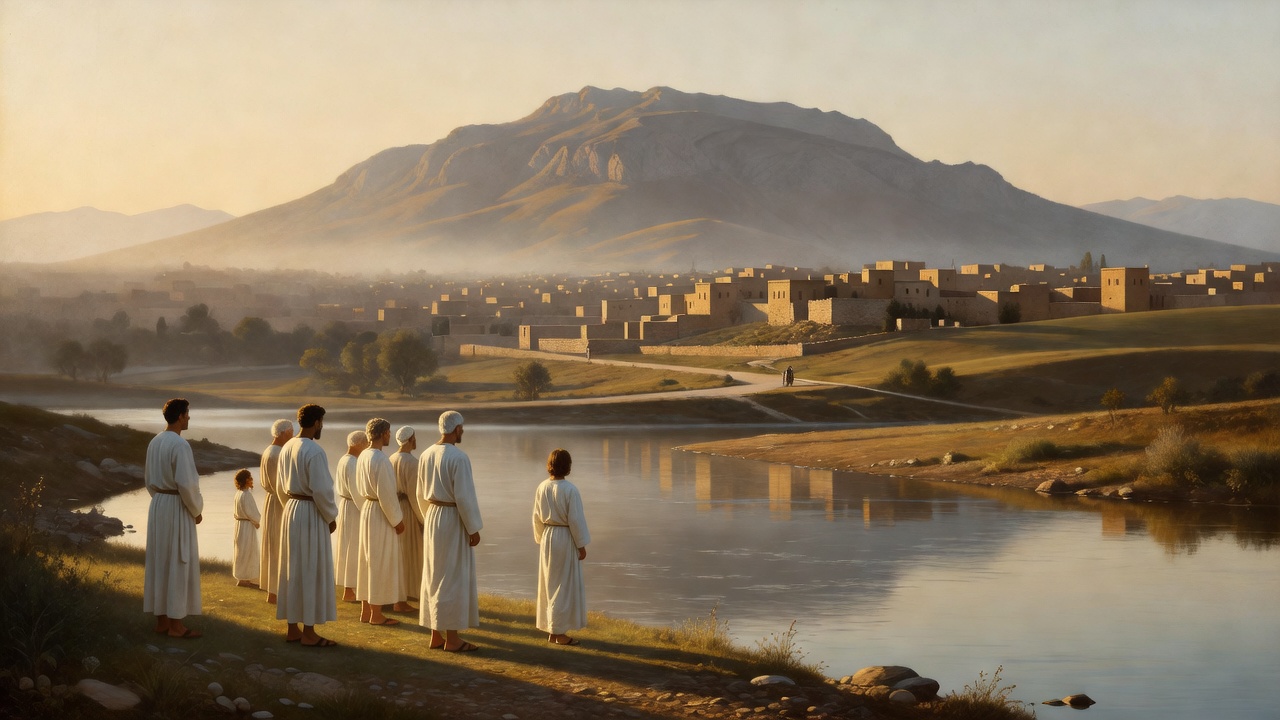
- Revelation 3 is a set of letters to churches in three cities of Asia Minor. Sardis, the metropolis of Lydia, stood on the river Pactolus at the foot of Mount Tmolus. Philadelphia, a name that means “brotherly love,” lay about twenty-five miles southeast of Sardis, while Laodicea stood on the Lycus, where Phrygia and Lydia meet, about forty miles east of Ephesus.Sources: Sardis · Philadelphia · Laodicea · the Bible text itself
- Laodicea was first called Diospolis and then Rhoas. It was later named Laodicea after Laodice, the wife of Antiochus II, king of Syria, who rebuilt it. Easton's Bible Dictionary (1897) calls it one of the most important and flourishing cities of Asia Minor and an early leading center of Christianity; in the letter, that church is said to claim that it is rich, has grown wealthy, and needs nothing.Sources: Laodicea · the Bible text itself
- The letter to Philadelphia speaks of a “synagogue of Satan” and of people who claim to be Jews but whom it calls liars. Satan means “adversary” or “accuser,” and in the New Testament the name is used interchangeably with the devil.Sources: Satan · the Bible text itself
Notes written with AI assistance from open sources (Theographic Bible Metadata, CC BY-SA 4.0; Easton’s Bible Dictionary, public domain) and reviewed before publishing.
Places in this chapter
- Sardis · 38.488, 28.040 · verses 1, 4
- Philadelphia · Today: Alaşehir · 38.350, 28.517 · verse 7
- Jerusalem · 31.777, 35.234 · verse 12
- Laodicea · Today: Laodicea on the Lycus · 37.836, 29.108 · verse 14
Only places identified with high confidence are shown (90% or more according to the scholarly sources compiled by OpenBible). Period map: DARE (Digital Atlas of the Roman Empire), CC BY 4.0; modern map: © OpenStreetMap contributors; places: OpenBible.info (CC BY 4.0).
Credits and license for this translation
Jusiñamui uai: Jusiñamui jito rafue illa rabenico
New Testament in Huitoto, Murui (PE:huu:Huitoto, Murui)
copyright © 2008 Wycliffe Bible Translators, Inc.
Language: Huitoto, Murui
Translation by: Wycliffe Bible Translators, Inc.
Huitoto, Murui [huu], Peru
Copyright Information
© 2008, Bible League International. All rights reserved.
This translation text is made available to you under the
terms of the Creative Commons License: Attribution-Noncommercial-No Derivative Works.
( http://creativecommons.org/licenses/by-nc-nd/3.0/ )
In addition, you have permission to port the text to different file formats, as long as you
do not change any of the text or punctuation of the Bible.
You may share, copy, distribute, transmit, and extract portions
or quotations from this work, provided that you include the above copyright
information:
You must give Attribution to the work.
You do not sell this work for a profit.
You do not make any derivative works that change any of the actual words or punctuation of the Scriptures.
Permissions beyond the scope of this license may be
available if you contact
us with your request.
The New Testament
in Huitoto, Murui
© 2008, Wycliffe Bible Translators, Inc. All rights reserved.
This translation is made available to you under the terms of the
Creative Commons Attribution-Noncommercial-No Derivatives license 4.0.
You may share and redistribute this Bible translation or extracts from it in any format, provided that:
You include the above copyright and source information.
You do not sell this work for a profit.
You do not change any of the words or punctuation of the Scriptures.
Pictures included with Scriptures and other documents on this site are licensed just for use with those Scriptures and documents.
For other uses, please contact the respective copyright owners.
2014-04-25
Source: http://ebible.org/huuNT/ · eBible.org