Luke 2
Jusiñamui uai: Jusiñamui jito rafue illa rabenico · Tap a verse to see its cross-references.
Jesús jeicɨa rafue
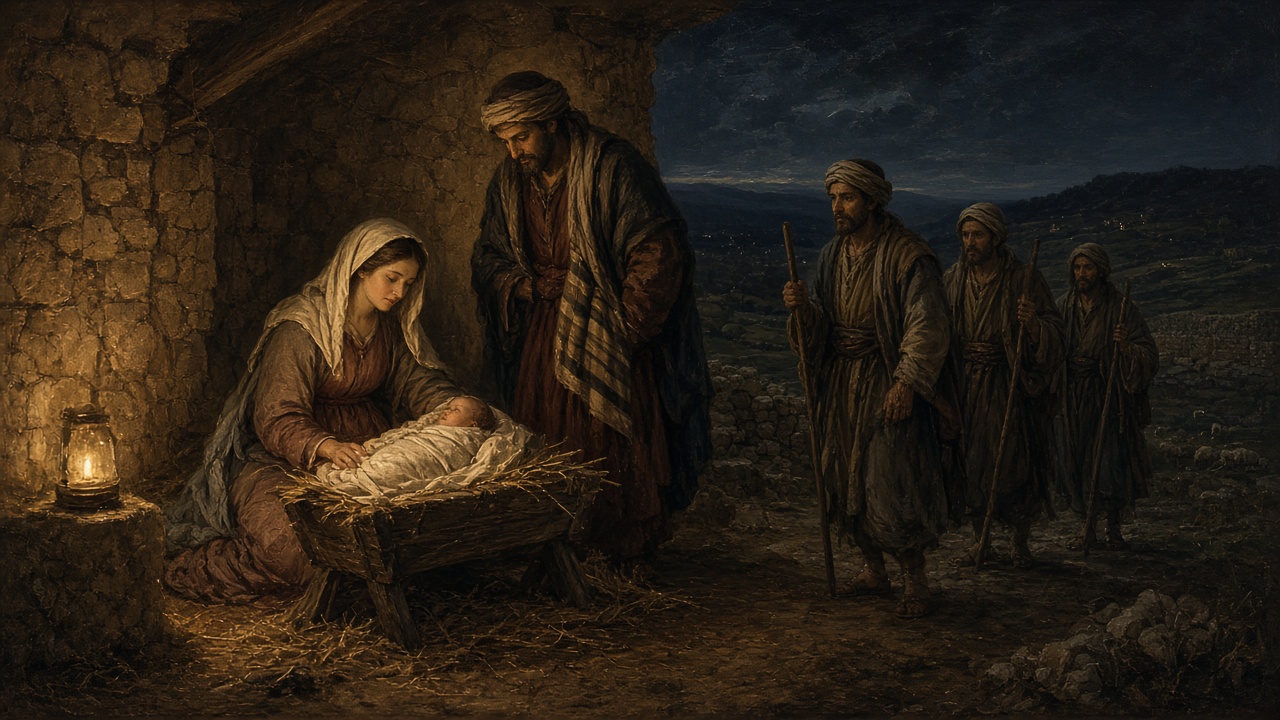
1Jesús jeicɨa facaise César Augusto anamo ailluena naɨraɨaɨ ite. Romamona naimacɨna sedauide. Naie facaise Siria railla enɨrue gobernadordɨ Cirenio. César Augusto, nɨe dɨese comɨnɨ naga naɨraɨmo illana naimɨe uiñollena, nana comɨnɨ mamecɨaɨ cuellena ocuide. Jaca bu iese jaie fɨnoñede. 3Naimacɨ jaiagaɨ illanomo mamecɨaɨ cuiana ocuide. 4Ie jira José Galileamona Nazaretmona jaide. Judeamo Belémo jaide. David mɨcorɨ comɨnɨmo naimɨe jaɨnaɨaɨlla jira, David mɨcorɨ illanomo jaide. 5Ie aɨ María dɨga jaide. Naiñaiño fenaɨ jai eo aillue. 6Belémo iaɨmaiaɨ rillanona, naie facaise comɨnɨ jofomo ɨnɨllɨno iñena jira, jurareta jofomo ridɨiaɨmaiaɨ. Nainomo ie doforato jito jeicɨte. Jocua mei, ɨniroina naimɨena ferɨnote. Ie jito ɨnɨllena, jurareta ecaranomo naimɨena jonete.
Jusiñamui jaɨenisaɨ toɨca llaudaɨaɨ sedaraɨnɨ dɨne jailla rafue
8Jesús jeicɨa facaise naie naɨo Belén ecɨmo ite pastomo damɨerie toɨca llaudaɨaɨna sedaraɨnɨ itɨmacɨ. Naimacɨ toɨnɨaɨna sedadɨmacɨ. 9Ieconi caɨ Nama Jusiñamuimona daje jaɨenicɨ naimacɨmo ebena bairede. Jusiñamui ie siño uai dɨga naimacɨna quetiñote. Jacɨnaitɨmacɨ. 10Jaɨenicɨ llote:
—Jacɨnaiñeno. Mare rafue lloiacadɨcue. Nana comɨnɨna iobitallena, iena lloiacadɨcue. 11David mɨcorɨ illanomo damɨe como jeicɨga. Jusiñamui facaina lloraɨnɨ mɨcorɨaɨ naimɨe billena jaie llouidɨmacɨ. Naimɨedɨ Cristo caɨ Nama. Naimɨe omoɨ Jilloitaraɨma. Jeacɨnomona omoɨna jillotaite. 12Naimɨena jɨbuisai. Ɨniroina ferɨnoga urue jurareta jofomo imacɨ ecaranomo baitomoɨ. Iemona cue lluana uanaicɨnona uiñoitomoɨ —llote.
13Ie facaise naie jaɨenicɨ dɨne ailluena jaɨenisaɨ bitɨmacɨ. Jusiñamuimo iobillacɨnona fecajano rotɨmacɨ:
14Monamo Jusiñamui illanona, naimɨemo iobillacɨnona fecaacadɨcaɨ.
Comɨnɨna naimɨe duenaillamona, naimɨe dɨga uri iitɨmacɨ
rotɨmacɨ. Ie mei abɨdo jaidɨmacɨ.
15Monamo jaɨenisaɨ jailla mei, toɨca llaudaɨaɨ sedaraɨnɨ coninɨri ñaɨtɨmacɨ:
—Belémo mai caɨ jaillɨ, caɨ Nama caɨmo como lloga rafuena caɨ jɨbuisaillena.
16Ieconi raɨre jaidɨmacɨ. María José dɨga baitɨmacɨ. Iaɨmaiaɨ urue jurareta ecaranomo bɨillana cɨodɨmacɨ. 17Naimɨena cɨua mei, nana naimacɨmo jaɨenicɨ lloga rafuena llotɨmacɨ. 18Nana naie rafuena cacadɨnodɨ ieri raijicaidɨmacɨ. 19Iaɨmaiaɨ uruena cɨua mei, llaudaɨaɨ sedaraɨnɨ imacɨ toɨnɨaɨ dɨne abɨdo jaidɨmacɨ. Naimacɨmo jaɨenicɨ llua isoi naimacɨmo suilla jira, iobidɨmacɨ. Nana naimacɨ cacaja rafueri, nana naimacɨ cɨua rafueri Jusiñamuimo iobillacɨnona fecadɨmacɨ. María naie rafuena feitañede; ia iena comecɨna facauide.
Jerusalémo Jusiñamui jofomo Jesúna iaɨmaiaɨ uilla rafue
21Ocho dɨgarui illanona, naie urue abɨna dete. Ie ei jeraimo naimɨe nia comuiñenia, Jusiñamui jaɨenicɨ naimɨe lloga mamecɨna jɨtade. Jusiñamui jaɨenicɨ llua isoi, Jesúna ie mamecɨna jɨtade.
22Moisés mɨcorɨ jaie llua isoi Jerusalémo Jesúna uitɨiaɨmaiaɨ. Moisés mɨcorɨ jaie cuete: “Cuarenta dɨgarui jocua mei, Jusiñamuimona rɨño marena illena, Jusiñamuimo mena fɨcɨri naiñaiño fecaja. Jusiñamui dɨga ñaɨraɨma iena faja mei, rɨño facaina Jusiñamuimo jobaica”. Jɨaɨ cuete: “Naga nano doforamɨedɨ Jusiñamui ie. Ie muidona naimɨe facaina Jusiñamuimo ucubena fecaja”. Ie muidona Jerusalémo Jesús dɨga jaidɨiaɨmaiaɨ.
25Naie facaise Jerusalémo Simeón raillamɨe ite. Jusiñamuimona naimɨedɨ mareuidɨmɨe. Jusiñamuina eo ɨɨnocana jaide. Naimɨe comɨnɨna Cristo jilloitallena, Cristo billemo ocuiride. Naie facaise Jusiñamui Joreño anamo naimɨe ite. 26Iemona Jusiñamui Joreñodɨ, naimɨena Cristona cɨoillena, navui uicodo uiñotade. O nia fiodaiñenia, Cristona cɨoitɨo raillanona llote. 27Jusiñamui jofomo Jusiñamui Joreño naimɨena oretate. Jusiñamuimo Jesúna fecallena, Jesús ei, José dɨga, Jesúna fo uillana Simeón cɨode. 28Naimacɨ dɨne jaillanona, Jesúna meniñote. Jusiñamuimo iobillacɨnona fecajano jɨɨde:
29Nama, o anamo itɨcue.
Cuemo o lloga uai jai suilla jira, uri fiodaitɨcue.
30O oretaga Jilloitaraɨmana jai cɨodɨcue.
31Naimɨena oredɨo, nana comɨnɨ jilloillena.
32Naimɨedɨ judíuaɨñedɨnona uanaicɨnona uiñotaite.
O comɨnɨna iobitaite
jɨɨde. 33Iena cacajamona, iaɨmaiaɨ jitona lloga uairi raijicaidɨiaɨmaiaɨ. 34Simeón iaɨmaiaɨmo caɨmaredɨcɨnona llote:
—Jusiñamui omoɨna raise canoite —llote.
Maríamo llote:
—Ero, ie rafuena llollena, Jusiñamui o jitona jai fetode. Naimɨe illamona, comɨnɨ comecɨaɨna facajacɨnona uiñotaite. Naimɨemo suille rafuemona o comecɨ sure iite. Caɨ comɨnɨmona ailluena naimɨena jitaiñeitɨmacɨ. Ailluena jitaitɨmacɨ.
36Nairuido Jusiñamui jofomo Ana railla fecɨño ite. Jusiñamui naiñaiñomo lloga rafuena llouide. Naiñaiño moo Fanuel mɨcorɨ. Naiñaiño naɨraɨdɨ Aser. Jitaɨño facaisemona ie ɨni dɨga siete años illanona, naimɨe fiodaite. 37Naiñaiño jai eo uaɨcɨño. Ochenta y cuatro años naiñaiñodɨ jai ite. Jusiñamui jofomo jaca isoide. Nagarui Jusiñamuimo jɨɨanona guicabiñeno naimɨena sedauide.
38Simeón ñaɨana cacajano, naiñaiño Jesús comɨnɨ dɨne billano, Jusiñamuimo iobillacɨnona fecade. Naimɨe billemo naimacɨ ocuirilla jira, naiñaiño naimacɨ Jilloitaraɨmana nainomo itɨnomo llocana uite.
Nazaretmo abɨdo naimacɨ jailla rafue
39Moisés mɨcorɨ lloga uai naimacɨ fuidua mei, Jesúna uillanona, Galileamo Nazaretmo naimacɨ illanomo abɨdo jaidɨiaɨmaiaɨ. 40Nainomo Jesús sairicana maɨricana jaide. Eo abɨna uiñote. Naimɨeri iobillamona, Jusiñamui naimɨena canouide.
Jerusalémo Jusiñamui jofomo Jesús illa rafue
41Naga año Jerusalémo pascua railla rafue dɨne Jesús moo iaɨmaiaɨ jaisoidɨiaɨmaiaɨ. Egiptomona naimacɨ jaiagaɨ jillobillana comecɨllena, naie rafue ite. 42Naimɨemo doce años illa facaise Jerusalémo iaɨmaiaɨ jaisoilla isoi, jaidɨiaɨmaiaɨ. Naimɨe doce años illa jira, Jesúna uitɨiaɨmaiaɨ. 43Rafue fuilla mei, abɨdo bitɨiaɨmaiaɨ. Ailluena comɨnɨ jɨaɨ billa jira, Jesús billana raise uiñoñedɨiaɨmaiaɨ. “Caɨ comɨnɨ dɨga naimɨe bite” raillanona comecɨna facadɨiaɨmaiaɨ; ia Jesús Jerusalémo fɨebide. Darui raifi billa mei, iaɨmaiaɨ comɨnɨmo naimɨena eo jenodɨiaɨmaiaɨ. 45Baiñena jira, ɨnɨa mei, Jerusalémo darui jaillanona, abɨdo jaidɨiaɨmaiaɨ. 46Ie are Jusiñamui jofomo naimɨena baitɨiaɨmaiaɨ. Moisés mɨcorɨ llogacɨnona llofueraɨnɨ motomo naimɨe ite. Naimacɨ llofuiana cacade. Iena naimacɨ dɨga jɨaɨ siadote. 47Nana cacadɨno naimɨe uiñogacɨnori raijicaidɨmacɨ. Naimɨe raise siadogacɨnori jɨaɨ raijicaidɨmacɨ. 48Naimɨena iaɨmaiaɨ baia, raijicaidɨiaɨmaiaɨ. Ie ei naimɨemo jɨcanote:
—¿Bue ñellena cocona duere fɨnodɨo? O moocama dɨga ona eo duere jenodɨcoco.
49Naimɨe uai ote:
—¿Bue ñellena cuena duere jenodomɨco? Cue Moo jofomo naimɨe rafuena fɨnodɨcue. ¿Nɨese bene cue illana uiñoñedomɨco?
50Naimɨe lluana raise cacaiñedɨiaɨmaiaɨ. 51Iemei iaɨmaiaɨ dɨga Nazaretmo naimɨe abɨdo jaide. Iaɨmaiaɨ uai ɨɨnuanona, iaɨmaiaɨ anamo ite. Ie ei María nana naie rafue ie comecɨmo facauide. 52Naimɨe sairicana abɨna uiñocana jaide. Jusiñamui naimɨeri iobide. Comɨnɨ dɨnena naimɨena jɨaɨ gaɨdɨmacɨ.
Did you know?
The Birth and Early Years of Jesus
- Luke places Jesus’ birth at the time of a decree from Caesar Augustus that a census be taken of the whole empire. Augustus was the cognomen of the first Roman emperor, C. Julius Caesar Octavianus; the title, meaning “majesty” or “venerable,” was first given by the senate. Luke calls this the first census while Quirinius was governor of Syria—Cyrenius being the Greek form of Publius Sulpicius Quirinus.Sources: the Bible text itself · Augustus · Cyrenius
- Joseph lived in Nazareth in Galilee, and he went up from there to Judea, to Bethlehem, the city of David, because he belonged to David’s house and line. Bethlehem lies in the hill country of Judah and was David’s own city: David, the eighth and youngest son of Jesse, was a citizen of Bethlehem. Mary, pledged to Joseph in marriage and expecting a child, traveled with him to register.Sources: the Bible text itself · Joseph (Mary's Husband) · Bethlehem · David
- When the time of purification required by the Law of Moses was complete, the parents brought the child to Jerusalem to present him to the Lord, offering a pair of turtledoves or two young pigeons. In the temple they met Simeon and Anna, a prophetess, daughter of Phanuel, of the tribe of Asher. She had been married for seven years and then was a widow to the age of eighty-four, and she never left the temple, worshiping night and day, fasting and praying.Sources: the Bible text itself · Anna
Notes written with AI assistance from open sources (Theographic Bible Metadata, CC BY-SA 4.0; Easton’s Bible Dictionary, public domain) and reviewed before publishing.
Places in this chapter
- Syria · Today: Syria 2 · 33.511, 36.306 · verse 2
- Bethlehem · 31.704, 35.208 · verses 4, 11, 15
- Galilee · 32.760, 35.527 · verses 4, 39
- Judea · Today: Judea 1 · 31.777, 35.234 · verse 4
- Nazareth · 32.702, 35.298 · verses 4, 39, 43, 51
- Jerusalem · 31.777, 35.234 · verses 22, 25, 38, 41, 42, 43, 45
Only places identified with high confidence are shown (90% or more according to the scholarly sources compiled by OpenBible). Period map: DARE (Digital Atlas of the Roman Empire), CC BY 4.0; modern map: © OpenStreetMap contributors; places: OpenBible.info (CC BY 4.0).
Credits and license for this translation
Jusiñamui uai: Jusiñamui jito rafue illa rabenico
New Testament in Huitoto, Murui (PE:huu:Huitoto, Murui)
copyright © 2008 Wycliffe Bible Translators, Inc.
Language: Huitoto, Murui
Translation by: Wycliffe Bible Translators, Inc.
Huitoto, Murui [huu], Peru
Copyright Information
© 2008, Bible League International. All rights reserved.
This translation text is made available to you under the
terms of the Creative Commons License: Attribution-Noncommercial-No Derivative Works.
( http://creativecommons.org/licenses/by-nc-nd/3.0/ )
In addition, you have permission to port the text to different file formats, as long as you
do not change any of the text or punctuation of the Bible.
You may share, copy, distribute, transmit, and extract portions
or quotations from this work, provided that you include the above copyright
information:
You must give Attribution to the work.
You do not sell this work for a profit.
You do not make any derivative works that change any of the actual words or punctuation of the Scriptures.
Permissions beyond the scope of this license may be
available if you contact
us with your request.
The New Testament
in Huitoto, Murui
© 2008, Wycliffe Bible Translators, Inc. All rights reserved.
This translation is made available to you under the terms of the
Creative Commons Attribution-Noncommercial-No Derivatives license 4.0.
You may share and redistribute this Bible translation or extracts from it in any format, provided that:
You include the above copyright and source information.
You do not sell this work for a profit.
You do not change any of the words or punctuation of the Scriptures.
Pictures included with Scriptures and other documents on this site are licensed just for use with those Scriptures and documents.
For other uses, please contact the respective copyright owners.
2014-04-25
Source: http://ebible.org/huuNT/ · eBible.org