James 2
Jusiñamui uai: Jusiñamui jito rafue illa rabenico · Tap a verse to see its cross-references.
Nana comɨnɨmo comecɨaɨna lloitaiacadɨcaɨ
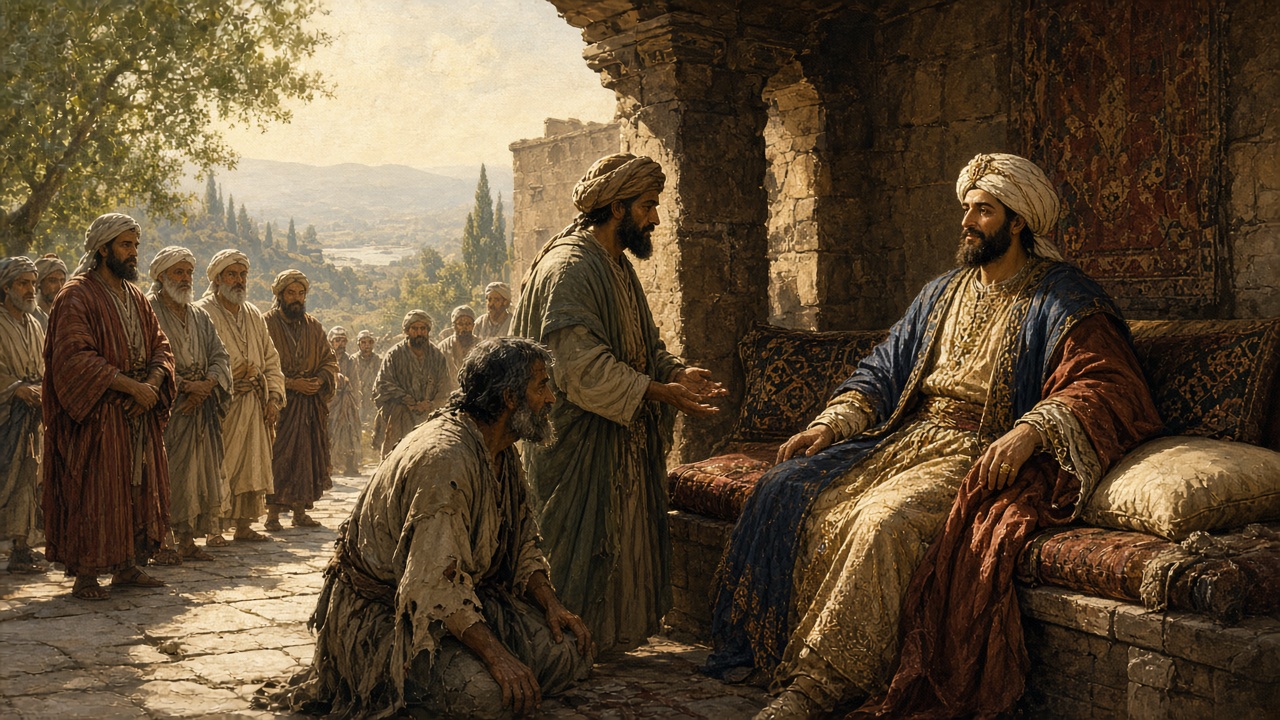
1Amatɨaɨ, caɨ Nama Jesucristo uai eo ebirede. Naimɨena omoɨ ɨɨnua jira, naimacɨmo daje isoi comecɨaɨ lloillamona, nana comɨnɨna daje isoi nafue. 2Ero, omoɨ roracomo mena ɨima bia, ¿nɨe ɨimana nafueitomoɨ? Damɨe ucuberedɨmɨe. Naimɨemo oro ie anillos ite. Eo mare ɨniroina jɨtade. 3Ucuberedɨmɨemo llotomoɨ: “Baɨ bene bancomo raɨ”. Dueredɨmɨemo llotomoɨ: “Baɨ bene naidai. Raɨacania, enɨruemo raɨ”. 4Iese omoɨ lloia, damɨena jai raise nafuetomoɨ; ia damɨena jai raise nafueñedomoɨ. Iaɨmaiaɨ ɨniroimo omoɨ eruaɨllamona, nafuetomoɨ. Mare rafuemo comecɨaɨna facañedomoɨ.
5Cue isiruiga amatɨaɨ, cacarei. Jusiñamuidɨ dueredɨnona fetode. Comɨnɨmona dueredɨmacɨ; ia Jusiñamuimona duenidɨmacɨ, naimɨena naimacɨ eo ɨɨnua illa jira. Naimɨena naimacɨ isiruilla jira, naimɨe comɨnɨna jai jaidɨmacɨ. Naie isoidɨnomo jai llote: “Omoɨmo cue illanona iitɨcue”. 6Ero, Jusiñamui dueredɨnona nafuete; iadedɨ dueredɨmɨena jai nafueñedomoɨ. Dueredɨnomona duere sefuiñedomoɨ; ia dueredɨmɨena jai duere fɨnodomoɨ. Ucuberedɨnomona duere sefuicabidomoɨ; ia ucuberedɨmɨena raise nafuetomoɨ. Maɨjɨtallena, juez dɨne ucuberedɨno omoɨna uitatatɨmacɨ, omoɨna llogɨdollena. Dueredɨno iese omoɨna fɨnoñedɨmacɨ; ia ucuberedɨnodɨ iena fɨnocabidɨmacɨ. 7Cristomo omoɨ jaɨnaɨaɨllamona, ucuberedɨno naimɨena jeare jɨaɨ ñaɨtɨmacɨ.
8“Cristo llogacɨno fɨnodɨcaɨ” raillanomo comecɨaɨna facajamona ucuberedɨmɨena omoɨ nafueia, cuemona mare. Cristo naiena iese caɨmo llote: “O jofo ecɨmo itɨnona isirui, dama o abɨna o isiruilla isoi”. Iese omoɨ ia, cuemona mare; 9iadedɨ nana comɨnɨna daje isoi omoɨ nafueñenia, jeacɨnona jai fɨnodomoɨ. Jai Jusiñamui llogacɨnona ɨɨnoñedomoɨ. Jusiñamui llogacɨnomona jai maraiñeno itomoɨ. 10Nana Jusiñamui llogacɨnuaɨmona daje llogacɨnona omoɨ ɨɨnoñenia, Jusiñamuimona nana naie llogacɨnuaɨna jai ɨɨnoñedomoɨ. 11Jusiñamui caɨmo jai llote: “O aɨñede rɨño dɨga iñeno. O ɨniñede ɨima dɨga iñeno”. Jɨaɨ llote: “Jɨaɨmɨena meineñeno”. O aɨñede rɨño dɨga iñedɨo; iadedɨ jɨaɨmɨena o meineia, nana Jusiñamui llogacɨnuaɨ jai ɨɨnoñedɨo. 12Jɨaɨruido Jusiñamuidɨ juez isoi omoɨmo lloite. Omoɨ comecɨaɨmo itɨcɨno dɨese omoɨmo lloite. Ie jira marena ñaɨno. Marena i. 13Ero, omoɨmo naimɨe lloia, jɨaɨe comɨnɨna omoɨ birui duenaiñenia, Jusiñamui naie facaise omoɨna duenaiñeite. Omoɨmo rɨire lloite. Omoɨna duere fɨnoite; iadedɨ jɨaɨe comɨnɨna birui omoɨ duenaia, Jusiñamui naie facaise omoɨna jɨaɨ duenaite. Duere sefuillena omoɨmo lloñeite.
Jusiñamuina caɨ ɨɨnuamona, dɨga rafuena caɨ fɨnua
14Amatɨaɨ, “Jusiñamuina ɨɨnotɨcue” raitɨmɨedɨ mare rafuena jaca fɨnoñenia, ¿nɨese naie ɨɨnoracɨnodɨ naimɨena jillotaite? Jillotañeite. 15Jɨaɨe rafuedo iena lloitɨcue. Omoɨmona daje creyente ɨniroinia, guille iñenia, 16naie creyente omoɨ dɨne bia, naimɨemo omoɨ lloia: “Mai jai. Rosiruiñeno. Marena ailluena guiño”; ia naimɨemo jaca buena omoɨ fecañenia, ¿bue ñellena iese naimɨemo raitomoɨ? 17Ero, Jusiñamui omoɨ ɨɨnuamona mare rafuena omoɨ fɨnoñenia, omoɨ ɨɨnoracɨno ieñede. 18Omoɨmona damɨe cuemo nɨbaɨ lloite: “Jusiñamuina raise ɨɨnotɨcue”. Jɨaɨmɨe cuemo nɨbaɨ lloite: “Mare rafuena fɨnocabidɨcue”. Iaɨmaiaɨmo lloitɨcue: “Jusiñamuina caɨ raise ɨɨnoia, mare rafuena fɨnocabitɨcaɨ. Mare rafuena caɨ fɨnuamona, Jusiñamuina caɨ raise ɨɨnuana uiñoitɨcaɨ”. 19Dajede Jusiñamuidɨ illana ɨɨnotɨo. Iena o ɨɨnuano, mare; iadedɨ jananɨaɨ iena jɨaɨ ɨɨnotɨmacɨ. Ie jira Jusiñamuina jacɨruitɨmacɨ. 20“Jusiñamuina raise ɨɨnotɨcue” nɨbaɨ nia raitɨo. Abɨna raise nia uiñoñedɨo. Mare rafue o jɨaɨ fɨnoñenia, dama abɨ o ɨɨnoracɨnodɨ ieñede. 21¿Nɨese Jusiñamuimona caɨ usuma Abraham mɨcorɨdɨ marebicaide? Naimɨedɨ mare rafuena fɨnuamona marebicaide. Jusiñamui jitailla rafuena naimɨe fɨnuamona, faga ocaina isoi, naimɨedɨ Jusiñamuimo ie jitona fecade. Naimɨe jitodɨ Isaac mɨcorɨ. 22Abraham mɨcorɨ ɨɨnote. Mare rafuena jɨaɨ fɨnode. Mare rafue naimɨe fɨnuamona, naimɨe jai raise ɨɨnote. 23Iemona Jusiñamui ie llogacɨno suide. Iena Moisés mɨcorɨ cuete: “Abraham mɨcorɨ Jusiñamuina ɨɨnote. Ie jira Jusiñamuimona naimɨe marebicaide”. Jɨaɨ cuete: “Naimɨedɨ Jusiñamui nabai”. 24Abraham mɨcorɨ rafuemona daje rafuena uiñotɨcaɨ. Dama ie ɨɨnoracɨno dɨga jaca bu marebicaiñede; iadedɨ Jusiñamuina ɨɨnuano, mare rafuena fɨnuano, marebicaide. 25Jɨaɨe rafuedo iena lloitɨcue. Jaie Rahab raillañaiño ite. Naiñaiño calliredɨñaiño. Mare rafuena fɨnuano, naiñaiñodɨ Jusiñamuimona marebicaide. Naiñaiñodɨ ie jofomo Josué ie rafuena uiraɨmaiaɨna feiñote. Naiñaiño naɨraɨdɨ iaɨmaiaɨna meinellena jenodɨmacɨ. Meineñellena, naiñaiño iaɨmaiaɨna reide. Ie mei iaɨmaiaɨna bainino oretate. Mare rafuena naiñaiño fɨnuamona, Jusiñamuimona naiñaiño marebicaide. 26Ero, bumo ie joreño jai iñenia, cajeñede. Ie isoide. Mare rafue bu fɨnoñenia, ie ɨɨnoracɨnodɨ ieñede.
Did you know?
Impartiality and Living Faith
- James recalls that Abraham was justified by offering his son Isaac on the altar, his faith working with his actions and perfected by what he did. Isaac, the only son of Abraham by Sarah, was the one God commanded Abraham to offer as a sacrifice on a mountain in the land of Moriah.Sources: the Bible text itself · Isaac
- James also cites Rahab the prostitute, justified by welcoming the spies and sending them off on another route. The two spies, sent by Joshua while the Hebrews were encamped at Shittim opposite Jericho, had gone to her house, faced danger in the city, and were saved by her fidelity.Sources: the Bible text itself · Rahab
Notes written with AI assistance from open sources (Theographic Bible Metadata, CC BY-SA 4.0; Easton’s Bible Dictionary, public domain) and reviewed before publishing.
Credits and license for this translation
Jusiñamui uai: Jusiñamui jito rafue illa rabenico
New Testament in Huitoto, Murui (PE:huu:Huitoto, Murui)
copyright © 2008 Wycliffe Bible Translators, Inc.
Language: Huitoto, Murui
Translation by: Wycliffe Bible Translators, Inc.
Huitoto, Murui [huu], Peru
Copyright Information
© 2008, Bible League International. All rights reserved.
This translation text is made available to you under the
terms of the Creative Commons License: Attribution-Noncommercial-No Derivative Works.
( http://creativecommons.org/licenses/by-nc-nd/3.0/ )
In addition, you have permission to port the text to different file formats, as long as you
do not change any of the text or punctuation of the Bible.
You may share, copy, distribute, transmit, and extract portions
or quotations from this work, provided that you include the above copyright
information:
You must give Attribution to the work.
You do not sell this work for a profit.
You do not make any derivative works that change any of the actual words or punctuation of the Scriptures.
Permissions beyond the scope of this license may be
available if you contact
us with your request.
The New Testament
in Huitoto, Murui
© 2008, Wycliffe Bible Translators, Inc. All rights reserved.
This translation is made available to you under the terms of the
Creative Commons Attribution-Noncommercial-No Derivatives license 4.0.
You may share and redistribute this Bible translation or extracts from it in any format, provided that:
You include the above copyright and source information.
You do not sell this work for a profit.
You do not change any of the words or punctuation of the Scriptures.
Pictures included with Scriptures and other documents on this site are licensed just for use with those Scriptures and documents.
For other uses, please contact the respective copyright owners.
2014-04-25
Source: http://ebible.org/huuNT/ · eBible.org